



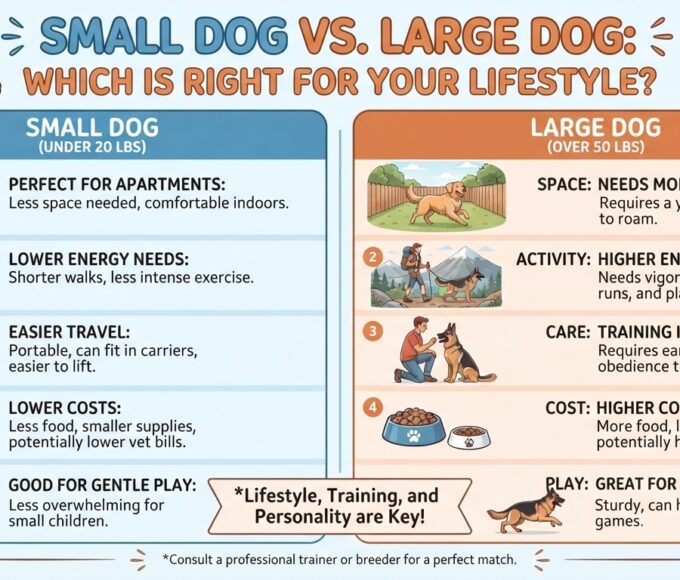
Bringing home your first dog is an exciting experience, but choosing the right breed can feel overwhelming. Small dogs are often appealing to new owners because they take up less space and can be easier to handle physically. However, being small doesn’t automatically mean being easy to care for.
Every dog has its own personality, exercise requirements, grooming needs, training challenges, and health considerations. Some small breeds are relaxed and adaptable, while others are energetic, vocal, independent, or surprisingly demanding.
For first-time owners, the best choice is usually a dog whose needs match your daily routine.
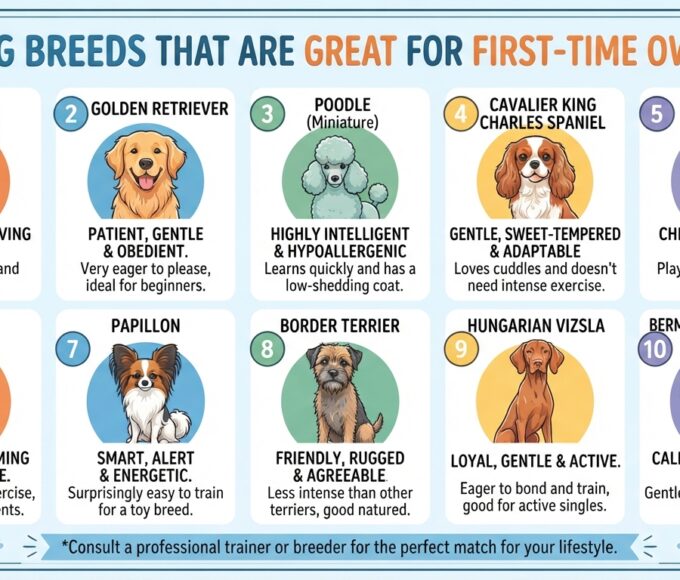
Here are five small dog breeds worth considering, along with the important things to know before bringing one home.
What Should First-Time Owners Look for in a Small Dog?
Before choosing a breed, think beyond appearance.
Consider:
- How much exercise you can provide each day
- How much time you have for training
- Whether you can afford regular grooming
- How often the dog will be left alone
- Whether you live in an apartment or house
- Whether you have children or other pets
- How comfortable you are with barking
- How much veterinary care you can budget for
- Whether you live in a hot or cold climate
A small dog can still have significant exercise and mental-stimulation needs. Likewise, a tiny dog may require extensive grooming or regular training.
1. Cavalier King Charles Spaniel
The Cavalier King Charles Spaniel is known for its affectionate and people-oriented personality.
These dogs often enjoy staying close to their owners and can make loving family companions. Their adaptable nature can work well for people living in apartments or houses, provided they receive regular exercise and companionship.
Cavaliers generally enjoy walks, playtime, training games, and spending time with their families.
Why First-Time Owners May Like Them
- Friendly and affectionate personality
- Usually enjoys human companionship
- Manageable size
- Can adapt to different types of homes
- Often responds well to reward-based training
Things to Consider
Their strong attachment to people means they may struggle if routinely left alone for long periods. They also need regular coat care and veterinary attention.
Prospective owners should research breed-associated health concerns and choose responsible sources when obtaining a puppy.
Best for: Someone looking for a gentle companion who wants an involved relationship with their dog.
2. French Bulldog
French Bulldogs have become popular because of their compact size, expressive personalities, and affectionate nature.
They can adapt well to apartment living and don’t typically require the same amount of endurance exercise as highly athletic breeds.
However, “low exercise” should never be interpreted as “no exercise.” French Bulldogs still need appropriate daily movement, play, training, and mental stimulation.
Why First-Time Owners May Like Them
- Compact body size
- Often affectionate and people-oriented
- Can adapt to smaller homes
- Usually enjoy relaxing with their owners
- Entertaining personalities
Important Health Consideration
French Bulldogs have a shortened muzzle, which can make breathing and heat regulation more difficult.
Hot or humid weather can be particularly dangerous for them. Owners need to take heat management seriously and avoid strenuous exercise in high temperatures.
Their health needs can also result in significant veterinary expenses for some individuals.
Best for: Owners who want a companion dog and can provide a cool, comfortable environment and appropriate veterinary care.
3. Miniature Dachshund
Miniature Dachshunds may be small, but they are rarely lacking in personality.
These curious, determined dogs can be affectionate and entertaining companions. They often enjoy exploring, playing, learning tricks, and following their owners around the house.
Their small size makes them convenient to handle, but new owners shouldn’t assume that a Dachshund will be completely low-energy.
Why First-Time Owners May Like Them
- Small and portable
- Affectionate with their families
- Intelligent and engaging
- Usually easy to keep groomed, depending on coat type
- Enjoy interactive games and training
A Special Consideration: Their Back
Dachshunds have a long-backed, short-legged body structure that is associated with an increased risk of intervertebral disc disease.
Owners should avoid encouraging repeated jumping from furniture or other high surfaces and should handle their dogs carefully.
Keeping them at a healthy weight is also particularly important.
Best for: First-time owners who want a small dog with an active personality and are willing to provide appropriate training and physical care.
4. Pomeranian
Pomeranians are tiny dogs with confident personalities.
They are often playful, alert, affectionate, and highly interested in what is happening around them. Their intelligence can make training rewarding, although their independent streak can sometimes test an inexperienced owner.
Their thick double coat is one of their most recognizable features.
Why First-Time Owners May Like Them
- Very small size
- Playful and entertaining
- Intelligent
- Can live comfortably in smaller homes with proper exercise
- Often forms a strong bond with its owner
Grooming and Barking
Pomeranians need regular brushing to maintain their coat and reduce tangles.
They can also be vocal. An owner who lives in an apartment should make barking management and positive training a priority from the beginning.
Their tiny bodies also mean owners need to be careful around larger dogs and during rough play.
Best for: Someone who wants a tiny, lively companion and doesn’t mind regular grooming and training.
5. Shih Tzu
Shih Tzus were bred as companion dogs and often enjoy spending time with their families.
They can adapt well to smaller living spaces and generally don’t require long-distance exercise to remain content. However, they still benefit from daily walks, play, training, and mental stimulation.
Why First-Time Owners May Like Them
- Small and manageable
- Affectionate
- Often adaptable to apartment living
- Enjoys human companionship
- Can be playful without requiring intense exercise
Grooming Requirements
The Shih Tzu’s beautiful coat requires regular maintenance.
Owners who keep the coat long should expect frequent brushing and professional grooming or learn appropriate grooming techniques. Keeping the facial area clean is also important.
Because Shih Tzus have a relatively short muzzle, owners should also pay attention to heat and breathing difficulties.
Best for: People who want an affectionate indoor companion and are comfortable with regular grooming.
Are Small Dogs Actually Easier for First-Time Owners?
Not necessarily.
A small dog may be easier to physically carry or accommodate in a smaller home, but training and care requirements can still be significant.
Some small breeds can be:
- Very energetic
- Highly vocal
- Stubborn
- Sensitive
- Protective
- Grooming-intensive
- Prone to separation-related problems
A 5-kilogram dog can require just as much patience and consistency as a much larger dog.
The goal should be to find a dog whose personality and needs fit your lifestyle.
Small Dog Training Is Still Important
One common mistake among new owners is treating a small dog differently because of its size.
A Chihuahua, Dachshund, Pomeranian, or Shih Tzu still needs clear boundaries and basic training.
Useful skills include:
- Sit
- Stay
- Come
- Leave it
- Drop it
- Loose-leash walking
- Calm greetings
- Handling for grooming
- Appropriate bathroom habits
Avoid allowing unwanted behavior simply because the dog is small.
A dog that jumps on people, guards food, or barks constantly can still create serious problems regardless of its size.
Socialization Matters
Early, positive socialization can help puppies become more comfortable with people, environments, sounds, handling, and appropriately introduced animals.
Don’t force a frightened puppy into an interaction.
Instead, allow the dog to experience new things gradually while rewarding calm behavior.
Socialization should also continue beyond puppyhood. Adult dogs benefit from positive experiences throughout their lives.
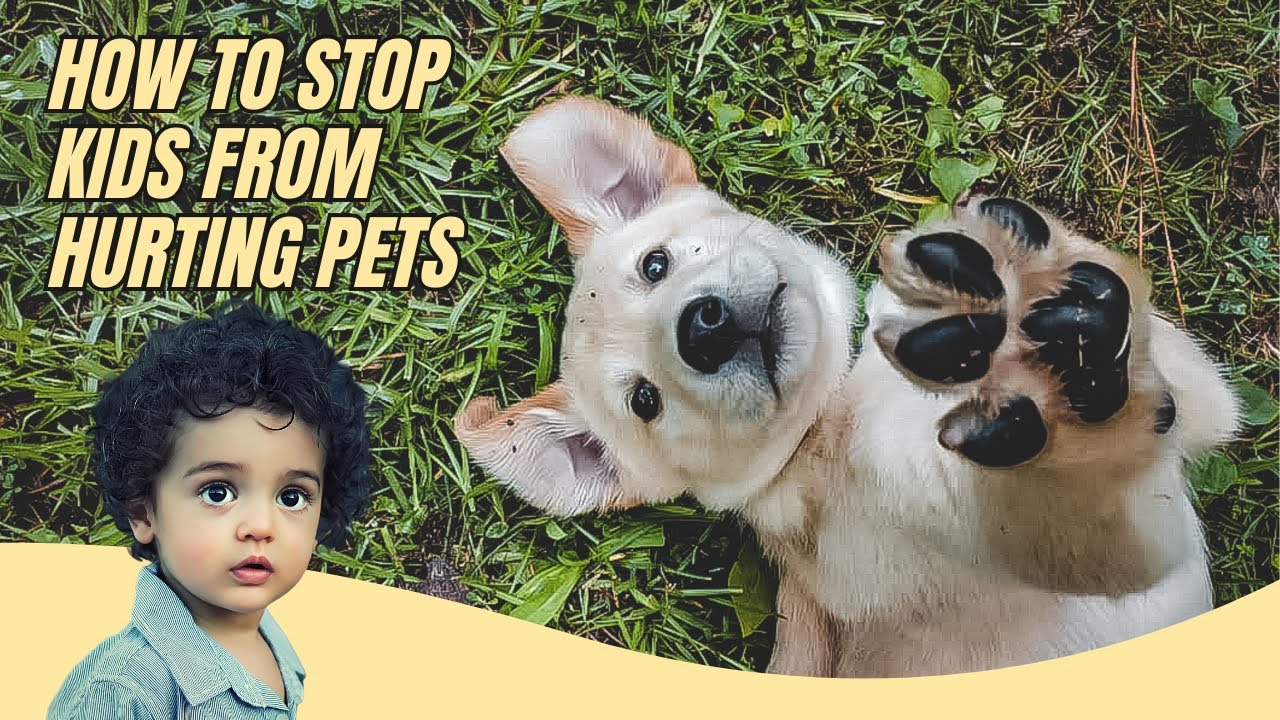
Small Dogs and Children
Some small breeds can be wonderful family dogs, but their small bodies can make them vulnerable to accidental injuries.
Young children should always be supervised around dogs.
Teach children:
- Not to pull ears or tails
- Not to climb on dogs
- Not to disturb a sleeping dog
- Not to take food or toys away
- Not to chase a dog
- How to recognize when a dog wants space
A small dog should always have access to a quiet area where it can retreat when it doesn’t want interaction.
How Much Exercise Does a Small Dog Need?
There isn’t one exercise requirement that applies to every small breed.
Age, health, breed, personality, and fitness all matter.
A small dog may benefit from a combination of:
- Short walks
- Indoor play
- Training sessions
- Puzzle toys
- Scent games
- Appropriate off-leash play in secure areas
Mental stimulation is particularly useful for intelligent dogs that become bored easily.
Watch your dog rather than following a rigid exercise schedule. Puppies, senior dogs, and dogs with health problems may need different routines.
Grooming: Don’t Underestimate the Commitment
Small dogs come with very different coat types.
For example:
- Pomeranians need regular brushing.
- Shih Tzus require substantial coat maintenance.
- Cavalier King Charles Spaniels need regular brushing and coat care.
- Dachshunds generally have simpler grooming needs, depending on coat type.
- French Bulldogs usually require less coat maintenance but still need routine skin, ear, nail, and facial care.
Before choosing a breed, find out what grooming will cost and how much time it will require.
Small Dogs in Hot Weather
Climate is an important consideration, particularly for breeds with short muzzles.
French Bulldogs and Shih Tzus, for example, can require extra caution in hot weather.
During very warm conditions:
- Provide access to fresh water.
- Keep indoor spaces cool.
- Avoid strenuous activity during the hottest part of the day.
- Watch for excessive panting or breathing difficulty.
- Never leave a dog inside a parked vehicle.
Heat-related illness can become an emergency quickly.
Adoption vs. Buying a Puppy
First-time owners don’t necessarily need to start with a puppy.
Adult dogs can have advantages because their personalities and energy levels may already be more apparent. Some rescue organizations can also provide information about a dog’s behavior and previous experiences.
If purchasing a puppy, research the breeder carefully. Responsible breeders should prioritize health, temperament, appropriate socialization, and the welfare of their dogs rather than simply producing puppies for sale.
Frequently Asked Questions
Are small dogs better for first-time owners?
Some small breeds can be convenient for first-time owners, but size alone doesn’t determine whether a dog is easy to care for. Temperament, training requirements, exercise needs, grooming, and health should all be considered.
Which small dogs are good for apartments?
Many small breeds can adapt to apartment living, including Cavalier King Charles Spaniels, Shih Tzus, French Bulldogs, and Pomeranians. However, apartment suitability depends on the individual dog and whether its exercise, mental stimulation, barking, and bathroom needs can be managed.
Do small dogs need daily walks?
Most small dogs benefit from regular physical activity, although the amount varies considerably. Walks can provide exercise as well as opportunities to explore and experience different environments.
Are small dogs easier to train?
Not always. Some small breeds are highly intelligent and trainable, while others can be independent or easily distracted. Consistent reward-based training is important regardless of the dog’s size.
Which small dog requires the least grooming?
Grooming needs vary by coat type. Some Dachshunds have relatively simple coat-care requirements, while Pomeranians, Shih Tzus, and Cavaliers generally need more regular brushing and maintenance.
Are small dogs good with children?
Some are, but the individual dog’s temperament matters greatly. Because small dogs can be physically fragile, young children should always be supervised around them and taught how to interact safely.
Final Thoughts
Small dogs can be wonderful companions for first-time owners, but choosing one should involve more than looking for the cutest breed or the smallest body.
Cavalier King Charles Spaniels can appeal to people seeking an affectionate companion, while French Bulldogs may suit owners who prefer a compact indoor dog and can carefully manage heat and health concerns. Miniature Dachshunds offer plenty of personality in a small package, Pomeranians bring energy and intelligence, and Shih Tzus can be affectionate companions for owners prepared for regular grooming.
The right choice ultimately depends on your lifestyle.
Before bringing a dog home, consider how much time you can devote to exercise, training, grooming, companionship, veterinary care, and socialization. A well-matched dog is more likely to become a happy, confident companion—and you’ll be better prepared to enjoy the experience of becoming a first-time dog owner.
This Article Was Generated By AI.






Leave a comment