



Bringing a puppy home is exciting, but the first few months also come with important health responsibilities.
Puppies are still developing physically and immunologically, which can make them vulnerable to infectious diseases and other health problems. Conditions such as canine parvovirus can become life-threatening quickly, while respiratory illnesses can sometimes progress to pneumonia.
The good news is that responsible preventive care can significantly reduce many of the risks.
Vaccination, parasite prevention, good hygiene, appropriate nutrition, safe socialization, regular veterinary examinations, and knowing the warning signs of illness all play important roles in giving a puppy a healthy start.
Understanding Canine Parvovirus
Canine parvovirus, commonly called parvo, is a highly contagious viral disease that particularly threatens young and incompletely vaccinated dogs.
The virus primarily affects rapidly dividing cells in the gastrointestinal tract and can cause severe illness.
Common signs include:
- Loss of appetite
- Lethargy
- Vomiting
- Diarrhea
- Dehydration
- Abdominal discomfort
- Fever or abnormal body temperature
Diarrhea may become bloody in severe cases.
According to the Merck Veterinary Manual, signs can develop several days after infection and may progress quickly, particularly in young dogs.
How Does Parvo Spread?
Parvovirus is extremely contagious and can spread through infected feces and contaminated environments.
The virus is also relatively stable in the environment, meaning puppies don’t necessarily need direct contact with an obviously sick dog to encounter it. Contaminated surfaces, objects, or environments can contribute to transmission.
This is one reason puppy owners need to take extra care before their puppy has completed the initial vaccination series.
Why Is Parvo So Dangerous?
Severe parvovirus infection can cause substantial fluid loss, intestinal damage, dehydration, and other complications.
Treatment is primarily supportive and may involve fluids, nutritional support, medications, and close veterinary monitoring. Severely affected puppies may require hospitalization.
There is no reason to wait for symptoms to become severe before contacting a veterinarian.
If an incompletely vaccinated puppy develops vomiting and diarrhea, particularly when accompanied by lethargy or loss of appetite, contact a veterinary clinic promptly.
Understanding Pneumonia in Puppies
Pneumonia is an inflammatory condition affecting the lungs and can interfere with normal breathing and oxygen exchange.
Unlike parvovirus, pneumonia isn’t caused by one specific organism.
Possible causes include:
- Bacterial infections
- Viral infections
- Fungal infections
- Certain parasites
- Aspiration of food or stomach contents
- Other respiratory or underlying diseases
Merck Veterinary Manual notes that pneumonia can develop from infectious causes as well as aspiration and other problems affecting the respiratory system.
Signs of Pneumonia
A puppy with pneumonia may show:
- Coughing
- Rapid or difficult breathing
- Nasal discharge
- Lethargy
- Reduced appetite
- Fever
- Exercise intolerance
- Weakness
Severe respiratory distress can result in inadequate oxygen levels and requires urgent veterinary treatment.
If your puppy is struggling to breathe, don’t wait to see whether the symptoms disappear on their own.
Can Vaccines Prevent Puppy Health Problems?
Vaccination is one of the most important parts of preventive puppy care.
Core vaccines protect dogs against serious infectious diseases including canine parvovirus, canine distemper virus, and canine adenovirus. Current AAHA guidance also lists leptospirosis as a core vaccine recommendation, while other vaccines may be recommended according to lifestyle, location, and exposure risk.
The Puppy Vaccination Series
Puppies generally begin their core vaccination series at around 6–8 weeks of age.
Because antibodies received from the mother can interfere with vaccine response for a period of time, core combination vaccines are generally repeated every 2–4 weeks until the puppy is older than 16 weeks. In higher-risk situations, veterinarians may recommend extending the series to 18–20 weeks.
The exact schedule should come from your veterinarian because vaccination plans can vary according to the puppy’s age, health, location, lifestyle, and exposure risks.
Don’t Assume One Vaccine Protects Against Everything
It’s important to understand what vaccines can and cannot do.
Vaccination against parvovirus can protect against parvovirus, but it doesn’t make a puppy immune to every gastrointestinal illness.
Likewise, vaccination against respiratory pathogens can reduce the risk of certain infections, but pneumonia has many possible causes.
Your veterinarian can determine which core and additional vaccines are appropriate for your puppy based on their individual risk profile.
How to Reduce Your Puppy’s Risk of Parvo
Vaccination is essential, but environmental management matters too.
Avoid High-Risk Areas During the Vulnerable Period
Until your puppy has received the appropriate vaccines, ask your veterinarian which environments are safe.
Areas with large numbers of unknown or unvaccinated dogs can present greater infectious-disease risks.
Be Careful With Shared Dog Areas
Dog parks, heavily trafficked pet areas, boarding facilities, and other locations where many dogs congregate may expose puppies to infectious pathogens.
This doesn’t mean puppies should be isolated from the world.
Safe socialization is important. Instead, ask your veterinarian how to balance socialization with disease prevention in your area.
Keep the Environment Clean
Promptly clean up feces and maintain good hygiene around your puppy’s living area.
Remember that parvovirus can persist in contaminated environments, so simply removing visible feces doesn’t necessarily eliminate the risk.
Wash Your Hands
Good hand hygiene is particularly important after handling feces, cleaning contaminated areas, or interacting with unfamiliar animals.
How to Reduce the Risk of Respiratory Disease
Pneumonia itself isn’t always preventable, but you can reduce some of the factors that contribute to respiratory illness.
Keep Vaccinations Current
Vaccines can protect against several pathogens associated with serious canine diseases and respiratory illness.
Your veterinarian can determine whether your puppy needs additional vaccines based on their lifestyle and exposure risk.
Avoid Sick Animals
Don’t allow your puppy to interact closely with dogs that are coughing, sneezing, vomiting, or showing other signs of illness.
Keep Shared Areas Clean
Regular cleaning can help reduce exposure to infectious organisms.
Avoid Smoke and Irritants
Keep puppies away from cigarette smoke, harsh chemical fumes, and other respiratory irritants.
Feed Safely
Improperly administered food or medications can contribute to aspiration pneumonia. Puppies should be fed appropriately and should not be force-fed unless directed by a veterinary professional.
Parasites Can Also Affect Puppy Health
Parvo and pneumonia aren’t the only concerns for young dogs.
Puppies can also develop intestinal parasites and become exposed to fleas, ticks, and other parasites.
Some intestinal parasites can cause:
- Diarrhea
- Poor growth
- Weight loss
- Vomiting
- Anemia
- Weakness
Your veterinarian can recommend appropriate parasite testing and preventive treatment based on your puppy’s age and risk factors.
Don’t assume that every puppy needs the same parasite medication. Products and schedules should be selected according to the individual puppy and local parasite risks.
Good Nutrition Supports Healthy Growth
Puppies need appropriate nutrition to support their rapidly developing bodies.
A balanced puppy diet should provide the nutrients needed for growth without encouraging excessive or inappropriate weight gain.
Your veterinarian can help you choose a suitable diet based on factors such as:
- Age
- Expected adult size
- Breed
- Activity level
- Body condition
- Existing health concerns
Fresh water should always be available.
Avoid making major dietary changes suddenly, and be cautious about supplements unless your veterinarian recommends them.
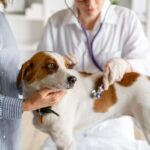
Regular Veterinary Check-Ups Matter
Preventive veterinary visits allow your puppy’s health to be monitored as they grow.
During these appointments, your veterinarian may assess:
- Weight and body condition
- Heart and lungs
- Eyes and ears
- Teeth and mouth
- Skin and coat
- Musculoskeletal development
- Vaccination status
- Parasite prevention
- Nutrition
- Behavior
- Socialization
- Identification and microchipping
Puppies generally need more frequent veterinary visits than healthy adult dogs because their health needs change rapidly during early development.
How to Socialize a Puppy Safely
Avoiding every outside experience until the final puppy vaccine is not necessarily the best approach.
Puppies have important developmental and socialization needs, but infectious-disease exposure must also be considered.
The goal is safe socialization.
Depending on your veterinarian’s advice, this may include:
- Meeting healthy, vaccinated dogs you know
- Experiencing different household sounds
- Riding safely in a car
- Exploring safe surfaces
- Meeting different people
- Learning to tolerate gentle handling
- Attending an appropriately managed puppy class
Your veterinarian can help determine which experiences are appropriate based on local disease risks and your puppy’s vaccination status.
Warning Signs That Require Veterinary Attention
Puppies can become seriously ill faster than owners expect.
Contact your veterinarian if your puppy develops concerning symptoms such as:
- Repeated vomiting
- Significant or persistent diarrhea
- Bloody diarrhea
- Refusal to eat
- Severe lethargy
- Weakness or collapse
- Persistent coughing
- Difficulty breathing
- Pale, gray, or bluish gums
- Signs of dehydration
- Severe abdominal discomfort
- Sudden neurological changes
Breathing Problems Are an Emergency
If your puppy is struggling to breathe, breathing with obvious effort, or showing bluish gums or tongue, seek emergency veterinary care.
Respiratory distress can indicate a serious problem and shouldn’t be monitored at home without veterinary guidance.
Vomiting and Diarrhea Need Attention Too
An occasional mild digestive upset isn’t necessarily an emergency, but repeated vomiting or diarrhea in a young puppy deserves prompt veterinary advice.
This is particularly important when the puppy isn’t fully vaccinated because parvovirus is one possible cause of severe gastrointestinal illness.
What Should You Do If You Suspect Parvo?
If your puppy develops symptoms that could indicate parvovirus, contact your veterinarian immediately.
Because parvo is highly contagious, tell the clinic about your concerns before arriving.
The veterinary team may want to take precautions to reduce the chance of exposing other dogs.
Testing can include fecal antigen testing or other diagnostic methods, depending on the situation.
Do not rely on home treatment alone.
Prompt veterinary care can make an important difference when a puppy is seriously ill.
Frequently Asked Questions
Can a vaccinated puppy still get parvo?
Vaccination provides strong protection, but no vaccine provides an absolute guarantee.
Puppies are particularly vulnerable during the period when maternal antibodies can interfere with vaccine response, which is one reason the initial vaccine series includes multiple doses.
When can my puppy safely go outside?
There isn’t one universal answer.
Your veterinarian can advise you based on your puppy’s vaccination status and the disease risks in your area. Safe socialization can often begin before the entire vaccine series is complete, but high-risk environments may need to be avoided.
Can pneumonia be prevented completely?
No.
Pneumonia has many possible causes, including infectious organisms and aspiration, so there is no single prevention strategy that eliminates every risk. Vaccination, good hygiene, avoiding sick animals, and appropriate veterinary care can help reduce some risks.
Can a puppy recover from parvo?
Yes, many puppies can recover with appropriate veterinary treatment, but parvovirus can be life-threatening.
Treatment is largely supportive, and severely ill puppies may require hospitalization and intensive care.
Should I wait until my puppy has completed all vaccines before socializing them?
Not necessarily.
Early socialization is important, but it should be balanced against infectious-disease risk. Ask your veterinarian about safe ways to expose your puppy to people, environments, and other dogs while completing their vaccination series.
A Healthy Start Begins With Prevention
You can’t protect your puppy from every possible illness, but you can significantly improve their chances of staying healthy by taking preventive care seriously.
Keep vaccinations on schedule, follow your veterinarian’s parasite-prevention recommendations, provide appropriate nutrition, maintain good hygiene, and learn your puppy’s normal behavior.
Most importantly, don’t ignore changes in your puppy’s health.
A puppy that suddenly stops eating, becomes unusually tired, develops repeated vomiting or diarrhea, starts coughing, or has difficulty breathing needs professional veterinary attention.
Final Thoughts
Parvovirus and pneumonia are very different conditions, but both demonstrate why preventive care and early recognition matter so much during puppyhood.
Parvo can cause severe gastrointestinal illness and is especially dangerous to young, incompletely vaccinated dogs. Pneumonia can have several causes and may result in serious breathing problems.
Vaccination is one of the most important tools for protecting puppies from serious infectious diseases, while hygiene, appropriate socialization, nutrition, parasite prevention, and regular veterinary care provide additional layers of protection.
Your puppy doesn’t need a completely risk-free life. They need thoughtful protection, appropriate experiences, and a caregiver who knows when something isn’t right.
Giving your puppy that foundation can help them grow from a vulnerable young dog into a healthier and happier adult companion.
This Article Was Generated By AI.





Leave a comment