




Puppies may seem full of endless energy, but their developing immune systems and growing bodies can make them vulnerable to a variety of health problems.
For a new puppy owner, it can be difficult to know which symptoms are minor and which ones require veterinary attention. Understanding some of the most common health concerns can help you recognize changes early and seek appropriate care when necessary.
From intestinal parasites and infections to digestive problems and growing-related conditions, puppy health issues can range from mild and temporary to potentially serious.
Here are five common health problems every puppy owner should understand, along with practical ways to reduce the risks.
1. Parasites
Parasites are common in puppies. Some can be acquired before birth or while nursing, while others are picked up from contaminated environments, infected animals, fleas, or other sources.
Common puppy parasites include:
- Roundworms
- Hookworms
- Tapeworms
- Fleas
- Ticks
- Mites
- Heartworms, depending on location and exposure
Intestinal worms can cause diarrhea, poor growth, weight loss, a swollen abdomen, or other digestive problems. Severe hookworm infections can cause anemia and may be particularly dangerous for young puppies.
How to Help Protect Your Puppy
Your veterinarian can recommend an appropriate parasite-prevention plan based on your puppy’s age, location, lifestyle, and risk factors.
Depending on the situation, prevention may include:
- Routine deworming
- Fecal examinations
- Flea prevention
- Tick prevention
- Heartworm prevention
- Keeping the puppy’s living area clean
- Preventing access to contaminated feces and environments
Don’t give your puppy over-the-counter or leftover parasite medication without veterinary guidance. Different products are designed for different parasites, ages, weights, and species.
2. Respiratory Infections
Puppies can develop respiratory illnesses after exposure to infected dogs or contaminated environments.
Respiratory problems can have different causes, including viral and bacterial infections. Some infections remain relatively mild, while others can progress to pneumonia.
Possible symptoms include:
- Coughing
- Sneezing
- Nasal discharge
- Eye discharge
- Reduced energy
- Decreased appetite
- Fever
- Rapid or difficult breathing
Difficulty breathing is particularly concerning and should be treated as an urgent veterinary problem.
How Can You Reduce the Risk?
Vaccination is an important part of protecting puppies against several serious infectious diseases. Core puppy vaccines include protection against diseases such as distemper and parvovirus, while other vaccines may be recommended depending on lifestyle and exposure risk.
Until your puppy has completed the veterinarian-recommended vaccination series, be cautious about exposing them to dogs with unknown vaccination status and high-risk environments.
However, protecting a puppy from disease doesn’t necessarily mean completely isolating them. Ask your veterinarian how to combine disease prevention with safe, positive socialization.
3. Orthopedic and Growing-Related Problems
Puppies are constantly growing, and their bones, joints, muscles, and connective tissues are still developing.
Some puppies may develop orthopedic problems because of genetics, abnormal joint development, injury, excessive body weight, or other factors.
Conditions that can affect puppies include:
- Hip dysplasia
- Elbow dysplasia
- Luxating patella
- Certain developmental bone disorders
- Growth-related orthopedic problems
Signs that may indicate a musculoskeletal problem include:
- Limping
- Stiffness
- Reluctance to run or play
- Difficulty getting up
- Avoiding stairs
- Abnormal gait
- Crying or reacting when handled
- Suddenly becoming less active
Support Healthy Development
Nutrition plays an important role in puppy growth.
Feed a complete and balanced puppy diet appropriate for your dog’s developmental needs. Large- and giant-breed puppies may require particularly careful nutritional management.
Exercise should also be appropriate for the puppy’s age, size, health, and development.
Puppies need activity, but more exercise isn’t always better. Avoid turning a young puppy into an endurance athlete before their body is ready.
If you notice persistent limping, pain, weakness, or an unusual gait, arrange a veterinary examination rather than assuming the puppy will simply grow out of it.
4. Vomiting, Diarrhea, and Other Digestive Problems
Digestive problems are extremely common in puppies.
A puppy may develop vomiting or diarrhea after eating something unusual, changing foods too quickly, experiencing stress, picking up parasites, or developing an infection.
However, digestive symptoms can sometimes indicate a much more serious problem.
Possible causes include:
- Dietary changes
- Intestinal parasites
- Viral infections
- Bacterial infections
- Eating inappropriate objects
- Toxins
- Food intolerance
- Intestinal obstruction
One particularly serious concern in puppies is canine parvovirus.
Parvovirus can cause loss of appetite, lethargy, vomiting, and severe diarrhea, which may become bloody. Young puppies and inadequately vaccinated dogs are particularly vulnerable.
Don’t Automatically Treat Puppy Diarrhea at Home
A single episode of mild diarrhea in an otherwise bright puppy may not always indicate a serious illness, but repeated vomiting, persistent diarrhea, blood in the stool, severe lethargy, refusal to eat, or signs of dehydration warrant veterinary attention.
Don’t automatically withhold food or give human medications unless your veterinarian specifically tells you to do so.
If you suspect your puppy has eaten a toxic substance or swallowed a foreign object, contact a veterinarian promptly.
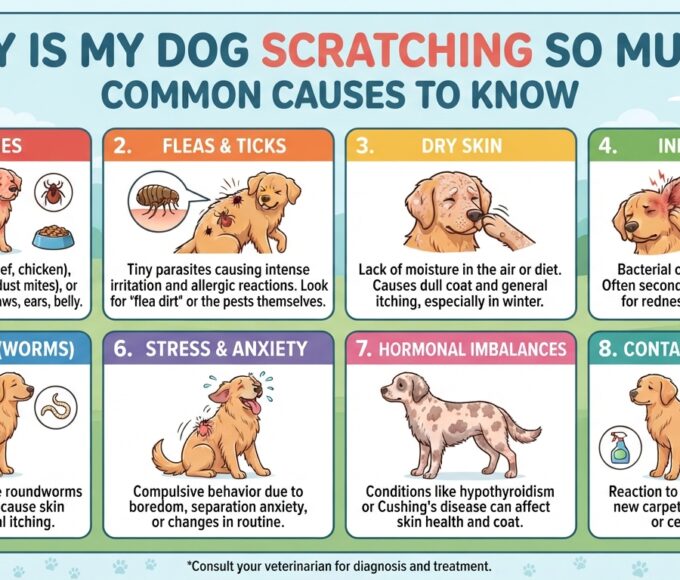
5. Skin and Ear Problems
Puppies can experience a variety of skin and ear conditions.
Potential causes include:
- Fleas and other parasites
- Allergies
- Bacterial infections
- Yeast or fungal infections
- Environmental irritation
- Moisture
- Underlying medical conditions
Signs can include:
- Excessive scratching
- Licking
- Red or irritated skin
- Hair loss
- Scabs
- Unusual odor
- Repeated head shaking
- Ear discharge
- Frequent ear scratching
A puppy that constantly scratches or shakes their head shouldn’t simply be assumed to have “normal puppy itching.”
The underlying cause needs to be identified before the appropriate treatment can be chosen.
Keep Your Puppy Comfortable
Regular grooming can help you notice changes early.
Check your puppy’s skin, ears, paws, and coat regularly. Keep the coat clean and appropriately groomed, especially if your puppy has long or dense fur.
However, avoid repeatedly bathing your puppy with harsh products or applying medications without veterinary advice.
Puppy Vaccinations Are Essential
Vaccinations deserve special attention because young puppies are particularly vulnerable to certain infectious diseases.
AAHA’s canine vaccination guidelines identify core vaccines for dogs, including protection against distemper, adenovirus, parvovirus, leptospirosis, and rabies, while additional vaccines may be recommended based on lifestyle, geography, and exposure risk.
For puppies, the initial combination-vaccine series generally begins around 6–8 weeks of age and is repeated at intervals until the puppy is older than 16 weeks. In areas with higher disease risk, veterinarians may recommend extending the series to 18–20 weeks.
Your puppy’s veterinarian should determine the appropriate schedule rather than relying on a generic calendar.
How Often Should a Puppy See the Veterinarian?
Puppies generally need more frequent veterinary care than healthy adult dogs.
A first veterinary visit commonly takes place around 6–8 weeks of age, followed by additional visits during the first several months for vaccinations, parasite prevention, growth monitoring, and other preventive care. AAHA notes that many puppies are seen approximately every 3–4 weeks until around 4–5 months of age, although schedules vary.
After puppyhood, the frequency of wellness visits can change depending on the dog’s age, health, lifestyle, and veterinary recommendations.
Warning Signs That Shouldn’t Be Ignored
Puppies can deteriorate quickly when seriously ill, so don’t wait for symptoms to become extreme before seeking help.
Contact your veterinarian if your puppy develops concerning symptoms such as:
- Repeated vomiting
- Persistent or severe diarrhea
- Bloody diarrhea
- Refusal to eat
- Severe lethargy
- Difficulty breathing
- Collapse
- Seizures
- Severe abdominal pain
- Significant weakness
- Difficulty standing or walking
- Signs of dehydration
- Sudden major changes in behavior
If your puppy is having trouble breathing, has collapsed, is having seizures, or may have swallowed a dangerous substance, seek urgent veterinary care.
How to Help Keep Your Puppy Healthy
Preventive care can reduce many common puppy health risks.
A healthy puppy routine should include:
Feed an Appropriate Diet
Choose a complete and balanced puppy food appropriate for your puppy’s developmental needs.
Follow the Vaccination Schedule
Don’t skip or delay recommended puppy vaccinations without discussing it with your veterinarian.
Use Parasite Prevention
Ask your veterinarian about appropriate protection against intestinal parasites, fleas, ticks, and heartworm where relevant.
Practice Safe Socialization
Introduce your puppy gradually to people, sounds, environments, and appropriately selected dogs while following your veterinarian’s guidance about infectious-disease risks.
Keep Your Home Puppy-Safe
Remove access to medications, chemicals, toxic foods, small objects, batteries, and other dangerous items.
Maintain a Healthy Weight
Don’t intentionally overfeed your puppy in an attempt to make them grow faster.
Provide Appropriate Exercise
Give your puppy opportunities to play and explore without excessive or repetitive high-impact activity.
Schedule Regular Veterinary Care
Preventive appointments allow your veterinarian to monitor growth and identify potential problems early.
Frequently Asked Questions
What are the most common health problems in puppies?
Common concerns include intestinal parasites, infectious diseases, digestive problems, skin and ear conditions, and developmental or orthopedic issues. Puppies can also experience problems related to nutrition, injuries, toxins, and foreign objects.
How often should I take my puppy to the veterinarian?
Puppies generally need several visits during their first few months rather than waiting 6–12 months between appointments. Many puppies are seen every few weeks during the initial vaccination and preventive-care period.
What vaccinations does a puppy need?
Core vaccinations generally protect against diseases such as distemper, adenovirus, parvovirus, leptospirosis, and rabies. Additional vaccines may be recommended according to your puppy’s lifestyle, location, and exposure risks.
Can puppies get parasites from their mother?
Yes. Some intestinal parasites can be transmitted from a mother to her puppies before birth or while nursing. Puppies therefore commonly require veterinary-guided deworming and parasite prevention.
Is puppy diarrhea always an emergency?
Not necessarily, but puppies can become seriously ill from some causes of vomiting and diarrhea. Persistent diarrhea, repeated vomiting, bloody stool, severe lethargy, refusal to eat, or other concerning symptoms should prompt veterinary advice.
How can I protect my puppy from parvovirus?
Following the recommended vaccination schedule is one of the most important steps. Until your puppy is adequately protected, avoid high-risk exposure and follow your veterinarian’s advice about safe environments and socialization.
Final Thoughts
Puppies may seem tough because they are playful, curious, and energetic, but their developing bodies also make them vulnerable to certain illnesses and health problems.
Parasites, respiratory infections, orthopedic problems, digestive disorders, and skin conditions are among the issues puppy owners may encounter.
The good news is that responsible preventive care can go a long way.
Provide appropriate nutrition, follow your puppy’s vaccination and parasite-prevention plan, offer safe exercise and socialization, monitor their growth, and pay attention to changes in behavior or appetite.
Most importantly, don’t hesitate to contact your veterinarian when something doesn’t seem right.
When it comes to a young puppy, early advice can make a meaningful difference.
This Article Was Generated By AI.








Leave a comment