





Traveling with a pet can turn an ordinary trip into a memorable adventure. Whether you’re taking your dog on a weekend road trip, flying to visit family, or booking a pet-friendly vacation, bringing your furry companion along requires more preparation than simply putting a leash in your bag.
Pets can react differently to unfamiliar vehicles, crowded airports, new environments, strange sounds, and changes in routine. Good planning can reduce unnecessary stress and help you handle unexpected situations more confidently.
From choosing suitable accommodations to preparing a travel kit and keeping your pet secure during transportation, here’s a practical guide to making your next trip safer and more comfortable for everyone.
1. Decide Whether Your Pet Is Ready to Travel
Before making travel arrangements, consider whether your pet actually enjoys or tolerates traveling.
Some pets adapt easily to new environments, while others become extremely anxious outside their normal routine. Age, health, temperament, previous travel experience, and the length of the journey can all make a difference.
Consider:
- How does your pet behave in the car?
- Have they traveled before?
- Do they become anxious around strangers?
- Can they comfortably remain in a carrier or secured harness?
- Do they have any medical conditions that could make travel difficult?
- Will the destination be too hot, cold, crowded, or stressful?
For some pets, staying with a trusted caregiver may be less stressful than traveling.
If you’re uncertain, discuss the trip with your veterinarian before making final arrangements.
2. Research Your Destination Before Leaving
Don’t wait until you arrive to discover that your accommodation doesn’t allow pets.
Before booking anything, confirm the property’s current pet policy.
Check:
- Whether dogs, cats, or other pets are allowed
- Weight or breed restrictions
- Number of pets permitted
- Pet fees or deposits
- Rules about leaving pets unattended
- Areas where pets are allowed
- Cleaning requirements
- Nearby walking or exercise areas
- Whether food and water bowls are provided
- Emergency veterinary services nearby
A property described as “pet-friendly” may still have restrictions, so read the actual policy and contact the property if anything is unclear.
Look beyond hotels
Depending on your destination, you may also find:
- Pet-friendly vacation rentals
- Campgrounds
- Cabins
- Guesthouses
- Pet-friendly resorts
- Some serviced apartments
Choose accommodation based not only on whether pets are allowed but also on whether the environment will suit your particular animal.
3. Create a Pet Travel Checklist
One of the easiest ways to forget something important is to start packing at the last minute.
Create a dedicated travel bag for your pet.
Essential items include:
- Regular food
- Treats
- Food and water bowls
- Fresh drinking water
- Leash and collar
- Secure harness
- Waste bags
- Bed or familiar blanket
- Favorite toys
- Carrier or travel crate
- Medications
- Grooming supplies
- Pet-safe cleaning supplies
- Towels
- Identification tag
- Microchip information
- Vaccination and medical records
For longer trips, bring enough food and medication for the journey plus some extra in case of delays.
Keeping your pet’s food consistent can also reduce the possibility of digestive upset caused by a sudden diet change.
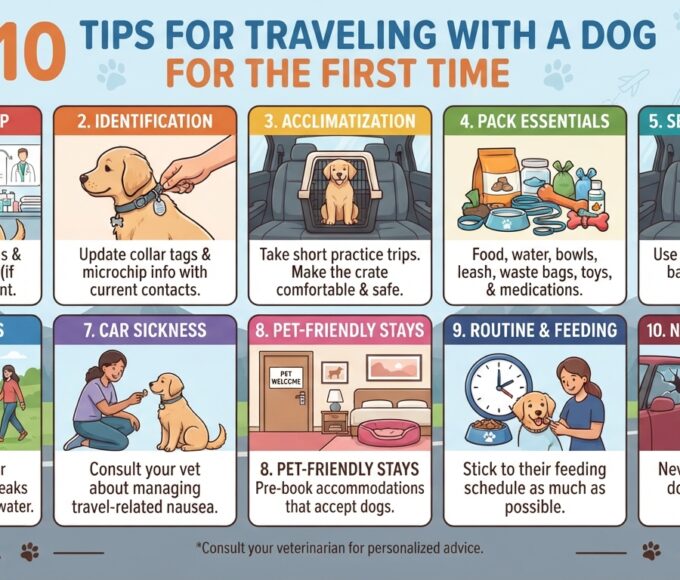
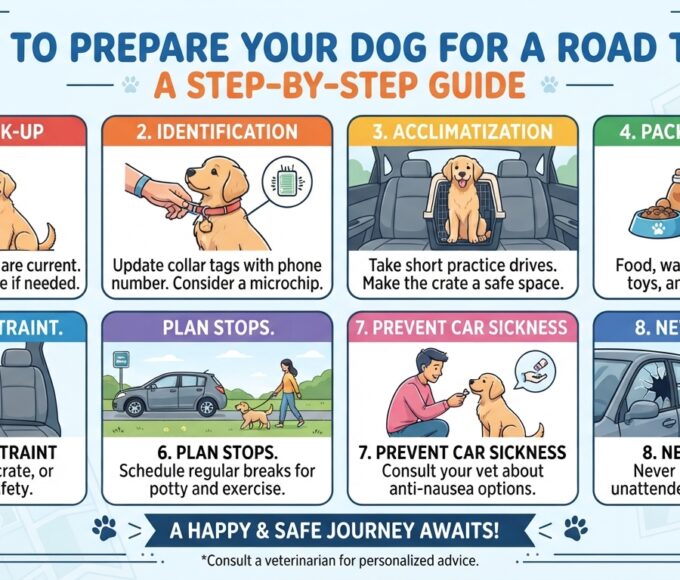
4. Keep Identification Up to Date
A new environment increases the importance of reliable identification.
Make sure your pet has an identification tag containing current contact information.
If your pet is microchipped, verify that the registration details are current before traveling.
A microchip isn’t a GPS tracker, but it can help identify your pet if they become lost and are taken to a facility where the chip can be scanned.
Consider keeping a recent photograph of your pet on your phone as well. If your pet goes missing, an up-to-date photo can be useful when creating lost-pet notices.
5. Schedule a Veterinary Check-Up When Appropriate
A pre-travel veterinary visit can be particularly useful for long-distance or international travel.
Your veterinarian can assess your pet’s general health and discuss whether any vaccinations, parasite prevention, medications, or documentation are needed.
Depending on where you’re traveling, you may need specific health documents or vaccination records.
International travel can involve additional requirements, so research the rules well in advance rather than waiting until the day before departure.
Ask your veterinarian about:
- Your pet’s current health
- Vaccination status
- Parasite prevention
- Travel-related anxiety
- Motion sickness
- Existing medical conditions
- Required documentation
- Medication supplies
- Whether your planned journey is appropriate for your pet
Don’t give your pet a sedative simply because you expect them to become anxious during travel. Some medications can affect an animal’s ability to regulate body temperature, balance, breathing, or circulation. Any travel medication should be discussed with your veterinarian beforehand.
6. Get Your Pet Comfortable With Travel Equipment
If your pet isn’t accustomed to a carrier, crate, or vehicle harness, introduce it before your trip.
For example, place the carrier in an area where your pet spends time and allow them to investigate it voluntarily. Reward calm behavior with treats or praise.
For dogs traveling by car, begin with short journeys.
You can gradually progress from:
Sitting in a parked vehicle → Short drive → Longer drive → Realistic travel session
The goal is to make the equipment and transportation experience familiar rather than introducing everything for the first time on departure day.
7. Keep Your Pet Secure During Car Travel
Allowing a dog or cat to move freely around a moving vehicle can be dangerous.
A sudden stop or collision can turn an unsecured pet into a projectile. A loose pet can also interfere with the driver.
Depending on your pet and vehicle, appropriate options may include:
- A properly secured travel crate
- A crash-tested pet restraint
- A suitable vehicle harness
- A secured carrier
Never allow your pet to ride on the driver’s lap.
It’s also safer to keep dogs from hanging their heads outside the vehicle window. Flying debris, sudden braking, or traffic hazards can cause serious injuries.
Never leave your pet alone in a parked car
Even when the outside temperature doesn’t seem extreme, the inside of a vehicle can become dangerously hot.
Cracking the windows does not make a parked car safe enough for a pet.
If you need to make a stop where pets aren’t allowed, plan ahead so your animal isn’t left unattended.
8. Plan Regular Breaks on Road Trips
Long journeys can be tiring for both pets and humans.
Schedule appropriate stops so your pet can:
- Stretch
- Drink water
- Use the bathroom
- Walk safely
- Relax
- Get a change of scenery
Always put your pet on a leash before opening the vehicle door.
A frightened dog may bolt when exposed to an unfamiliar environment, even if they normally have excellent recall.
Choose rest areas carefully and keep your pet away from traffic.
9. Watch for Motion Sickness
Some pets experience nausea during vehicle travel.
Possible signs include:
- Excessive drooling
- Lip licking
- Whining
- Restlessness
- Repeated swallowing
- Vomiting
- Appearing unusually quiet
If your pet regularly becomes sick during car journeys, talk to your veterinarian before traveling.
They can help determine whether motion sickness, anxiety, or another issue may be contributing to the problem and discuss appropriate options.
10. Make Air Travel a Separate Planning Project
Flying with a pet requires more preparation than driving.
Airlines can have different rules concerning:
- Carrier dimensions
- Pet size
- Cabin eligibility
- Breed restrictions
- Documentation
- Fees
- Number of animals permitted
- Temperature-related restrictions
- International entry requirements
Never assume that because one airline allows a particular arrangement, another airline will do the same.
Confirm the current rules directly with the airline before booking.
Choose the carrier carefully
If your pet will travel in a carrier, it should be appropriately sized and meet the airline’s requirements.
Your pet should be able to remain in a comfortable position according to the airline’s specifications.
Introduce the carrier well before the flight so it isn’t completely unfamiliar on travel day.
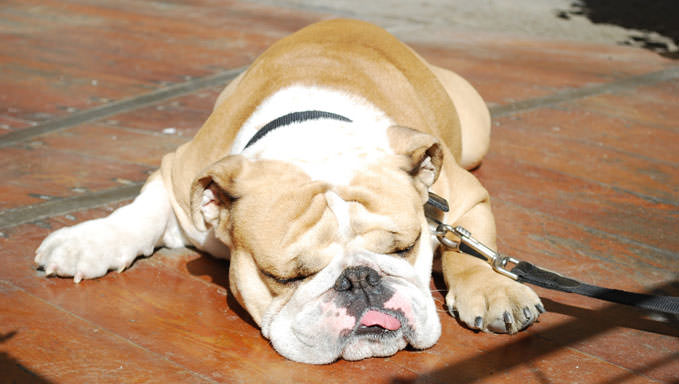
11. Be Especially Careful With Flat-Faced Breeds
Brachycephalic dogs and cats—those with shortened, flat facial structures—can have greater difficulty breathing and regulating body temperature.
Travel conditions involving heat, stress, poor ventilation, or prolonged confinement may therefore present additional concerns.
Breeds such as Pugs, French Bulldogs, Bulldogs, and Persian cats may require particular consideration.
If you have a flat-faced pet, discuss air travel with your veterinarian and carefully review the airline’s current policies before making arrangements.
12. Keep Your Pet’s Routine as Normal as Possible
Travel changes almost everything around your pet, so maintaining familiar routines can provide some stability.
Try to keep:
- Feeding times relatively consistent
- Normal sleeping arrangements where practical
- Familiar food
- Regular bathroom opportunities
- Usual medication schedules
- Familiar toys or blankets
A blanket that smells like home or a favorite toy can provide reassurance in an unfamiliar room.
13. Be Careful With Food and Water
Bring the food your pet normally eats rather than switching brands during the trip unless necessary.
Travel itself can already cause stress, and a sudden dietary change may contribute to digestive problems.
Always provide access to clean drinking water.
For road trips, carry more water than you expect to need in case of delays or unexpected changes to your route.
Avoid giving unfamiliar treats or large meals immediately before a long journey if your pet is prone to motion sickness.
14. Plan Pet-Friendly Activities
A pet-friendly destination doesn’t mean every attraction will welcome animals.
Research activities before arriving.
Depending on the destination, you may find:
- Dog-friendly parks
- Walking trails
- Outdoor dining areas
- Beaches with permitted pet access
- Pet-friendly shops
- Open-air attractions
Always check the rules for each location.
Keep your pet’s abilities in mind as well. A long hiking trail might be unsuitable for a puppy, senior dog, or pet with certain health conditions.
15. Prepare Your Hotel Room or Rental
When you arrive at your accommodation, inspect the room before allowing your pet to explore freely.
Look for:
- Small objects that could be swallowed
- Exposed electrical cords
- Accessible cleaning products
- Open windows or balconies
- Gaps behind furniture
- Toxic plants
- Unsecured doors
- Other hazards
Keep doors and windows secure.
If your pet is staying in an unfamiliar room, don’t assume they’ll behave exactly as they do at home. New smells and sounds can cause unexpected behavior.
16. Don’t Leave Your Pet Alone Without Checking the Rules
Some accommodations allow pets but prohibit guests from leaving them unattended.
Others may permit it only if the pet is safely contained.
Always confirm the policy.
If your pet becomes distressed when alone in unfamiliar surroundings, consider arranging a pet sitter, choosing pet-friendly activities, or adjusting your itinerary.
A pet camera can also be useful in suitable situations, but it doesn’t replace responsible supervision.
17. Be Prepared for Emergencies
Unexpected problems can happen even when you plan carefully.
Before traveling, save the contact details of veterinary clinics near your destination.
For longer journeys, identify veterinary hospitals along your route.
Your pet’s travel kit should also contain relevant medical information.
Useful emergency information includes:
- Veterinary contact details
- Medical history
- Current medications
- Vaccination records
- Known allergies
- Microchip information
- Emergency contact information
If your pet develops severe symptoms or is injured, contact a veterinarian rather than attempting to diagnose the problem yourself.
18. Respect Other Travelers and Local Communities
Being a responsible pet traveler makes the experience better for everyone.
Always:
- Clean up after your pet
- Keep dogs under control
- Follow leash requirements
- Respect areas where pets aren’t allowed
- Prevent excessive barking
- Keep pets away from people or animals who are uncomfortable around them
- Follow accommodation rules
- Dispose of waste properly
A pet-friendly destination depends on travelers behaving responsibly.
19. Consider Weather Before You Travel
Weather can have a major effect on your pet’s safety.
Hot weather can increase the risk of overheating, especially during outdoor activities, vehicle travel, and walks on hot surfaces.
Cold conditions can also be dangerous for some pets.
Consider:
- Temperature
- Humidity
- Sun exposure
- Ground temperature
- Availability of shade
- Access to water
- Your pet’s coat and body type
- Age and health
Be especially cautious with puppies, senior pets, overweight pets, and animals with breathing or heart conditions.
20. Give Your Pet Time to Adjust
Arriving at your destination doesn’t mean your pet immediately feels comfortable.
Give them time to investigate their surroundings at their own pace.
Set up a familiar resting area with their bed, blanket, or favorite toy.
Don’t force your pet into unfamiliar social situations.
Some animals need several hours—or longer—to settle into a new environment.
Watch their body language and allow them to retreat to a quiet area when necessary.
A Simple Pet Travel Packing Checklist
| Item | Why It’s Useful |
|---|---|
| Food | Keeps your pet’s diet consistent |
| Water | Helps maintain hydration |
| Bowls | Provides familiar feeding equipment |
| Leash and harness | Keeps your pet secure |
| Carrier/crate | Safe transportation and resting space |
| Waste bags | Responsible cleanup |
| Medication | Maintains regular treatment |
| Medical records | Useful for veterinary care |
| ID tag | Helps identify a lost pet |
| Familiar blanket | Provides comfort |
| Toys | Familiar enrichment |
| Towels | Useful for cleaning and wet weather |
| Grooming supplies | Keeps your pet comfortable |
| First-aid supplies | Helpful for minor situations |
| Recent photo | Useful if your pet gets lost |
What to Do If Your Pet Becomes Anxious
Travel anxiety can appear in different ways.
Your pet may:
- Pant excessively
- Tremble
- Hide
- Whine
- Bark
- Pace
- Refuse food
- Try to escape
- Become unusually withdrawn
Don’t punish your pet for being frightened.
Instead, reduce unnecessary stimulation, provide a familiar safe space, and use calm handling.
If travel anxiety is severe or happens repeatedly, talk with your veterinarian before the next trip.
Common Pet Travel Mistakes to Avoid
Waiting until the last minute
Important documents, carrier training, and accommodation research should be handled well before departure.
Forgetting identification
Even well-trained pets can become frightened and escape in unfamiliar places.
Letting pets roam freely in cars
Secure transportation protects both your pet and the people in the vehicle.
Changing food suddenly
Keep meals as consistent as practical.
Assuming every “pet-friendly” property has the same rules
Always verify the specific restrictions.
Leaving a pet inside a parked car
This can become life-threatening, particularly in warm weather.
Overplanning the itinerary
Your pet may need more rest and downtime than you expect.
Giving medication without veterinary advice
Never give human medication or unapproved calming products to your pet without professional guidance.
Frequently Asked Questions
Can I travel with my dog on public transportation?
It depends on the transportation provider and location. Buses, trains, ferries, and other services may have different rules regarding carriers, leashes, pet sizes, and where animals can travel. Check the provider’s current policy before your journey.
How often should I stop during a road trip with my dog?
There isn’t one universal schedule for every dog. Plan regular opportunities for bathroom breaks, water, movement, and rest, while considering your dog’s age, health, and comfort.
Should my dog wear a collar during travel?
A properly fitted collar with current identification can be useful, but dogs should also be secured appropriately for transportation. For car travel, a suitable harness, carrier, or travel restraint is generally safer than allowing a dog to roam freely.
What should I do if my pet vomits during a trip?
Stop safely when possible, keep your pet comfortable, and provide appropriate access to water. If vomiting is severe, repeated, or accompanied by other concerning symptoms, contact a veterinarian. If motion sickness happens regularly, discuss it with your veterinarian before future journeys.
Can I give my pet a sedative before flying?
Don’t give your pet a sedative without veterinary advice. Sedation can have risks, particularly during air travel, and your veterinarian can determine whether medication is appropriate.
Is it better to travel with my pet or leave them at home?
It depends on the individual pet and the trip. Some animals enjoy traveling, while others find it highly stressful. Consider your pet’s health, temperament, travel experience, and the conditions of the journey before deciding.
How can I help my pet settle into a new hotel?
Bring familiar items such as their bed, blanket, and toys. Keep their feeding and bathroom routine as consistent as possible, inspect the room for hazards, and give them time to adjust without overwhelming them.
Final Thoughts
Traveling with your furry friend can be a wonderful experience, but successful pet travel starts long before you leave home.
Research your destination, confirm accommodation and transportation rules, prepare the right supplies, secure your pet properly, and think about their individual health and temperament. During the journey, prioritize hydration, rest, bathroom breaks, temperature control, and familiar routines.
Most importantly, remember that your pet doesn’t experience a vacation in quite the same way you do. A busy itinerary may be exciting for you but overwhelming for them. Build in plenty of downtime and pay attention to their behavior.
With thoughtful preparation and a flexible plan, you can make traveling safer, calmer, and more enjoyable for both you and your furry companion.
This Article Was Generated By AI.








Leave a comment