




Home should be a place where every member of the family feels safe, comfortable, and welcome—including your dog.
Creating a dog-friendly home doesn’t mean covering every room with toys or completely redesigning your house. The goal is to give your dog comfortable places to rest, appropriate ways to play, easy access to essentials, and a safe environment where they can relax and explore.
The right dog accessories can make everyday life easier for both you and your pet. A supportive bed can improve rest, puzzle toys can provide mental stimulation, and practical storage can keep your dog’s belongings organized. Even simple additions such as washable blankets, secure gates, and appropriate grooming tools can make a noticeable difference.
Whether you live in a compact apartment or a large family home, you can create a comfortable space for your dog without sacrificing your own style or convenience.
Here are some of the most useful accessories and setup ideas to consider.
1. Choose a Comfortable Dog Bed
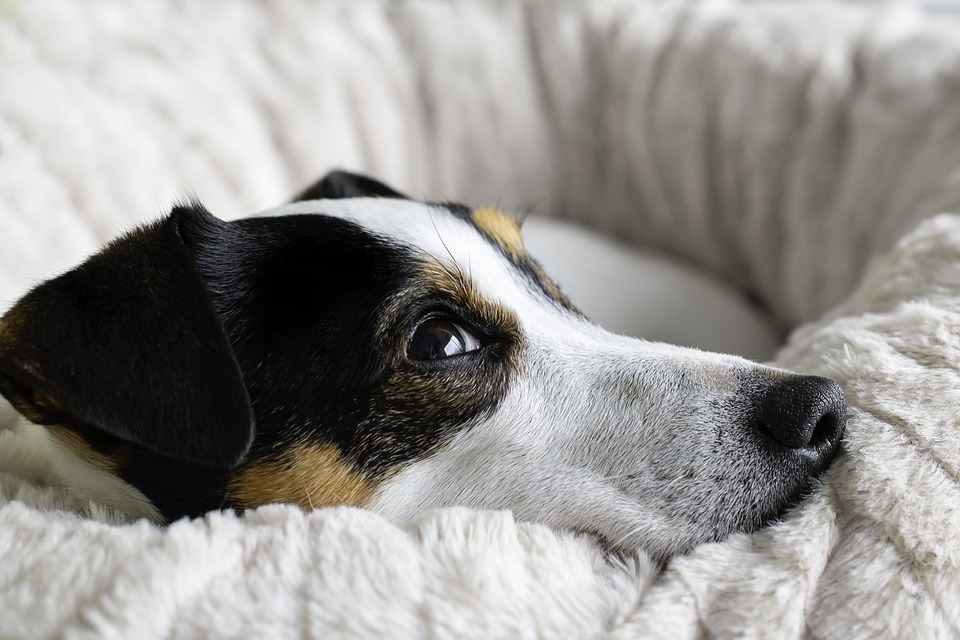
A dedicated sleeping area is one of the most important things you can provide for your dog.
Dogs spend a significant portion of their day resting, so their bed should be comfortable, appropriately sized, and positioned somewhere they feel secure.
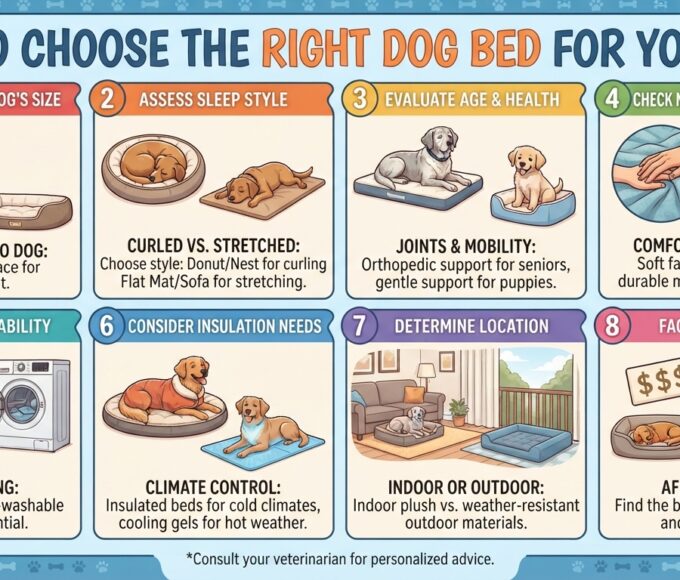
When choosing a bed, consider your dog’s:
- Size and sleeping position
- Age
- Activity level
- Coat type
- Mobility
- Preference for firm or soft surfaces
- Tendency to chew or dig
A young dog may enjoy a durable, washable bed, while an older dog may benefit from a supportive orthopedic-style mattress.
Some dogs also like having a blanket nearby. A washable fleece or lightweight throw can provide additional comfort, particularly in cooler weather.
Create a dedicated rest area
Place the bed somewhere away from heavy foot traffic but still close enough for your dog to feel included.
If your dog prefers peace and quiet, a corner of the bedroom or living room may work well. If they like watching household activity, a more central location might be better.
The best sleeping area is one your dog voluntarily chooses to use.
2. Add Interactive Toys for Mental Stimulation
A home can have plenty of toys and still be boring for a dog.
The difference is often how the toys are used.
Interactive toys encourage dogs to think, investigate, manipulate objects, or work toward a reward. Puzzle feeders, treat-dispensing toys, snuffle mats, and appropriately designed food toys can turn ordinary downtime into an enrichment opportunity.
Try rotating your dog’s toys
You don’t have to leave every toy on the floor all day.
Keep some toys stored away and rotate them regularly. Familiar toys may become interesting again when they haven’t been available for several days.
Always supervise your dog with new toys and remove anything that becomes damaged or develops pieces that could be swallowed.
3. Set Up a Practical Feeding Station
A dedicated feeding area can make your home cleaner and your dog’s routine more consistent.
Choose food and water bowls that are:
- Appropriate for your dog’s size
- Stable enough not to slide easily
- Easy to wash
- Made from pet-appropriate materials
- Large enough to use comfortably
Stainless-steel bowls are popular because they are durable and generally straightforward to clean.
Elevated bowls are sometimes useful for individual dogs, but they aren’t automatically better for every dog. If you’re considering an elevated feeding setup because of your dog’s age, mobility, or a medical issue, ask your veterinarian whether it is appropriate.
Don’t forget the water
Fresh drinking water should be readily available.
A non-slip mat underneath the bowls can also help protect your flooring from spills.
4. Create a Home Grooming Station
You don’t necessarily need a professional grooming room to keep your dog’s grooming supplies organized.
A small basket, cabinet, or storage box can hold essentials such as:
- Brushes
- Combs
- Nail clippers or grinders
- Dog-safe shampoo
- Towels
- Ear-cleaning supplies recommended by your veterinarian
- Toothbrush and pet-safe toothpaste
- Grooming wipes
Keeping everything together makes it easier to maintain a regular routine.
Grooming should be comfortable
Introduce grooming gradually, particularly if your dog is nervous about brushing, nail trimming, bathing, or handling.
Reward calm behavior and keep sessions manageable.
If your dog becomes extremely distressed or difficult to handle safely, professional grooming or veterinary guidance may be appropriate.
5. Make Your Furniture Dog-Friendly
Sharing the sofa with your dog can be one of the nicest parts of having a pet—but it can also create plenty of fur, dirt, and scratches.
You don’t necessarily have to ban your dog from the furniture.
Instead, consider using washable throws, couch covers, or a dedicated pet blanket.
These accessories can create a clear area where your dog is welcome while making cleanup considerably easier.
Look for washable materials
When shopping for dog-friendly furniture accessories, consider:
- Machine-washable covers
- Durable fabrics
- Hair-resistant materials
- Easy-to-clean surfaces
- Stain-resistant options
- Non-slip backing for rugs
A practical home doesn’t have to look like a pet store. Many modern pet accessories are designed to blend into normal home décor.
6. Use Gates and Barriers for Safety
Sometimes the best dog accessory isn’t something your dog plays with—it’s something that prevents them from entering an unsafe area.
A sturdy pet gate can help manage access to:
- Kitchens
- Stairways
- Bedrooms
- Home offices
- Storage rooms
- Garages
- Areas containing cleaning products
Gates can be particularly useful when bringing home a puppy or when your dog needs temporary restrictions because of injury or recovery.
A playpen may also be useful in certain situations, provided it is appropriately sized and used as a safe management tool rather than prolonged confinement.
7. Build a Dedicated Toy and Accessory Storage Area
Dogs can accumulate an impressive collection of belongings.
Leashes, collars, toys, treats, grooming tools, food, blankets, and travel supplies can quickly take over your home if they don’t have designated storage.
Consider creating a small “dog station.”
A storage basket near the entrance could contain:
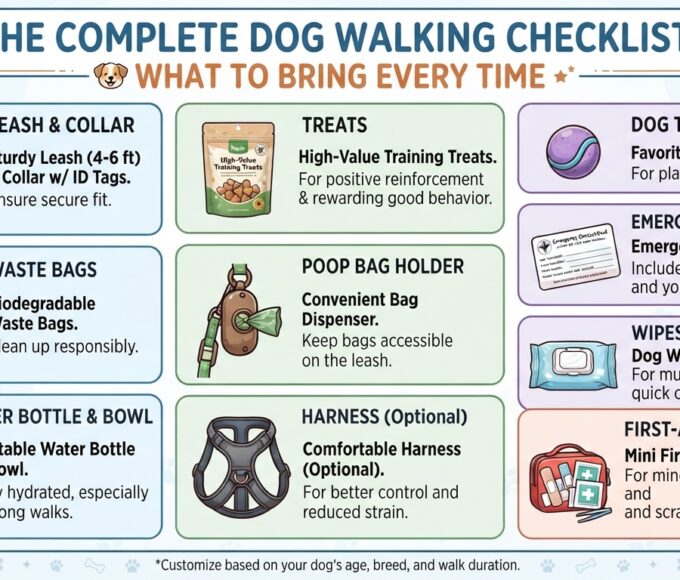
- Leash
- Harness
- Collar
- Waste bags
- Treat pouch
- Towel
- Outdoor toys
Meanwhile, food and treats should be stored securely and appropriately.
This simple organization can make daily walks and feeding routines much easier.
8. Add a Comfortable Place Near the Window
Many dogs enjoy watching the world outside.
If your dog likes looking through windows, consider placing a comfortable bed or mat in a safe location where they can observe the surroundings.
They may enjoy watching:
- People walking by
- Birds
- Cars
- Other animals
- Changes in weather
However, make sure the setup is secure. Windows should not provide an escape route, and furniture shouldn’t allow a dog to access dangerous heights.
For dogs that become overly reactive to outside activity, a window-view setup may actually increase barking or anxiety. In that case, a quieter location could be more appropriate.
9. Make Play Areas Safe and Interesting
If you have enough space, create a small area specifically for play.
It doesn’t need to be an entire room.
Even part of a living room can become a useful enrichment zone with a few carefully selected toys.
You can include:
- Tug toys
- Fetch toys
- Puzzle feeders
- Snuffle mats
- Chew items appropriate for your dog
- Training treats
- A comfortable mat
Keep pathways clear so your dog can move around safely.
For outdoor spaces, check fencing regularly and remove potentially dangerous objects, toxic plants, sharp debris, and chemicals.
10. Add Travel Accessories to Your Home Setup
Even if your dog spends most of their time at home, keeping travel equipment organized can be extremely useful.
A dedicated travel box or shelf can hold:
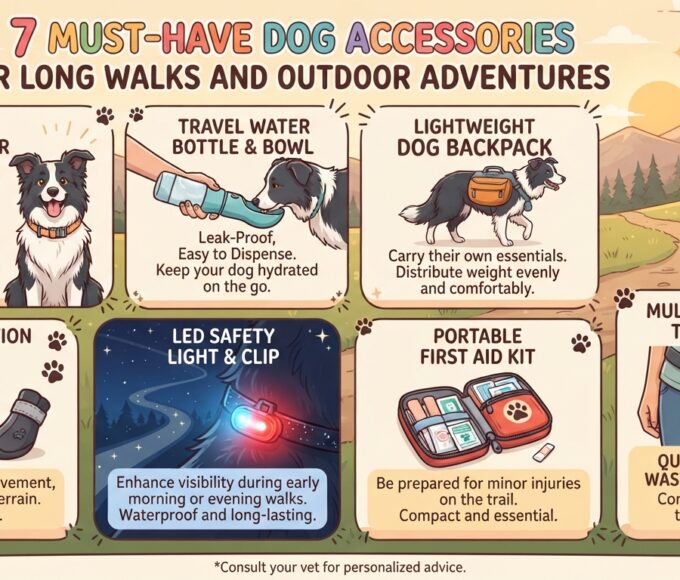
- Collapsible food and water bowls
- Spare leash
- Harness
- Waste bags
- Towels
- Portable water container
- Treats
- Identification information
- First-aid supplies
- Favorite travel toy
- Car restraint or carrier
Having these items ready can make trips to the veterinarian, park, groomer, or vacation destination much less stressful.
Don’t Forget Dog-Proofing
Accessories are only one part of creating a dog-friendly home.
Safety should come first.
Dogs can investigate their surroundings with their mouths, paws, noses, and surprisingly creative problem-solving skills. Items that seem harmless to humans can sometimes create serious risks.
Look around your home from your dog’s perspective.
Secure electrical cords
Use cord management systems to keep cables away from curious mouths.
Store chemicals safely
Cleaning products, medications, pesticides, and other potentially dangerous substances should be kept securely out of reach.
Watch small objects
Coins, batteries, children’s toys, socks, and other small objects can become choking or swallowing hazards.
Review your plants
Some plants can be harmful to dogs. Research plants before bringing them into a home shared with pets.
Secure food
Keep foods that are unsafe for dogs away from accessible countertops and cabinets.
Choose Accessories Based on Your Dog’s Personality
The most expensive accessory isn’t necessarily the most useful one.
Your dog’s individual preferences should guide your choices.
A food-motivated dog may love puzzle feeders.
A retriever may prefer fetch toys.
A scent-driven dog might get more enjoyment from sniffing games.
A senior dog may value a supportive bed more than another collection of toys.
A dog that enjoys quiet spaces may appreciate a dedicated retreat.
Before buying something, ask:
Will this actually improve my dog’s daily life?
That’s a better question than simply asking whether the accessory is trendy.
Essential Dog Accessories at a Glance
| Accessory | Main Purpose |
|---|---|
| Comfortable bed | Rest and sleep |
| Washable blanket | Warmth and comfort |
| Interactive toys | Mental stimulation |
| Puzzle feeder | Enrichment and slower eating |
| Food and water bowls | Daily feeding |
| Grooming supplies | Coat, nail, and hygiene care |
| Harness and leash | Safe walks |
| ID tag | Identification |
| Pet gate | Home safety |
| Toy storage | Organization |
| Washable furniture cover | Easier cleaning |
| Travel carrier/restraint | Safer transportation |
| Dog-safe dental supplies | Oral hygiene |
| First-aid supplies | Basic emergency preparedness |
How to Create a Dog Paradise in a Small Apartment
You don’t need a large house to create a wonderful environment for your dog.
In a smaller home, focus on quality rather than quantity.
Use vertical or compact storage to keep accessories organized. Choose a bed that fits comfortably without blocking walkways, and use puzzle toys or scent games to provide enrichment without requiring a large play area.
Daily outdoor walks and appropriate activities can supplement what is possible indoors.
Most importantly, remember that square footage isn’t the only measure of quality of life. A smaller home can work very well when the dog’s exercise, social, training, resting, and enrichment needs are consistently met.
Keeping Your Home Clean With a Dog
A pet-friendly home doesn’t have to be messy.
A few habits can make maintenance easier:
- Keep washable blankets on favorite furniture.
- Store grooming tools where they’re easy to reach.
- Brush your dog according to their coat and grooming needs.
- Keep towels near entrances for muddy paws.
- Use washable mats beneath food and water bowls.
- Vacuum regularly.
- Clean toys according to their material and condition.
- Wash bedding regularly.
- Keep food stored in a secure container.
- Clean accidents promptly with an appropriate pet-safe cleaner.
A consistent routine is usually easier than waiting until everything becomes overwhelming.
Accessories Should Support, Not Replace, Your Time Together
The best dog paradise isn’t filled with expensive gadgets.
Your dog still needs interaction with you.
Walks, training, play, sniffing opportunities, affection, exploration, and quiet companionship are all important parts of a fulfilling life.
A puzzle toy can provide enrichment, but it shouldn’t replace regular interaction.
A comfortable bed can encourage good rest, but it can’t replace appropriate exercise.
A pet camera can help you monitor your dog, but it doesn’t substitute for addressing genuine separation-related problems.
Think of accessories as tools that support good care, not replacements for attention and companionship.
Frequently Asked Questions
What are the most important accessories for a dog?
The essentials usually include a comfortable sleeping area, suitable food and water bowls, a collar or harness, leash, identification, appropriate toys, grooming supplies, and basic safety equipment.
The exact list depends on your dog’s age, size, health, coat, lifestyle, and individual preferences.
How can I make my house safer for my dog?
Start by securing medications, cleaning products, chemicals, electrical cords, small objects, unsafe foods, and potentially harmful plants. Use gates or barriers where necessary and regularly check your home for new hazards.
Does my dog need lots of toys?
Not necessarily. A smaller collection of safe, appropriate toys can be more useful than a huge pile. Rotate toys and provide different types of enrichment, including play, training, sniffing, and food puzzles.
Should I buy an elevated dog bowl?
Elevated bowls aren’t automatically necessary for every dog. If you’re considering one because of your dog’s health, mobility, or eating habits, discuss the choice with your veterinarian.
How can I protect my sofa from dog hair?
Washable furniture covers, blankets, regular grooming, and frequent cleaning can help. You can also teach your dog to use a designated blanket or bed when appropriate.
How do I make a small home comfortable for a dog?
Give your dog a dedicated resting area, provide daily exercise outside the home, use interactive enrichment indoors, organize their belongings, and make sure the environment is safe. A small home can still be highly enriching when the dog’s needs are met.
Final Thoughts
Transforming your home into a dog-friendly paradise isn’t about buying every accessory available.
It’s about understanding what your dog actually needs.
A comfortable place to sleep, safe toys, fresh water, appropriate grooming supplies, secure walking equipment, and thoughtful home organization can make everyday life more comfortable. Add regular exercise, training, play, companionship, and mental enrichment, and your home can become a place where your dog feels both safe and genuinely engaged.
Whether you live in a large house or a small apartment, the formula is simple: make the environment safe, provide opportunities to rest and explore, and choose accessories that suit your individual dog’s needs.
The best pet-friendly home isn’t necessarily the most expensive one. It’s the one where your dog can comfortably be part of the family.






Leave a comment