



Dogs are social animals, and while some are perfectly comfortable spending time alone, others may struggle when they don’t get enough companionship, activity, or mental stimulation.
Loneliness can sometimes look like boredom, anxiety, or even a change in personality. That’s why paying attention to your dog’s normal behavior is important.
If you’ve noticed that your dog has started acting differently, look for patterns rather than assuming loneliness is the only explanation. Behavioral changes can have many causes, including medical problems, stress, changes at home, or separation-related anxiety.
Here are some common signs your dog may be lonely and practical ways you can help.
7 Signs Your Dog May Be Lonely
Every dog is different, so loneliness won’t necessarily look the same in every pup. A sudden or persistent change from your dog’s usual behavior deserves attention.
1. Destructive Behavior
Does your dog suddenly chew furniture, scratch doors, dig at carpets, or get into things they normally ignore?
Boredom and a lack of stimulation can contribute to destructive behavior, particularly when a dog spends long periods alone.
However, destructive behavior can also be associated with anxiety, insufficient exercise, teething, or other behavioral issues. Look at when and where it happens to better understand the pattern.
2. Sleeping or Withdrawing More Than Usual
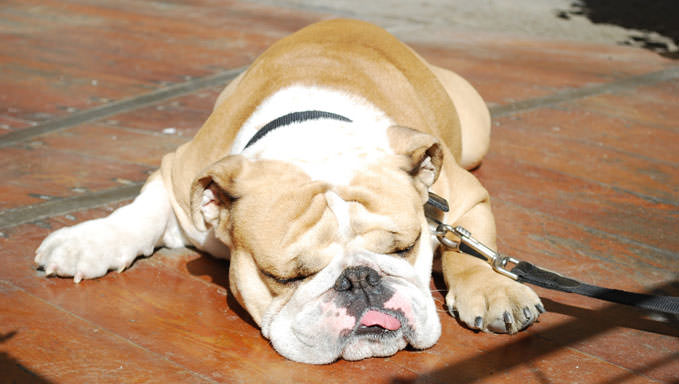
Dogs naturally sleep a lot, but a noticeable change in your dog’s normal routine can be worth watching.
A lonely or understimulated dog may spend more time lying around, show less interest in toys, or avoid interaction.
If your dog suddenly becomes unusually withdrawn or lethargic, don’t automatically assume loneliness is responsible. Health problems can also cause changes in energy and behavior, so a veterinarian should evaluate significant or persistent changes.
3. Changes in Appetite
Some dogs may eat differently when they’re stressed or experiencing changes in their environment.
A dog that suddenly loses interest in food, eats considerably less, or develops unusual eating habits may be experiencing emotional stress—but appetite changes can also indicate illness.
If your dog’s appetite changes noticeably or continues for more than a short period, contact your veterinarian.
4. Excessive Barking, Whining, or Howling
Vocalization is one way dogs communicate.
If your dog frequently barks, whines, or howls when left alone, they may be bored, frustrated, anxious, or distressed.
If possible, use a pet camera or another safe way to observe what happens after you leave. Knowing whether the behavior starts immediately or after a period of time can provide useful information.
5. Pacing or Restlessness
A dog that can’t seem to settle may walk around the house, circle repeatedly, change sleeping locations, or pace near doors and windows.
This can happen when a dog is bored or anticipating your departure, but pacing can also be linked to anxiety, discomfort, or medical problems.
Pay attention to other symptoms and consider speaking with your veterinarian if the behavior is new or persistent.
6. Becoming More Clingy
Some dogs become particularly attached to their people when they aren’t getting enough companionship.
You might notice your dog following you from room to room, constantly seeking attention, or becoming unusually distressed when you move away.
A sudden increase in clinginess can have several causes, including changes in routine, stress, aging, or separation-related problems. Consider what else has changed in your dog’s environment.
7. Accidents in the House
If your previously house-trained dog suddenly starts having accidents indoors, particularly when left alone, it may indicate stress or separation-related distress.
However, urinary or digestive problems can also cause accidents.
Never assume a house-trained dog is simply misbehaving. A veterinary check can help rule out medical causes before focusing on behavioral solutions.
What Can Make a Dog Feel Lonely?
Several changes in a dog’s environment or daily routine can contribute to loneliness or boredom.
Spending Too Much Time Alone
Dogs that regularly spend long periods without interaction may have fewer opportunities for exercise, play, training, and companionship.
This doesn’t mean every dog needs constant attention. Some dogs are comfortable relaxing independently, while others need considerably more interaction.
Not Getting Enough Mental Stimulation
Physical exercise is important, but dogs also need opportunities to use their brains.
Without enough enrichment, a dog may become bored and look for their own entertainment.
Food puzzles, scent games, training exercises, interactive toys, and supervised exploration can all provide mental stimulation.
Changes in Routine
Dogs often benefit from predictable routines.
A new work schedule, moving house, changing school or work hours, or other major lifestyle changes can affect how much time you spend with your dog.
Even positive changes can require an adjustment period.
Losing a Companion
Dogs can form strong relationships with humans and other animals. Losing a family member or another pet may result in noticeable behavioral changes.
Your dog may sleep more, eat differently, become quieter, or seek additional attention.
Give them time to adjust and speak with your veterinarian if the changes are significant or persistent.
Limited Social Opportunities
Some dogs enjoy interacting with other dogs, while others prefer people or simply enjoy their own space.
The key is to understand your dog’s personality rather than assuming every dog needs frequent dog-to-dog interaction.
How to Help a Lonely Dog
If you think your dog needs more companionship or stimulation, there are several things you can try.
Spend More Quality Time Together
You don’t have to spend every waking hour with your dog.
Instead, make the time you do spend together more meaningful. Try playing a game, practicing training exercises, going for a walk, or simply relaxing together.
Even a few focused minutes of interaction can become an important part of your dog’s daily routine.
Increase Physical Activity
Appropriate exercise can help your dog use excess energy and provide opportunities to explore.
Depending on your dog’s needs, activities could include:
- Daily walks
- Gentle games of fetch
- Backyard play
- Scent games
- Hiking
- Training walks
- Interactive toys
- Supervised play with compatible dogs
Increase activity gradually, especially if your dog has been inactive.
Add More Mental Enrichment
Mental stimulation can be just as valuable as physical exercise.
Try rotating different enrichment activities instead of giving your dog the same toy every day.
You could introduce:
- Snuffle mats
- Treat puzzles
- Food-dispensing toys
- Hide-and-seek games
- Scent trails
- Short training sessions
- “Find it” games
Create a Comfortable Space
If your dog needs to spend time alone, make their environment comfortable and familiar.
Provide a quiet area with their bed, safe toys, and access to fresh water.
Some dogs prefer a crate or enclosed resting area, while others are more comfortable with access to a larger part of the home.
Keep Departures and Arrivals Calm
If your dog becomes anxious whenever you leave, avoid making departures and arrivals overly dramatic.
Practice calm routines around leaving and returning home. For dogs experiencing significant separation anxiety, gradual behavior modification with professional guidance may be necessary.
Maintain a Predictable Routine
Try to keep important parts of your dog’s day relatively consistent.
Regular meal times, walks, play sessions, training, and rest periods can make daily life more predictable.
A routine can be particularly helpful when your household schedule has recently changed.
Should You Get Another Dog to Help With Loneliness?
Getting another dog isn’t automatically the solution to loneliness.
Some dogs enjoy having a canine companion, while others may become stressed by sharing their home.
Before bringing another dog into the family, consider your current dog’s personality, age, energy level, social preferences, and ability to adapt to another animal.
Supervised playdates with compatible dogs can be a lower-commitment way to determine whether your dog enjoys canine companionship.
When Should You Talk to a Veterinarian?
Behavior changes shouldn’t always be attributed to loneliness.
Contact your veterinarian if your dog develops sudden or persistent changes such as:
- Loss of appetite
- Significant lethargy
- Sudden house-soiling
- Excessive vocalization
- Repetitive pacing
- Aggression
- Severe anxiety
- Changes in sleep
- Unusual withdrawal
A veterinarian can help determine whether an underlying medical issue could be contributing to the behavior.
For separation-related problems, a qualified veterinary behaviorist or experienced positive-reinforcement trainer may also be helpful.
Frequently Asked Questions
How can I tell if my dog is lonely?
Possible signs include destructive behavior, increased vocalization, withdrawal, unusual clinginess, restlessness, changes in appetite, and house-soiling. However, these behaviors can have other causes, so look for changes from your dog’s normal behavior.
Do dogs get lonely when left alone?
Some dogs are comfortable spending time alone, while others struggle with extended periods without companionship or stimulation. Your dog’s age, personality, routine, and previous experiences can all influence how they respond.
Does my dog need another dog?
Not necessarily. Some dogs love canine companionship, while others prefer humans or enjoy spending time independently. Consider your dog’s individual personality before introducing another pet.
What can I do if my dog is bored at home?
Try scent games, food puzzles, interactive toys, short training sessions, indoor enrichment, and age-appropriate exercise. Rotating activities can also help keep their routine interesting.
Is loneliness the same as separation anxiety?
No. Loneliness generally refers to a lack of companionship or stimulation, while separation anxiety involves significant distress related to being separated from an attachment figure. The behaviors can overlap, so professional guidance may be useful when symptoms are severe.
Final Thoughts
Understanding your dog’s normal behavior is one of the best ways to notice when something has changed.
If your dog seems bored, withdrawn, unusually clingy, or restless, consider whether they need more exercise, mental stimulation, social interaction, or quality time with you. At the same time, remember that behavioral changes can have medical or anxiety-related causes.
A balanced routine that includes exercise, enrichment, rest, training, and positive social experiences can help support your dog’s overall well-being.
Most importantly, focus on what makes your individual dog comfortable and happy. Some dogs want lots of social interaction, while others are perfectly content with a quieter routine and plenty of time with their favorite person.








Leave a comment