



For senior dogs, finding a new home can be especially difficult. Many people looking to adopt naturally focus on younger animals, while older dogs may be overlooked despite having just as much love to give.
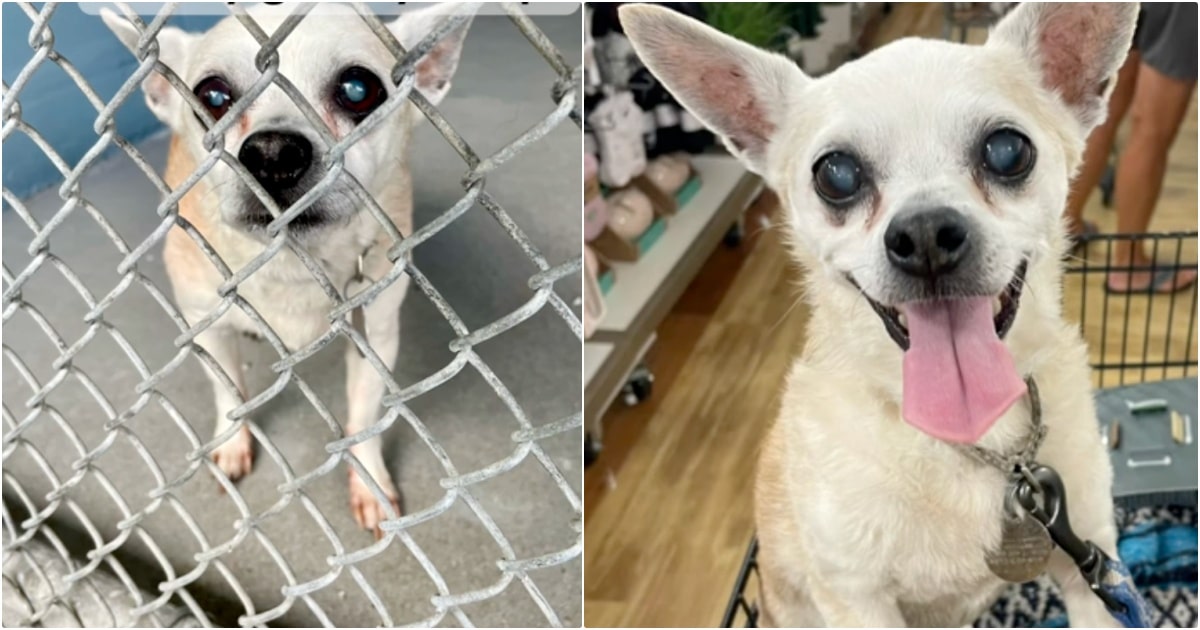
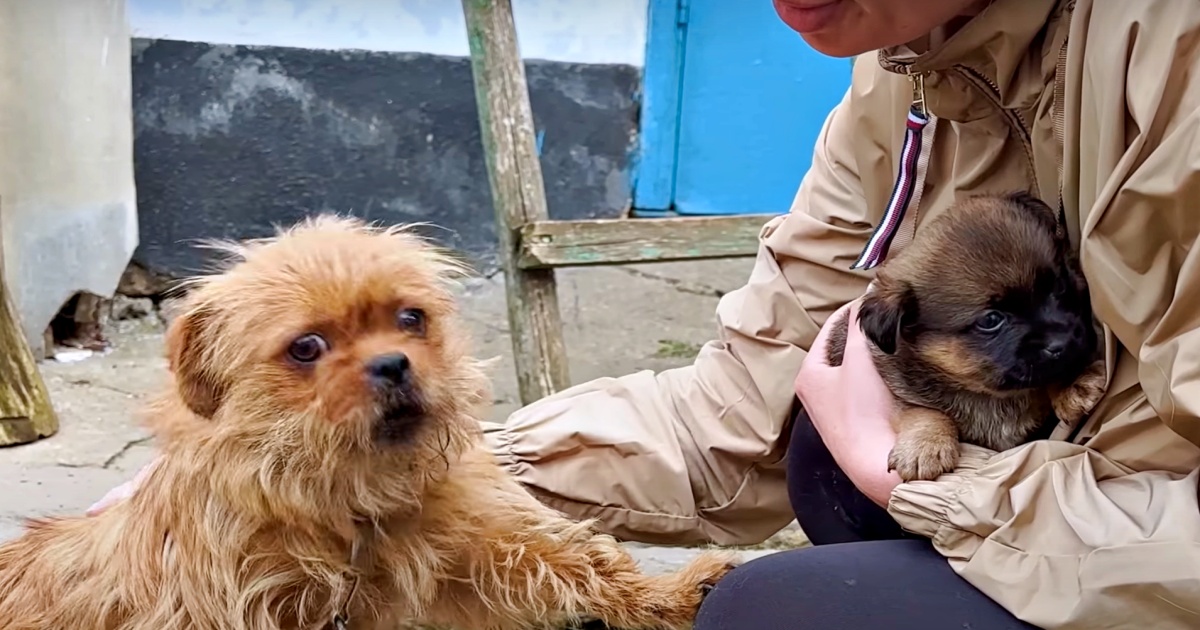
That was the heartbreaking situation faced by an 18-year-old Chihuahua named Benji.
After being surrendered by his previous family, Benji found himself in a shelter at an age when many people might assume a dog has little time left. His cloudy eyes reflected his advanced age, but his story was far from over.
Then Emi Wright saw his story.
Instead of looking at Benji’s age and deciding that adoption was not worthwhile, Emi chose to give him a home. She knew that his time might be limited, but she also believed that whatever time remained could still be meaningful.
And Benji’s final chapter turned out to be much longer—and happier—than anyone expected.
Benji Was Already 18 When His Life Changed
When Benji arrived at the shelter, he was already a very old dog.
At 18 years old, the Chihuahua was considered a hospice case, meaning his new caregiver understood that the focus would likely be on comfort and quality of life rather than expecting many more years together.
Senior dogs often face significant barriers to adoption. Potential adopters may worry about veterinary expenses, mobility problems, medications, or the emotional difficulty of eventually saying goodbye.
For Benji, his age made the situation even more challenging.
But Emi wasn’t looking only at how much time he had left.
She was thinking about how that time could be spent.
Emi Decided to Give Him a Chance
After learning about Benji, Emi decided to bring him home.
It was a decision based on compassion rather than the expectation of a long future together.
Instead of allowing Benji’s age to define his remaining life, she gave him the opportunity to experience something every dog should have: a safe home, affection, comfort, and someone who cared about him.
For an elderly dog coming from a shelter environment, even simple things can become meaningful.
A comfortable bed.
A quiet home.
Regular meals.
Gentle attention.
A familiar person nearby.
These everyday experiences can make a tremendous difference to a senior pet.
Benji Had More Time Than Anyone Expected
Although Emi understood that Benji was a hospice dog, the elderly Chihuahua surprised everyone.
Rather than having only a few days or weeks together, Benji continued enjoying life through the seasons.
He made it through the summer.
Then came Halloween.
Then Christmas.
And eventually, Benji celebrated his 19th birthday.
Every milestone became something worth celebrating.
For a dog whose story could have ended in a shelter kennel, reaching another birthday surrounded by someone who loved him was extraordinary.
His Age Didn’t Stop Him From Enjoying Life
Benji’s advanced age was visible, particularly in his cataract-clouded eyes, but his personality remained.
Emi documented moments from their time together, showing Benji enjoying the experiences that made his final months special.
The celebrations didn’t have to be extravagant.
For a senior dog, happiness can come from the simplest things:
- A comfortable place to sleep
- Gentle cuddles
- Favorite foods approved for his needs
- Quiet time with his person
- Safe outdoor experiences
- Celebrating special occasions
- Being included in everyday family life
- Knowing that someone is there
The important part was that Benji was no longer spending his final chapter wondering where he belonged.
He had a home.
Giving a Senior Dog a Second Chance
Stories like Benji’s highlight an important reality about senior pets: adoption doesn’t have to mean committing to decades together for the relationship to be valuable.
Sometimes a person adopts an elderly animal knowing that their time together may be short.
That doesn’t make the relationship less meaningful.
In fact, senior-dog adoption can give an animal something particularly important—security during a vulnerable stage of life.
Older dogs may also have advantages that some adopters appreciate. Many senior dogs have established personalities, and some are more settled than young puppies. Their needs still vary greatly, however, and prospective adopters should understand their medical, mobility, and behavioral requirements.
Saying Goodbye Eventually Became Part of Their Story
Eventually, Benji’s age caught up with him.
After the extra months and special milestones, the time came for Emi to say goodbye to the little dog she had welcomed into her life.
She later shared the heartbreaking news of his passing, describing the enormous space he had left behind in their hearts.
It was a painful ending, but Benji’s story was no longer one of abandonment.
His final memories were connected to a person who had chosen him when he was at his most vulnerable.
Benji’s Story Touched Thousands of People
Emi’s story about Benji was shared on social media, where it resonated with many viewers.
People responded with messages thanking her for giving the elderly Chihuahua another chance.
For many commenters, the emotional impact came from the contrast between how Benji’s story could have ended and what actually happened.
He could have spent his remaining time in a shelter.
Instead, he experienced life in a home.
He celebrated holidays.
He reached another birthday.
And he had someone beside him who cared deeply about his well-being.
The story reminded many people that an animal’s age does not determine whether they deserve love.
What Senior Dogs Need Most
Benji’s story also offers an important lesson for anyone considering adopting an older dog.
Senior dogs may require additional care, but their needs aren’t necessarily complicated. What matters is understanding the individual animal and adapting care to their health.
Depending on the dog, senior care may include:
Comfortable Resting Areas
Older dogs may benefit from soft, supportive bedding placed somewhere quiet and easy to access.
Dogs with arthritis or mobility difficulties may have trouble getting onto high furniture or navigating slippery floors.
Regular Veterinary Care
Senior dogs generally benefit from appropriate veterinary monitoring. Changes in appetite, drinking, mobility, breathing, bathroom habits, or behavior shouldn’t automatically be dismissed as “just old age.”
Gentle Activity
Older dogs may still enjoy walks and outdoor time, but their exercise should match their physical abilities.
Shorter walks, gentle exploration, and mental enrichment can be valuable alternatives when long or strenuous exercise becomes difficult.
Consistent Routines
A predictable daily routine can help an older dog feel secure.
Regular meal times, bathroom breaks, rest periods, and familiar surroundings can make everyday life easier.
Plenty of Affection
Perhaps most importantly, senior dogs still need companionship.
Aging doesn’t eliminate their need for attention, affection, play, or inclusion in family life.
Senior Dogs Still Have Plenty of Love to Give
One of the biggest misconceptions about adopting an older dog is that their age makes the relationship less worthwhile.
Benji’s story shows another perspective.
The length of a relationship isn’t the only thing that matters.
A few months can contain countless meaningful moments. A single year can include birthdays, holidays, adventures, quiet evenings, and memories that stay with a person for much longer.
For Benji, those final months became an opportunity to experience something he desperately needed: belonging.
The Importance of Quality of Life
When caring for an elderly dog, the goal isn’t necessarily to extend life at any cost. Quality of life becomes an especially important consideration.
Caregivers can work with veterinarians to monitor factors such as:
- Appetite and hydration
- Pain and comfort
- Mobility
- Sleep
- Interest in favorite activities
- Ability to interact with family
- Bathroom habits
- Signs of anxiety or distress
- Good days compared with difficult days
A veterinarian can help families understand changes associated with aging and discuss appropriate supportive care.
For hospice or end-of-life situations, veterinary guidance can help ensure that decisions remain focused on the animal’s comfort and welfare.
You Don’t Have to Adopt a Senior Dog to Help One
Not everyone is in a position to adopt an elderly dog.
That’s okay.
There are other ways to support senior animals in shelters and rescues.
People can consider:
- Fostering an older dog.
- Donating toward veterinary care.
- Providing food or bedding to shelters.
- Volunteering to walk senior dogs.
- Sharing adoption profiles.
- Helping transport animals to veterinary appointments.
- Encouraging friends and family to consider senior pets.
Even helping one elderly dog receive more attention can make a difference.
What Benji’s Story Teaches Us
Benji’s story isn’t simply about an 18-year-old Chihuahua being adopted.
It’s about what happens when someone looks beyond an animal’s age and sees the individual underneath.
Emi knew that adopting Benji might eventually mean heartbreak. She also understood that leaving him without a home would mean he might spend his final days without the comfort and companionship he deserved.
She chose to give him those things anyway.
And Benji surprised her by staying around long enough to experience an additional summer, Halloween, Christmas, and his 19th birthday.
Those moments may seem small from the outside.
For Benji, they were his life.
Frequently Asked Questions
Is adopting a senior dog a good option?
A senior dog can be a wonderful companion for the right household. However, prospective adopters should be prepared for potentially greater veterinary and care needs and should choose an animal whose needs fit their lifestyle.
Do older dogs still enjoy activities?
Absolutely. Senior dogs may continue enjoying walks, sniffing, gentle play, food puzzles, affection, and time with their families. Activities may simply need to be adjusted according to their mobility and health.
What should I consider before adopting an elderly dog?
Consider veterinary expenses, medication needs, mobility, grooming, diet, sleeping arrangements, and the amount of time you can provide. A shelter or rescue organization can often explain what they know about the dog’s health and personality.
Can senior dogs adjust to a new home?
Many can. The adjustment period varies from one dog to another. A calm environment, predictable routine, patience, and positive interactions can help an older dog settle into a new home.
How can I make an elderly dog’s final days comfortable?
Work with a veterinarian to manage health and pain concerns, provide comfortable bedding, maintain an appropriate routine, offer gentle companionship, and pay attention to changes in quality of life.
Final Thoughts
Benji entered the shelter at 18 years old, an age when finding a new home could easily have seemed unlikely.
But Emi chose not to let his age determine the value of his remaining life.
She gave him a home, companionship, comfort, and reasons to celebrate. Instead of spending his final chapter alone, Benji experienced months filled with the simple pleasures of being someone’s beloved dog.
His story is a reminder that senior animals are not defined by the number of years behind them. They can still form deep bonds, enjoy new experiences, and bring enormous meaning into the lives of the people who care for them.
Sometimes, giving a dog a second chance doesn’t mean giving them many more years.
Sometimes, it means making the time they have left truly feel like home.







Leave a comment