





Spring is a great time to get outside and refresh your dog’s daily routine. With longer days, fresh air, and more comfortable temperatures, there are plenty of opportunities to add movement, play, and mental stimulation to your pup’s schedule.
Regular activity isn’t just about helping your dog stay physically fit. Exercise can support healthy muscles and weight while giving your dog opportunities to explore, learn, socialize, and burn off excess energy.
Whether your dog loves running around the yard or prefers solving food puzzles indoors, these spring activities can help keep them happy, engaged, and active.
1. Set Up an Outdoor Obstacle Course
You don’t need expensive agility equipment to create an entertaining obstacle course for your dog. A few safe household items can turn your backyard into a fun activity area.
Use cones, cardboard boxes, cushions, or other sturdy objects to create a simple course. Encourage your dog to walk around, between, or over appropriate obstacles.
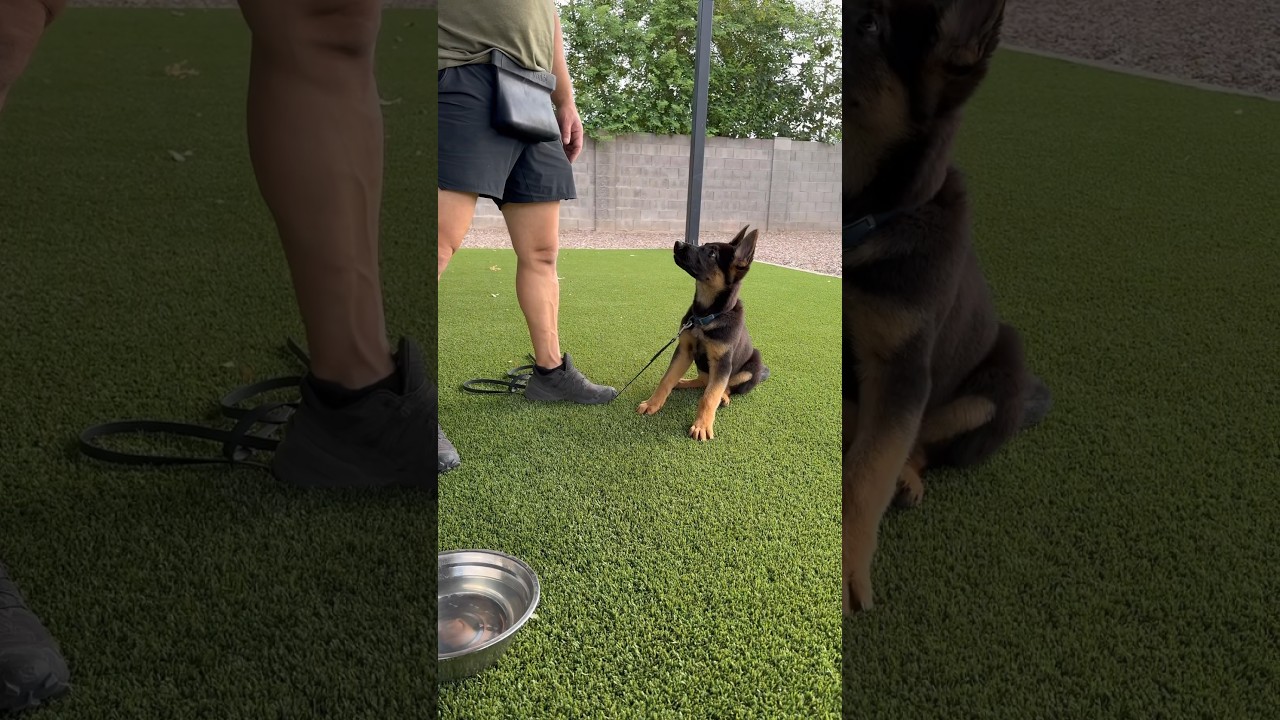
You can also add short training checkpoints throughout the course. Ask your dog to sit, stay, touch your hand, or perform another familiar cue before moving to the next section.
This combination of movement and training gives your dog both physical exercise and mental stimulation.
Safety tip: Make sure every obstacle is stable and appropriate for your dog’s size and physical abilities. Avoid anything sharp, slippery, unstable, or difficult for your dog to navigate safely.
2. Play Hide-and-Seek With Treats or Toys
Turn your backyard into a simple treasure hunt by hiding your dog’s favorite toy or a few treats in safe locations.
Start with easy hiding spots so your dog can understand the game. Once they get the idea, you can gradually make the search more challenging.
Encourage your pup to use their nose and explore the area rather than simply running from one place to another.
This activity can help provide:
- Physical movement
- Mental stimulation
- Problem-solving practice
- Natural sniffing opportunities
- A fun change from the usual routine
If your dog is new to scent games, keep the hiding places simple and reward them when they successfully find the item.
3. Arrange a Playdate With a Familiar Dog
Many dogs enjoy spending time with canine companions. A supervised playdate can give your dog an opportunity to exercise while practicing appropriate social interaction.
Choose a dog your pup already knows and is comfortable around whenever possible. Matching dogs with similar energy levels and compatible play styles can make the experience more enjoyable for everyone.
You can let them run, chase toys, explore, or simply interact at their own pace.
Remember that not every dog enjoys playing with unfamiliar dogs. Watch their body language and allow plenty of breaks. If either dog appears uncomfortable, overwhelmed, or overly tired, give them space to relax.
4. Explore a Dog-Friendly Adventure
Spring is an excellent season for exploring places your dog hasn’t visited before.
Consider taking your pup to a dog-friendly walking trail, open outdoor area, or another pet-friendly destination. New surroundings provide more than physical exercise—they also expose your dog to unfamiliar sights, sounds, and smells.
A change of scenery can make an ordinary walk feel like a completely new adventure.
When choosing a destination, consider your dog’s fitness level, age, weather conditions, and comfort around people and other animals.
Keep your dog on a leash where required and bring essentials such as:
- Fresh drinking water
- A portable bowl
- Waste bags
- Treats
- A leash and properly fitted collar or harness
- Any medications your dog may need
5. Make Rainy Days More Interesting Indoors
Spring weather isn’t always predictable. When rain keeps you inside, your dog can still get plenty of mental and physical stimulation.
Try creating a small indoor obstacle course using safe household furniture. You can guide your dog around chairs, through open spaces, or between designated points.
Food-based enrichment is another great option. Consider using:
- Snuffle mats
- Treat-dispensing toys
- Interactive food puzzles
- Frozen enrichment treats
- Simple scent games
If you have enough safe floor space, you can also play a gentle game of fetch with a soft toy.
Indoor activities don’t have to replace every outdoor walk, but they can help prevent boredom when bad weather limits outdoor exercise.
6. Add Short Training Sessions to Your Routine
Exercise doesn’t always have to involve running or long walks. Training can provide valuable mental stimulation while encouraging your dog to move and focus.
Spend a few minutes each day practicing skills your dog already knows or introducing simple new behaviors.
For example, you could practice:
- Sit and stay
- Recall
- Touch
- Leave it
- Place
- Spin
- Find it
- Walking politely on a leash
Keep sessions short and positive. Reward desirable behavior with praise, play, or small treats.
For many dogs, a few minutes of focused training can be surprisingly tiring because they’re using their brain as well as their body.
7. Build More Activity Into Everyday Walks
You don’t necessarily need to completely change your dog’s routine to make spring more active.
Instead, add variety to your normal walks. Take a different route, allow safe opportunities to sniff, practice basic cues along the way, or visit a new dog-friendly area.
You can also divide activity into several shorter sessions if your dog struggles with long walks.
For example, instead of relying on one long outing, you might combine:
Morning: A relaxed sniffing walk
Afternoon: A short training session or backyard game
Evening: Another walk or interactive play session
The ideal amount of exercise varies between dogs. Age, breed, health, fitness, and individual temperament all matter, so adjust the activity level to suit your dog.
How Much Exercise Does Your Dog Need in Spring?
There isn’t one exercise schedule that works for every dog.
A young, energetic dog may want considerably more activity than a senior dog. Working breeds and highly active dogs may also need more physical and mental enrichment than dogs with lower energy levels.
Pay attention to your dog’s behavior during and after exercise.
Signs that your dog may need a break include:
- Excessive panting
- Slowing down significantly
- Reluctance to continue
- Difficulty keeping up
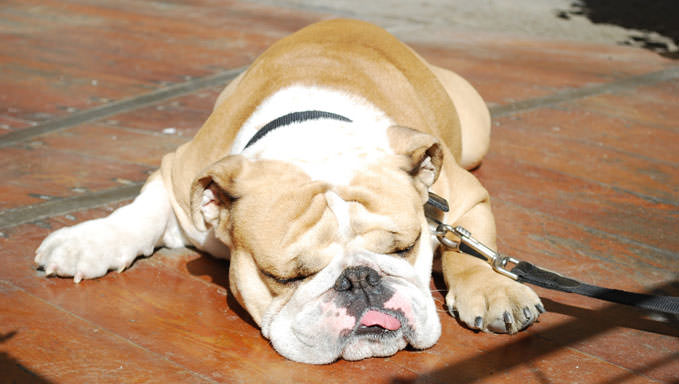
- Seeking shade or lying down
- Unusual tiredness afterward
If your dog has an existing health condition or you aren’t sure how much exercise is appropriate, speak with your veterinarian before significantly increasing their activity.
Don’t Forget About Spring Weather
Warmer spring temperatures can make outdoor activities more enjoyable, but conditions can change quickly.
Always provide access to fresh water and avoid strenuous exercise during unusually hot parts of the day. Check walking surfaces before taking your dog out, especially when temperatures begin rising.
Some dogs can also experience seasonal allergies. If you notice persistent itching, licking, sneezing, skin irritation, or other unusual symptoms, talk with your veterinarian about possible causes and treatment options.
Spring Activity Checklist for Dogs
Before heading outside, make sure you have:
- Fresh water
- A leash or harness
- Waste bags
- Treats for training
- Safe toys
- Identification information
- A comfortable place to rest
- Weather-appropriate protection when necessary
Most importantly, choose activities that your individual dog actually enjoys.
Frequently Asked Questions
What are some easy spring activities for dogs?
Simple options include backyard treasure hunts, sniffing games, short training sessions, outdoor walks, gentle fetch, obstacle courses, and supervised playdates.
Can dogs exercise indoors on rainy days?
Yes. Indoor scent games, food puzzles, soft-toy fetch, and safe obstacle courses can provide both physical and mental stimulation when outdoor activities aren’t practical.
Are playdates good for dogs?
Playdates can be beneficial for dogs that enjoy canine companionship. It’s best to choose compatible dogs, supervise their interactions, and provide breaks when needed.
How can I make my dog’s daily walk more interesting?
Try changing your walking route, visiting a new dog-friendly location, allowing safe sniffing opportunities, practicing training cues, or incorporating short games into the walk.
Should every dog have the same amount of exercise?
No. Exercise needs vary considerably depending on a dog’s age, size, breed, health, fitness level, and personality. Start gradually and adjust activities according to your dog’s needs.
Final Thoughts
Spring provides plenty of opportunities to make your dog’s routine more active and engaging. From backyard obstacle courses and treasure hunts to playdates, new walking routes, and indoor enrichment, you can keep your pup moving even when the weather doesn’t cooperate.
The goal isn’t simply to tire your dog out. Combining physical exercise with mental stimulation, training, exploration, and positive social experiences can make their daily routine more enjoyable and enriching.
Start with activities your dog already enjoys, introduce new experiences gradually, and always keep their safety and individual needs in mind.





Leave a comment