



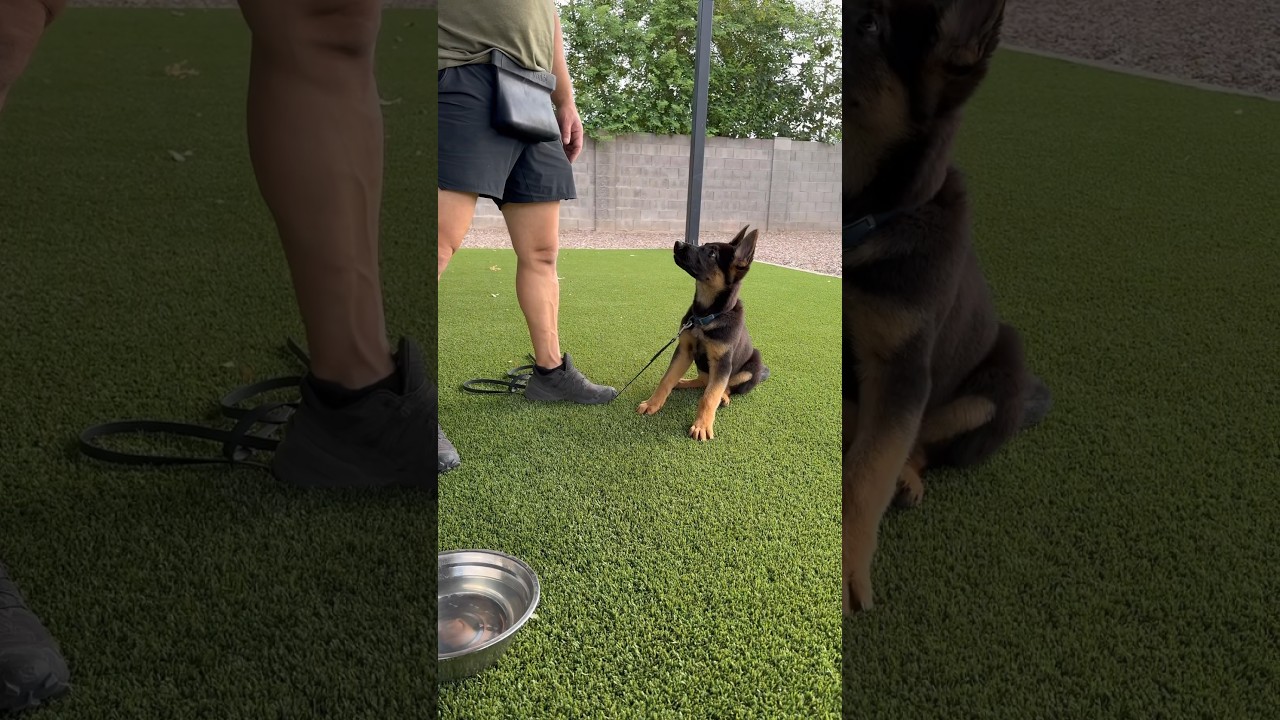



Bringing a pet into your home involves much more than providing food, water, and a comfortable place to sleep. Pets also need guidance, mental stimulation, positive experiences, and opportunities to learn how to navigate the world around them.
Training and socialization are two important parts of responsible pet ownership. They can help pets communicate more effectively with their families, become more comfortable in different situations, and develop useful everyday skills.
Whether you’re raising a young puppy or kitten, adopting an adult animal, or helping a shy rescue pet adjust to a new home, learning doesn’t have to stop because of age.
With patience, consistency, and positive reinforcement, you can help your pet become more confident while strengthening the bond you share.
Why Pet Training Matters
Training isn’t simply about teaching a dog to sit or a cat to respond to a cue. Good training helps establish communication between you and your pet.
When an animal learns what a particular cue means and which behaviors are rewarded, everyday interactions can become easier and more predictable.
Training can help with:
- Basic manners
- Communication
- Mental stimulation
- Impulse control
- Confidence
- Household routines
- Safety
- Building trust
Training should be viewed as a way of teaching rather than punishing. Your goal is to help your pet understand which behaviors are desirable and give them opportunities to succeed.
Basic Commands Can Improve Everyday Life
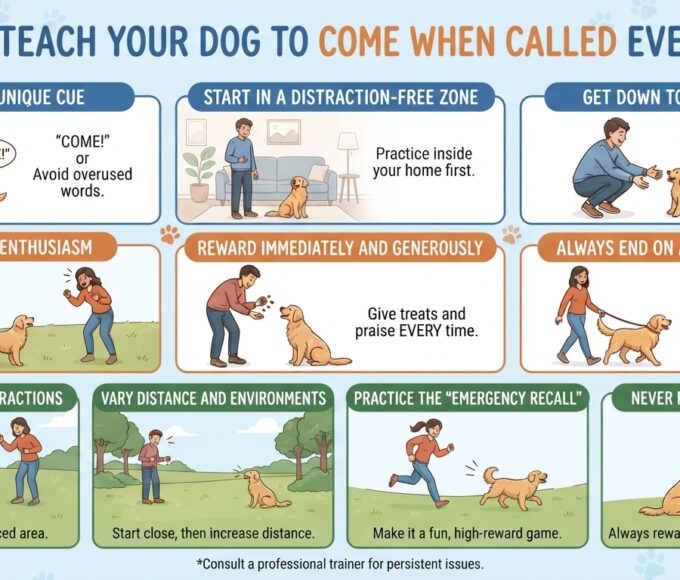
For dogs, cues such as sit, stay, come, leave it, and wait can be useful in everyday situations.
For example, teaching a reliable “come” cue can provide an important safety skill if your dog accidentally gets loose. “Leave it” may help prevent a dog from picking up something potentially dangerous.
Cats can also learn behaviors and cues. They can be taught to enter a carrier, come when called, use scratching posts, and participate in simple training exercises.
Training should always be adapted to the individual animal.
Training Provides Mental Stimulation
Pets need more than physical activity. Their brains need opportunities to think, explore, and solve problems.
Learning a new cue, practicing a behavior, working through a food puzzle, or participating in a simple scent game can provide mental enrichment.
This is especially useful for intelligent or energetic animals that may become bored when their daily environment offers little stimulation.
A few minutes of enjoyable training can turn an ordinary part of the day into an opportunity for your pet to learn.
Training Can Strengthen Your Bond
Training provides an opportunity for you and your pet to work together.
When you consistently reward appropriate behavior, your pet can learn that interacting with you is rewarding and predictable. Over time, this can help build trust.
Training can also teach owners to pay closer attention to their pets’ body language and behavior.
You may begin noticing when your pet is:
- Excited
- Nervous
- Overwhelmed
- Ready to learn
- Losing focus
- Looking for a break
Understanding these signals can make training more effective and enjoyable.
Positive Reinforcement Makes Learning Easier
Positive reinforcement means rewarding a behavior you want to encourage.
Depending on the pet, rewards might include:
- Small treats
- Praise
- Petting
- A favorite toy
- Playtime
- Access to something the pet enjoys
The reward should be appropriate for the individual animal.
For example, a food-motivated dog may work enthusiastically for small treats, while another dog may prefer a toy or praise.
Avoid relying on fear or physical punishment. Training based on intimidation can damage trust and may create additional behavior problems.
Keep Training Sessions Short
Pets can lose focus if training sessions become too long.
Instead of trying to teach everything in one sitting, use short sessions throughout the day.
For example, you might spend five minutes practicing:
- A simple cue
- A recall exercise
- A calm behavior
- A new trick
- A previously learned skill
End the session while your pet is still engaged whenever possible.
Frequent, successful practice is often more useful than one long and frustrating session.
Socialization: Helping Pets Feel Comfortable in the World
Socialization is the process of helping a pet become comfortable with different people, animals, environments, sounds, surfaces, and experiences.
It doesn’t mean forcing your pet to interact with everything.
Instead, good socialization should involve controlled, positive exposure at a pace the animal can handle.
A well-socialized pet isn’t necessarily one that wants to greet every person or animal. The goal is to help them respond appropriately and remain reasonably comfortable in everyday situations.
Why Early Socialization Is Important
Puppies and kittens go through important developmental periods when they are learning about their environment.
Positive experiences during these periods can help them become more comfortable with things they are likely to encounter later.
Depending on the animal, this may include exposure to:
- Different household sounds
- New people
- Different surfaces
- Car rides
- Grooming
- Veterinary handling
- Household appliances
- Safe outdoor environments
- Appropriate animals
- Different types of environments
However, young animals should be socialized with health and vaccination considerations in mind. Ask your veterinarian about safe ways to expose a puppy or kitten to new environments before they have completed their recommended vaccinations.
Adult Pets Can Learn Too
Socialization isn’t something that becomes irrelevant once a pet reaches adulthood.
Adult dogs and cats can continue learning throughout their lives.
An older pet that is nervous around unfamiliar people may gradually become more comfortable through carefully managed exposure. A newly adopted rescue animal may also need time to learn that its new surroundings are safe.
Progress may be slower for some animals, but that doesn’t mean improvement is impossible.
The most important thing is to avoid overwhelming the pet.
How to Socialize Your Pet Safely
Successful socialization is about quality rather than forcing your pet to experience as many things as possible.
Start at a Comfortable Distance
If your pet is nervous around strangers, you don’t need to immediately place them in the middle of a crowded room.
Start far enough away that your pet can remain calm.
Reward relaxed behavior and gradually decrease the distance as your pet becomes more comfortable.
Introduce New Experiences Gradually
Don’t introduce several overwhelming experiences at once.
If your dog is unfamiliar with car rides, for example, start by allowing them to calmly explore the parked vehicle before progressing to short trips.
Watch Your Pet’s Body Language
Signs that a pet may be uncomfortable can include:
- Hiding
- Avoiding eye contact
- Excessive panting
- Lip licking
- Trembling
- Flattened ears
- Stiff body posture
- Growling
- Trying to escape
These signals shouldn’t simply be ignored.
If your pet is overwhelmed, increase the distance or remove them from the situation and try again another time at a lower level of difficulty.
Socialization Doesn’t Mean Forcing Interaction
One common misunderstanding is that socialization means making a dog or cat interact with every person and animal they encounter.
That’s not necessary.
A dog can be well socialized without wanting every stranger to pet them.
Similarly, a cat doesn’t need to enjoy being handled by unfamiliar people.
Teaching your pet that they can calmly observe unfamiliar people, animals, and environments without becoming distressed is often much more useful.
Training and Socialization Work Together
Training and socialization aren’t completely separate activities.
They can complement each other.
Imagine teaching your dog to sit calmly while a visitor enters the house. You’re combining a learned behavior with a real-world social situation.
Similarly, teaching a dog to focus on you while walking past another dog can provide useful skills for navigating busy environments.
This combination can help your pet understand what to do even when distractions are present.
Common Training Mistakes to Avoid
Even well-intentioned owners can accidentally make training more difficult.
Expecting Immediate Results
Learning takes time. Some pets understand a new behavior quickly, while others need considerably more repetition.
Changing Commands
If everyone in the household uses different words or expectations, your pet may become confused.
Try to establish consistent cues and rules.
Training When Your Pet Is Overwhelmed
A stressed or overly excited pet may struggle to learn.
Choose an environment where your pet can focus.
Making Sessions Too Long
Long sessions can lead to frustration and loss of attention.
Keep training short and enjoyable.
Using Punishment as the Main Strategy
Fear-based methods can undermine trust and may worsen certain behavior problems.
Focus on teaching your pet what you want them to do and rewarding appropriate choices.
How to Make Training More Enjoyable
Training doesn’t need to feel like a formal class.
You can incorporate learning into normal activities.
For example:
- Ask for a sit before putting down your dog’s food.
- Practice recall in a safe environment.
- Reward calm behavior when visitors arrive.
- Use puzzle toys during quiet periods.
- Teach your cat to enter its carrier voluntarily.
- Reward your pet for calmly waiting before going through a door.
- Practice simple cues during walks.
These small moments can add up over time.
When to Seek Professional Help
Some behavior problems are more complicated than basic training.
If your pet displays serious fear, aggression, persistent anxiety, destructive behavior, or other concerning changes, consider speaking with a veterinarian and, when appropriate, a qualified reward-based trainer or veterinary behavior professional.
Sudden behavior changes can sometimes have an underlying medical cause, so veterinary evaluation can be important when a behavior changes unexpectedly.
Professional guidance can also help owners develop a structured plan instead of trying random techniques that may make the situation worse.
Frequently Asked Questions
What age should I start training my pet?
Training can begin when a puppy or kitten is young, using age-appropriate and gentle exercises. However, adult and senior pets can also learn new behaviors.
There is no need to assume that an older pet is incapable of learning.
How long should training sessions last?
Short sessions are often easier for pets to manage. A few minutes at a time can be enough, particularly for young animals. The ideal length depends on the individual pet and their ability to remain engaged.
What is the best way to reward a pet?
The best reward depends on the individual animal. Treats, toys, praise, play, and affection can all work. Use rewards your pet genuinely values.
Can an older dog be socialized?
Yes. Adult dogs can learn to become more comfortable with new experiences. However, the process may need to be slower and more carefully managed depending on the dog’s history and temperament.
What if my pet is afraid during socialization?
Don’t force the interaction. Increase the distance from whatever is causing the fear and allow your pet to calm down. Reward relaxed behavior and progress gradually.
If fear is severe or persistent, seek professional guidance.
Is socialization the same as making my pet friendly?
No. Socialization is about helping a pet become comfortable and capable of responding appropriately to different situations. A well-socialized dog doesn’t have to greet every person or animal.
Final Thoughts
Training and socialization are valuable parts of caring for a pet. They can provide mental stimulation, improve communication, strengthen your relationship, and help animals become more comfortable navigating everyday situations.
The most effective approach is usually patient, consistent, and positive.
Give your pet opportunities to learn, reward the behaviors you want to see, introduce new experiences gradually, and pay attention to their body language.
Whether you are raising a young puppy, welcoming a kitten, adopting an adult animal, or helping a senior pet learn something new, it’s never too late to build better communication and create positive experiences together.
With time and patience, training can become more than a list of commands—it can become a way for you and your pet to understand each other better.







Leave a comment