




Small dogs may not take up much space on the sofa, but many of them have enormous personalities—and impressive learning abilities.
From clever Poodles and alert Papillons to determined terriers and eager-to-please companion dogs, small breeds can excel at obedience, tricks, agility, scent games, and other activities that challenge their minds.
However, intelligence doesn’t look exactly the same in every dog. Some breeds learn commands quickly, while others are excellent problem-solvers or have strong instincts that helped them perform specific jobs.
If you’re looking for a small dog that enjoys learning and staying mentally engaged, these 10 intelligent small dog breeds are worth getting to know.
1. Poodle
Poodles are widely recognized for their intelligence, trainability, and versatility. Although Poodles come in Standard, Miniature, and Toy varieties, the Miniature and Toy Poodle are the smaller options for people seeking a compact companion.
Their intelligence makes them excellent candidates for obedience training, tricks, agility, and other canine activities.
Poodles are also energetic and curious. Simply teaching the same basic commands repeatedly may not be enough to keep one mentally satisfied. Puzzle toys, new tricks, scent games, and varied training sessions can provide useful enrichment.
Their curly coats require regular grooming, so prospective owners should consider grooming needs alongside their intelligence.
Why they’re clever
- Learn new behaviors quickly
- Often enjoy training
- Can excel in dog sports
- Respond well to mental challenges
- Tend to be highly engaged with their owners
2. Shetland Sheepdog
The Shetland Sheepdog, commonly called a Sheltie, is a small herding breed known for its intelligence, responsiveness, and willingness to work with people.
Shelties were developed for herding and farm work, so they tend to enjoy having something to do. Their intelligence can make training rewarding, but their sensitivity means harsh handling can be counterproductive.
With positive reinforcement and consistent training, Shelties can learn a wide variety of behaviors.
They are also energetic, meaning mental exercise should be combined with appropriate physical activity.
Why they’re clever
- Highly responsive to training
- Strong working instincts
- Often eager to cooperate
- Can excel in obedience and agility
- Enjoy learning new behaviors
3. Papillon
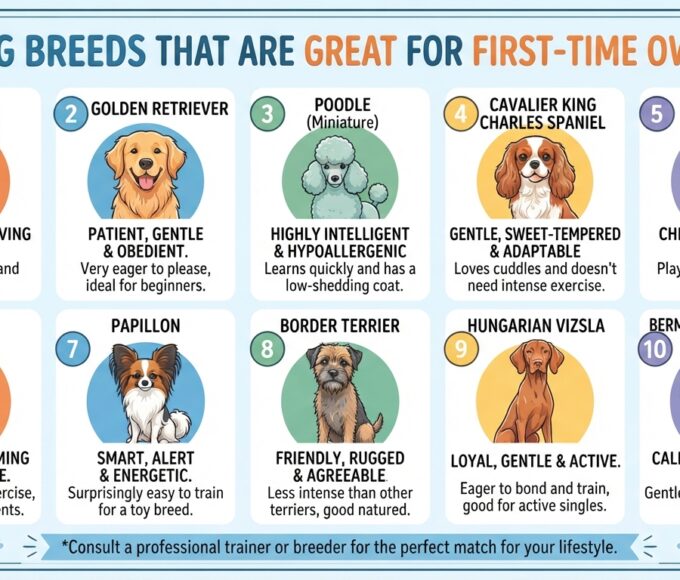
Don’t let the Papillon’s tiny body fool you. This elegant little dog can be remarkably quick to learn.
Papillons are energetic, curious, and often enthusiastic about training. Their intelligence and athleticism have helped them succeed in activities such as obedience and agility.
Their distinctive butterfly-shaped ears are one of their most recognizable features, but their personality is just as memorable.
Because they are small, owners sometimes underestimate their exercise and enrichment needs. Papillons can benefit from daily walks, play sessions, training games, and interactive toys.
Why they’re clever
- Quick learners
- Often enthusiastic about training
- Agile and athletic
- Enjoy interactive games
- Can learn an impressive range of tricks
4. Miniature Schnauzer
The Miniature Schnauzer is a compact, intelligent breed with a confident and lively personality.
Originally developed as a working farm dog, the breed has retained an alert nature and strong interest in its surroundings.
Miniature Schnauzers can learn commands and routines quickly, although their independent side sometimes means they may decide that something more interesting is happening elsewhere.
Short, rewarding training sessions can help maintain their attention.
Their wiry coat also requires regular grooming, particularly if owners want to maintain the traditional Schnauzer appearance.
Why they’re clever
- Quick to learn routines
- Alert and observant
- Often enjoy problem-solving activities
- Can perform well in obedience
- Energetic and engaged
5. Jack Russell Terrier
The Jack Russell Terrier is a small dog with a huge amount of energy and determination.
Originally developed for fox hunting, Jack Russells are active, curious, and persistent. They can learn quickly, but their intelligence doesn’t necessarily mean they will always do exactly what their owner asks.
Their independent nature and strong prey drive can make consistent training especially important.
These dogs generally need considerably more activity than their small size might suggest. Walks, interactive games, training exercises, and appropriate opportunities to explore can help keep their minds occupied.
Why they’re clever
- Excellent problem-solvers
- Highly curious
- Learn tricks quickly
- Energetic and athletic
- Strong working instincts
6. Yorkshire Terrier
The Yorkshire Terrier may be tiny, but its personality is anything but small.
Yorkies are intelligent, alert, and often confident. Their terrier background can give them a determined streak, while their strong attachment to their owners can make training rewarding.
Because of their small size, owners sometimes assume Yorkies don’t need much activity. In reality, they benefit from regular play, walks, and mental stimulation.
Training should be consistent and positive, particularly because some individuals may become stubborn if they aren’t properly motivated.
Why they’re clever
- Quick to pick up routines
- Alert and attentive
- Often enjoy learning tricks
- Confident despite their size
- Can respond well to positive reinforcement
7. Cavalier King Charles Spaniel
The Cavalier King Charles Spaniel is best known for its affectionate and gentle personality, but this small companion breed can also be responsive and eager to learn.
Cavaliers generally enjoy spending time with their people, which can make reward-based training enjoyable for both dog and owner.
They can learn basic obedience, tricks, and household routines while benefiting from plenty of positive interaction.
Because Cavaliers are companion-oriented, training can also become a useful way to provide mental stimulation while strengthening the relationship between dog and owner.
Why they’re clever
- Generally responsive to people
- Often eager to please
- Can learn household routines
- Enjoy positive interaction
- Suitable for a variety of training activities
8. Cairn Terrier
The Cairn Terrier is a small, energetic breed with a curious and independent personality.
Like other terriers, Cairns were developed to work and hunt, and they often retain strong instincts and plenty of determination.
Their intelligence can make them excellent candidates for training, but owners may need patience when dealing with their independent streak.
Interactive games, scent-based activities, and trick training can provide useful outlets for their curiosity.
Why they’re clever
- Naturally curious
- Good problem-solvers
- Strong working instincts
- Enjoy interactive activities
- Can learn a wide range of behaviors
9. Boston Terrier
Boston Terriers are compact companion dogs known for their expressive faces, distinctive coat patterns, and lively personalities.
They can be intelligent and responsive during training, particularly when sessions are kept engaging and reward-based.
Boston Terriers often enjoy games and interaction with their families. Short training exercises can be incorporated into everyday play rather than treated as a lengthy formal activity.
As with any breed, individual temperament varies, so owners should adapt their approach to the particular dog.
Why they’re clever
- Can learn basic obedience
- Often enjoy interactive play
- People-oriented
- Can learn household routines
- Respond well to positive reinforcement
10. Toy and Small Companion Dogs: Individual Intelligence Matters
Not every intelligent small dog fits neatly into a breed stereotype.
Two dogs from the same breed can have very different personalities, motivations, and learning styles.
One dog may love food puzzles, while another may prefer toys. One may master a trick in a few repetitions, while another needs more practice.
This is why choosing a dog based solely on a list of “smartest breeds” can be misleading.
The best companion for you depends on more than intelligence. Consider the dog’s:
- Energy level
- Temperament
- Grooming requirements
- Exercise needs
- Socialization needs
- Barking tendencies
- Independence
- Compatibility with your household
What Does It Mean for a Dog to Be Intelligent?
Dog intelligence isn’t just about how quickly an animal learns “sit.”
Dogs can demonstrate different types of abilities.
Learning ability
Some dogs quickly understand new cues and behaviors.
Problem-solving
Some animals are particularly good at figuring out how to reach food, toys, or other rewards.
Adaptability
A dog may demonstrate intelligence by adjusting to new situations or figuring out new routines.
Working ability
Certain breeds were developed to perform specific jobs and may have strong instincts that allow them to work effectively.
Social intelligence
Some dogs are particularly attentive to human body language, voice, and emotional cues.
Because intelligence has multiple forms, comparing breeds using a single ranking doesn’t tell the whole story.
How to Keep an Intelligent Small Dog Happy
A clever dog can become bored if its environment provides too little stimulation.
Fortunately, mental enrichment doesn’t have to be complicated.
Teach new tricks
Once your dog has mastered basic commands, gradually introduce new behaviors.
Use puzzle toys
Food puzzles and interactive toys can encourage dogs to think and work for rewards.
Try scent games
Hide treats around a safe area and allow your dog to use its nose to find them.
Rotate toys
You don’t have to leave every toy available all the time. Rotating safe toys can make familiar objects more interesting.
Practice everyday skills
Training doesn’t have to be limited to tricks. Practice calm behavior, waiting, coming when called, and other useful skills.
Combine physical and mental exercise
A walk followed by a short training session can provide both physical activity and mental stimulation.
Are Small Intelligent Dogs Easy to Train?
Not necessarily.
Intelligence can make learning easier, but it doesn’t guarantee obedience.
Some highly intelligent dogs are also independent, energetic, sensitive, or easily distracted. A dog that understands a command may still choose not to perform it if the training isn’t sufficiently motivating or the environment is too distracting.
Successful training depends on the individual dog, the owner’s consistency, the training method, and the environment.
Do Small Dogs Need Less Exercise?
Not always.
A dog’s size doesn’t automatically determine its energy level.
Some tiny breeds can be surprisingly active, while certain larger breeds may be comparatively relaxed.
Terriers and herding breeds, for example, can require substantial mental and physical activity despite their relatively small size.
Always research the specific breed rather than assuming a small dog will be a low-energy pet.
Frequently Asked Questions
What is the smartest small dog breed?
There isn’t one universally agreed-upon “smartest” small dog. Poodles, Papillons, Shetland Sheepdogs, Miniature Schnauzers, and several other small breeds are well known for their learning ability, but intelligence varies between individual dogs.
Are small dogs harder to train?
Small dogs aren’t inherently harder to train. However, some small breeds can have independent or stubborn personalities, while owners sometimes unintentionally overlook unwanted behaviors because the dog is small.
Consistent training is important regardless of size.
How much mental stimulation does a small intelligent dog need?
The amount varies by breed and individual. Short training sessions, interactive play, scent games, puzzle toys, walks, and opportunities to explore can all provide mental stimulation.
Are intelligent small dogs good for apartments?
Some are, but apartment suitability depends on much more than size. Energy level, barking, exercise requirements, and the individual dog’s temperament all matter.
A small but highly energetic dog may require more daily activity than a somewhat larger, calmer breed.
Are intelligent dogs more likely to get bored?
They can be, particularly when they receive too little physical activity or mental enrichment. Providing appropriate training, play, exercise, and enrichment can help keep an intelligent dog engaged.
Final Thoughts
Small dogs can be remarkably intelligent, athletic, curious, and eager to learn. Breeds such as the Poodle, Papillon, Shetland Sheepdog, Miniature Schnauzer, and several terriers demonstrate just how much personality and ability can fit into a small package.
However, intelligence should never be the only factor when choosing a dog.
Think about your lifestyle, available time, activity level, grooming budget, living environment, and the type of relationship you want with your future companion.
With appropriate training, socialization, exercise, and mental enrichment, these little canine “marvels” can be wonderful companions—and their small size certainly doesn’t mean they have small personalities.







Leave a comment