


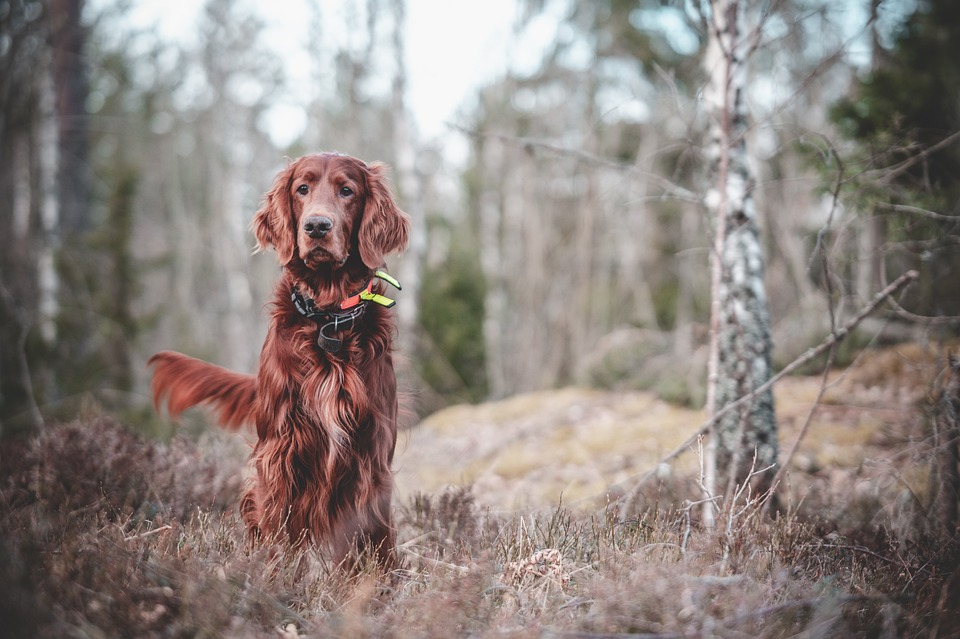
Bringing a new puppy home is an exciting experience, but it also comes with plenty of responsibilities. One of the most important things you can do during the early stages of puppyhood is establish good habits through consistent, positive training.
Puppy training isn’t about expecting your puppy to understand everything immediately. Young dogs are still learning how to communicate, respond to their environment, and understand household rules. With patience, repetition, and the right approach, you can teach your puppy important behaviors while building a strong bond at the same time.
Whether you’re working on basic commands, potty training, crate training, or socialization, these puppy training tips for beginners can help you get started.
1. Start Training Your Puppy Early
You don’t have to wait until your puppy is several months old before beginning training. You can start introducing simple lessons as soon as your puppy comes home.
Young puppies are constantly learning from their surroundings. Early training can help establish routines and encourage desirable behaviors before unwanted habits become difficult to change.
Start with simple skills such as:
- Responding to their name
- Sitting on command
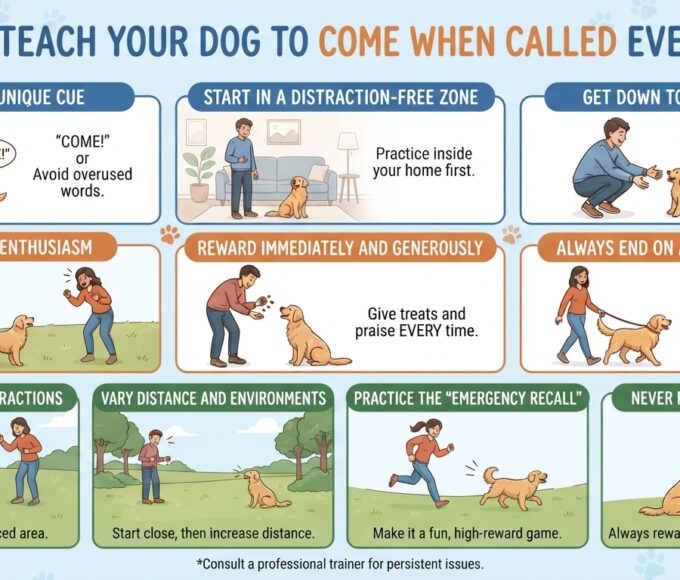
- Coming when called
- Waiting briefly
- Walking calmly
- Going to their designated potty area
- Accepting gentle handling
Keep early lessons simple and age-appropriate. Your puppy doesn’t need to master everything at once.
2. Keep Training Sessions Short and Positive
Puppies have limited attention spans, so long training sessions can quickly become frustrating for both you and your dog.
Instead of one long session, try several short sessions throughout the day. Even a few minutes of focused training can be useful.
End each session on a positive note. If your puppy successfully follows a command, reward them and finish while they’re still interested.
Short, enjoyable sessions can help your puppy associate training with positive experiences.
3. Use Positive Reinforcement
One of the most effective approaches to puppy training is positive reinforcement.
When your puppy performs a behavior you want to encourage, reward them immediately with something they value. Depending on the puppy, this might include:
- Small training treats
- Verbal praise
- Gentle affection
- A favorite toy
- A short play session
For example, when teaching your puppy to sit, reward them as soon as their bottom touches the floor. This helps them connect the behavior with the reward.
Avoid relying on physical punishment or intimidation. Training should teach your puppy what you want them to do rather than creating fear around mistakes.
4. Be Consistent With Commands and Rules
Consistency is extremely important when training a new puppy.
If one family member allows the puppy on the sofa while another person constantly tells them to stay off, your puppy may struggle to understand the rule.
Everyone in the household should try to use the same commands and follow the same basic rules.
For example, choose one cue for a behavior rather than switching between several words. Consistent communication makes it easier for your puppy to understand what you’re asking.
5. Teach Your Puppy Their Name
Teaching your puppy to recognize their name is a simple but valuable first step.
Start in a quiet environment. Say your puppy’s name in a cheerful voice. When they look toward you, immediately reward them with praise or a small treat.
Repeat this regularly without using their name as a way to scold them.
Over time, your puppy should learn that hearing their name means they should pay attention to you.
6. Make Socialization Part of Puppy Training
Puppy socialization helps young dogs become familiar with different people, sounds, environments, surfaces, and experiences.
A well-planned socialization routine can help your puppy become more comfortable in everyday situations.
Depending on your puppy’s age, health, vaccination status, and veterinary advice, gradual exposure can include:
- Different household sounds
- New people
- Car rides
- Different floor surfaces
- Grooming and handling
- Household appliances
- Safe outdoor environments
- Friendly, appropriately vaccinated dogs
Don’t force your puppy into situations that clearly frighten them. Introduce new experiences gradually and allow your puppy time to become comfortable.
Your veterinarian can advise you about appropriate socialization opportunities before your puppy has completed its vaccinations.
7. Introduce Crate Training Gradually
A crate can provide your puppy with a safe, comfortable place to rest and can be incorporated into a structured house-training routine.
The goal is to help your puppy view the crate as a positive space rather than a punishment.
You can begin by:
- Leaving the crate door open.
- Placing treats or toys inside.
- Allowing your puppy to explore it voluntarily.
- Feeding meals near or inside the crate if appropriate.
- Gradually introducing short periods with the door closed.
- Increasing the duration slowly as your puppy becomes comfortable.
Never use the crate as a place to punish your puppy.
8. Establish a Potty Training Routine
Potty training is one of the first major challenges many new puppy owners face.
A consistent routine can make the process easier. Take your puppy to their designated potty area regularly, particularly after:
- Waking up
- Eating
- Drinking
- Playing
- Napping
When your puppy eliminates in the correct location, reward them promptly.
Accidents are normal during puppyhood. Instead of punishing your puppy, clean the area thoroughly and continue reinforcing the desired behavior.
Young puppies may need frequent potty breaks because they have limited bladder control.
9. Supervise Your Puppy Closely
Until your puppy understands household rules, supervision is extremely important.
A puppy left unsupervised may chew furniture, have an accident, grab something dangerous, or explore areas they shouldn’t access.
When you cannot actively supervise your puppy, use an appropriate crate, playpen, or puppy-proofed area.
You can also use baby gates to restrict access to certain parts of your home while your puppy is learning.
Supervision isn’t only about preventing problems. It also allows you to notice good behavior and reward it immediately.
10. Redirect Unwanted Chewing
Chewing is a normal behavior for puppies, but they don’t automatically know which objects are appropriate to chew.
If your puppy starts chewing furniture, shoes, electrical cables, or another inappropriate object, calmly redirect them toward a suitable puppy-safe chew toy.
Keep tempting items out of reach whenever possible.
Providing appropriate toys and giving your puppy enough mental and physical activity can also help reduce boredom-related chewing.
If your puppy repeatedly targets a particular object, consider why that object is accessible and whether the environment can be changed.
11. Teach Basic Commands
Once your puppy understands their name and is comfortable learning, introduce basic commands.
Useful beginner commands include:
- Sit
- Stay
- Come
- Down
- Leave it
- Drop it
- Wait
These commands aren’t just tricks. Some can become useful communication tools in everyday situations.
For example, teaching “leave it” can help you redirect your puppy away from something they shouldn’t pick up.
Practice one behavior at a time and gradually increase the level of distraction as your puppy improves.
12. Use Training Opportunities Throughout the Day
Puppy training doesn’t have to happen only during formal sessions.
Everyday activities can become learning opportunities.
You can reward your puppy for:
- Waiting calmly before eating
- Sitting before going outside
- Coming when called
- Remaining calm when visitors arrive
- Walking beside you
- Allowing gentle handling
- Settling down quietly
These small moments help your puppy understand that good behavior is consistently rewarded.
13. Teach Your Puppy to Be Comfortable Alone
Puppies need companionship, but they also need to gradually learn that being alone for appropriate periods is safe.
Avoid suddenly leaving a puppy alone for a long time. Instead, build independence gradually.
You can encourage calm behavior by providing a safe environment with an appropriate toy and allowing short periods of separation.
If your puppy becomes extremely distressed whenever you leave, speak with a veterinarian or qualified dog behavior professional for guidance.
14. Practice Leash Skills Early
Walking politely on a leash is another important skill.
Start by allowing your puppy to become comfortable wearing their collar or harness indoors, provided it fits properly. Introduce the leash gradually and reward calm behavior.
During early walks, focus on building positive associations rather than expecting perfect walking technique immediately.
Reward your puppy when they pay attention to you and walk calmly.
As they gain experience, gradually practice in environments with more distractions.
15. Don’t Expect Perfection
One of the biggest mistakes new puppy owners can make is expecting too much too quickly.
Your puppy will have accidents. They may forget commands. They may become distracted. They may chew something they shouldn’t.
This doesn’t mean training isn’t working.
Puppies develop at different rates, and progress is rarely perfectly consistent. Focus on repetition, reward desirable behavior, and adjust your approach when something isn’t working.
If a particular problem continues despite consistent training, professional guidance can be extremely helpful.
Common Puppy Training Mistakes to Avoid
Understanding what not to do can be just as useful as learning training techniques.
Avoid these common mistakes:
Changing Rules Frequently
Inconsistent household rules can confuse your puppy.
Using Punishment as the Main Training Method
Fear-based approaches can damage trust and may make behavior problems harder to manage.
Training for Too Long
Long sessions can cause puppies to lose focus.
Expecting Adult-Level Behavior
Puppies need time to develop physical control, emotional maturity, and reliable skills.
Ignoring Good Behavior
If you only react when your puppy does something wrong, you may miss opportunities to reinforce desirable behavior.
Giving Your Puppy Too Much Freedom Too Soon
Gradually increase freedom as your puppy demonstrates reliable behavior.
When Should You Get Professional Puppy Training Help?
Some puppies need additional support, and seeking professional help isn’t a failure.
Consider working with a qualified, reward-based trainer if you’re struggling with issues such as:
- Persistent jumping
- Severe leash pulling
- Fearful behavior
- Excessive barking
- Resource guarding
- Aggression
- Difficulty with handling
- Problems that aren’t improving with your current approach
A professional can help identify what may be contributing to the behavior and create a training plan suited to your puppy.
Frequently Asked Questions About Puppy Training
What is the best age to start training a puppy?
You can begin teaching simple behaviors as soon as your puppy comes home. Early lessons should be short, positive, and appropriate for the puppy’s age and development.
How often should I train my puppy?
Several short sessions throughout the day are generally more practical than one long session. The exact amount will depend on your puppy’s age, energy level, and ability to concentrate.
How long does it take to train a puppy?
There isn’t a single timeline for every puppy. Basic behaviors may improve relatively quickly, while reliable potty training, leash skills, impulse control, and other habits can take considerably longer. Consistency is more important than rushing the process.
What should I do when my puppy doesn’t listen?
First, consider whether your puppy understands the command, whether there are too many distractions, and whether the reward is motivating enough. Move to an easier environment and practice again rather than repeatedly giving the same command.
Should I punish my puppy for having an accident?
Punishing a puppy for an accident is generally not helpful. Clean the area thoroughly and focus on taking your puppy outside or to their designated potty area more frequently so you can reward successful behavior.
Can I train my puppy at home?
Yes. Many basic behaviors can be taught at home using short, consistent, reward-based sessions. For more challenging behavior problems, professional guidance may be useful.
Final Thoughts
Training your new puppy is a process rather than a one-time task. The habits you establish during puppyhood can provide an important foundation for life with your dog.
Start with simple behaviors, keep sessions short, use positive reinforcement, establish consistent household rules, and give your puppy plenty of opportunities to practice. Remember that mistakes and setbacks are a normal part of learning.
Most importantly, enjoy the process. Puppyhood passes quickly, and training isn’t only about teaching commands—it is also an opportunity to build communication, trust, and a strong relationship with your new companion.





Leave a comment