




Summer is a great time to enjoy the outdoors with your dog. Whether you’re visiting a beach, spending the afternoon beside a pool, or exploring a lake, getting in the water can be an exciting way for your dog to cool off and stay active.
However, not every dog is a natural swimmer, and even experienced dogs can encounter unexpected dangers around water. Hot weather can add another layer of risk, making supervision and preparation especially important.
Before letting your dog swim this summer, keep these essential summer water safety tips for dogs in mind.
Can All Dogs Swim?
No. Although dogs have a natural paddling motion, that doesn’t mean every dog is a strong or confident swimmer.
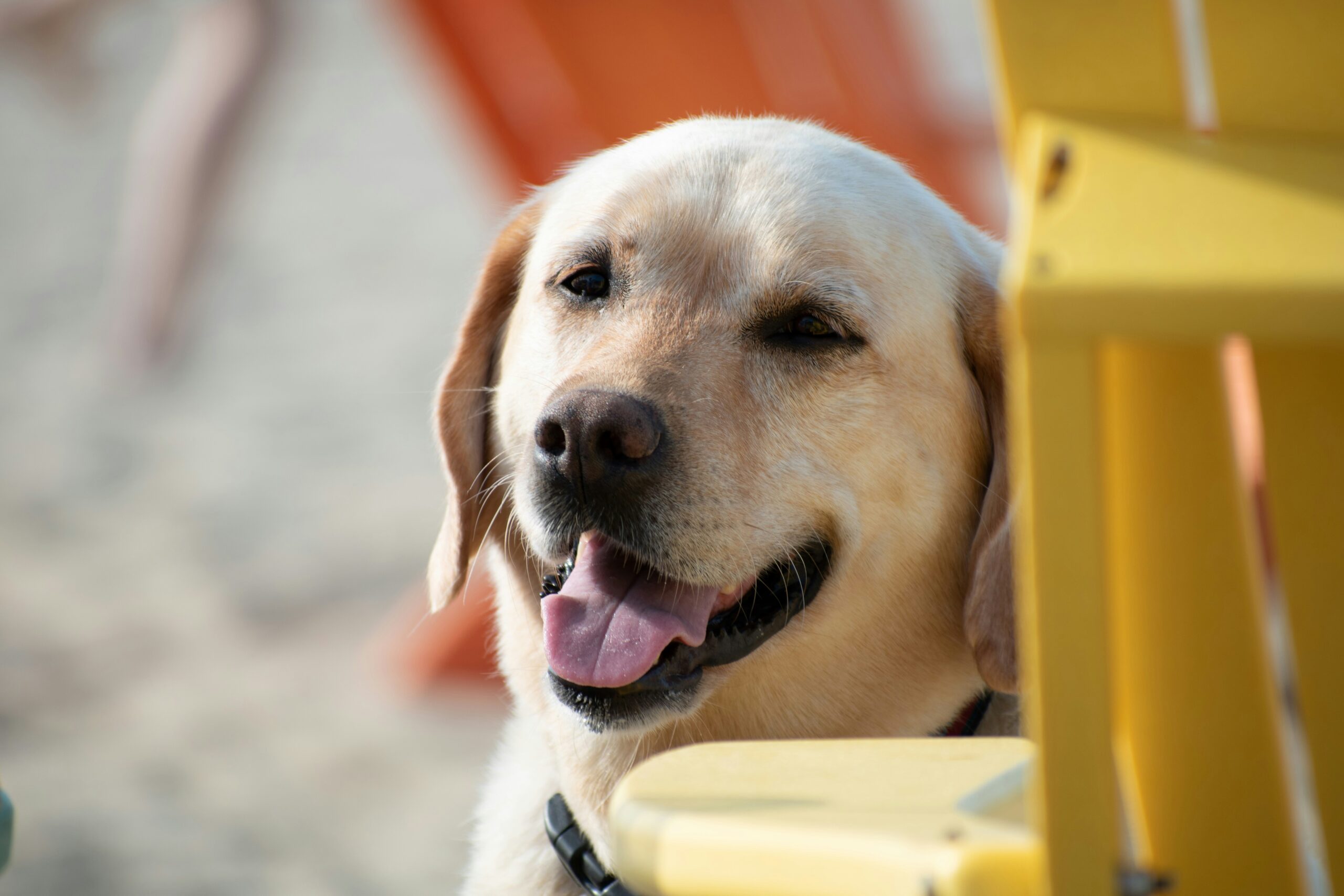
Breeds such as Labrador Retrievers, Golden Retrievers, Newfoundlands, and Portuguese Water Dogs often have physical characteristics that can make swimming easier. Their body structure, feet, and coats can be well suited to spending time in water.
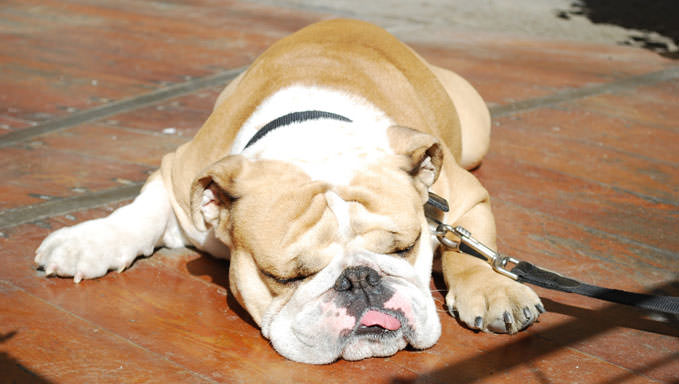
On the other hand, dogs with short legs or flat faces may have greater difficulty staying afloat or keeping their nose and mouth comfortably above the water. Bulldogs and Pugs, for example, may require extra caution around swimming areas.
A dog’s individual characteristics also matter. Consider:
- Breed and body structure
- Age
- Fitness level
- Temperament
- Swimming experience
- Existing health problems
Puppies, senior dogs, anxious dogs, and dogs with certain mobility, heart, or other health concerns may not be good candidates for swimming. When in doubt, ask your veterinarian whether swimming is appropriate.
Always Supervise Your Dog Around Water
Whether your dog is swimming or simply playing near the water, active supervision is essential.
Even dogs that swim well can become tired, frightened, injured, or disoriented. A dog could also encounter hazards that have nothing to do with swimming itself.
Potential problems include:
- Swallowing excessive amounts of water
- Becoming exhausted
- Getting injured on rocks or other objects
- Becoming overheated
- Encountering wildlife
- Being pulled by strong currents
- Having difficulty getting out of the water
Never assume that an experienced canine swimmer can safely be left alone.
How to Make a Swimming Pool Safer for Your Dog
A backyard pool may seem like a controlled environment, but it still requires precautions.
Provide an Easy Way Out
Your dog should be able to get out of the pool without struggling. Pool ramps or properly designed steps can give dogs a reliable exit point.
If your dog cannot easily find or use the pool’s exit, even a short swim can become dangerous.
Secure the Pool Area
A physical fence around the pool can help prevent your dog from accidentally falling into the water when nobody is watching.
When the pool isn’t being used, consider using an appropriate safety cover as an additional precaution.
Don’t Let Your Dog Drink Pool Water
Pool water can contain chlorine and other chemicals that aren’t intended to be consumed.
Keep a bowl of fresh drinking water nearby so your dog has a safe alternative.
Is the Beach Safe for Dogs?
A beach can be a wonderful place for dogs, but it introduces several hazards that aren’t usually found in a backyard pool.
Watch Out for Hot Sand
Sand can become extremely hot during sunny weather and may burn your dog’s paw pads.
Provide a shaded place for your dog to rest and consider using a towel or mat where they can lie comfortably. Protective footwear may also help in some situations, provided your dog is comfortable wearing it and the footwear is appropriate for the environment.
Don’t forget that the area around the water may contain sharp shells, rocks, glass, or other debris.
Be Careful Around Waves and Currents
Strong waves and rip currents can quickly carry a swimmer away from shore.
Check local beach warnings and water conditions before allowing your dog into the water. If conditions are unsafe for people, they aren’t appropriate for your dog either.
Watch for Marine Life
Dogs are naturally curious and may investigate fish, jellyfish, shells, or other creatures they encounter.
Keep an eye on your dog both in and out of the water and prevent them from chewing or swallowing unfamiliar marine life.
Prevent Saltwater Drinking
Don’t allow your dog to drink seawater.
Consuming too much saltwater can cause serious illness, including dangerous changes in electrolyte balance. If your dog drinks a significant amount of seawater and develops symptoms such as vomiting, weakness, diarrhea, or unusual behavior, contact a veterinarian promptly.
Be Careful With Sand
Dogs can accidentally swallow sand while digging, licking their paws, or playing at the beach.
Large amounts of swallowed sand can accumulate in the digestive tract and potentially cause an intestinal blockage. Beaches may also contain parasites or contaminated areas, particularly where other animals have defecated.
Keep an eye on your dog’s digging and prevent them from eating sand whenever possible.
Protect Against Heat and Sun
Swimming doesn’t eliminate the risk of overheating.
Dogs can become dangerously hot after prolonged exercise or sun exposure, particularly during very warm weather. Flat-faced dogs and dogs with thick or dark coats may require additional care.
Provide shade, regular rest periods, and access to fresh drinking water. Ask your veterinarian about appropriate sun protection for your dog, especially if they have lightly pigmented skin or areas with little fur.
Are Lakes Safe for Dogs?
Lakes can be enjoyable swimming spots, but they come with their own set of risks.
One important concern is blue-green algae, also known as cyanobacteria. Certain blooms can produce toxins that are extremely dangerous to dogs.
Before allowing your dog into a lake:
- Check for posted water-quality warnings.
- Avoid water with visible algae blooms or thick mats.
- Don’t let your dog drink from the lake.
- Keep them away from stagnant or suspicious-looking water.
- Watch for wildlife such as snakes or other potentially dangerous animals.
If local authorities have issued an advisory against swimming, keep your dog out of the water.
Should Your Dog Wear a Life Jacket?
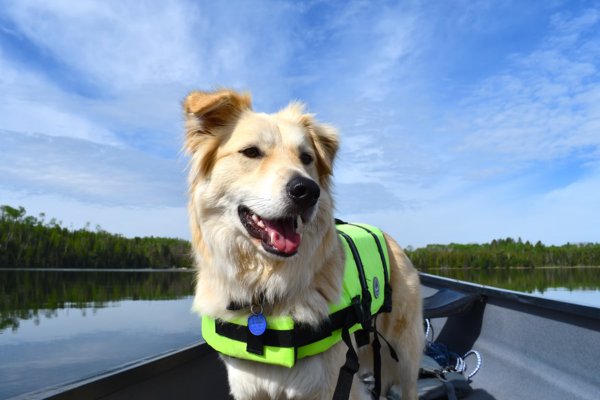
A properly fitted dog life jacket can provide additional buoyancy and safety around water.
It can be especially useful for:
- Dogs that aren’t confident swimmers
- Dogs participating in boating activities
- Dogs swimming in unfamiliar locations
- Dogs that become tired easily
- Dogs spending time around deep water
When choosing a life jacket, look for one that:
- Fits securely without restricting movement
- Is appropriate for your dog’s size and weight
- Has a sturdy handle for emergency lifting
- Is highly visible in the water
- Allows your dog to move comfortably
A life jacket is a safety aid, not a replacement for supervision.
Signs Your Dog May Be Struggling in the Water
Knowing the warning signs can help you respond before a situation becomes more serious.
Possible Signs of Drowning or Severe Distress
Watch for:
- Head barely staying above the water
- Frantic paddling
- Gasping
- Difficulty keeping the mouth and nose above water
- Vertical swimming without effective forward movement
- Repeated submersion
If your dog appears unable to keep themselves afloat, get them out of the water immediately and seek veterinary assistance if needed.
Signs of Overexertion
Swimming can require considerable physical effort.
Potential signs include:
- Slowing down while swimming
- Excessive panting
- Whining
- Heavy drooling
- Weakness
- Lethargy
- Difficulty focusing
Don’t wait for your dog to become completely exhausted before ending a swimming session.
Possible Water Aspiration
Dogs can accidentally inhale water while swimming.
After swimming, pay attention to symptoms such as:
- Persistent coughing
- Noisy or difficult breathing
- Unusual tiredness
- Vomiting
- Reduced appetite
- Other changes in normal behavior
If your dog develops concerning breathing problems or becomes unusually weak after swimming, contact a veterinarian promptly.
Can Dogs Get Heatstroke While Swimming?
Yes. Being in water doesn’t automatically protect a dog from heatstroke.
A dog can become overheated from intense activity, prolonged exercise, hot weather, or excessive sun exposure—even while swimming.
Possible warning signs include:
- Rapid or heavy panting
- Very red gums or tongue
- Thick drool or foaming
- Weakness
- Extreme tiredness
- Vomiting
- Diarrhea
- Collapse
Heatstroke is an emergency. If you suspect your dog is suffering from heatstroke, move them out of the heat and seek immediate veterinary care.
How to Reduce Heatstroke Risk
During hot weather:
- Take regular breaks from swimming and exercise.
- Avoid the hottest part of the day when possible.
- Provide shade.
- Keep fresh, cool drinking water available.
- Closely monitor your dog for signs of overheating.
- Stop activity if your dog begins showing signs of excessive fatigue or heat stress.
What Should You Do After Your Dog Swims?
Water safety doesn’t end when your dog leaves the water. A quick post-swim routine can help you spot injuries and remove irritating substances from their coat.
Dry the Ears
Gently dry your dog’s ears after swimming. Water that remains trapped in the ear can contribute to irritation and ear problems in some dogs.
Avoid inserting cotton swabs or other objects deep into the ear canal.
Rinse the Coat
If your dog has been swimming in a chlorinated pool, saltwater, or potentially dirty natural water, rinse their coat with fresh water.
Pay attention to areas where water, salt, chlorine, sand, or debris may become trapped.
Check the Paws
Inspect your dog’s paw pads after outdoor water activities.
Look for:
- Cuts
- Scrapes
- Burns
- Irritation
- Sharp objects stuck between the toes
Early detection can help prevent a small injury from becoming a bigger problem.
Create a Dog-Safe Summer Water Routine
A safe swimming experience starts before your dog enters the water.
Bring fresh drinking water, shade, towels, and a properly fitted life jacket when appropriate. Check the swimming environment for hazards and keep your dog within sight throughout the activity.
Most importantly, pay attention to your individual dog’s abilities. Some dogs may happily spend hours playing in water, while others may prefer staying on dry land.
There’s no need to force a dog into swimming simply because other dogs enjoy it.
Final Thoughts
Water can provide dogs with fun, exercise, and relief from summer heat, but swimming areas also present risks. Pools, beaches, and lakes each have different hazards that pet parents should understand before allowing their dogs into the water.
Supervision, fresh drinking water, shade, appropriate safety equipment, and regular breaks can all contribute to a safer summer experience.
Whether your dog is an enthusiastic swimmer or prefers watching from the shore, the goal is the same: keep summer adventures fun, comfortable, and safe.
This Article Was Generated By AI.






Leave a comment