




Bringing a newly adopted dog home can be an incredibly rewarding experience. You may be excited to introduce your new companion to the family, explore the neighborhood together, and start building a strong bond.
However, your dog may need time to understand that their new home is safe.
Rescue and shelter dogs can arrive with very different experiences and levels of confidence. Some settle in quickly, while others may initially hide, bark, have accidents, become destructive, or seem unusually nervous.
The best approach is to give your new dog time, consistency, patience, and positive experiences.
Give Your New Dog Time to Decompress
One commonly discussed guideline for newly adopted dogs is the 3-3-3 rule. It suggests that a dog may need roughly three days to decompress, around three weeks to become familiar with household routines, and several months to feel completely settled.
It is important to remember that this is a guideline, not a fixed schedule. Every dog is different.
During the first few days or weeks, your dog may behave differently from how they appeared at the shelter or foster home. A friendly dog might become quiet and withdrawn, while a calm dog might become restless or reactive.
These changes do not necessarily tell you what your dog’s long-term personality will be. Your dog is learning about a completely new environment, including unfamiliar sounds, people, smells, routines, and expectations.
Give them time to adjust rather than expecting everything to feel normal immediately.
Create a Predictable Daily Routine
Predictability can make a new environment easier for a dog to understand.
Try to establish consistent times for important parts of the day, including:
- Meals
- Bathroom breaks
- Walks
- Playtime
- Training
- Rest
- Bedtime
You don’t have to follow the schedule perfectly. The goal is to give your dog a general idea of what happens throughout the day.
For example, you might take your dog outside after waking up, feed breakfast afterward, have a quiet period during the morning, and schedule a short training or play session later.
As your dog learns this pattern, everyday activities may become less uncertain.
Give Your Dog a Safe Space
Every newly adopted dog should have a quiet place where they can relax without being disturbed.
This could be:
- A crate
- A comfortable dog bed
- A quiet corner
- A separate room
- Another area where your dog feels comfortable
Teach everyone in the household that this is your dog’s do-not-disturb area.
Children and other pets should not be allowed to constantly approach the dog while they are resting there. Your dog should be able to retreat to this space whenever they need a break.
A safe space isn’t a punishment. It gives your dog control over when they want to rest or step away from activity.
Don’t Force a Bond
It’s natural to want to give your new dog lots of attention. You may want to cuddle them, introduce them to everyone, take them on adventures, and show them how much you love them.
But some dogs need more personal space before they are comfortable with close interaction.
Instead of constantly approaching your dog, allow them opportunities to come to you.
You can sit quietly nearby, speak calmly, offer treats, or engage in a gentle activity while allowing your dog to decide whether they want interaction.
If your dog moves away, hides, or appears uncomfortable, give them space.
Trust is usually built through many small, positive interactions rather than one big gesture.
Keep the First Few Weeks Calm
A newly adopted dog doesn’t need to meet everyone immediately.
Consider keeping the first part of their adjustment period relatively quiet. Avoid overwhelming your dog with large gatherings, crowded public places, constant visitors, or too many new experiences at once.
Once your dog becomes comfortable at home, you can gradually introduce new people, environments, and experiences.
This slower approach can make it easier to recognize what your dog enjoys and what causes stress.
Use Short Training and Play Sessions
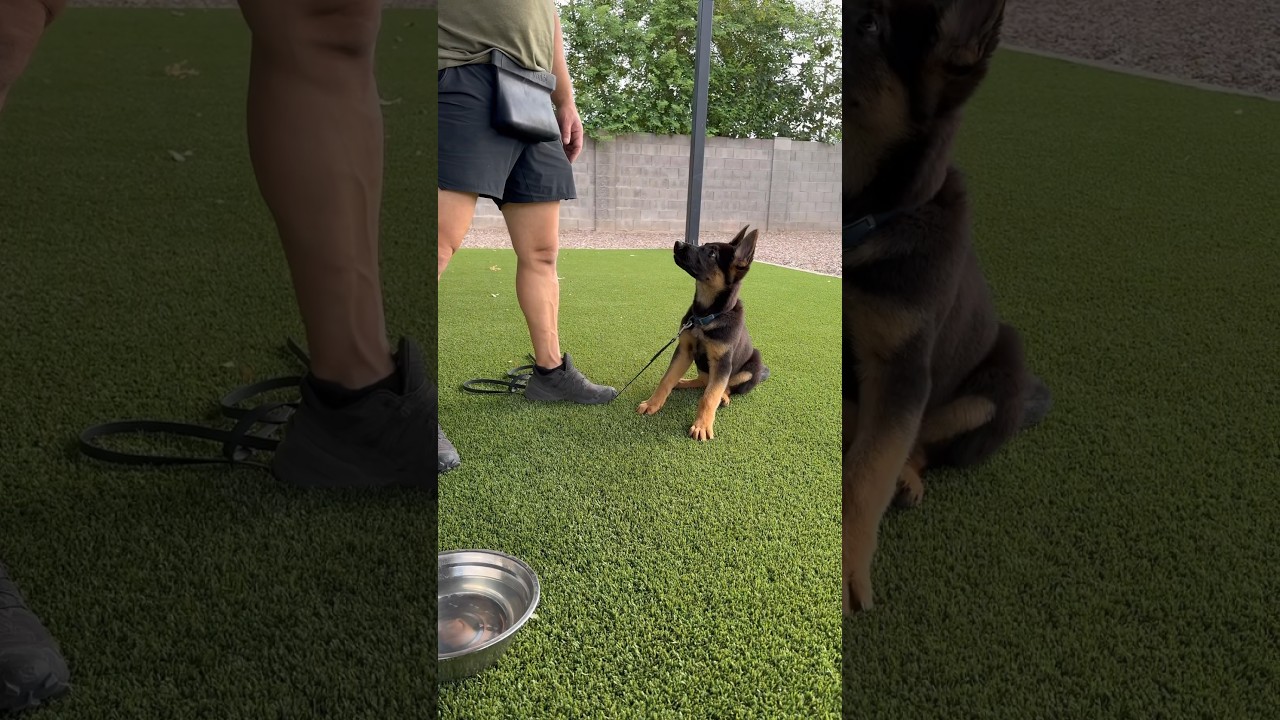
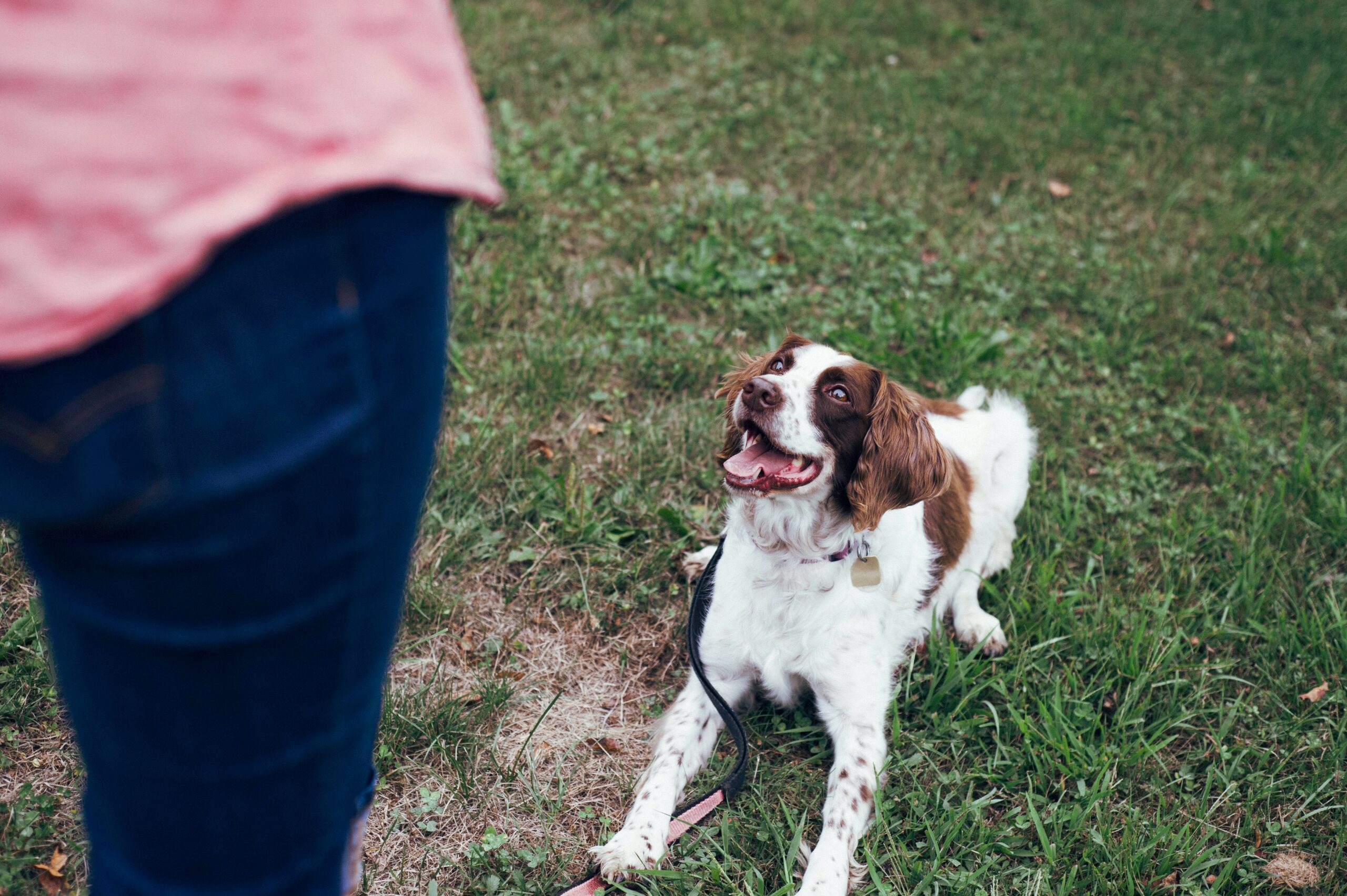
Training can be an excellent way to build communication and trust.
Start with short sessions of around 5 to 10 minutes and focus on simple behaviors such as:
- Responding to their name
- Making eye contact
- Sitting
- Coming when called
- Going to their bed
- Walking calmly on a leash
Reward behaviors you want to see with treats, toys, praise, or another reward your dog enjoys.
Keep sessions positive and stop while your dog is still interested.
Watch your dog’s body language throughout the session. Signs such as cowering, repeatedly licking their lips, turning away, excessive panting, or showing the whites of their eyes can indicate discomfort or stress.
If your dog appears overwhelmed, give them a break and try again later at an easier level.
Be Prepared for Stress-Related Behaviors
Some dogs display unexpected behaviors after arriving in a new home.
Possible stress behaviors include:
- Excessive barking or whining
- Pacing
- Difficulty settling
- Potty accidents
- Destructive chewing
- Hiding
- Jumping
- Pulling on the leash
- Reactivity toward people or other dogs
These behaviors can have many causes, and they should not automatically be dismissed as simply part of the adjustment process.
Management can help while your dog settles in.
Supervise your dog when appropriate, provide suitable chew toys and enrichment, maintain a regular bathroom schedule, and make sure they have somewhere quiet to rest.
If a concerning behavior continues, becomes severe, or creates a safety issue, seek professional help rather than waiting for it to disappear.
Choose Positive Reinforcement
Positive reinforcement focuses on rewarding behaviors you want your dog to repeat.
For example, if your dog calmly sits instead of jumping on someone, reward the calm behavior. If they look at you when called, offer praise or a treat.
This helps your dog understand what behavior earns a positive response.
Avoid physical punishment, intimidation, or harsh corrections. These approaches can increase fear or anxiety in some dogs and can make it harder to build trust.
Instead, manage the environment, redirect unwanted behavior when possible, and teach your dog an appropriate alternative.
Pay Attention to Your Dog’s Body Language
Learning canine body language can make the adjustment process much easier.
A relaxed dog may have a loose body, natural posture, and comfortable movements. A stressed dog may display behaviors such as:
- Turning their head away
- Avoiding eye contact
- Hiding
- Lowering their body
- Lip licking
- Yawning when not tired
- Repeated pacing
- Tucked tail
- Excessive panting
No single behavior should always be interpreted in isolation. Look at the overall situation and your dog’s normal behavior.
Understanding these signals can help you recognize when your dog needs more space or when an experience is becoming too overwhelming.
Introduce New Experiences Gradually
Once your dog is comfortable at home, you can begin expanding their world.
Instead of taking your dog everywhere at once, introduce new experiences one step at a time.
A new experience might be:
- Walking on a quiet street.
- Visiting a slightly busier area.
- Meeting one calm person.
- Encountering a calm, suitable dog.
- Exploring a new environment.
Keep experiences manageable and allow your dog time to recover between challenging situations.
The goal isn’t to expose your dog to everything as quickly as possible. The goal is to help them develop confidence through successful experiences.
Don’t Hesitate to Get Professional Help
Some newly adopted dogs need more support than an owner can provide alone.
A qualified, reward-based dog trainer or veterinary behavior professional can help you understand persistent behavioral problems and create an appropriate training plan.
Professional assistance can be especially useful when a dog displays:
- Severe fear
- Aggression
- Significant separation-related problems
- Persistent reactivity
- Resource guarding
- Dangerous behavior
- Sudden changes in behavior
Your veterinarian can also help rule out medical issues that could be contributing to changes in behavior.
Getting professional help isn’t a sign that you’ve failed. It can be an important part of helping your adopted dog become comfortable and successful in their new home.
How to Help Your Adopted Dog Feel at Home
The most important things you can provide during the adjustment period are surprisingly simple:
- Give your dog time.
- Maintain a predictable routine.
- Provide a quiet safe space.
- Avoid overwhelming them with visitors and activities.
- Let them approach you voluntarily.
- Reward calm and desirable behavior.
- Learn to recognize signs of stress.
- Introduce new experiences gradually.
- Use humane, reward-based training.
- Seek professional guidance when needed.
Your dog may not adjust according to a specific timeline, and that’s okay.
Some dogs become comfortable within days. Others need weeks or months before they confidently show their personality.
Frequently Asked Questions
How long does it take a newly adopted dog to adjust?
There is no universal timeline. Some dogs settle within days, while others need several weeks or months. The 3-3-3 rule can be used as a general framework, but individual experiences vary considerably.
Should I give my new rescue dog lots of attention?
Not necessarily. Allow your dog to choose when they want interaction. Some dogs enjoy attention immediately, while others need time and space before becoming comfortable with physical contact.
Should I invite people over after adopting a dog?
It’s often helpful to keep the first days relatively quiet. Once your dog is comfortable at home, introduce visitors gradually and make sure your dog has somewhere peaceful to retreat.
What if my adopted dog has accidents in the house?
Accidents can happen during the adjustment period. Establish a consistent bathroom routine, supervise your dog when possible, and reward appropriate bathroom behavior. Persistent problems may warrant advice from a veterinarian or qualified trainer.
What training method should I use with a rescue dog?
Reward-based training is a useful approach for teaching new behaviors while helping build positive associations. Avoid methods based on fear or physical punishment.
Final Thoughts
Adopting a dog is the beginning of a relationship, not the end of the rescue process.
Your new companion may need time to understand their surroundings, learn your routines, and discover that they are finally somewhere safe.
By providing consistency, personal space, positive reinforcement, and plenty of patience, you can give your dog the foundation they need to become more comfortable and confident.
The strongest bond often develops gradually—one calm day, successful training session, and positive experience at a time.





Leave a comment