





Traveling with a pet can turn an ordinary vacation into a memorable adventure. Whether you’re planning a road trip with your dog, a weekend getaway, or a longer stay in a new city, having your companion along means you need to think about more than just where you’ll sleep.
Finding a genuinely pet-friendly hotel, vacation rental, campground, or other accommodation requires a little planning. A property may advertise itself as “pet-friendly,” but that doesn’t necessarily mean every type of pet is accepted, or that pets can stay without restrictions.
The good news is that finding suitable accommodation doesn’t have to be difficult. With some advance research and a few important questions, you can choose a place that works for both you and your pet.
1. Start Searching Before Your Trip
One of the easiest ways to make pet-friendly travel stressful is to wait until the last minute.
Popular pet-friendly properties can fill quickly, particularly during holidays, school vacations, and peak travel seasons. Start researching accommodation as soon as you know your destination and approximate travel dates.
When comparing properties, don’t focus only on the room price. Consider:
- Pet fees
- Deposit requirements
- Number of pets allowed
- Size or weight restrictions
- Breed restrictions, where applicable
- Rules about leaving pets alone
- Leash requirements
- Access to outdoor areas
- Nearby parks or walking routes
- Cancellation policies
- Cleaning fees
Creating a simple comparison list can make it much easier to see which properties actually suit your needs.
2. Look for Accommodation That Clearly Welcomes Pets
The phrase “pet-friendly” can mean different things to different businesses.
Some hotels may allow pets but restrict them to certain rooms. Others may welcome dogs but not cats or other animals. A vacation rental might allow pets but prohibit them from furniture, bedrooms, or certain outdoor areas.
Read the property’s pet policy carefully instead of relying solely on a “pets allowed” label.
Dedicated pet-travel websites and booking platforms can also make the initial search easier because they allow travelers to identify properties that specifically cater to people traveling with animals.
However, always verify the current policy directly with the accommodation before making a final booking.
3. Contact the Property Before Paying
Even when a property clearly advertises itself as pet-friendly, it’s worth contacting them directly.
Policies can change, websites can contain outdated information, and booking platforms may not show every restriction.
Ask questions such as:
- Do you accept my type of pet?
- Is there a size or weight limit?
- Are there limits on the number of pets?
- Is there a pet fee or refundable deposit?
- Can my pet stay in the room while I’m away?
- Are pets allowed in common areas?
- Is there a designated pet-relief area?
- Are there restrictions on where pets can sleep?
- What happens if my pet causes accidental damage?
- Are there quiet-hour rules?
Getting clear answers before arrival can prevent an uncomfortable surprise at check-in.
4. Understand the Difference Between Pet-Friendly and Pet-Welcoming
Not every pet-friendly property provides the same experience.
A basic hotel might simply allow pets to stay in selected rooms. Another property may provide designated walking areas, bowls, pet beds, waste bags, treats, or information about nearby pet services.
Think about what your pet actually needs.
For example, a dog that needs frequent outdoor breaks may do much better at a ground-floor accommodation near an outdoor area than in a high-rise hotel room several floors above the nearest exit.
A nervous pet may benefit from a quiet room away from elevators, busy entrances, and noisy common areas.
The best accommodation isn’t necessarily the one with the longest list of pet perks. It’s the one that fits your pet’s individual needs.
5. Check All Pet Fees Before Booking
A room that looks inexpensive at first can become considerably more expensive after pet-related charges are added.
Some properties charge:
- A nightly pet fee
- A one-time cleaning fee
- A refundable pet deposit
- A fee per pet
- A fee based on the length of the stay
Before booking, calculate the total cost rather than comparing only the advertised room rate.
Also ask whether the pet fee is refundable and whether there are separate charges for additional pets.
6. Read Recent Reviews From Other Pet Owners
Reviews can provide useful information that isn’t included in an official pet policy.
Look for comments from guests who traveled with animals. They may mention details such as:
- Whether staff were welcoming toward pets
- How easy it was to take dogs outside
- Whether rooms were located near pet-relief areas
- Noise levels
- Cleanliness
- Nearby walking routes
- Unexpected pet restrictions
- How well the property handled pet-related issues
Pay attention to recent reviews because policies and management can change over time.
Remember that individual experiences vary, so use reviews as one source of information rather than treating every comment as a guarantee.
7. Consider the Location, Not Just the Property
A pet-friendly room isn’t particularly convenient if there is nowhere suitable nearby for your pet to exercise or take bathroom breaks.
Before booking, look at the surrounding area.
Depending on your trip, useful nearby facilities might include:
- Dog parks
- Walking trails
- Beaches that permit dogs
- Open green spaces
- Pet-friendly restaurants
- Veterinary clinics
- Pet supply stores
- Grooming services
- Emergency animal hospitals
For longer stays, access to these services can make a major difference.
8. Choose a Room That Makes Life Easier
If you’re staying in a hotel, ask whether you can choose a room location that suits your pet.
Depending on availability, you might prefer a room:
- On a lower floor
- Near an exterior exit
- Away from elevators
- Away from busy hallways
- Away from conference rooms or event spaces
- Away from loud common areas
This can reduce unnecessary stress and make bathroom breaks much easier.
For anxious dogs, a quieter location may also help them settle into unfamiliar surroundings.
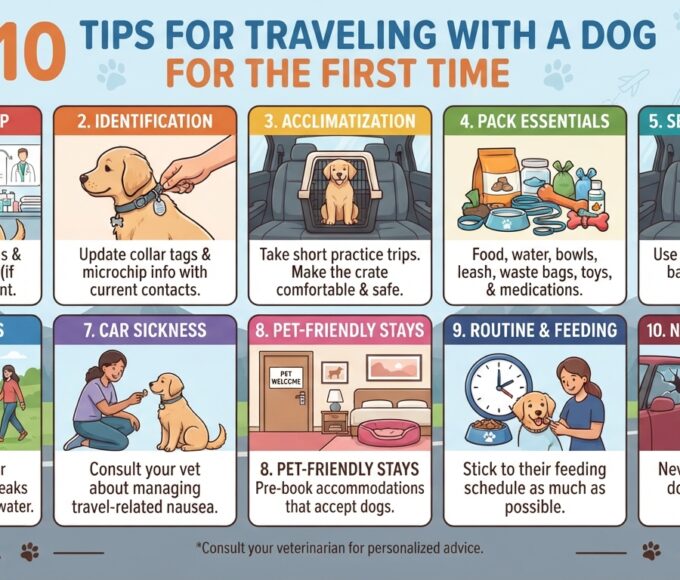
9. Bring Familiar Items From Home
A new hotel room or vacation rental can feel strange to a pet.
Familiar smells can help make the environment feel safer.
Consider bringing your pet’s:
- Regular food
- Food and water bowls
- Bed or blanket
- Favorite toys
- Leash and harness
- Collar and identification
- Waste bags
- Grooming supplies
- Medications
- Treats
- Crate or carrier, if appropriate
Keeping some familiar parts of your pet’s normal routine can also help reduce travel-related stress.
10. Don’t Assume Your Pet Can Be Left Alone
One of the most important rules to check before booking is whether pets are allowed to remain unattended in the room.
Some accommodations prohibit this entirely. Others allow it only if the pet is secured in a crate or carrier.
Even if a property permits it, consider whether your pet is comfortable being left alone in an unfamiliar environment.
A dog that normally relaxes peacefully at home may bark, scratch doors, or panic when left alone in a strange room.
If you’ll need time away from your pet, look into alternatives such as:
- Pet-sitting services
- Dog daycare
- Hotel-provided pet care
- A trusted local sitter
Never assume these services are available without checking first.
11. Bring Identification and Important Records
Travel increases the importance of keeping your pet properly identified.
Make sure your pet’s identification information is current and consider carrying:
- Identification tags
- Microchip information
- Your contact details
- Emergency contact information
- Veterinary records
- Medication instructions
- Relevant vaccination documentation
For international or long-distance travel, additional health or documentation requirements may apply depending on your destination.
It’s better to organize these documents before leaving home than to discover you need them during the trip.
12. Keep Your Pet’s Routine as Normal as Possible
Travel changes almost everything around your pet, so keeping familiar routines can provide some stability.
Try to maintain regular:
- Feeding times
- Bathroom breaks
- Walks
- Medication schedules
- Bedtime routines
- Quiet periods
You don’t have to follow the home schedule perfectly, but some consistency can help your pet adjust.
13. Inspect the Room Before Letting Your Pet Explore
When you arrive, take a few minutes to inspect the accommodation.
Look for anything that could create a safety problem, such as:
- Loose electrical cords
- Small objects
- Accessible cleaning products
- Open balconies
- Unsecured windows
- Gaps behind furniture
- Toxic plants
- Accessible trash bins
- Small spaces where a pet could become trapped
This is especially important with curious puppies and cats.
If you’re staying in a vacation rental, don’t assume the property has been completely pet-proofed simply because pets are permitted.
14. Be a Considerate Pet Traveler
Being a responsible guest helps maintain good relationships between accommodations and pet owners.
Keep your pet under control in shared areas, follow leash rules, clean up after bathroom breaks, and prevent your pet from disturbing other guests whenever possible.
If your dog barks at unfamiliar noises, work on managing triggers rather than allowing prolonged barking.
If an accident happens, notify the property rather than attempting to hide it.
Responsible behavior helps demonstrate that pets and hospitality businesses can successfully coexist.
15. Look for Pet Amenities That Actually Matter
Some accommodations offer attractive pet extras, but not every amenity is equally useful.
Depending on your pet, useful features might include:
- Pet beds
- Food and water bowls
- Waste bags
- Designated walking areas
- Outdoor pet-relief stations
- Wash stations
- Pet-sitting services
- Nearby trails
- Easy outdoor access
Don’t choose a property simply because it offers treats or a welcome gift. Consider which features will genuinely make your trip easier.
16. Have a Backup Plan
Travel rarely goes exactly according to plan.
Your pet may become stressed, your accommodation may have an unexpected problem, or your transportation plans may change.
Keep important information accessible, including:
- A nearby veterinarian
- Emergency veterinary clinic
- Alternative pet-friendly accommodation
- Pet sitter or daycare options
- Your pet’s medical records
- Transportation options
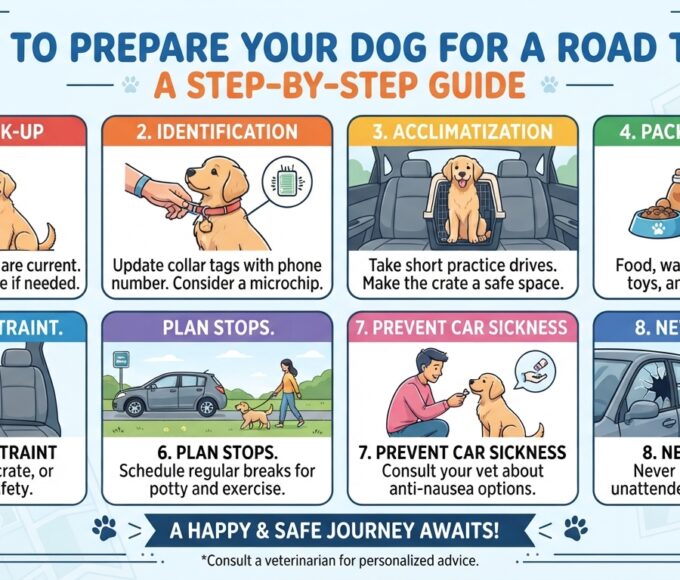
If you’re taking a road trip, identify several pet-friendly stopping points along the route instead of relying on a single location.
Hotel, Vacation Rental, or Campground: Which Is Better?
There isn’t one accommodation type that works for every pet.
Hotels
Hotels can be convenient for short stays and often provide easy access to services and restaurants. However, shared hallways, elevators, and unfamiliar noises may be stressful for some animals.
Vacation Rentals
A house, apartment, or cabin can provide more space and privacy. This may be particularly useful for longer stays, although individual rental properties can have detailed pet restrictions.
Campgrounds
Camping can be an excellent option for dogs that enjoy the outdoors, but you’ll need to check leash rules, wildlife risks, weather conditions, and whether pets are allowed at your specific campsite.
Choose based on your pet’s temperament, your itinerary, and the amount of space and privacy you need.
What to Pack for a Pet-Friendly Stay
A basic pet travel checklist can prevent forgotten essentials.
Pet Travel Checklist
- Food and treats
- Food and water bowls
- Fresh water for the journey
- Leash and harness
- Collar and identification tags
- Waste bags
- Bed or blanket
- Favorite toys
- Crate or carrier
- Medications
- Grooming supplies
- Towels
- Cleaning supplies
- Veterinary records
- Emergency contact information
It’s often helpful to pack a separate pet travel bag so you don’t have to search through your main luggage whenever your pet needs something.
Common Mistakes to Avoid
Even experienced pet travelers can make mistakes. Try to avoid these common problems:
Booking without checking the pet policy: A property can advertise itself as pet-friendly while still having significant restrictions.
Ignoring extra charges: Always calculate the complete cost of the stay.
Assuming your pet can stay alone: Check the rules before booking.
Choosing accommodation based only on price: A slightly more expensive room may be much more convenient if it provides easy outdoor access.
Forgetting familiar items: A favorite blanket or bed can help your pet settle in.
Skipping local research: Knowing where the nearest vet and pet-friendly walking area are can make the trip much easier.
Failing to consider your pet’s personality: A busy hotel might be fine for a confident dog but overwhelming for a nervous one.
Frequently Asked Questions
How do I know if a hotel is truly pet-friendly?
Read the property’s current pet policy and contact the accommodation directly. Confirm which animals are accepted, whether there are size or breed restrictions, what fees apply, and whether pets can be left unattended.
Do pet-friendly hotels usually charge extra?
Many do, but policies vary. Some charge a nightly fee, while others use a one-time cleaning charge or refundable deposit. Always confirm the total cost before booking.
Can I leave my dog alone in a hotel room?
It depends on the property’s rules and your dog’s behavior. Some accommodations prohibit unattended pets, while others may require them to be crated. Never assume it is permitted.
How can I help my pet settle into a hotel room?
Bring familiar bedding or toys, maintain a reasonably consistent routine, provide exercise and bathroom breaks, and give your pet a quiet area where they can relax.
Should I choose a ground-floor room when traveling with a dog?
A ground-floor room can be convenient because bathroom breaks and outdoor walks may be easier. However, the best room location depends on your dog’s individual needs and the property’s layout.
What should I do if my pet becomes anxious during the stay?
Give your pet a quiet, familiar space and maintain a predictable routine. Reduce exposure to stressful triggers where possible. If anxiety is severe, persistent, or accompanied by concerning physical symptoms, contact a veterinarian for advice.
Final Thoughts
Finding the right pet-friendly accommodation is about more than locating a hotel that simply allows animals through the door. The best choice is one that fits your pet’s size, temperament, routine, and individual needs while also working for your travel plans.
Start your research early, read the complete pet policy, confirm the details directly with the property, calculate all additional costs, and look at what’s available in the surrounding area.
Most importantly, remember that your pet is experiencing a completely unfamiliar environment. A little preparation, patience, and consideration can make the difference between a stressful stay and a comfortable adventure you both enjoy.
With the right accommodation and a well-prepared travel plan, bringing your pet along can become one of the best parts of the journey.






Leave a comment