


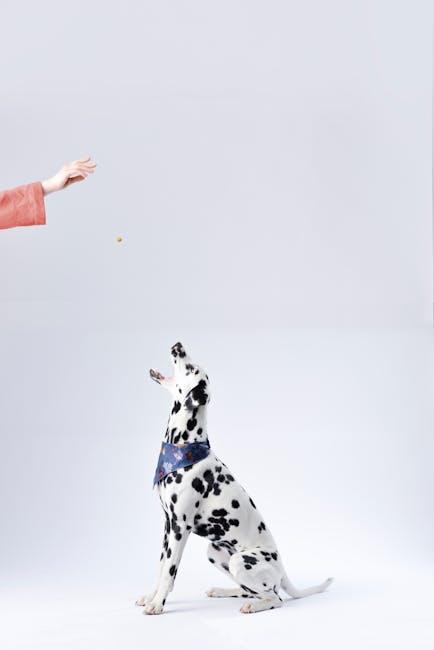
Dog training doesn’t have to feel like a strict classroom lesson. When you turn learning into a game, your dog gets a chance to use their brain, move their body, earn rewards, and spend quality time with you.
Whether you’re raising a puppy, teaching an adult dog new skills, or helping a rescue settle into a new home, enjoyable training can make the process more rewarding for both of you.
From tasty treats and favorite toys to simple games and positive reinforcement, here are some fun dog training tips to make every session something your canine companion can look forward to.
Gather a Few Training Essentials
You don’t need an entire room full of equipment to train your dog. A few simple items can make sessions easier and more engaging.
Helpful Training Supplies
- Small treats: Use tiny, appealing rewards that your dog enjoys.
- Favorite toys: A ball, tug toy, or another preferred toy can serve as a reward.
- Clicker: A clicker can help mark the exact moment your dog performs the desired behavior.
- Leash and harness: Useful for practicing walking and outdoor skills safely.
- Training mat: A designated mat can help teach your dog to settle in one place.
- Puzzle toys: These can provide additional mental stimulation between training exercises.
Keep treats small and account for them as part of your dog’s overall daily food intake. The goal is to reward useful behavior without turning every training session into a large meal.
Use Positive Reinforcement
One of the easiest ways to make training enjoyable is to reward behaviors you want to see more often.
When your dog performs the desired behavior, immediately follow it with something valuable to them. Depending on the dog, that might be a treat, praise, a favorite toy, or a short game.
For example, if you’re teaching “sit,” reward your dog as soon as their bottom reaches the floor. With repetition, your dog can begin connecting the word, the behavior, and the reward.
Simple Ways to Reward Your Dog
| Reward | When It Can Help |
|---|---|
| Small treat | Teaching new behaviors |
| Verbal praise | Reinforcing familiar behaviors |
| Favorite toy | Energetic or playful dogs |
| Short game | Dogs motivated by play |
| Access to something enjoyable | Reinforcing calm behavior |
Consistency is important. Use clear cues and reward the behavior you actually want rather than rewarding your dog randomly.
Avoid Turning Training Into a Punishment Session
Mistakes are part of learning. Instead of frightening or physically correcting your dog, calmly redirect them toward a behavior you can reward.
A training session should help your dog understand what to do, not simply what not to do.
Turn Training Into a Game
Dogs often enjoy learning when training feels like play.
Try Hide-and-Seek
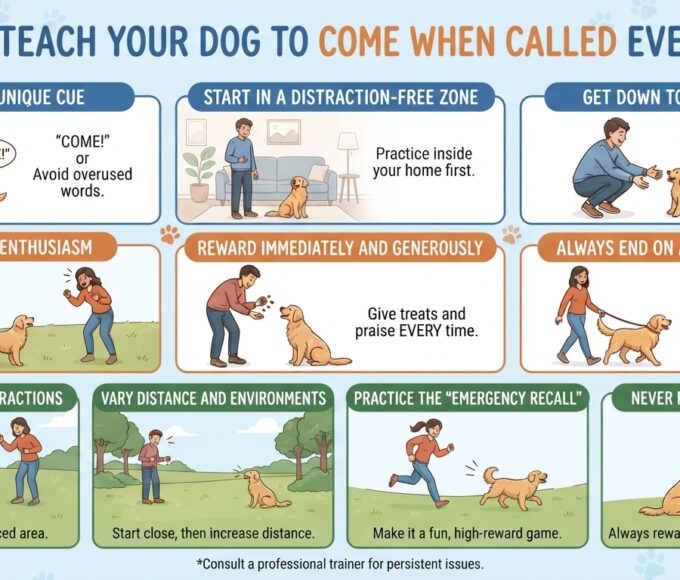
Ask your dog to stay while you move a short distance away and hide somewhere easy to find. Call their name and celebrate when they locate you.
This can be a fun way to practice responding to their name and coming when called.
Start somewhere safe and easy before gradually increasing the difficulty.
Create a Treat Hunt
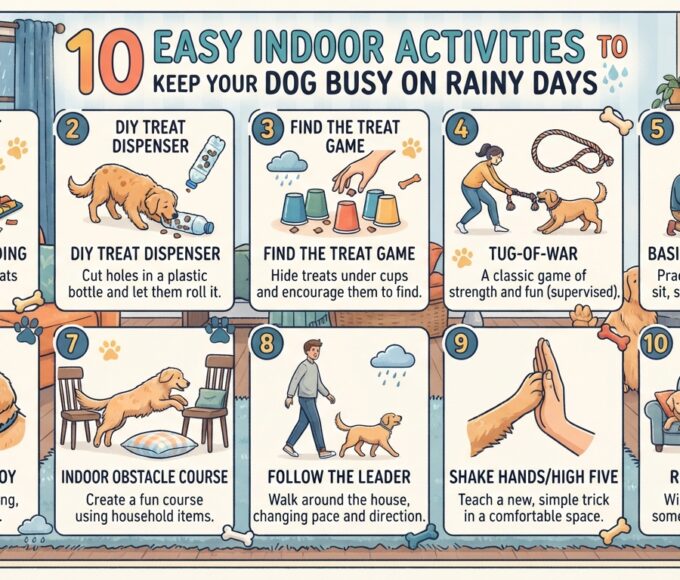
Hide a few pieces of your dog’s daily food or treats in safe, easy-to-access locations. Encourage them to use their nose to find the rewards.
You can eventually make the game more challenging by using puzzle feeders or increasing the search area.
Add Training to Fetch
If your dog loves retrieving toys, incorporate simple cues into the game.
For example:
- Ask for a sit.
- Show the toy.
- Release your dog to retrieve it.
- Ask for the toy back.
- Reward cooperation with another round of play.
This turns an ordinary game into an opportunity to practice impulse control and communication.
Try a Simple Indoor Obstacle Course
You can create a beginner-friendly activity using safe household objects.
For example, you might arrange cushions, cones, cardboard boxes, or other stable objects to encourage your dog to walk around or through them.
Keep the obstacles low and easy. Avoid activities that require a dog to make risky jumps, especially puppies, older dogs, or dogs with physical limitations.
The goal isn’t to create a professional agility course. It’s simply to give your dog something interesting to explore while following your guidance.
Keep Your Dog Mentally Engaged
Training isn’t only about physical movement. Dogs also benefit from activities that require them to think and make choices.
Try:
- Puzzle feeders
- Scent games
- Finding hidden toys
- Learning new tricks
- Name-your-toy games
- Simple food-search activities
- “Touch” or hand-target training
- Practicing different commands in new locations
Mental activities can be especially useful on days when long physical exercise isn’t practical.
Make Training a Bonding Experience
Training gives you and your dog a chance to communicate.
Instead of viewing every session as a test of obedience, think of it as a conversation. You provide a cue, your dog responds, and you show them which behavior earns a reward.
Play can make this interaction even more enjoyable.
You might practice a few commands before playing fetch, ask for a simple behavior before opening the door, or reward your dog for calmly settling beside you.
These small moments can become part of everyday life.
Watch Your Dog’s Body Language
Fun training should actually look and feel enjoyable to your dog.
Some dogs become excited and enthusiastic during training. Others prefer calmer sessions and may lose interest quickly.
Signs that your dog is comfortable can include:
- Voluntarily engaging with you
- Taking treats normally
- Offering familiar behaviors
- Relaxed body language
- Returning to the training area after a break
- Showing interest in toys or games
If your dog begins avoiding you, hiding, repeatedly yawning, freezing, becoming unusually distracted, or showing other signs of stress, make the exercise easier or take a break.
Training should be adjusted to the individual dog.
Keep Sessions Short and Successful
Long sessions aren’t necessarily better.
If your dog is still learning, several short sessions may be easier than one extended lesson. Stop while your dog is still interested whenever possible.
A simple session might look like this:
1–2 minutes: Warm-up with familiar behaviors
3–5 minutes: Practice one new skill
1–2 minutes: Play or another rewarding activity
Final repetition: End with something your dog already knows
The exact length should depend on your dog’s age, experience, environment, and ability to stay engaged.
Be Consistent With Your Cues
Dogs learn through repeated associations, so consistency makes training easier.
If you use “down” to ask your dog to lie down, try not to randomly switch between several different words for the same behavior.
Everyone in the household should also understand the basic cues and rules.
For example, if one person rewards a dog for jumping on the sofa while another person discourages it, the dog may receive confusing information.
Clear expectations make learning easier.
Make Everyday Activities Part of Training
You don’t have to reserve training for a specific time of day.
Everyday moments can become learning opportunities.
Ask for a calm behavior before:
- Opening the front door
- Putting down the food bowl
- Throwing a toy
- Attaching the leash
- Getting into the car
- Going outside
- Greeting someone
These short exercises can help your dog practice useful behaviors in real situations.
Socialization Is Also Part of Learning
Training isn’t limited to commands.
Dogs also need opportunities to become comfortable with appropriate people, environments, sounds, surfaces, handling, and other experiences.
For puppies especially, new experiences should be introduced gradually and positively, while taking vaccination status and disease exposure into account.
Don’t force a nervous dog into an overwhelming situation. Give them enough distance and time to remain comfortable.
What If Your Dog Doesn’t Understand?
Don’t assume your dog is being stubborn simply because they aren’t performing a behavior.
The exercise may be:
- Too difficult
- Moving too quickly
- Being practiced in a distracting environment
- Using an unclear cue
- Offering a reward your dog doesn’t value
- Asking for too much at once
Make the task easier and reward smaller steps.
For example, if your dog can’t hold a “stay” for 30 seconds, start with a much shorter duration and gradually build from there.
8 Fun Dog Training Ideas to Try
| Activity | Skill You Can Practice |
|---|---|
| Hide-and-seek | Recall and name recognition |
| Treat hunt | Scent work and problem-solving |
| Fetch with cues | Impulse control and retrieving |
| Toy cleanup | Object interaction |
| Hand targeting | Focus and communication |
| Simple obstacle course | Confidence and body awareness |
| Puzzle feeder | Problem-solving |
| Trick training | Focus and cooperation |
Choose activities that match your dog’s physical ability and personality.
Frequently Asked Questions
Why should dog training be fun?
Enjoyable training can keep your dog engaged and give you more opportunities to practice useful behaviors. It also creates positive interactions between you and your dog.
What is the best reward for dog training?
There isn’t one reward that works for every dog. Some dogs prefer food, while others are highly motivated by toys, praise, play, or access to something they enjoy.
How long should dog training sessions last?
Short sessions are often easier for dogs to handle, especially when they’re learning something new. You can train for a few minutes at a time and repeat sessions throughout the day.
Can older dogs learn new tricks?
Yes. Older dogs can continue learning new behaviors. You may simply need to adjust the pace, environment, rewards, and physical demands to suit them.
What should I do if my dog makes a mistake?
Stay calm and avoid turning the mistake into a punishment. Reset the exercise, make it easier if necessary, and reward the behavior you want.
Are training games useful for puppies?
Yes, simple games can help puppies learn to focus on their owners and practice basic behaviors. Keep activities age-appropriate and avoid physically demanding exercises.
Should I use treats every time?
Treats can be very useful when teaching a new behavior. As your dog becomes more reliable, you can vary the rewards and gradually rely more on praise, play, or other reinforcers when appropriate.
What if my dog becomes stressed during training?
Stop or simplify the exercise and give your dog a chance to relax. If a particular behavior or situation consistently causes significant fear or stress, consider working with a qualified reward-based trainer or veterinary behavior professional.
Final Thoughts
Dog training doesn’t need to be a serious, repetitive routine. When you combine clear communication, positive reinforcement, games, and rewards, learning can become one of the most enjoyable parts of your dog’s day.
Start with simple behaviors, keep sessions manageable, celebrate small improvements, and pay attention to your dog’s body language. Most importantly, remember that every dog learns at a different pace.
The goal isn’t simply to create a dog that follows commands. It’s to build communication, confidence, and a stronger relationship with your canine companion—one fun training session at a time.





Leave a comment