




Bringing home a puppy means taking on more than feeding and playing. Good grooming is an important part of helping your new companion stay comfortable, clean, and healthy.
Starting grooming habits while your puppy is young can also make future care much easier. Brushing, nail trimming, bathing, ear care, and dental hygiene are easier to manage when your puppy learns from an early age that these activities are normal parts of life.
The key is to make grooming gentle, gradual, and positive. You don’t have to complete every task in one session. Short, comfortable sessions can help your puppy build confidence while allowing you to monitor their skin, coat, paws, ears, and mouth.
Here are the essential puppy grooming habits every new dog owner should know.
1. Brush Your Puppy Regularly
Brushing is one of the simplest grooming habits to introduce early.
A brush can remove loose hair, dirt, and small pieces of debris while helping prevent tangles and mats. Regular grooming also gives you an opportunity to check your puppy’s skin for unusual bumps, irritation, parasites, or areas of discomfort.
The right brushing schedule depends heavily on the coat.
Short-haired puppies
Short-coated puppies may only need brushing a few times per week, although some benefit from more frequent sessions.
Long-haired puppies
Long-haired and curly-coated puppies generally require more frequent brushing to prevent mats and tangles.
Double-coated puppies
Puppies with dense undercoats may need specialized grooming tools and regular brushing as their adult coat develops.
Don’t pull aggressively through a knot. If you encounter a difficult mat, ask a professional groomer or veterinarian for help rather than causing your puppy pain.
Make Brushing a Positive Experience
Start by allowing your puppy to sniff the brush. Gently touch the brush to their coat for a few seconds and reward calm behavior.
Gradually increase the amount of brushing as your puppy becomes comfortable.
2. Introduce Your Puppy to Bathing
Most healthy puppies don’t need frequent baths. Too much bathing can dry or irritate the skin, particularly if inappropriate products are used.
Instead, bathe your puppy when they are genuinely dirty, have gotten into something unpleasant, or when your veterinarian or groomer recommends it.
Puppy Bathing Tips
Before starting, gather everything you need so you don’t have to leave your puppy unattended.
You’ll typically need:
- A puppy-safe shampoo
- Lukewarm water
- Towels
- A non-slip surface
- A gentle brush
- Treats for positive reinforcement
Wet your puppy gradually and keep water away from the eyes and inside the ears. Massage the shampoo gently into the coat and rinse thoroughly.
Rinsing is especially important. Shampoo residue left on the skin can cause irritation.
Afterward, towel-dry your puppy carefully and keep them warm until their coat is completely dry.
Never use human shampoo unless your veterinarian specifically recommends a product for your dog.
3. Keep Your Puppy Comfortable With Nail Trimming
Overgrown nails can become uncomfortable and may interfere with normal walking. Regular nail care helps keep your puppy’s paws healthy.
However, nail trimming can be intimidating for a new puppy owner.
A dog’s nail contains a sensitive area called the quick, which contains blood vessels and nerves. Cutting into it can cause pain and bleeding.
How to Introduce Nail Care
Don’t immediately try to cut all of your puppy’s nails.
Instead:
- Touch your puppy’s paw gently.
- Reward them for staying relaxed.
- Let them see and smell the nail clippers.
- Briefly touch the clippers to a nail.
- Reward calm behavior.
- Gradually trim tiny amounts as your puppy becomes comfortable.
If your puppy becomes frightened, stop and try again later.
You can also ask a veterinarian or professional groomer to demonstrate safe nail trimming.
4. Check and Clean Your Puppy’s Ears
Not every puppy needs routine ear cleaning. The appropriate frequency depends on factors such as ear shape, coat, allergies, skin health, and individual susceptibility to ear problems.
Instead of cleaning unnecessarily, check your puppy’s ears regularly for changes.
Watch for:
- Redness
- Swelling
- Strong odor
- Excessive wax
- Discharge
- Frequent scratching
- Head shaking
- Sensitivity when touched
If you notice these signs, speak with your veterinarian rather than simply cleaning the ear repeatedly.
Never Put Objects Deep Into the Ear
Avoid inserting cotton swabs or other objects into the ear canal. They can cause injury or push debris deeper into the ear.
If your veterinarian recommends an ear-cleaning solution, follow their instructions carefully.
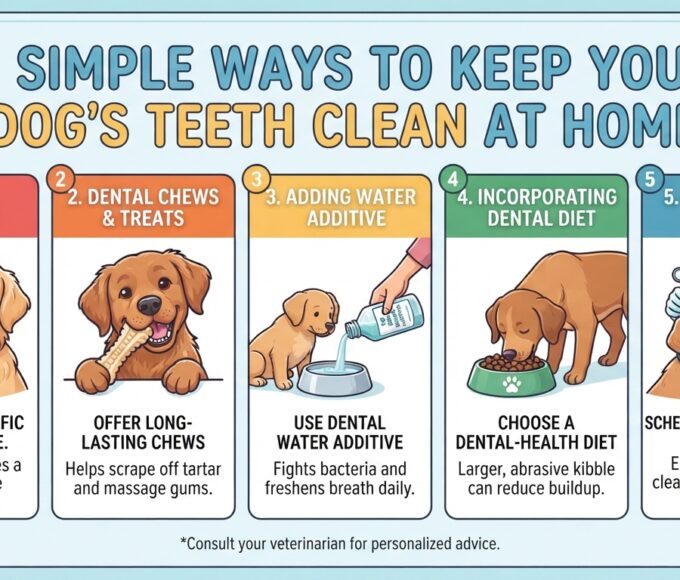
5. Start Dental Care Early
Puppy dental care is easy to overlook, but developing good oral-hygiene habits early can make future dental care much easier.
Begin by allowing your puppy to become familiar with having their mouth and lips gently handled.
Once they’re comfortable, gradually introduce a dog-specific toothbrush and toothpaste.
Never use human toothpaste unless specifically instructed by your veterinarian, because some human toothpaste ingredients can be unsafe for dogs.
Build Toward Regular Brushing
Don’t expect your puppy to tolerate a full tooth-brushing session immediately.
Start with a few seconds and gradually increase the duration.
Reward your puppy throughout the process so they associate dental care with something positive.
Your veterinarian can also advise you about dental chews, appropriate toys, and professional dental care.
6. Don’t Forget Your Puppy’s Paws
Paw care is another useful part of the grooming routine.
Regularly check between your puppy’s toes and around the paw pads for:
- Dirt
- Grass seeds
- Small stones
- Cuts
- Redness
- Cracked pads
- Foreign objects
Long hair around the feet may also collect dirt and moisture. Ask a professional groomer or veterinarian whether trimming is appropriate for your puppy’s coat.
Paw checks are particularly useful after outdoor adventures.
7. Make Grooming Part of Your Puppy’s Socialization
Grooming isn’t only about cleanliness. It also teaches your puppy to tolerate handling.
Throughout puppyhood, gently practice touching areas such as:
- Paws
- Ears
- Tail
- Face
- Legs
- Belly
- Mouth
This can help prepare your puppy for future veterinary examinations and professional grooming appointments.
Always keep handling gentle and stop if your puppy becomes overwhelmed.
8. Choose the Right Grooming Tools
You don’t need an enormous collection of grooming products.
The basic tools you need will depend on your puppy’s coat, but may include:
- Puppy-specific brush or comb
- Dog nail clippers or a nail grinder
- Puppy-safe shampoo
- Dog toothbrush
- Dog-specific toothpaste
- Soft towels
- Ear-cleaning solution recommended by a veterinarian
- Grooming wipes for occasional cleanup
Ask a professional groomer which brush is appropriate for your puppy’s particular coat.
Using the wrong tool can be uncomfortable and may make your puppy dislike grooming.
How Often Should You Groom a Puppy?
There isn’t one grooming schedule that works for every puppy.
A general routine might look like this:
| Grooming task | General approach |
|---|---|
| Brushing | Based on coat type, from a few times a week to daily |
| Bathing | When needed rather than on a rigid schedule |
| Nail trimming | Check regularly and trim when nails become too long |
| Ear checks | Regular visual checks; clean only when appropriate |
| Tooth brushing | Ideally build toward regular, preferably daily, brushing |
| Paw checks | Regularly, especially after outdoor activities |
| Professional grooming | Depends on breed, coat, and grooming needs |
Your veterinarian or groomer can help create a routine based on your puppy’s breed and coat.
How to Make Grooming Easier for a Puppy
Some puppies immediately accept grooming. Others squirm, bite the brush, or try to escape.
That’s normal.
Instead of forcing your puppy through a long grooming session, break the process into small steps.
Keep Sessions Short
A few calm minutes can be more useful than a long session that leaves your puppy frightened.
Use Rewards
Treats and praise can help your puppy associate grooming with positive experiences.
Introduce One Thing at a Time
Your puppy doesn’t need to experience brushing, nail trimming, bathing, and tooth brushing for the first time on the same day.
Stay Calm
Puppies can pick up on tension. Move slowly and speak calmly.
Don’t Force the Process
If your puppy is becoming extremely distressed, pause and try again later. For persistent grooming struggles, consider guidance from a qualified trainer, groomer, or veterinary behavior professional.
When Should You Take a Puppy to a Professional Groomer?
Professional grooming can be especially helpful for breeds with coats that require clipping, trimming, or specialized maintenance.
It’s also useful if you’re uncomfortable trimming nails or handling difficult areas.
Consider introducing your puppy to a groomer gradually rather than waiting until a full haircut is urgently needed.
A positive first grooming experience can make future appointments much easier.
Signs Your Puppy May Need Veterinary Attention
Grooming sessions can help you notice changes, but grooming should not replace veterinary care.
Contact your veterinarian if you notice issues such as:
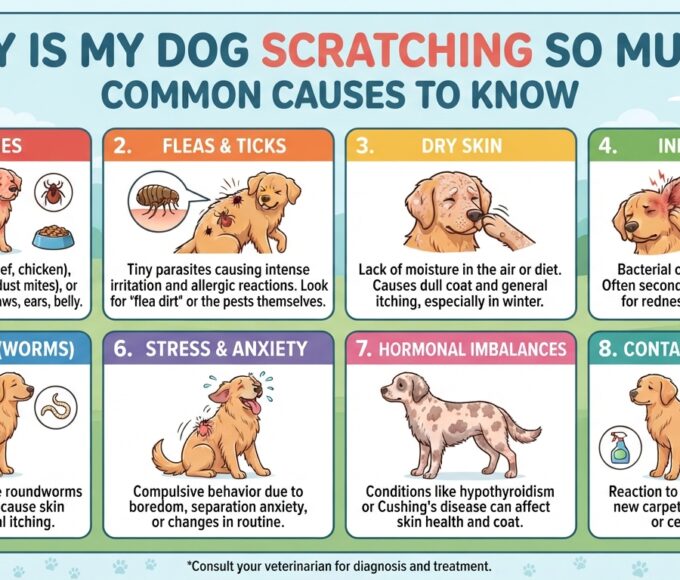
- Persistent itching
- Hair loss
- Skin sores
- Unusual lumps
- Strong ear odor
- Ear discharge
- Bleeding gums
- Persistent bad breath
- Broken or painful nails
- Sudden sensitivity to handling
Some grooming-related problems may have an underlying medical cause and require professional treatment.
Frequently Asked Questions About Puppy Grooming
How often should I brush my puppy?
It depends on the coat. Short-haired puppies may only need brushing several times per week, while long-haired or curly-coated puppies may require daily brushing.
How often should a puppy have a bath?
Most puppies don’t need frequent bathing. Bathe them when necessary and use a gentle product specifically formulated for dogs.
Can I use human shampoo on my puppy?
It’s generally better to use a shampoo formulated for dogs. Human products may not be appropriate for a dog’s skin.
When should I start trimming my puppy’s nails?
You can begin introducing paw handling as soon as your puppy comes home. Actual trimming should be introduced gradually, taking only small amounts off the nails.
Should I clean my puppy’s ears every week?
Not necessarily. Some dogs need regular ear cleaning while others don’t. Excessive cleaning can irritate the ears, so follow your veterinarian’s recommendations.
When should I start brushing my puppy’s teeth?
You can begin introducing mouth handling during puppyhood. Gradually work toward regular brushing with a dog-specific toothbrush and toothpaste.
What if my puppy hates being groomed?
Don’t turn grooming into a battle. Break the process into smaller steps, use rewards, and build your puppy’s tolerance gradually. If the problem continues, ask a professional for help.
Final Thoughts
Puppy grooming is about much more than keeping your dog looking clean and adorable. Regular grooming gives you an opportunity to care for your puppy’s coat, paws, nails, ears, and teeth while teaching them that being handled is a normal part of life.
Start slowly, use positive reinforcement, and choose grooming tools that match your puppy’s coat and needs. Some puppies will become comfortable quickly, while others need more time and patience.
By establishing healthy grooming habits early, you’re helping your puppy become more comfortable with routine care—and setting the foundation for a healthier, happier life together.





Leave a comment