




Bringing a puppy home is the beginning of a special relationship. Those tiny paws, curious eyes, and playful personalities can quickly become a huge part of your everyday life. But while puppies may seem eager to love everyone they meet, a strong bond with their new family develops gradually through patience, trust, communication, and consistent care.
Your puppy has just entered a completely unfamiliar world. New smells, sounds, people, rooms, routines, and rules can be overwhelming. Giving your puppy time to adjust while becoming a predictable and positive presence in their life can help create the foundation for a lasting relationship.
Whether you’re raising your first puppy or welcoming another dog into your family, these practical tips can help you build trust and deepen your connection.
1. Spend Quality Time Together
One of the simplest ways to bond with a puppy is to spend time together.
You don’t have to entertain your puppy every minute of the day. In fact, puppies need plenty of sleep. Instead, focus on having regular periods of positive interaction throughout the day.
You might:
- Play with an appropriate toy
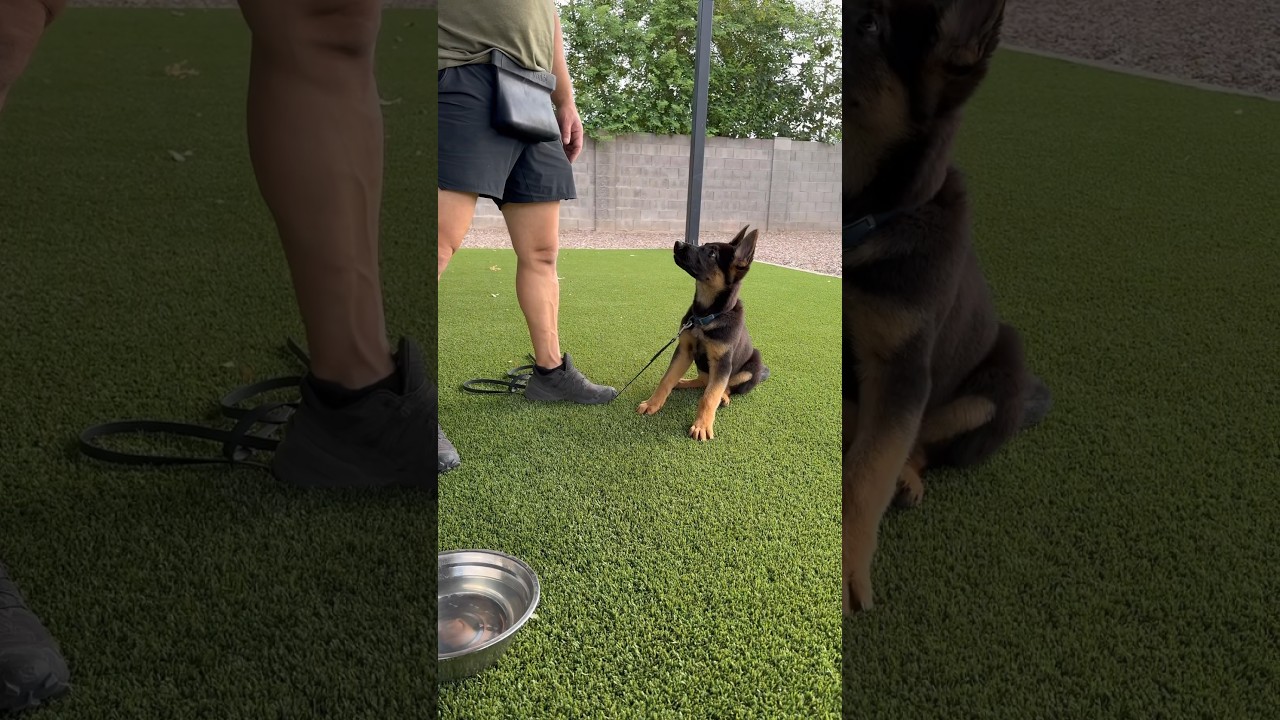
- Practice a few basic training cues
- Take a short age-appropriate walk
- Sit together while your puppy relaxes
- Gently groom your puppy
- Give them attention when they choose to approach you
- Explore a safe part of the house together
These everyday moments help your puppy learn that being around you is safe and rewarding.
Let Your Puppy Have Quiet Time Too
Bonding doesn’t mean constant interaction.
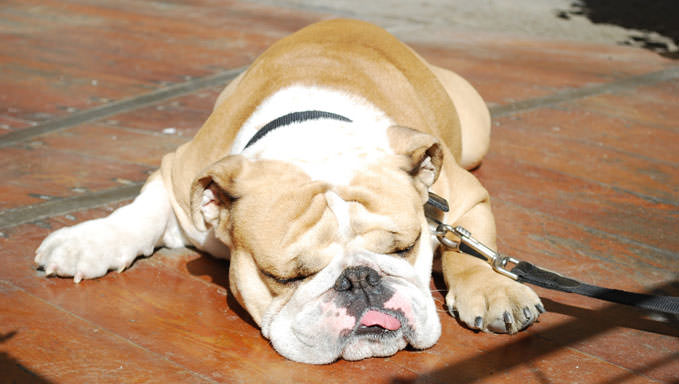
Puppies need substantial sleep and should have a comfortable place where they can rest without being disturbed. Learning to relax independently is also an important life skill.
A healthy relationship includes both together-time and opportunities for your puppy to settle peacefully on their own.
2. Use Training to Build Trust
Training isn’t just about teaching your puppy to sit or stay. It is one of the best ways to develop communication between you and your dog.
Use reward-based training to show your puppy which behaviors you want to see.
For example, when your puppy:
- Looks at you when you say their name
- Sits when asked
- Comes toward you
- Settles calmly
- Uses the appropriate bathroom area
- Walks nicely beside you
you can reward the behavior with a small treat, praise, play, or another reward your puppy enjoys.
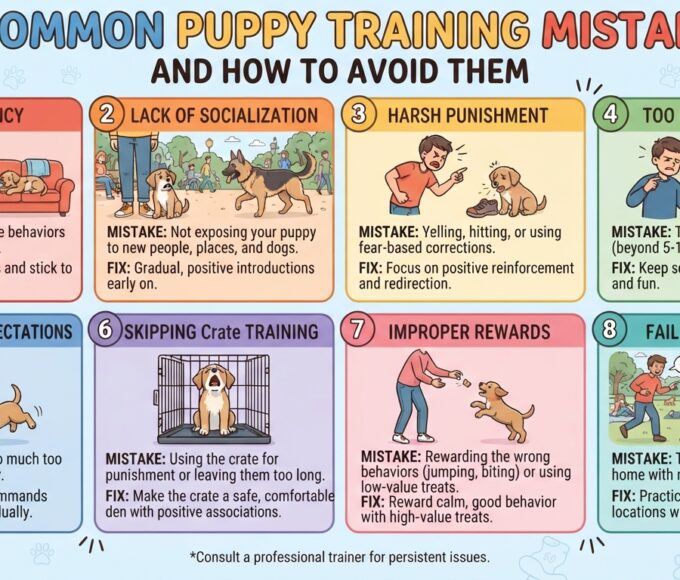
Keep training sessions short and fun. Young puppies have limited attention spans, and several brief sessions throughout the day are often easier than one long lesson.
Avoid Harsh Punishment
Puppies are still learning how the world works. Yelling, frightening, or physically punishing them can damage trust and may make future training more difficult.
Instead, calmly redirect unwanted behavior and reward appropriate alternatives.
3. Create a Predictable Daily Routine
A new puppy can feel overwhelmed by constant uncertainty.
A reasonably consistent routine can help your puppy understand what happens during the day.
Try to establish predictable periods for:
- Meals
- Potty breaks
- Play
- Training
- Rest
- Grooming
- Quiet time
- Bedtime
The exact schedule will depend on your puppy’s age, health, breed, individual needs, and your household.
Routine doesn’t have to mean doing everything at exactly the same minute. The goal is to give your puppy a general sense of what to expect.
Over time, that predictability can help them feel more secure.
4. Learn How Your Puppy Communicates
Your puppy can’t tell you with words when they’re tired, frightened, excited, uncomfortable, or overwhelmed.
Instead, they communicate through body language and behavior.
Pay attention to signals such as:
- Tail position
- Ear position
- Facial expression
- Posture
- Vocalizations
- Attempts to move away
- Changes in activity
- Lip licking or yawning in stressful situations
For example, a puppy that repeatedly moves away during an interaction may be asking for space rather than being “unfriendly.”
Learning to recognize these signals helps you respond appropriately.
The more often your puppy discovers that you listen to their signals, the easier it can be for them to trust you.
5. Make Socialization a Positive Experience
Puppy socialization is about much more than meeting lots of dogs.
A well-socialized puppy gradually learns how to remain comfortable around different people, animals, sounds, surfaces, environments, and everyday experiences.
Depending on your veterinarian’s recommendations and local disease risks, you might gradually introduce your puppy to:
- Different household sounds
- Car rides
- Friendly visitors
- Different floor surfaces
- Grooming equipment
- Collars and harnesses
- Household appliances
- Calm, appropriate dogs
- Different outdoor environments
The key is gradual exposure.
Don’t force a frightened puppy into an interaction. Give them enough distance and time to observe new things while remaining comfortable.
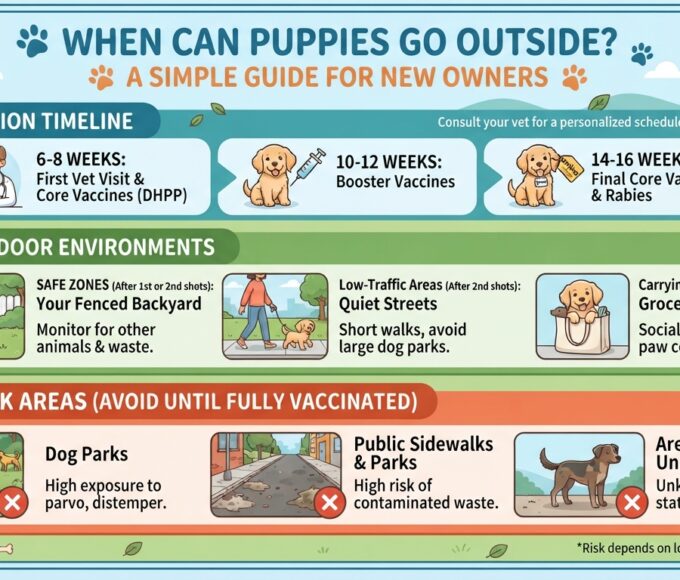
Your veterinarian can help you determine which socialization activities are appropriate before your puppy has completed their vaccination series.
6. Discover What Your Puppy Loves to Play
Play is a wonderful way to strengthen your relationship.
Some puppies love chasing toys, while others prefer tugging, carrying objects, sniffing, or solving food puzzles.
Try different appropriate activities and pay attention to your puppy’s preferences.
Fun Bonding Games
You can try:
Fetch: Encourage your puppy to chase and return a suitable toy.
Tug: When played appropriately, tug can be an engaging interactive game. Teach your puppy to release the toy when asked.
Find It: Hide a few treats or toys in safe, easy-to-find locations and encourage your puppy to search.
Name Game: Say your puppy’s name and reward them when they look toward you.
Simple Training Games: Turn basic cues into short, rewarding games.
Interactive play gives your puppy something enjoyable to do with you rather than simply playing alone.
7. Provide Plenty of Mental Stimulation
Puppies aren’t just bundles of physical energy. Their brains are developing rapidly too.
Mental enrichment can help keep them engaged and reduce boredom.
Consider providing:
- Food puzzles
- Snuffle activities
- Treat-dispensing toys
- Safe chew toys
- Short training sessions
- Supervised exploration
- Simple scent games
- Rotated toys
You don’t need to buy expensive equipment.
Even scattering part of your puppy’s meal in an appropriate enrichment setup or teaching a new trick can provide mental exercise.
Just make sure toys and chews are suitable for your puppy’s size and chewing habits, and supervise when necessary.
8. Build Positive Associations With Handling
Your puppy will eventually need routine handling for grooming, veterinary care, nail trims, dental care, and other necessities.
Instead of waiting until something needs to be done, introduce gentle handling gradually.
For example, briefly touch your puppy’s:
- Paws
- Ears
- Collar area
- Legs
- Tail
- Mouth area
Then reward calm behavior.
Keep sessions extremely short at first.
If your puppy becomes frightened or struggles, don’t force the interaction. Take a step back and work more gradually.
This can make future grooming and veterinary experiences easier while teaching your puppy that being handled doesn’t automatically mean something unpleasant is about to happen.
9. Give Affection in a Way Your Puppy Enjoys
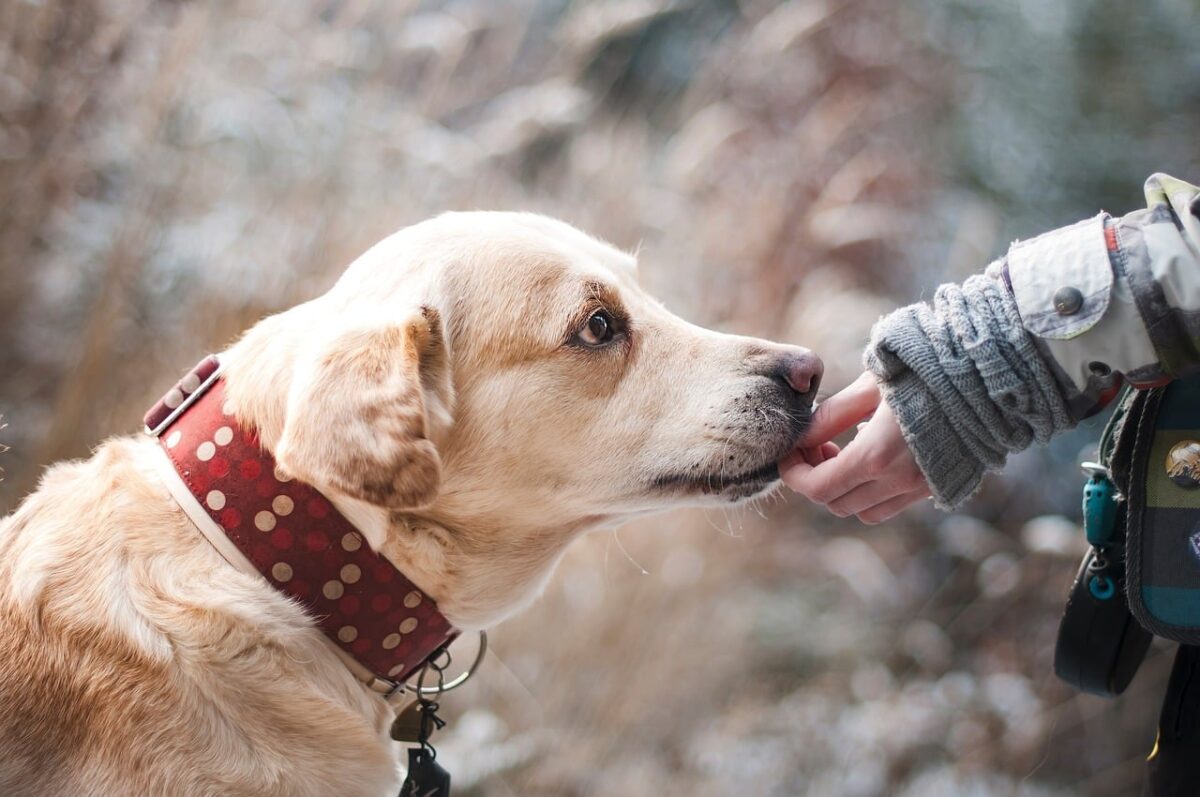
Many puppies enjoy cuddles, petting, and gentle physical affection, but individual preferences vary.
Rather than assuming your puppy always wants to be hugged or held, watch their body language.
Some puppies may enjoy:
- Gentle chest scratches
- Ear rubs
- Calm petting
- Sitting beside you
- Resting near your feet
Others may prefer interacting through play or training rather than prolonged physical contact.
Respecting your puppy’s boundaries is part of building trust.
Affection should feel safe and enjoyable for both of you.
10. Be Patient During the Difficult Stages
Puppyhood can be messy.
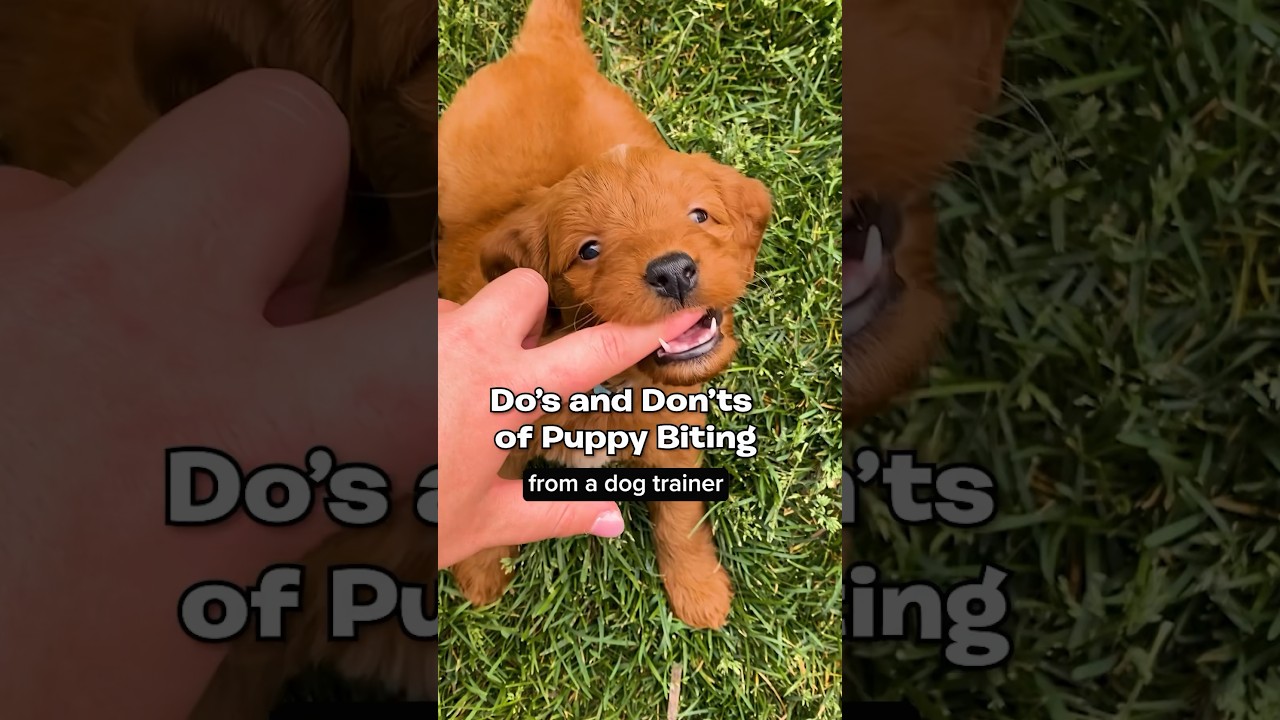
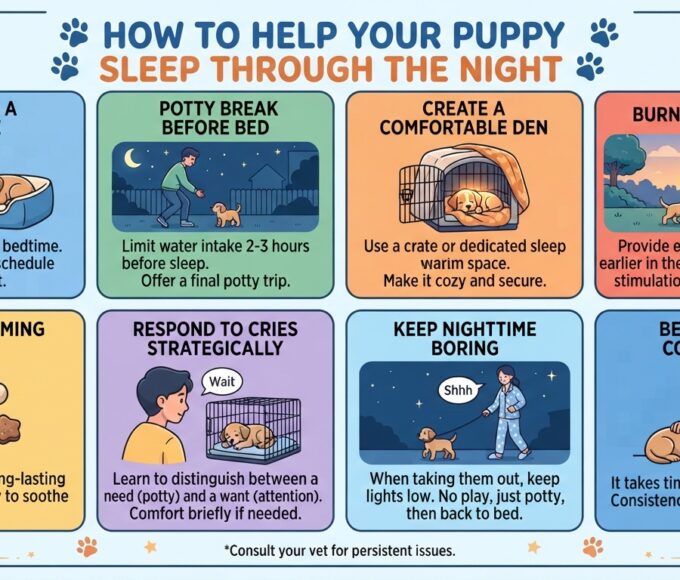
Your puppy may have accidents, chew furniture, bite during play, bark, wake up at night, pull on the leash, or struggle to settle.
These behaviors don’t mean your puppy doesn’t love you.
They’re still developing physically and emotionally and learning the rules of their new environment.
Instead of expecting perfect behavior immediately, focus on teaching your puppy what to do.
For example, if your puppy keeps chewing furniture, provide an appropriate chew toy and reward them for using it.
If they’re jumping on visitors, teach and reward an alternative behavior such as sitting or keeping four paws on the floor.
Progress may not always be linear, so patience is essential.
Create a Safe Home Base
Your puppy should have a comfortable area where they can relax.
This might include:
- A suitable bed
- Safe chew toys
- Fresh water
- A crate if you choose to crate train
- Familiar-smelling bedding
- A quiet place to sleep
The area should never be used as punishment.
A puppy that has a secure place to retreat can have an easier time managing busy household environments.
Help Your Puppy Learn That Being Alone Is Safe
A strong bond doesn’t mean your puppy should be with you every second.
Teaching appropriate independence from an early age can help your puppy become more comfortable when you aren’t immediately available.
Start with very short periods of separation while your puppy is relaxed. Give them a safe environment and an appropriate enrichment item, then gradually increase the duration as they cope comfortably.
Avoid suddenly leaving a puppy alone for long periods and expecting them to adjust immediately.
If your puppy shows significant distress whenever you’re separated, speak with your veterinarian or a qualified behavior professional for guidance.
Don’t Rush the Relationship
It’s tempting to expect an instant connection.
Sometimes it happens immediately. Other times, a puppy needs days or weeks to become completely comfortable.
Your puppy may initially hide, cry, avoid interaction, or seem uncertain in their new surroundings.
That’s not necessarily a sign that you’ve done something wrong.
Give them time.
Be consistent. Provide food, safety, rest, play, training, and affection without overwhelming them.
Trust develops through repeated experiences in which your puppy learns that you are dependable.
Signs Your Puppy Is Becoming Comfortable With You
Every puppy is different, but you may gradually notice signs such as:
- Choosing to stay near you
- Looking toward you for guidance
- Relaxing in your presence
- Bringing toys to you
- Responding to their name
- Seeking you out after becoming startled
- Sleeping comfortably nearby
- Becoming more confident while exploring
- Engaging willingly in training and play
These behaviors can indicate that your puppy is beginning to feel secure in the relationship.
Frequently Asked Questions
How long does it take for a puppy to bond with its owner?
There is no universal timeline. Some puppies become comfortable within days, while others need weeks or longer. A puppy’s previous experiences, temperament, age, environment, and individual personality can all influence the process.
How do I make my puppy trust me?
Be predictable, gentle, and consistent. Use reward-based training, respect your puppy’s boundaries, provide appropriate care, and give them time to adjust to their new environment.
Should I cuddle my puppy all the time?
Not necessarily. Many puppies enjoy affection, but they also need plenty of sleep and opportunities to relax independently. Follow your puppy’s body language and allow them to move away when they want space.
How can I bond with a shy puppy?
Move slowly and avoid forcing interaction. Sit nearby, speak calmly, offer treats when appropriate, and allow the puppy to approach you voluntarily. Gradual positive experiences can help build confidence.
Can training really strengthen my bond with my puppy?
Yes. Training gives you and your puppy a way to communicate. Reward-based training can make learning enjoyable while helping your puppy understand what you expect.
What if my puppy doesn’t seem attached to me?
Don’t panic. Bonding isn’t always immediate. Continue providing consistent care and positive experiences. If your puppy seems unusually withdrawn, fearful, lethargic, or shows a sudden behavioral change, consult your veterinarian.
Final Thoughts
Building a relationship with a new puppy isn’t about finding one magical trick. It’s about hundreds of small moments that happen every day.
A short training session, a gentle game, a peaceful nap beside you, a rewarding walk, a calm response to a mistake, or simply sitting together can all contribute to your puppy learning that you are someone they can trust.
Be patient, listen to your puppy’s body language, provide appropriate boundaries, and make learning enjoyable.
With time, those ordinary moments can grow into something special—a relationship built on trust, communication, companionship, and plenty of puppy love.





Leave a comment