




Some dogs are perfectly happy spending part of the day doing their own thing. Others seem to believe that wherever their person goes, they should go too.
These highly people-oriented dogs may follow their owners from room to room, curl up beside them whenever possible, wait outside the bathroom door, or eagerly greet them after even a short absence. Their affectionate behavior is one reason people sometimes call them “Velcro dogs.”
A dog’s desire for companionship can be influenced by genetics, breeding history, temperament, socialization, and individual personality. Some breeds were developed to work closely with humans, while others were specifically bred as companion animals.
However, a strong attachment isn’t always the same thing as separation anxiety. A dog can love being around its owner and still learn to relax independently.
Here are 13 breeds commonly known for forming close relationships with their people.
1. Newfoundland
Newfoundlands may be enormous, but many have gentle, affectionate personalities and enjoy staying close to their families.
These dogs have a long history of working alongside people, particularly around water. Their willingness to cooperate with humans has contributed to their reputation as dependable working companions.
At home, a Newfoundland may be perfectly content simply lying near its family.
Their size is an important consideration, however. Even a friendly Newfoundland can accidentally knock someone over, and keeping such a large dog comes with substantial food, grooming, transportation, and veterinary requirements.
Why they can form close bonds:
- Often affectionate with family
- Generally enjoy human companionship
- Can have calm personalities
- Historically worked closely with people
- Often prefer being part of family activities
2. Miniature Schnauzer
Miniature Schnauzers are intelligent, alert, and often highly engaged with their owners.
Originally developed as working farm dogs, they were expected to pay attention to their surroundings and respond to people. Today, many enjoy being involved in household activities.
A Miniature Schnauzer may follow its owner around the home simply because it doesn’t want to miss anything.
They can also be energetic and vocal, so companionship needs should be balanced with appropriate exercise, training, and mental stimulation.
They often enjoy:
- Training games
- Walks
- Interactive toys
- Learning tricks
- Spending time with their owners
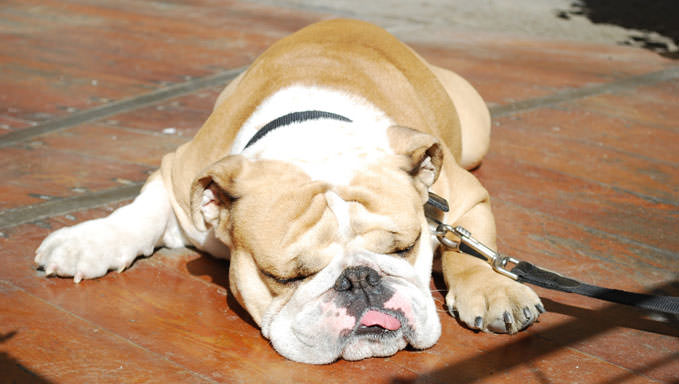
3. French Bulldog
French Bulldogs are companion-oriented dogs that often prefer staying close to their people.
Many are perfectly happy relaxing beside their owners, following them around the house, or curling up on the sofa.
Their moderate exercise needs can make them appealing to people who want a companion rather than a high-endurance athletic dog.
However, French Bulldogs have short, flat facial anatomy and can be vulnerable to overheating and breathing difficulties. Hot weather and strenuous exercise require particular caution.
A Frenchie may be happiest:
- Relaxing beside its owner
- Playing in short sessions
- Taking gentle walks in suitable weather
- Participating in family life
4. Shih Tzu
Shih Tzus were developed primarily as companion dogs, so close human interaction is a major part of their history.
Many Shih Tzus enjoy sitting beside their owners or curling up on their laps. They can be playful but generally don’t need the same level of physical activity as many working breeds.
Their affectionate nature can make them particularly appealing to people who spend plenty of time at home.
Their long coat does require consistent grooming, and their short muzzle means owners need to take overheating seriously.
Common characteristics:
- Affectionate
- Companion-oriented
- Small and adaptable
- Playful
- Often comfortable with indoor life
5. Border Collie
Border Collies are famous for their intelligence, energy, and close working relationship with humans.
They were developed to work with shepherds and make quick decisions while responding to human direction. That history helps explain why many Border Collies are highly attentive to their owners.
A Border Collie may watch its person closely, follow them around, and eagerly anticipate the next activity.
But this is not a low-maintenance form of companionship.
These dogs typically need significant physical exercise and mental stimulation. Without enough appropriate outlets, their intelligence and working drive can become challenging.
Best for owners who enjoy:
- Training
- Hiking
- Dog sports
- Herding activities
- Advanced tricks
- Interactive games
6. Golden Retriever
Golden Retrievers are known for their sociable and affectionate personalities.
Many Goldens enjoy being involved in everyday family activities, whether that means going for walks, playing fetch, relaxing nearby, or learning new behaviors.
Their people-oriented nature also contributes to their popularity in various working roles.
A Golden Retriever may happily follow its owner around the home, but it should still be taught how to settle independently.
They often enjoy:
- Family activities
- Training
- Outdoor adventures
- Interactive play
- Relaxing near their owners
7. Pug
Pugs are classic companion dogs that often enjoy staying close to their families.
Their small size makes it easy for them to follow people throughout the house, while their affectionate personalities can make them eager participants in family life.
Many Pugs enjoy cuddling, sitting beside their owners, and being included in everyday activities.
Because of their flat facial structure, however, owners should be especially careful about heat, humidity, and strenuous exercise.
Pugs often prefer:
- Short walks
- Indoor play
- Comfortable resting areas
- Plenty of companionship
- Gentle interaction
8. Dachshund
Dachshunds are curious, entertaining, and often deeply attached to their families.
Despite their small size, they have strong personalities and were originally bred for demanding hunting work.
A Dachshund may follow its favorite person from one room to another and then settle beside them when the opportunity arises.
Their long backs also mean owners should take care with jumping, stairs, and activities that place unnecessary stress on the spine.
A Dachshund may enjoy:
- Scent games
- Short walks
- Puzzle toys
- Burrowing into blankets
- Interactive play
9. Chihuahua
Chihuahuas are among the smallest dog breeds, but many have exceptionally strong personalities.
They can form very close bonds with particular people and may choose to remain nearby throughout the day.
Because they’re small, Chihuahuas can be physically easy to accommodate in many homes, but their confidence and alertness shouldn’t be underestimated.
Some are also vocal or protective, making early socialization and training valuable.
Their small size doesn’t mean they need no activity.
Chihuahuas still benefit from appropriate walks, play, training, and mental stimulation.
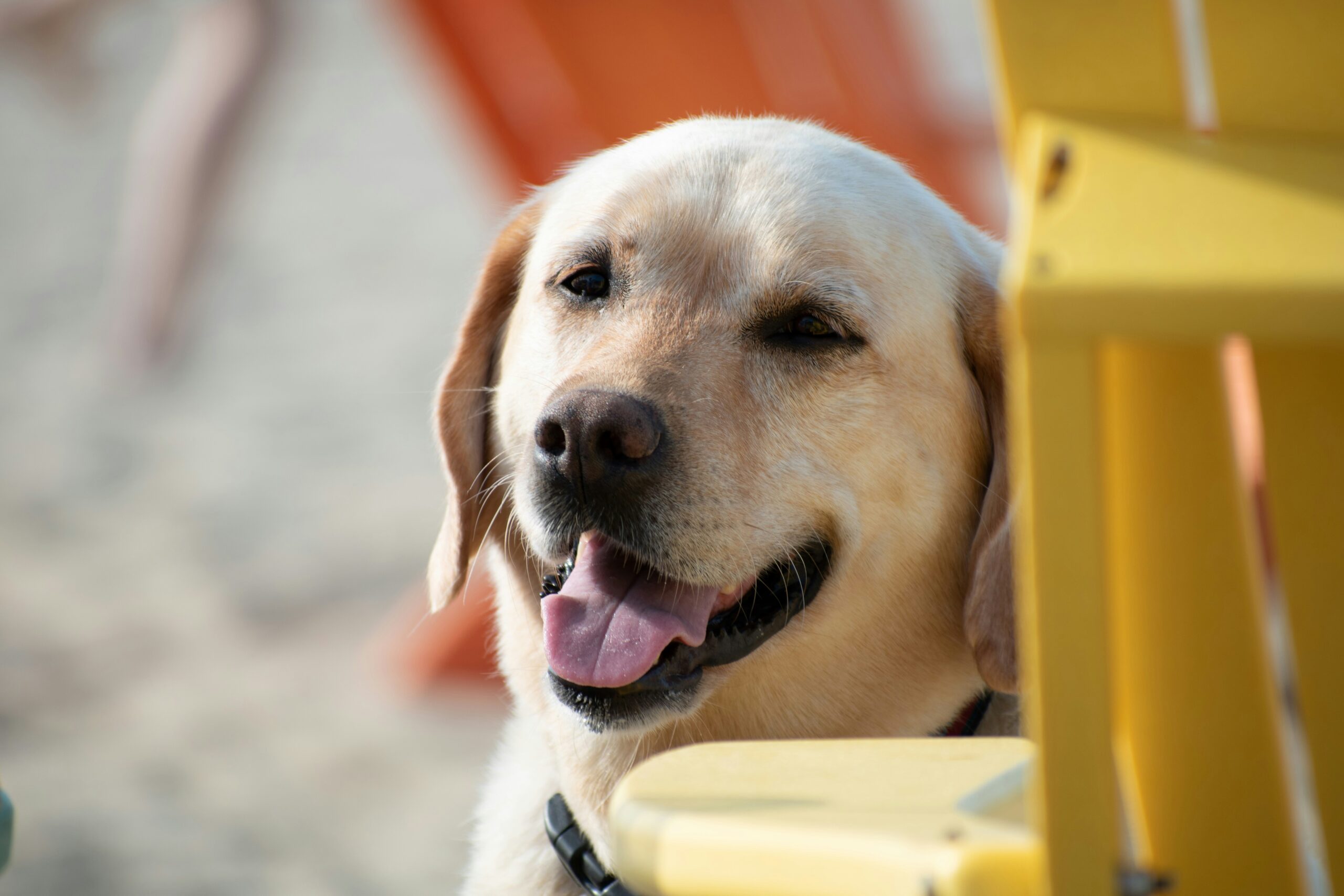
10. Labrador Retriever
Labrador Retrievers are generally outgoing, social dogs that often enjoy being involved in everything their family is doing.
Labs were developed as working retrievers and have a long history of cooperating closely with humans.
Their enthusiasm can make them wonderful companions, although young or energetic Labs may be considerably more demanding than their friendly reputation suggests.
They need exercise, training, enrichment, and opportunities to use their energy appropriately.
Labs often thrive when they can:
- Play fetch
- Go on walks
- Learn new skills
- Spend time outdoors
- Participate in family activities
11. Cavalier King Charles Spaniel
Cavalier King Charles Spaniels are classic companion dogs known for their affectionate personalities.
Many enjoy staying close to their owners and may happily spend hours relaxing beside them.
Their relatively adaptable nature can make them suitable for a variety of households, provided they receive appropriate exercise, grooming, veterinary care, and companionship.
Because the breed has several important inherited health concerns, prospective owners should research health testing and responsible breeding carefully.
Cavaliers are often appreciated for:
- Affection
- Sociability
- Gentle interaction
- Small size
- Desire for companionship
12. Shetland Sheepdog
Shetland Sheepdogs, or Shelties, are intelligent herding dogs that often develop strong relationships with their owners.
Their working background required them to pay close attention to human direction, and many modern Shelties remain highly responsive to their people.
They can be sensitive and observant, making positive and consistent training particularly important.
Shelties generally need more than affection alone. They benefit from walks, training exercises, games, and mental challenges.
They can be especially rewarding for people who enjoy:
- Obedience training
- Dog sports
- Trick training
- Active walks
- Teaching new behaviors
13. Vizsla
Vizslas are frequently described as “Velcro dogs” because of their strong desire for human companionship.
Originally developed as versatile hunting dogs in Hungary, they were bred to work closely with people in the field.
Many Vizslas want to be wherever their owner is. They may follow people throughout the house and seek physical contact when resting.
Their affectionate personality comes with significant exercise requirements, however.
A Vizsla generally isn’t a good choice for someone looking for a sedentary companion. They often need substantial daily physical activity as well as mental stimulation.
Vizslas may thrive with:
- Running or hiking
- Outdoor adventures
- Training
- Retrieving games
- Scent activities
- Plenty of human interaction
Why Do Some Dogs Follow Their Owners Everywhere?
There isn’t one explanation for clingy or highly attached behavior.
Several factors can contribute.
Breed History
Some breeds were specifically developed to work closely with humans, while others were bred primarily for companionship.
Individual Personality
Dogs within the same breed can have completely different personalities.
One may constantly seek attention while another prefers more independence.
Reinforcement
If following an owner consistently results in attention, petting, treats, or access to interesting activities, the behavior can become stronger.
Routine
Dogs are creatures of habit. They often learn household routines and may follow their owners because they have learned that something interesting usually happens next.
Anxiety
In some cases, excessive attachment can be connected to anxiety.
A dog that becomes distressed when its owner leaves may need a different approach from a dog that simply enjoys being nearby.
Velcro Dog vs. Separation Anxiety
These two concepts shouldn’t be confused.
A Velcro dog may want to follow its owner everywhere but remain perfectly comfortable when left alone.
A dog experiencing separation anxiety may show significant distress when separated.
Possible signs include:
- Persistent barking or howling after the owner leaves
- Destructive behavior
- Attempts to escape
- Excessive drooling
- Repeated pacing
- Toileting indoors despite being house-trained
- Extreme distress during departures
If separation-related behavior is severe or sudden, a veterinarian or qualified behavior professional can help determine what is happening.
Should You Get a Dog That Wants to Be With You Constantly?
That depends on your lifestyle.
A highly affectionate dog can be wonderful for someone who enjoys having a companion nearby throughout the day.
But constant companionship can become difficult if you’re frequently away from home.
Before choosing a breed, consider:
- How many hours the dog will spend alone
- Your daily exercise routine
- Your work schedule
- Your travel habits
- Your tolerance for barking
- Your available living space
- Training requirements
- Grooming requirements
- Whether you want an independent or people-oriented dog
The goal isn’t to find the clingiest dog possible.
It’s to find a dog whose social needs fit naturally into your lifestyle.
How to Help a Very Attached Dog Become More Independent
A close bond doesn’t mean a dog should depend on its owner for constant interaction.
Healthy independence can be encouraged gradually.
Try:
Create a comfortable resting area
Give your dog a bed or safe space where relaxing away from you is rewarding.
Reward calm independence
If your dog settles quietly on its own, occasionally reinforce that behavior.
Practice brief separations
Gradually teach your dog that you can leave a room and return without anything negative happening.
Provide enrichment
Puzzle feeders, chew items, scent games, and appropriate toys can give your dog something productive to do.
Keep departures calm
Avoid turning every departure into a dramatic event.
If your dog shows significant separation distress, avoid simply forcing longer periods alone. Professional guidance may be appropriate.
Frequently Asked Questions
What is a Velcro dog?
“Velcro dog” is an informal term for a dog that strongly prefers staying close to its owner. Such dogs may follow their people from room to room and seek frequent physical contact.
Which dog breeds are especially attached to their owners?
Vizslas, Cavalier King Charles Spaniels, Shih Tzus, French Bulldogs, Chihuahuas, Golden Retrievers, Labradors, and several other breeds are commonly described as highly people-oriented.
Does a clingy dog have separation anxiety?
Not necessarily. A dog can enjoy being near its owner without becoming distressed when alone. Separation anxiety involves significant distress associated with separation.
Are Velcro dogs difficult to own?
Not automatically. They can be wonderful companions for people who enjoy close interaction. Problems can arise when a dog’s need for companionship isn’t compatible with the owner’s schedule or when attachment develops into separation-related distress.
Can an independent dog still be affectionate?
Absolutely. Some dogs enjoy affection but also appreciate spending time alone. Independence and affection aren’t opposites.
Can training make a dog less clingy?
Training can encourage calm, independent behaviors and teach a dog that being separated briefly is safe. However, severe separation anxiety requires a more specialized behavior plan.
Final Thoughts
Dogs that follow their owners from room to room can be incredibly endearing. For many people, having a canine companion nearby throughout the day is one of the best parts of sharing life with a dog.
Breeds such as the Vizsla, Shetland Sheepdog, Cavalier King Charles Spaniel, Labrador Retriever, Chihuahua, Dachshund, Pug, Golden Retriever, Border Collie, Shih Tzu, French Bulldog, Miniature Schnauzer, and Newfoundland are all known for traits that can contribute to strong human bonds.
But breed is only part of the story.
Every dog has its own personality, and the strongest relationship comes from understanding that individual dog’s needs. A loving companion should also be taught how to relax independently, especially when its owner needs to leave the house.
The ideal dog isn’t necessarily the one that never leaves your side. It’s the one whose temperament, energy level, and companionship needs fit comfortably into your everyday life.






Leave a comment