






Dogs cannot tell us when something hurts, so pet owners have to rely on changes in behavior, appetite, movement, bathroom habits, and appearance to recognize when something may be wrong.
Some symptoms are minor and may resolve with monitoring, while others can be early warning signs of a serious condition. Knowing what is unusual for your individual dog—and recognizing when a symptom requires professional attention—can help you get veterinary care at the right time.
A single unusual behavior does not always mean your dog is seriously ill. However, sudden, persistent, severe, or worsening changes deserve attention.
Why Dogs Can Be Difficult to Read When They Are Sick
Dogs can sometimes continue eating, walking, or interacting with their families even when they are uncomfortable. Some may also hide signs of pain or illness until a condition becomes more advanced.
That is why knowing your dog’s normal routine is so valuable.
Pay attention to things such as:
- How much your dog normally eats and drinks
- How active they usually are
- Their normal bathroom habits
- Their typical sleeping pattern
- How they behave around family members
- Their usual breathing pattern
- The condition of their coat and skin
- How easily they move and climb stairs
- Their normal weight and body condition
When you know what is normal, subtle changes become easier to notice.
10 Warning Signs Your Dog May Be Sick
1. Sudden Changes in Appetite or Drinking
A change in eating habits can be one of the first clues that a dog isn’t feeling well.
A dog that suddenly refuses food may be experiencing dental pain, gastrointestinal problems, stress, infection, or another medical issue. Increased appetite can also occur with certain health conditions.
Changes in drinking deserve attention too. Drinking substantially more or less water than usual can sometimes indicate a medical problem.
A temporary appetite change may not always be an emergency, but complete refusal to eat, especially when accompanied by vomiting, weakness, pain, or other symptoms, warrants veterinary advice.
Watch for:
- Refusing normally appealing food
- Eating significantly less than usual
- Suddenly becoming unusually hungry
- Drinking much more than normal
- Drinking very little
- Difficulty chewing or swallowing
Puppies, elderly dogs, and dogs with existing medical conditions may require more prompt evaluation when their appetite changes.
2. Unusual Tiredness or Weakness
Every dog has lazy days, but a dramatic change in energy level shouldn’t automatically be dismissed as tiredness.
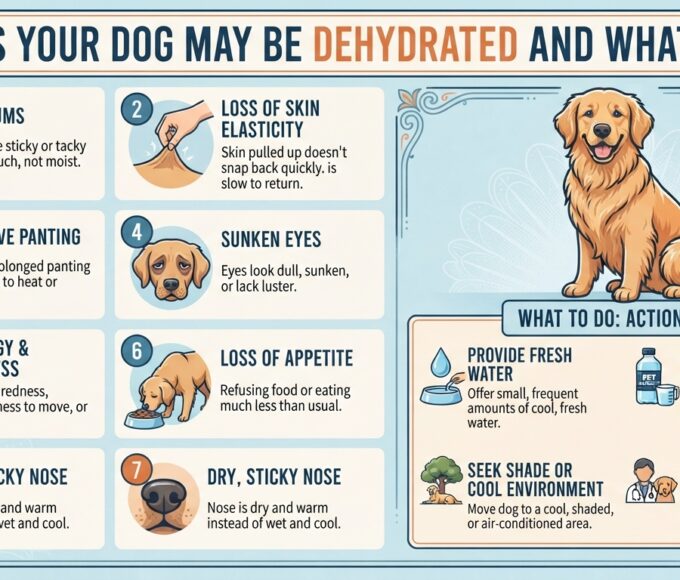
A normally playful dog that suddenly refuses to get up, doesn’t want to go for a walk, or seems unusually weak may be experiencing illness, pain, infection, dehydration, or another problem.
There is an important difference between sleepiness and weakness. A sleepy dog may wake up and behave normally when stimulated. A weak dog may struggle to stand, walk, or perform normal activities.
Contact your veterinarian if:
- Your dog’s lethargy is sudden or severe
- They refuse normal activities
- They seem weak or unsteady
- They are difficult to wake
- Lethargy occurs with vomiting, diarrhea, fever, breathing problems, or pain
3. Repeated Vomiting or Persistent Diarrhea
Dogs occasionally vomit or develop loose stools, sometimes after eating something unusual. However, repeated gastrointestinal symptoms can become dangerous, particularly when dehydration develops.
Pay attention to the frequency, severity, and appearance of the vomit or stool.
Seek veterinary advice if your dog has:
- Repeated vomiting
- Persistent diarrhea
- Blood in vomit or stool
- Black or tarry stool
- Severe abdominal discomfort
- Weakness or collapse
- Signs of dehydration
- Vomiting combined with repeated attempts to vomit without producing anything
Very young, elderly, or medically vulnerable dogs can become unwell more quickly, so they may need earlier assessment.
If your dog is repeatedly trying to vomit without bringing anything up, especially if the abdomen appears swollen or painful, treat this as an emergency.
4. Difficulty Breathing
Breathing problems should always be taken seriously.
A dog may breathe faster after exercise, excitement, or exposure to heat. Once they have rested in a comfortable environment, their breathing should generally return toward their normal resting pattern.
Breathing that remains labored or abnormal can indicate a serious problem.
Emergency warning signs include:
- Struggling to breathe
- Very rapid or labored breathing while resting
- Blue, gray, or very pale gums or tongue
- Excessive effort from the chest or abdomen when breathing
- Collapse
- Severe weakness
- Gasping or choking
If your dog appears unable to breathe normally, seek emergency veterinary care rather than waiting to see whether the problem resolves.
5. Sudden Changes in Behavior
Behavior is often an overlooked indicator of illness.
A normally affectionate dog that suddenly hides may be experiencing pain. A calm dog that becomes unusually irritable may also be uncomfortable. Some dogs become restless because they cannot find a comfortable position.
Potential warning signs include:
- Hiding or withdrawing
- Unusual aggression or irritability
- Restlessness
- Excessive vocalization
- Suddenly becoming unusually clingy
- Losing interest in normal activities
- Appearing confused or disoriented
- Sleeping substantially more than usual
Behavior changes aren’t always caused by physical illness. Fear, stress, environmental changes, and aging can also affect behavior. A sudden or unexplained change is worth discussing with your veterinarian.
6. Changes in Urination
Your dog’s bathroom habits can provide important clues about their health.
Problems involving the urinary tract, kidneys, bladder, or other systems may cause changes in how often your dog urinates or how easily they can do so.
Watch for:
- Straining to urinate
- Repeated attempts to urinate
- Producing only small amounts
- Blood in the urine
- New accidents inside the house
- Suddenly drinking and urinating much more
- Crying or appearing painful while urinating
- Being unable to urinate
An inability to urinate can be an emergency.
If your dog repeatedly tries to urinate but cannot produce urine, seek immediate veterinary attention. A urinary obstruction can become life-threatening.
7. Unexpected Weight Loss or Weight Gain
Gradual changes in body weight can be easy to overlook, especially when you see your dog every day.
Unexplained weight loss may be associated with digestive problems, dental disease, parasites, metabolic disorders, or other conditions. Unexpected weight gain can also have medical causes, although diet and reduced activity are common contributors.
Rather than relying only on appearance, monitor your dog’s weight periodically and discuss significant unexplained changes with your veterinarian.
Your vet can determine whether your dog’s body condition is appropriate and whether additional testing is necessary.
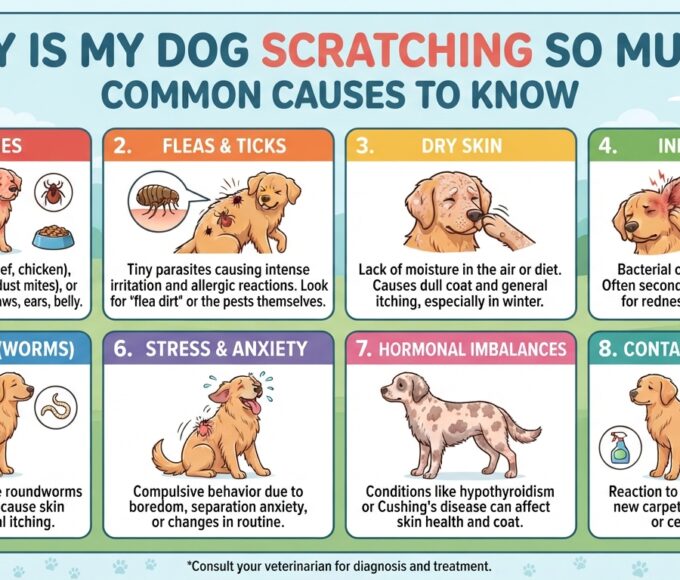
8. Changes to the Skin or Coat
A healthy coat can vary considerably between breeds, but sudden changes should get your attention.
Possible warning signs include:
- Excessive scratching
- Persistent licking or chewing
- Hair loss
- Red or inflamed skin
- Sores
- Scabs
- New lumps or bumps
- Persistent odor
- Excessive dandruff or scaling
- Changes in skin color
- Frequent ear scratching or head shaking
Skin problems can have many causes, including allergies, parasites, infections, hormonal disorders, and environmental irritation.
Avoid assuming that every skin problem is simply an allergy. Persistent or worsening symptoms should be evaluated by a veterinarian.
9. Limping, Stiffness, or Difficulty Moving
A dog that suddenly begins limping may have an injury, painful joint, muscle problem, paw injury, or another condition.
Some dogs with pain won’t cry or whine. Instead, they may simply move differently.
Look for:
- Limping
- Reluctance to climb stairs
- Difficulty getting up
- Avoiding jumping
- Stiffness after resting
- Reluctance to exercise
- Holding a leg off the ground
- Changes in posture
- Difficulty walking normally
If the limp is severe, follows trauma, or your dog cannot bear weight on a limb, veterinary assessment should be prompt.
Never force a painful dog to exercise in an attempt to “walk it off.”
10. Seizures or Sudden Neurological Changes
Seizures can have many possible causes and require veterinary evaluation, particularly if they are new or severe.
A seizure may involve collapse, stiffening, rhythmic movements, paddling of the legs, drooling, loss of awareness, or unusual behavior before or after the episode.
If your dog experiences a seizure:
- Keep yourself calm.
- Move nearby objects away so your dog doesn’t injure themselves.
- Do not put your hands or objects into their mouth.
- Keep children and other pets away.
- Time the seizure if possible.
- Contact a veterinarian for guidance.
A seizure that lasts several minutes, repeated seizures, difficulty recovering, or other severe symptoms should be treated as an emergency.
Other Symptoms Dog Owners Shouldn’t Ignore
The warning signs above aren’t the only symptoms that deserve attention.
Contact your veterinarian if you notice:
- Persistent coughing
- Repeated sneezing with other symptoms
- Unusual discharge from the eyes or nose
- Swollen abdomen
- Persistent bad breath with eating difficulty
- Excessive drooling
- Difficulty swallowing
- Sudden vision problems
- Loss of balance
- Head tilt
- Persistent scratching
- Pale or abnormal-looking gums
- Sudden collapse
- Signs of severe pain
When several symptoms appear together, the situation can be more concerning than any individual symptom on its own.
When Is a Dog’s Condition an Emergency?
Some situations should not wait for a routine veterinary appointment.
Seek emergency veterinary care when your dog experiences symptoms such as:
- Severe difficulty breathing
- Collapse or unconsciousness
- Inability to stand
- Severe or uncontrolled bleeding
- Repeated seizures or a prolonged seizure
- Suspected poisoning
- Severe trauma
- A swollen abdomen accompanied by repeated unproductive retching
- Inability to urinate
- Severe allergic reaction
- Blue, gray, or very pale gums
- Extreme weakness
- Sudden severe neurological abnormalities
If you aren’t sure whether a situation is an emergency, calling a veterinary clinic or emergency animal hospital for advice can help you determine the next step.
What to Do Before Calling the Veterinarian
Good information can make it easier for a veterinarian to assess your dog.
Try to record:
- When the symptoms started
- Whether they are getting better or worse
- How frequently they occur
- What your dog has eaten recently
- Any medications or supplements your dog receives
- Recent changes in environment or routine
- Possible exposure to chemicals, medications, plants, or unusual foods
- Recent injuries or stressful events
- Changes in eating, drinking, urination, or bowel movements
If appropriate, take photographs or short videos of unusual symptoms. For example, a video of an abnormal cough, unusual walking pattern, or seizure-like episode may provide useful information to your veterinarian.
Never Give Human Medication Without Veterinary Advice
One of the most important rules for dog owners is to avoid treating pets with human medication unless a veterinarian specifically tells you to do so.
Some medications that are routinely used by people can be dangerous or even life-threatening to dogs at certain doses.
This includes common painkillers and other over-the-counter medications.
If your dog is experiencing pain, vomiting, diarrhea, or another symptom, ask your veterinarian what treatment is appropriate rather than reaching into the human medicine cabinet.
What About a Dog That “Just Doesn’t Seem Right”?
Sometimes the warning sign is difficult to describe.
Your dog may technically be eating, drinking, and walking, but something about their behavior seems different.
Trusting that observation is worthwhile.
You know your dog’s normal personality better than anyone else. If your dog seems unusually quiet, uncomfortable, restless, withdrawn, or simply different for no obvious reason, monitor them closely and contact your veterinarian if the change persists or is accompanied by other symptoms.
You don’t need to diagnose the problem yourself. Your job is to notice the change and provide your veterinarian with useful information.
How to Monitor Your Dog’s Health at Home
Regular observation can help you identify problems earlier.
Keep track of their weight
Periodic weighing can reveal gradual changes that aren’t obvious visually.
Know their normal appetite
Notice whether your dog regularly finishes meals, leaves food behind, or suddenly becomes unusually hungry.
Observe bathroom habits
Changes in urine or stool can provide valuable information.
Check their body regularly
During grooming or gentle handling, look for new lumps, skin changes, injuries, or areas that seem painful.
Watch their movement
Notice whether your dog gets up, walks, climbs stairs, and exercises as usual.
Pay attention to breathing
Knowing what your dog’s normal breathing looks like while resting can make it easier to identify an abnormal change.
Prevention Is Part of Good Veterinary Care
Recognizing illness is important, but preventive care can also help protect your dog’s health.
Work with your veterinarian to maintain an appropriate plan for:
- Routine health examinations
- Vaccinations
- Parasite prevention
- Dental care
- Nutrition and healthy weight
- Age-appropriate exercise
- Grooming and skin care
- Spaying or neutering when appropriate
- Identification and microchipping
- Breed- or age-specific health monitoring
Preventive care doesn’t guarantee that a dog will never become sick, but it can help identify certain problems earlier and keep routine health needs under control.
A Simple Dog Health Warning Checklist
| Sign | What to Do |
|---|---|
| Mild temporary appetite change | Monitor closely and contact your vet if it persists |
| Persistent vomiting or diarrhea | Contact your veterinarian |
| Blood in vomit or stool | Seek prompt veterinary advice |
| Difficulty breathing | Emergency veterinary care |
| Severe weakness or collapse | Emergency veterinary care |
| New or unexplained behavior change | Monitor and consult your veterinarian if persistent |
| Blood in urine | Contact your veterinarian |
| Unable to urinate | Emergency |
| Sudden severe limping | Prompt veterinary assessment |
| Seizure | Contact a veterinarian; emergency care may be necessary depending on duration and recovery |
| Suspected poisoning | Contact an emergency veterinarian immediately |
| Severe bleeding | Emergency veterinary care |
Frequently Asked Questions
How can I tell if my dog is in pain?
Dogs can show pain in many different ways. They may limp, whine, pant when they aren’t hot or exercising, become restless, hide, resist being touched, lick a particular area, change posture, or become unusually irritable. Some dogs show very subtle signs, so any significant unexplained behavior change deserves attention.
Is it normal for a dog to skip a meal?
An occasional change in appetite can happen, but the importance depends on your dog’s age, health, other symptoms, and how long the change lasts. If your dog refuses multiple meals, seems unwell, or develops other symptoms, contact your veterinarian.
When should vomiting be considered serious?
Repeated vomiting, blood in vomit, severe weakness, abdominal pain or swelling, dehydration, or vomiting accompanied by other concerning symptoms warrants veterinary attention. Repeated unproductive attempts to vomit, particularly with abdominal swelling, can be an emergency.
Can I wait and see if my dog’s symptoms disappear?
Sometimes mild symptoms can be monitored, but there isn’t one waiting period that is appropriate for every dog or every symptom. Severe, sudden, worsening, or unusual symptoms should be discussed with a veterinarian promptly.
Should I give my dog pain medicine if they are limping?
Do not give human pain medication unless your veterinarian specifically instructs you to. Some human medicines can be toxic to dogs. A veterinarian can determine the likely cause of the pain and recommend an appropriate treatment.
What should I do if my dog has a seizure?
Protect your dog from nearby hazards, don’t put anything in their mouth, and time the episode if possible. Contact your veterinarian, especially if it is the first seizure. A prolonged seizure, repeated seizures, or failure to recover normally requires emergency veterinary care.
Final Thoughts
Recognizing illness in a dog isn’t about becoming your own veterinarian. It’s about knowing your pet well enough to notice when something has changed.
Loss of appetite, unusual tiredness, vomiting, diarrhea, breathing difficulties, behavior changes, urinary problems, weight changes, skin abnormalities, limping, and seizures can all be important warning signs. Some require monitoring and a veterinary consultation, while others call for immediate emergency care.
When you’re unsure, it’s better to ask a veterinary professional than to ignore a significant change. Early attention can sometimes make diagnosis and treatment easier and can help prevent a manageable problem from becoming more serious.
Most importantly, remember that you don’t need to know what’s wrong before seeking help. Your veterinarian’s job is to determine the cause. Your job is simply to recognize when your dog’s normal behavior or physical condition has changed and make sure they receive appropriate care.
This Article Was Generated By AI.









Leave a comment