





Dog lovers searched the internet for almost everything in 2024, from puppy-training advice to breed characteristics, grooming requirements, health information, and help choosing the right companion.
Some breeds appeared again and again in conversations about family pets, apartment living, working dogs, athletic companions, and distinctive personalities. Their popularity online can be influenced by many factors, including appearance, social media exposure, working history, entertainment, and the number of people already living with the breed.
The breeds below represent 16 dogs that attracted substantial attention and interest. They range from tiny companion dogs to highly athletic working breeds, so their needs can be dramatically different.
If you’re researching a dog for your household, remember that search popularity doesn’t necessarily mean a particular breed is suitable for everyone. Lifestyle, temperament, exercise requirements, grooming, health considerations, and training needs are all important.
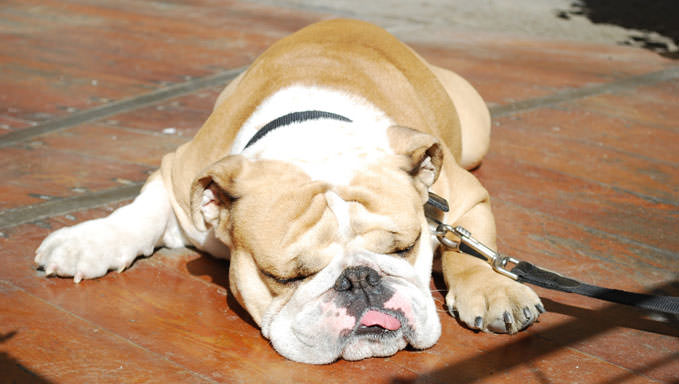
1. French Bulldog
French Bulldogs have become highly recognizable thanks to their compact bodies, distinctive bat-like ears, and expressive personalities.
They can be affectionate, playful, and entertaining companions, and their relatively compact size can make them appealing to people living in apartments or smaller homes.
However, French Bulldogs are not simply low-maintenance lap dogs.
Their short facial structure can make breathing and heat regulation more challenging, particularly during hot or humid weather. Owners need to take temperature seriously and avoid strenuous activity in conditions that could cause overheating.
They also benefit from regular exercise, training, socialization, and weight management.
Their popularity makes sense visually, but prospective owners should research the breed’s health needs before bringing one home.
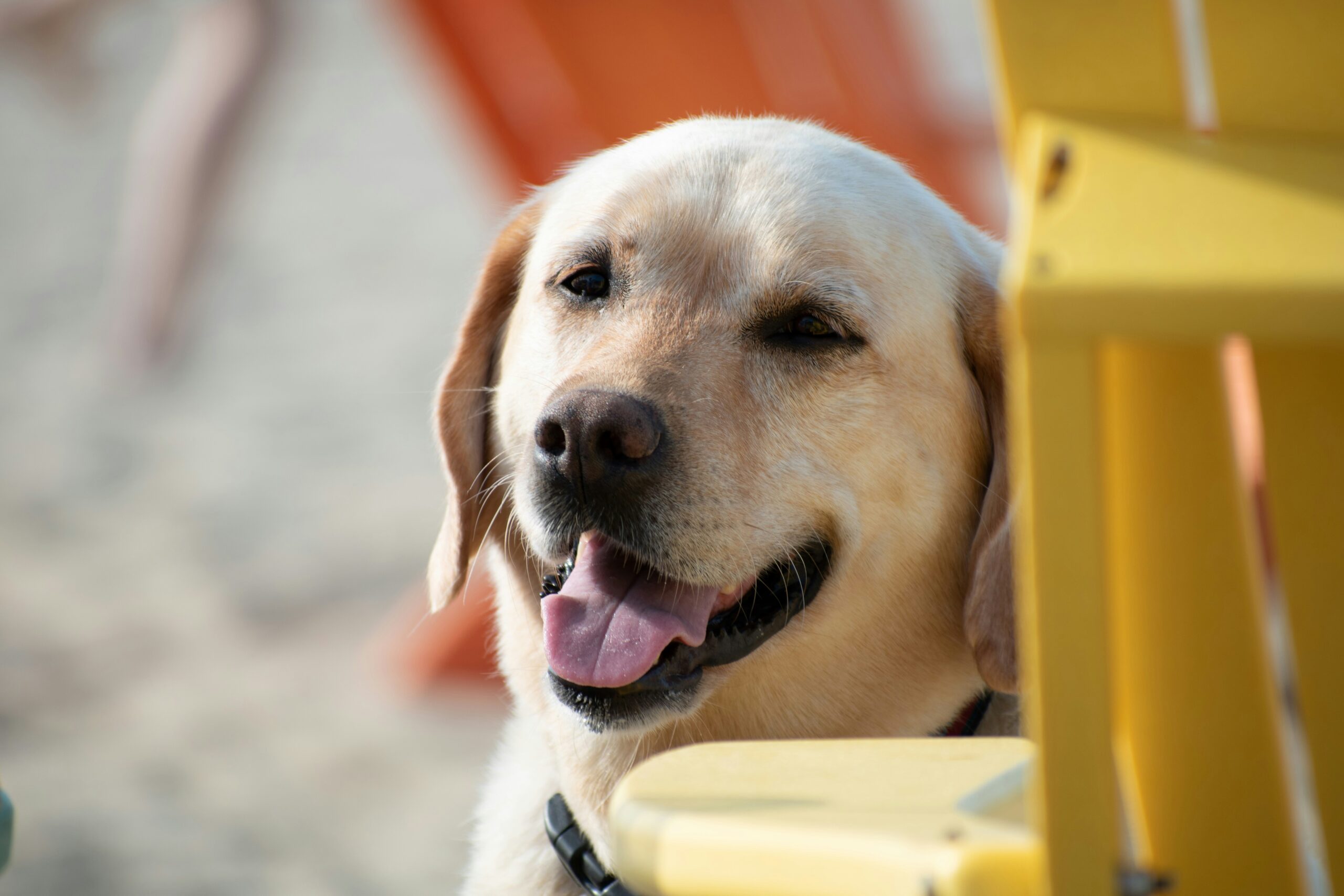
2. Labrador Retriever
The Labrador Retriever has long been a familiar name among dog lovers, and its versatility is one reason the breed receives so much attention.
Labs can participate in a wide range of activities, including:
- Retrieving.
- Swimming.
- Hiking.
- Obedience.
- Assistance work.
- Search-related activities.
- Family companionship.
They are generally social dogs that often enjoy being involved in household activities.
However, Labradors are energetic and can become destructive or difficult to manage when their physical and mental needs aren’t met.
Their enthusiasm also means training is important, particularly during adolescence when a strong, excited dog can be difficult to control without good manners.
3. Golden Retriever
Golden Retrievers are famous for their friendly appearance and generally people-oriented personalities.
Many Goldens enjoy close interaction with their families and can thrive in homes that provide them with regular exercise, training, and companionship.
Their intelligence and willingness to work have also made them useful in areas such as assistance work, therapy-related roles, detection, and competitive activities.
Their beautiful coat does require regular brushing, and they can shed considerably.
Golden Retrievers are often associated with calm family companionship, but individual dogs vary. Young Goldens can be energetic, enthusiastic, and surprisingly strong.
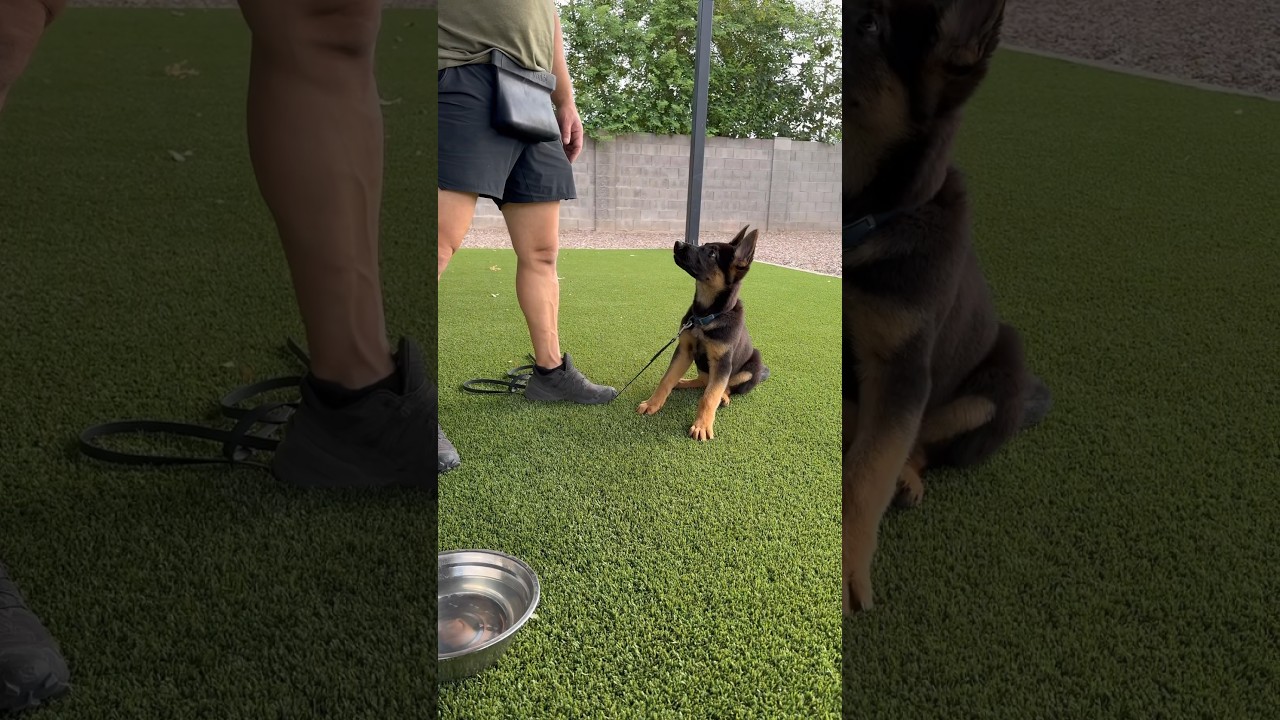
4. German Shepherd
Few breeds have a working reputation as recognizable as the German Shepherd.
These intelligent, athletic dogs have been used for a variety of jobs, including:
- Herding.
- Detection.
- Search and rescue.
- Service work.
- Police work.
- Competitive obedience.
They can form strong relationships with their families and often enjoy having something purposeful to do.
Their intelligence can be an advantage, but it also means they need consistent training and mental stimulation.
German Shepherds aren’t necessarily suitable for owners who want a dog that requires little daily involvement. Their size, energy, and working instincts should be considered carefully before choosing one.
5. Poodle
Poodles are often associated with elaborate grooming, but there is much more to the breed than its appearance.
Poodles come in Standard, Miniature, and Toy varieties, giving prospective owners different size options while retaining many breed characteristics.
They are generally intelligent and capable of learning a wide range of behaviors. Poodles can participate in obedience, agility, retrieving activities, and other forms of canine training.
Their curly coat may shed less visibly than many other coats, but this does not make them completely hypoallergenic. People with allergies can still react to proteins produced by dogs.
Regular grooming is essential, particularly when the coat is kept long.
6. Shih Tzu
The Shih Tzu was developed primarily as a companion dog and is well known for its affectionate nature and distinctive long coat.
Their relatively small size can make them suitable for various living situations, including apartments, provided their daily needs are met.
Shih Tzus generally don’t require the same level of physical exercise as highly athletic breeds, but they still need regular movement, interaction, training, and mental enrichment.
Their coat requires significant grooming if kept long.
Because of their shortened facial structure, owners should also take additional precautions in hot and humid conditions.
7. Dachshund
The Dachshund’s unmistakable long body and short legs make it one of the easiest breeds to recognize.
Originally developed for hunting, Dachshunds can retain a bold and determined personality despite their small stature.
They may be:
- Curious.
- Energetic.
- Independent.
- Vocal.
- Playful.
- Persistent.
Dachshunds are available in smooth, longhaired, and wirehaired varieties.
Their distinctive body shape also means owners should pay attention to spinal health and weight management. Avoiding unnecessary jumping and maintaining a healthy body condition can be particularly important.
8. Australian Shepherd
Despite its name, the Australian Shepherd was developed largely in the United States and became closely associated with ranching and herding.
Aussies are energetic, intelligent dogs that often thrive when they have a job or structured activity.
They may enjoy:
- Herding activities.
- Agility.
- Obedience.
- Hiking.
- Fetch.
- Advanced training.
- Interactive games.
Their intelligence can be impressive, but it also means boredom can become a problem.
An Australian Shepherd is generally not a good match for someone looking for a dog that is content to spend most of the day doing very little.
9. Chihuahua
The Chihuahua may be tiny, but its personality can be remarkably large.
These dogs can form strong attachments to their owners and are often alert to activity around the home.
Their small size can make transportation and apartment living easier, but owners shouldn’t assume they require no exercise or training.
Chihuahuas benefit from regular play, short walks, socialization, and positive training.
Because they are so small, accidental injuries can also be a concern, particularly around larger dogs or young children who haven’t learned how to handle small animals appropriately.
10. Rottweiler
Rottweilers are powerful, muscular dogs with a long history of working alongside people.
Historically, they were used for tasks involving livestock and pulling or transporting goods. Today, they can participate in obedience, working activities, and family life when appropriately trained and socialized.
Their size and strength make responsible ownership particularly important.
Early socialization, consistent training, appropriate exercise, and good management can help a Rottweiler become a well-mannered companion.
Potential owners should be comfortable handling a large, powerful dog rather than choosing one based purely on its impressive appearance.
11. Beagle
Beagles are small-to-medium-sized scent hounds known for their expressive faces, floppy ears, and excellent noses.
Their strongest characteristic may be their enthusiasm for following interesting scents.
That can make walks particularly entertaining—and sometimes challenging.
A Beagle may become so focused on a scent that returning when called becomes difficult without appropriate training.
They generally enjoy play, exploration, food-based enrichment, and spending time with their people.
Their short coat is relatively straightforward to maintain, although regular grooming and nail care are still necessary.
12. Boxer
Boxers are athletic, muscular dogs known for their playful and energetic personalities.
They often retain a youthful enthusiasm well into adulthood and can enjoy activities such as:
- Walking.
- Running.
- Fetch.
- Obedience.
- Interactive games.
- Dog sports.
Their physical strength means good manners are important.
A poorly trained adult Boxer can be difficult to manage simply because of its size and energy.
They generally do best with owners who can provide daily activity, companionship, training, and appropriate mental stimulation.
13. Cavalier King Charles Spaniel
The Cavalier King Charles Spaniel is a small companion breed known for its expressive eyes, silky coat, and affectionate personality.
Many Cavaliers enjoy being close to their people and can adapt to different household environments.
They may suit families, couples, singles, or older owners, provided their individual exercise and companionship needs are met.
Their small size doesn’t eliminate the need for walks and enrichment.
Anyone considering the breed should also research its known inherited health concerns and work with responsible breeders or reputable rescue organizations.
14. Siberian Husky
Few breeds attract as much visual attention as the Siberian Husky.
Their wolf-like appearance, thick coat, expressive eyes, and athletic build make them particularly recognizable.
But Huskies are much more than an attractive face.
They were developed for endurance and pulling work and can have considerable exercise requirements.
They are also known for being independent and sometimes vocal.
Potential owners should be prepared for:
- Regular physical activity.
- Mental stimulation.
- Coat shedding.
- Secure fencing.
- Consistent training.
- A dog that may have strong instincts to explore.
A Husky can be an excellent companion for an appropriately active household, but its exercise and management needs shouldn’t be underestimated.
15. Cocker Spaniel
Cocker Spaniels are known for their soft expressions, long ears, and beautiful coats.
They were developed as sporting dogs, so their friendly appearance shouldn’t obscure their need for activity and engagement.
Many enjoy walks, retrieving games, training, and spending time with their families.
Their coat requires regular grooming and their ears need appropriate care, particularly because their long ear structure can reduce airflow around the ear canal.
With appropriate exercise and training, Cocker Spaniels can make affectionate household companions.
16. Border Collie
Border Collies are famous for their intelligence, athleticism, and herding ability.
They are highly trainable and can excel in activities such as:
- Herding.
- Agility.
- Obedience.
- Disc sports.
- Scent work.
- Trick training.
Their intelligence is one of their greatest strengths, but it also means they need substantial mental engagement.
Simply taking a Border Collie for a short walk may not be enough to satisfy an individual with strong working instincts.
They tend to be better suited to owners who genuinely enjoy training, active recreation, and giving a dog meaningful things to do.
Why Do Certain Dog Breeds Become So Popular Online?
Search interest doesn’t necessarily tell us which breed is best for a particular household.
Several factors can influence online attention.
Appearance
Some breeds have instantly recognizable features. Huskies, French Bulldogs, Dachshunds, Poodles, and Corgi-type dogs, for example, can be particularly noticeable in photos and videos.
Social Media
Dogs with distinctive personalities or unusual appearances can become popular on social platforms, exposing millions of people to particular breeds.
Celebrity and Entertainment Exposure
A breed can experience increased public attention when it appears in movies, television programs, advertisements, or alongside well-known public figures.
Working Abilities
German Shepherds, Border Collies, Australian Shepherds, and Labradors have extensive working histories that generate interest beyond ordinary pet ownership.
Lifestyle Trends
People searching for apartment-friendly, athletic, family-oriented, small, or low-shedding dogs may repeatedly encounter the same breeds in online discussions.
Popularity Doesn’t Equal Compatibility
One of the most important lessons for prospective dog owners is that an internet-famous breed isn’t automatically a good match for every household.
Consider these questions before choosing a dog:
How much exercise can I provide?
A Border Collie and a Shih Tzu can have dramatically different activity requirements.
How much grooming am I prepared to do?
A short-haired dog may require less coat maintenance than a long-haired or curly-coated breed.
How much time will the dog spend alone?
Some dogs are particularly social and may struggle if regularly left alone for extended periods.
Can I manage the dog’s adult size?
A cute puppy eventually becomes an adult dog. Consider its full-grown strength and space requirements.
Am I prepared for training?
Every dog benefits from training, but intelligent or high-energy working breeds may require considerably more structured engagement.
Have I researched breed-specific health concerns?
Appearance should never be the only factor in choosing a dog.
The Right Dog Is About More Than a Search Ranking
A breed’s popularity can tell us something about public interest, but it cannot tell us whether that breed is appropriate for a specific family.
A Labrador may be wonderful for one household but too energetic for another. A French Bulldog may fit comfortably into a smaller home but require additional attention to heat and respiratory concerns. A Border Collie may thrive with an active trainer but become frustrated in a household that cannot provide enough mental stimulation.
The most useful breed research looks beyond photographs and popularity.
Frequently Asked Questions
Which dog breed was the most searched in 2024?
Search rankings depend on the search engine, country, dataset, date range, and methodology used. There is no single worldwide search ranking that represents every dog owner’s interest.
Are popular dog breeds easier to own?
Not necessarily. Popularity reflects public interest, not ease of ownership. Some highly popular breeds have substantial exercise, grooming, training, or health considerations.
Which of these breeds are good for apartments?
Several can adapt to apartment living, including breeds such as Chihuahuas and Shih Tzus, but suitability depends on the individual dog’s exercise, barking, temperament, and enrichment needs.
Which breeds need the most exercise?
Border Collies, Australian Shepherds, Siberian Huskies, and many Labradors are examples of breeds that can have substantial physical and mental activity requirements. Individual dogs vary.
Are Poodles hypoallergenic?
No dog is completely hypoallergenic. Poodles may shed less visibly than many breeds, but people with allergies can still react to them.
Should I choose a dog based on popularity?
Popularity can be one piece of information, but it should not be the deciding factor. A better match comes from comparing a breed’s temperament, exercise needs, grooming requirements, size, training needs, and health considerations with your own lifestyle.
Final Thoughts
The dog breeds that attracted major online attention in 2024 represent an enormous range of canine personalities and lifestyles.
From tiny Chihuahuas and companion-oriented Shih Tzus to athletic Border Collies and Siberian Huskies, these dogs have very different requirements despite sharing widespread public interest.
If you’re thinking about bringing home a dog, look beyond the breed’s appearance or internet popularity. Research what the adult dog will actually need every day, including exercise, training, companionship, grooming, nutrition, and veterinary care.
The most rewarding match is not necessarily the breed everyone is searching for—it’s the individual dog whose needs and temperament fit your household.








Leave a comment