




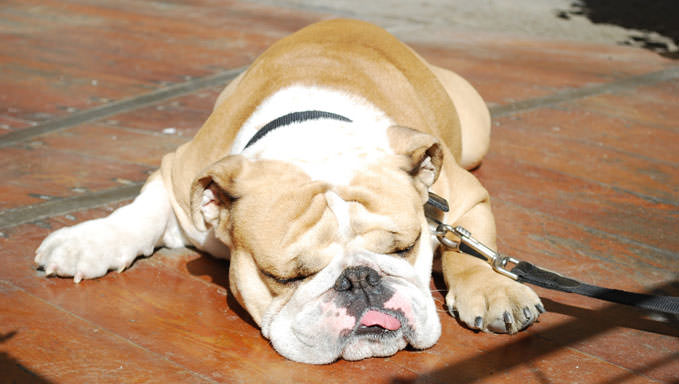


When choosing a dog for your family, temperament is an important part of the decision. Many people naturally look for dogs that are affectionate, social, patient, and comfortable around people.
Some breeds are widely known for these characteristics. Labrador Retrievers, Golden Retrievers, Newfoundlands, Cavalier King Charles Spaniels, and several other breeds have developed reputations for being friendly and people-oriented companions.
However, there is an important point to understand: no dog breed can be guaranteed never to bite.
Any dog can bite when frightened, injured, startled, threatened, poorly socialized, or placed in a situation it cannot handle. Even a normally gentle dog may react defensively if someone ignores its warning signals.
Therefore, instead of describing a breed as “bite-proof,” it is more useful to look at breeds that are often associated with friendly, cooperative, and sociable temperaments.
Here are 14 breeds worth considering if a gentle family companion is what you’re looking for.
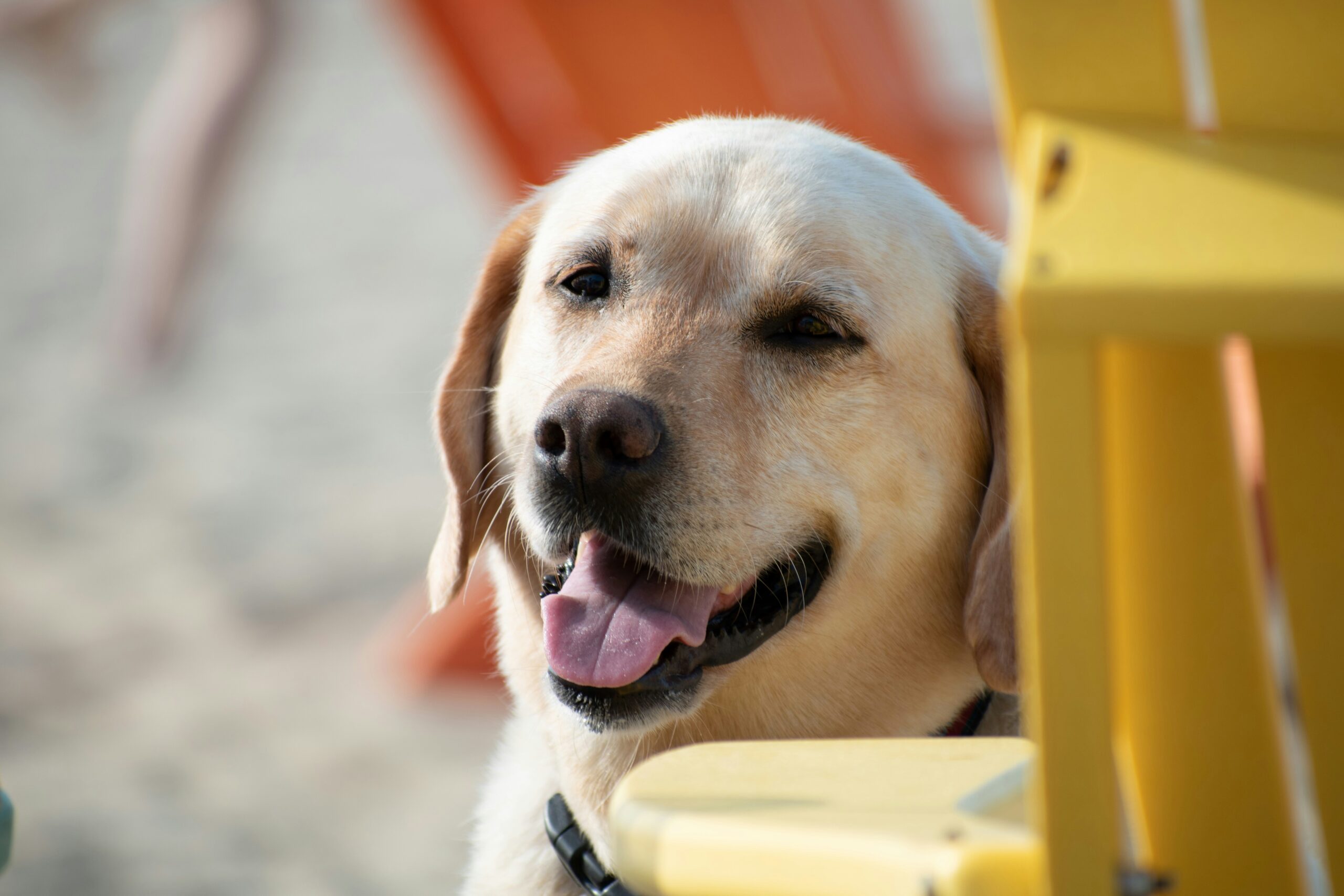
1. Labrador Retriever
The Labrador Retriever is one of the world’s best-known family dogs.
Labs are generally social, enthusiastic, and highly motivated to interact with people. Their history as retrieving dogs required them to work closely with humans, and many modern Labradors enjoy learning, playing, and participating in family activities.
Their trainability can also be helpful for teaching appropriate behavior.
Why families like Labradors
They are often:
- Friendly with familiar people
- Playful
- Trainable
- Social
- Eager to participate in activities
- Affectionate with their families
However, Labradors are energetic dogs. A poorly exercised or under-stimulated Lab can become difficult to manage.
Good socialization, appropriate exercise, training, and supervision around children remain important.
2. Golden Retriever
Golden Retrievers are another breed widely associated with friendly and affectionate family companionship.
They were developed as retrieving dogs and generally have a strong history of working cooperatively with people.
Their combination of trainability, sociability, and enthusiasm has helped make them popular family dogs.
A people-oriented companion
Many Goldens enjoy being involved in almost everything their family does.
They often thrive with:
- Training games
- Fetch
- Walks
- Swimming
- Outdoor activities
- Family interaction
Their friendly reputation shouldn’t be interpreted as a guarantee of behavior. Individual temperament still matters, and puppies need appropriate socialization and boundaries.
3. Cavalier King Charles Spaniel
The Cavalier King Charles Spaniel is a small companion breed known for its affectionate nature.
Cavaliers generally enjoy human company and often prefer staying close to their owners.
Their relatively adaptable size can make them suitable for a variety of households, although they still need daily activity, mental stimulation, grooming, and appropriate veterinary care.
Why they appeal to families
Cavaliers are often:
- Affectionate
- Social
- Playful
- Responsive to training
- Comfortable being close to people
Children should still be taught how to handle small dogs respectfully. A small dog’s size doesn’t mean it cannot become frightened or defensive.
4. Beagle
Beagles are cheerful, curious dogs with a strong history as scent hounds.
They often enjoy the company of both people and other dogs and can be enthusiastic participants in family activities.
Their friendly personality can make them appealing family companions.
Remember their hound instincts
Beagles aren’t necessarily easy dogs simply because they are friendly.
Their powerful sense of smell can make them extremely interested in following scents. Training a reliable recall can therefore take patience and consistent practice.
They also benefit from plenty of enrichment and opportunities to sniff and explore safely.
5. Shih Tzu
Shih Tzus were developed primarily as companion dogs and often enjoy close human interaction.
Their small size and affectionate nature make them popular with people looking for a companion that can live comfortably in many household environments.
Gentle doesn’t mean tolerant of everything
A Shih Tzu may be affectionate while still disliking rough handling.
Children should never be encouraged to pick up, squeeze, chase, or disturb a dog that is sleeping or eating.
Positive socialization and respectful handling can help a Shih Tzu become a confident companion.
6. Boxer
Boxers are energetic, playful dogs that often form strong bonds with their families.
Their muscular appearance can make them look intimidating, but appearance alone tells you very little about an individual dog’s temperament.
Well-socialized Boxers can be affectionate and enthusiastic family companions.
Their energy needs attention
Boxers often enjoy interactive play and physical activity.
Training is especially important because an excited adult Boxer can be physically powerful.
Teaching calm greetings, loose-leash walking, and impulse control can make everyday interactions much easier.
7. Basset Hound
The Basset Hound is famous for its long ears, short legs, powerful nose, and relaxed appearance.
Many Basset Hounds have easygoing personalities and can be affectionate with their families.
They are often less interested in high-speed activities than some athletic breeds, although individual dogs vary.
Don’t underestimate the nose
Basset Hounds are scent-driven dogs.
If they discover an interesting smell outdoors, they may become highly focused on following it.
Secure fencing and reliable leash management are therefore important.
8. Newfoundland
The Newfoundland is a giant breed with a reputation for being gentle and affectionate.
Originally developed for demanding work around the water, Newfoundlands are exceptionally strong dogs with substantial bodies.
Their calm reputation is one reason they’re often considered family companions.
Size still matters
A Newfoundland can accidentally knock over a small child simply because of its size.
Owners should teach calm greetings and supervise interactions with children.
Their thick coats also require regular grooming, and their large bodies can make hot weather particularly challenging.
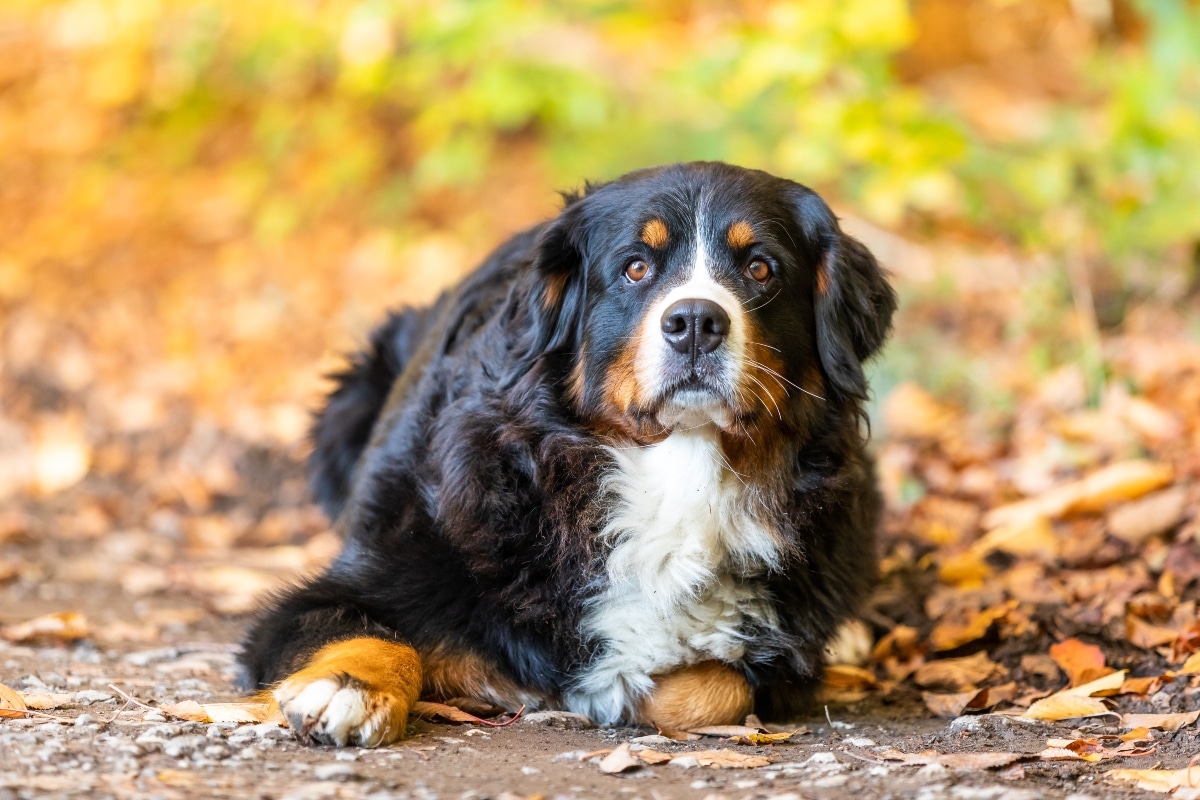
9. Bernese Mountain Dog
Bernese Mountain Dogs are large Swiss working dogs often described as affectionate and devoted.
Their history includes farm work such as pulling carts and helping with livestock.
Many Bernese Mountain Dogs enjoy being close to their families and participating in outdoor activities.
Family life with a Bernese
They may do well in households that can provide:
- Regular walks
- Training
- Family interaction
- Grooming
- Comfortable indoor space
- Appropriate mental stimulation
Their large size means training good manners early is particularly valuable.
10. Pug
Pugs are small companion dogs known for their playful and affectionate personalities.
They often enjoy being close to their owners and can adapt to many indoor living situations.
Their exercise needs are generally moderate, but their short muzzle means owners need to take heat and strenuous exercise seriously.
A social little companion
Pugs can be affectionate and entertaining, but they shouldn’t be treated like toys.
Children should be taught to give them space and interact gently.
As with every breed, socialization and positive training remain important.
11. Irish Setter
Irish Setters are energetic, athletic dogs known for their cheerful and social personalities.
They were developed as sporting dogs and generally enjoy activities that allow them to use both their bodies and minds.
An active family companion
Irish Setters can be a great match for families who enjoy outdoor activities.
They may thrive with:
- Long walks
- Hiking
- Retrieving games
- Training
- Running
- Interactive play
Their high energy means they aren’t necessarily suitable for someone seeking a quiet, low-activity dog.
12. Cocker Spaniel
Cocker Spaniels are affectionate sporting dogs that have become popular companion animals.
They often enjoy human company and can be playful and responsive to training.
Their smaller size compared with many sporting breeds can make them easier to physically manage, although their exercise and grooming needs should still be considered.
Early socialization matters
A well-socialized Cocker Spaniel can become a confident companion, but owners shouldn’t assume that a friendly breed requires no training.
Reward-based training and appropriate exposure to people, animals, sounds, and environments can help puppies develop confidence.
13. Shetland Sheepdog
The Shetland Sheepdog, or Sheltie, is an intelligent herding breed known for its trainability and sensitivity.
Many Shelties form strong bonds with their owners and enjoy learning new behaviors.
Intelligent but sensitive
Their intelligence can make training rewarding, but they may also be sensitive to harsh treatment.
Positive reinforcement, consistency, and appropriate socialization are particularly useful.
One thing prospective owners should remember is that Shelties can be vocal. Their tendency to bark may need to be considered if you live in an apartment or a noise-sensitive neighborhood.
14. Maltese
The Maltese is a small companion breed known for its affectionate personality and long, silky coat.
They often enjoy being close to their owners and can make lively little household companions.
Small doesn’t mean completely maintenance-free
Maltese dogs still require:
- Regular grooming
- Dental care
- Training
- Socialization
- Exercise
- Mental stimulation
Because of their small size, children should be taught to handle them carefully.
Why Breed Alone Doesn’t Determine Bite Risk
One of the most important things prospective dog owners can learn is that breed is only one part of canine behavior.
A dog’s likelihood of biting can be influenced by many factors.
Socialization
Puppies that gradually experience people, animals, environments, sounds, and handling in positive ways may be better equipped to cope with unfamiliar situations.
Socialization doesn’t mean forcing a puppy to interact with everyone.
The goal is to create positive, manageable experiences.
Training
Training can help dogs learn appropriate responses in everyday situations.
Useful skills include:
- Come
- Leave it
- Drop it
- Stay
- Wait
- Settle
- Loose-leash walking
Training also gives owners better tools for managing potentially difficult situations.
Health
Pain can dramatically affect behavior.
A dog that normally enjoys being handled may react differently if it is injured or experiencing discomfort.
Sudden aggression or a major personality change should therefore be discussed with a veterinarian.
Environment
A dog’s behavior can change depending on the circumstances.
A relaxed dog at home may become uncomfortable in a crowded, noisy environment.
Likewise, a dog that happily plays with familiar dogs may not appreciate a strange dog rushing directly toward it.
Human behavior
People have a responsibility too.
Children and adults should learn to recognize when a dog wants space.
Avoid disturbing dogs when they are:
- Eating
- Sleeping
- Caring for puppies
- Hiding
- Injured
- Frightened
- Trying to move away
Never assume that a wagging tail automatically means a dog is comfortable. Look at the dog’s entire body and situation.
Learn the Early Warning Signs
Dogs often communicate discomfort before a bite occurs.
Possible warning signals include:
- Turning the head away
- Moving away
- Lip licking
- Yawning in stressful situations
- Freezing or becoming very still
- Tucking the tail
- Flattening the ears
- Growling
- Showing teeth
- Repeatedly trying to escape
These behaviors shouldn’t simply be ignored.
If a dog is repeatedly showing discomfort, give it space and identify what is causing the stress.
Punishing a growl can remove an important warning signal without addressing the underlying problem.
Are These Breeds Good With Children?
Several breeds on this list can be wonderful family dogs, but no breed should be considered automatically safe with children.
Supervision is essential.
Teach children:
- Don’t climb on dogs.
- Don’t pull ears or tails.
- Don’t take food away.
- Don’t disturb sleeping dogs.
- Don’t chase a dog that is trying to leave.
- Don’t hug a dog unless the dog is comfortable with that interaction.
- Ask an adult before approaching an unfamiliar dog.
Young children should never be left unsupervised with a dog, regardless of breed or size.
Choosing a Dog Based on Temperament
If gentle companionship is your priority, don’t choose a dog based solely on a breed’s reputation.
When possible, learn about the individual dog.
Ask about:
- Behavior around unfamiliar people
- History with children
- Behavior around other dogs
- Resource guarding
- Fear responses
- Energy level
- Previous training
- Handling tolerance
For puppies, responsible breeders or reputable shelters should be able to provide information about the puppy’s background and behavior.
For adult rescue dogs, spending time observing their behavior can provide valuable information before adoption.
Frequently Asked Questions
What dog breed is least likely to bite?
There is no scientifically reliable way to guarantee that one breed is the “least likely to bite.” Individual temperament, socialization, training, health, environment, and circumstances all influence bite behavior.
Are Golden Retrievers and Labradors safe family dogs?
They are widely known for friendly, social temperaments and are popular family dogs. However, individual dogs vary, and proper training, supervision, and socialization are still necessary.
Can a small dog bite?
Yes. Any dog can bite regardless of size. Small dogs should not be handled roughly simply because their bite may cause less physical damage than that of a larger dog.
Are gentle breeds incapable of aggression?
No. A normally friendly dog can still become defensive when frightened, threatened, injured, or overwhelmed.
How can I reduce the risk of my dog biting?
Provide appropriate socialization, reward-based training, veterinary care, safe management, and respectful interactions. Learn to recognize your dog’s stress signals and give them space when needed.
What should I do if my dog’s behavior suddenly changes?
A sudden change in behavior, especially aggression or unusual sensitivity to touch, can sometimes be associated with pain or illness. Contact your veterinarian for advice.
Final Thoughts
There are many wonderful dog breeds known for being affectionate, social, and people-oriented, including Labradors, Golden Retrievers, Cavaliers, Newfoundlands, Bernese Mountain Dogs, and others featured in this guide.
But no breed comes with a guarantee against biting.
The safest approach is to look beyond breed reputation and consider the individual dog’s temperament, health, history, socialization, training, and environment.
Responsible ownership also plays a major role. Give dogs appropriate boundaries, supervise children, respect warning signals, provide positive training, and avoid putting them into situations where they feel trapped or threatened.
A gentle temperament is a wonderful quality in a companion, but creating a safe relationship is a shared responsibility between the dog, the owner, and everyone around them.




Leave a comment