




Golden Retrievers are known for their friendly personalities, playful nature, and strong desire to interact with people. Many Goldens also enjoy spending time with other dogs, making them potentially well suited to a carefully managed dog daycare environment.
Their intelligence and enthusiasm can make daycare an enjoyable source of exercise and enrichment. However, every Golden Retriever is an individual, and a successful daycare experience depends on the dog’s temperament, training, energy level, and ability to handle group activities.
Why Golden Retrievers Can Enjoy Dog Daycare
Golden Retrievers were developed as working and retrieving dogs, and many retain a natural enthusiasm for activity and interaction.
Several characteristics can make them comfortable in an appropriate daycare setting:
- They are often friendly toward people and other dogs.
- They tend to enjoy interactive games and activities.
- They are generally eager to learn.
- Many have plenty of energy to burn.
- Their social nature can make supervised group play enjoyable.
That said, being a Golden Retriever doesn’t automatically mean a dog will enjoy daycare. A proper introduction and evaluation are important before placing any dog into a group environment.
Golden Retriever Personality Traits
Friendly and Social
Golden Retrievers are widely known for their affectionate and people-oriented personalities. Many enjoy meeting new people and interacting with other dogs.
This social tendency can make supervised playgroups a positive experience for a well-socialized Golden.
Intelligent and Trainable
Goldens are intelligent dogs that often respond well to positive reinforcement training. Their willingness to learn can help them understand daycare routines and basic boundaries.
Practicing simple commands at home can also make group activities easier to manage.
Enthusiastic and Excitable
Their enthusiasm is one of their most recognizable characteristics, but it can occasionally become a challenge.
Some Goldens—particularly puppies and adolescents—can become overly excited during play. Jumping, excessive mouthing, rushing toward other dogs, or difficulty settling down may occur when excitement gets too high.
Structured activities and appropriate breaks can help prevent overstimulation.
Golden Retrievers Need Plenty of Activity
Golden Retrievers are generally energetic dogs, and regular physical activity is an important part of keeping them healthy and satisfied.
Depending on the individual dog, daycare activities may include:
- Fetch
- Interactive games
- Supervised running
- Water-based activities where appropriate
- Agility-style exercises
- Scent games
- Training activities
- Social play
A good daycare routine should include rest periods as well as active play. Dogs don’t need to spend every minute running.
Their Natural Love of Fetch Makes Playtime Fun
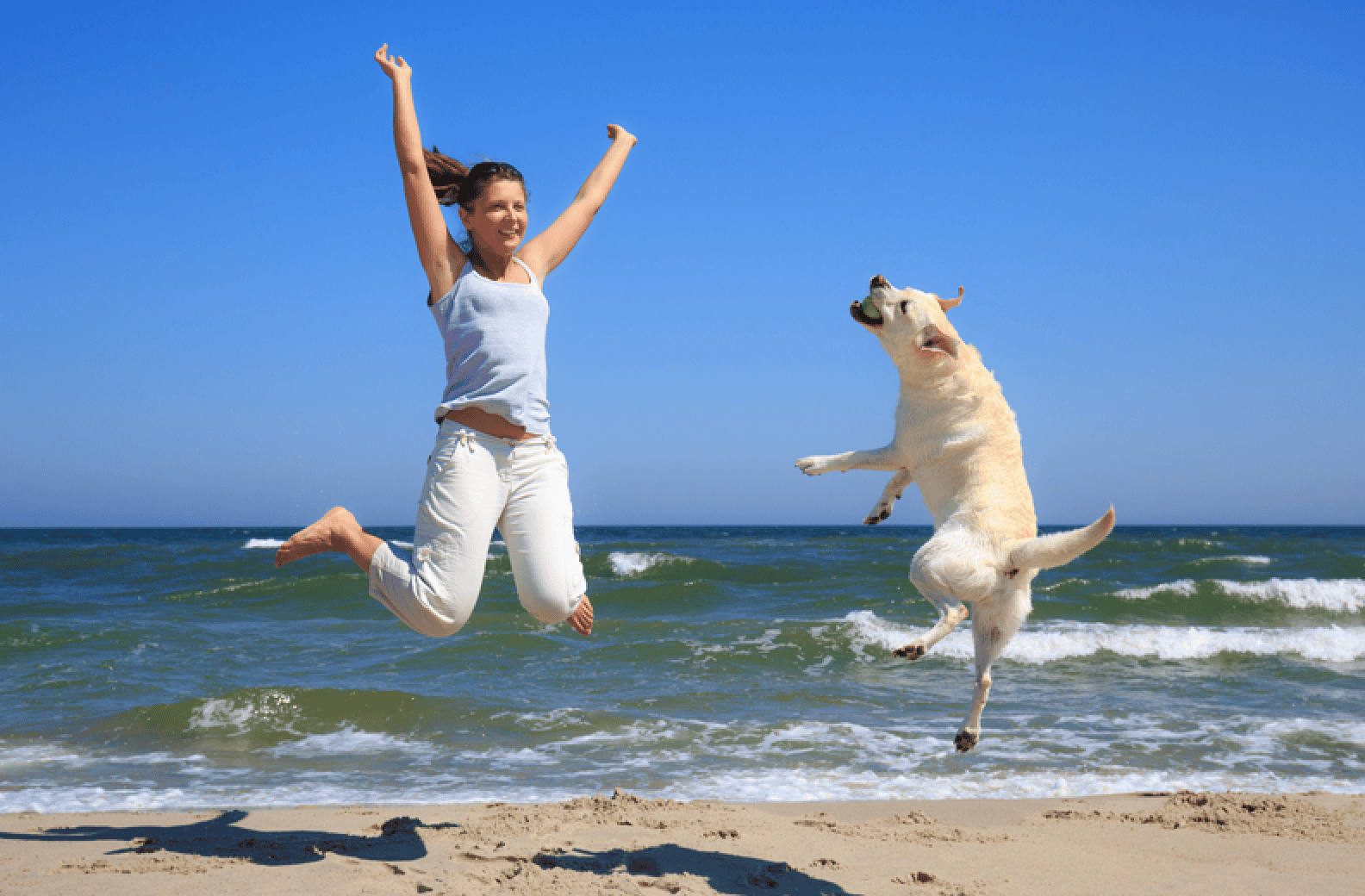
Retrieving is a behavior strongly associated with Golden Retrievers, and many enjoy games involving balls, toys, or other objects.
Fetch can provide both physical exercise and mental engagement, particularly when the activity is structured rather than becoming a frantic competition between dogs.
Interactive games can also give Goldens opportunities to practice listening, waiting, and responding to cues while having fun.
Social Play Should Still Be Carefully Managed
Golden Retrievers may be friendly, but even social dogs can become overwhelmed in a busy play environment.
A daycare group should consider factors such as:
- Size differences between dogs
- Individual play styles
- Energy levels
- Body language
- Excitement levels
- Compatibility between individual dogs
A Golden that enjoys energetic play may not appreciate being surrounded by several highly excitable dogs at once.
Staff should monitor interactions and provide breaks when dogs show signs that they need space or rest.
Training Can Make Daycare More Successful
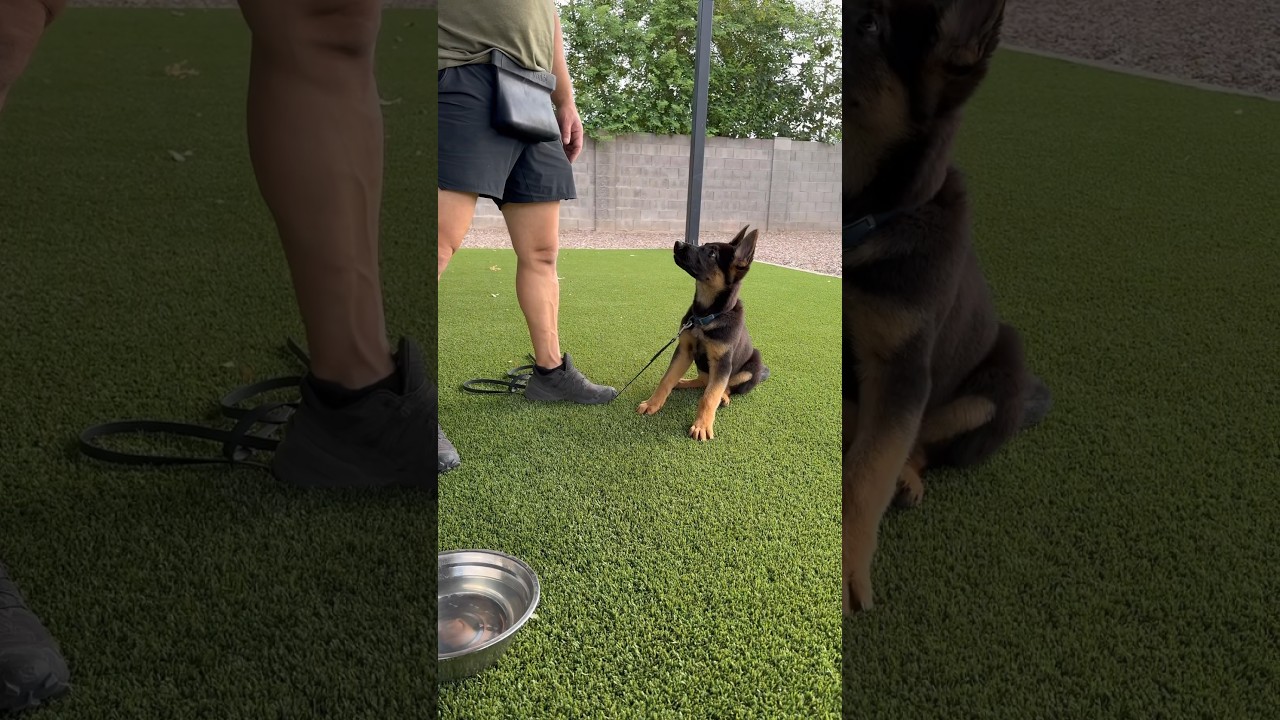
Basic obedience skills can make a significant difference in a daycare environment.
Golden Retriever owners can practice commands such as:
“Wait”
Teaching your dog to pause before receiving something exciting can help build impulse control.
“Leave It”
This cue can help prevent your dog from grabbing something they shouldn’t have.
Calm Greetings
Teaching your Golden to greet people and dogs without jumping or rushing forward can make social interactions more manageable.
Name Recognition
A reliable response to their name can help redirect your dog during play and other exciting situations.
Training should be consistent, positive, and appropriate for the dog’s age and ability.
Don’t Forget the Importance of Rest
A dog returning from daycare may be tired, but that doesn’t necessarily mean they need more activity.
After an active day, give your Golden Retriever time to decompress at home. A quiet evening, fresh water, a meal appropriate for their normal routine, and a comfortable place to sleep may be all they need.
Watch your dog’s behavior after daycare. Persistent exhaustion, reluctance to move, unusual irritability, or other changes may indicate that the routine is too demanding and should be discussed with a veterinarian or qualified canine professional.
Golden Retrievers and Grooming
Golden Retrievers have medium-to-long double coats and are known for shedding.
Regular grooming becomes especially useful when a dog spends a lot of time playing outdoors or interacting with other dogs.
A basic grooming routine can include:
- Regular brushing
- Checking the coat for debris
- Keeping nails appropriately trimmed
- Checking ears regularly
- Bathing when necessary
- Inspecting paws after active play
Brushing can help remove loose hair and reduce the amount of fur that ends up around the home.
Signs Your Golden Retriever May Be Overstimulated
Not every dog thrives in a busy daycare environment. Pay attention to your dog’s body language and behavior.
Possible signs that a dog needs a break include:
- Avoiding other dogs
- Trying to escape the play area
- Excessive panting unrelated to normal exercise
- Repeatedly hiding or seeking isolation
- Stiff or tense body language
- Excessive barking
- Difficulty settling down
- Irritability during interactions
- Sudden changes in normal behavior
A responsible daycare should recognize these signals and adjust the dog’s activities accordingly.
Is Dog Daycare Right for Every Golden Retriever?
No.
Breed tendencies can provide useful background, but they don’t determine an individual dog’s personality.
One Golden Retriever may happily play with dogs for hours, while another may prefer quiet walks, one-on-one games, or spending the day at home.
Age, socialization history, previous experiences, health, training, and temperament all matter.
Before enrolling your dog, ask the daycare about its evaluation process, staff supervision, group sizes, rest periods, emergency procedures, vaccination requirements, and how dogs are matched with playgroups.
How to Prepare Your Golden Retriever for Daycare
You can make the transition easier by introducing new experiences gradually.
Before the first daycare visit:
- Practice basic commands at home.
- Work on calm greetings.
- Provide age-appropriate exercise.
- Introduce your dog to different environments.
- Give your dog positive experiences around friendly, compatible dogs.
- Make sure vaccinations and routine veterinary care are up to date.
- Choose a daycare that evaluates dogs before group placement.
A gradual introduction gives your dog an opportunity to become comfortable without immediately overwhelming them.
Final Thoughts
Golden Retrievers often have many qualities that can make dog daycare enjoyable: they are frequently social, energetic, playful, affectionate, and eager to interact with people.
But a successful daycare experience requires more than a friendly breed temperament.
Goldens need appropriate supervision, structured activities, opportunities to rest, and guidance when their enthusiasm gets the better of them. Owners should also remember that every dog has individual preferences.
When the environment matches the dog’s personality and needs, daycare can become a rewarding source of exercise, enrichment, and social interaction for a Golden Retriever.





Leave a comment