


Understanding Your Pups Personality
Every dog is a unique bundle of quirks and behaviors that can shape how they respond to training.understanding your pupS personality is the first step towards creating a fun and effective training experience. As a notable example, some dogs are naturally curious, always wanting to sniff out new adventures, while others might be more cautious, needing extra time to feel at ease in new situations. Recognizing these traits can help you tailor your training methods—whether it’s turning a walk into a treasure hunt for the inquisitive pup or layering in gentle encouragement for the shy one.
To help you connect with your furry friend, here are some personality types you might encounter:
| Personality Type | Characteristics | Training Tips |
|---|---|---|
| The Explorer | Curious, energetic, loves to discover. | Incorporate games and outdoor training sessions. |
| The Cuddler | Affectionate, calm, prefers personal connections. | Use positive reinforcement and lots of praise. |
| The Protector | Vigilant, alert, loves their home and family. | Use socialization to expose them to different people and places. |
| The Goofball | Playful, silly, enjoys being the life of the party. | Incorporate fun tricks and interactive play during training. |
By paying attention to these personalities, you can foster a deeper bond while making training enjoyable. Every moment spent understanding these traits is a step toward building mutual trust; when your dog feels seen and appreciated, they’re more likely to engage, learn, and have a tail-wagging good time!
essential Gear for Training Success
When it comes to training your dog, having the right gear can make all the difference in achieving success and keeping the fun alive. here are some must-have items you’ll want to gather before getting started:
- Leash and Collar: A sturdy leash and a comfortable collar are essential for safe walks and sessions.
- Clicker: This little gadget is a game-changer! It helps in marking the right behaviors effectively.
- Treats: Stock up on healthy, tasty treats to reward your pup for their good behavior.Use small pieces for ease!
- Toy Box: Include a variety of toys to keep your pup engaged and motivated during training, ensuring they stay interested.
Another crucial aspect is creating a comfortable training habitat. Here’s a simple table to help you set the scene:
| Environment Elements | Why They’re Important |
|---|---|
| Quiet space | minimizes distractions and allows your dog to focus. |
| Consistent Location | Helps your dog associate the space with learning. |
| Comfortable Surface | Soft surface is easier on your dog’s paws, making training more pleasant. |
Positive Reinforcement Made Easy
Training your dog doesn’t have to feel like a chore! Positive reinforcement is all about using rewards to encourage the behaviors you want to see. Think of it as a game where both you and your pup walk away happy. To make things easier, here are some quick tips to get you started:
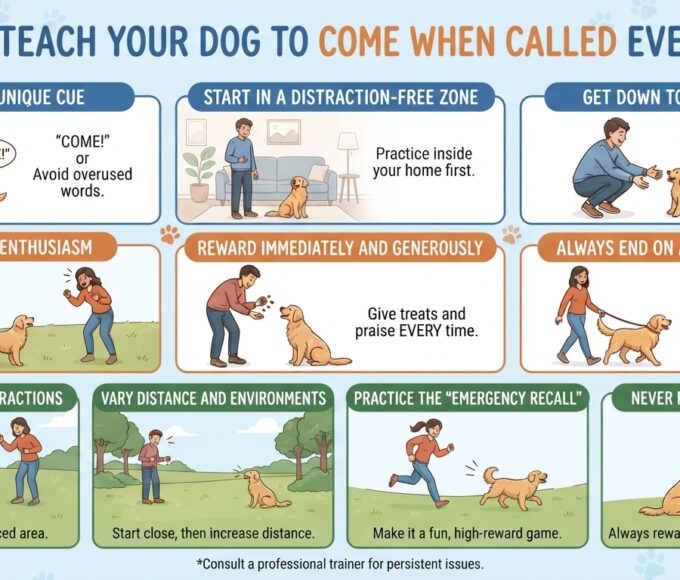
- Start Simple: Begin with basic commands such as “sit,” “stay,” or “come.” These set the foundation for more complex tricks later.
- choose Your Rewards: Every dog is different—some respond to treats,while others might prefer toys or extra playtime.Find what makes your pup perk up!
- Timing is Key: Give your dog a reward immediately after they perform the desired behavior. This helps them connect the dots between their action and the reward.
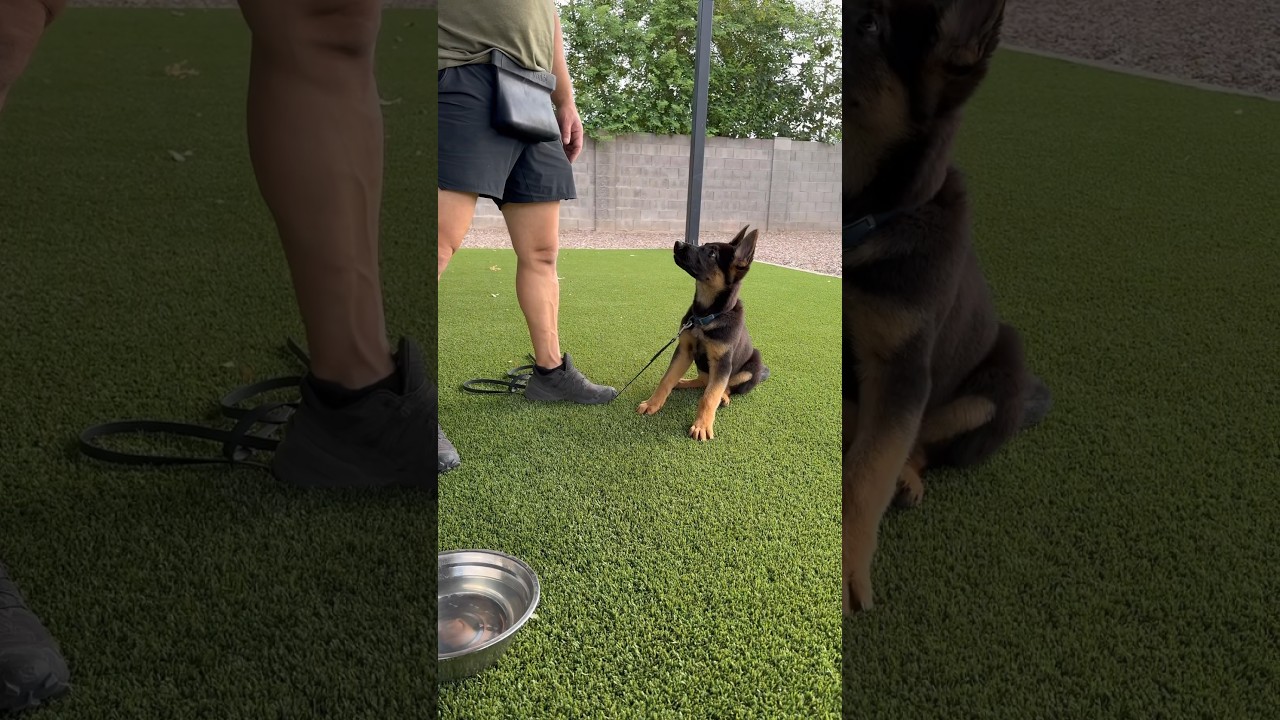
Consistency is essential! Make sure everyone in your household uses the same commands and rewards. This helps avoid confusion and strengthens your dog’s learning. Keep training sessions short and fun, aiming for about 5 to 10 minutes a few times a day. You want your dog to associate training with playtime, not a tedious task. And remember, lots of love and patience go a long way in building a strong bond and a well-trained pup.
Turning Training into Playtime Adventures
Transforming training sessions into playful adventures not only keeps your pup engaged but also strengthens the bond you share. Try incorporating interactive games that emphasize obedience and have your furry companion thinking while having a blast. As an example, use toys or treats to create a fun scavenger hunt, where your dog must find hidden goodies based on your commands. This taps into their natural instincts and makes learning feel like a game!
Here are some playful ideas to spice up your training routine:
- Hide and Seek: Command your dog to stay while you hide. Call them to find you and reward them with praise and treats when they do!
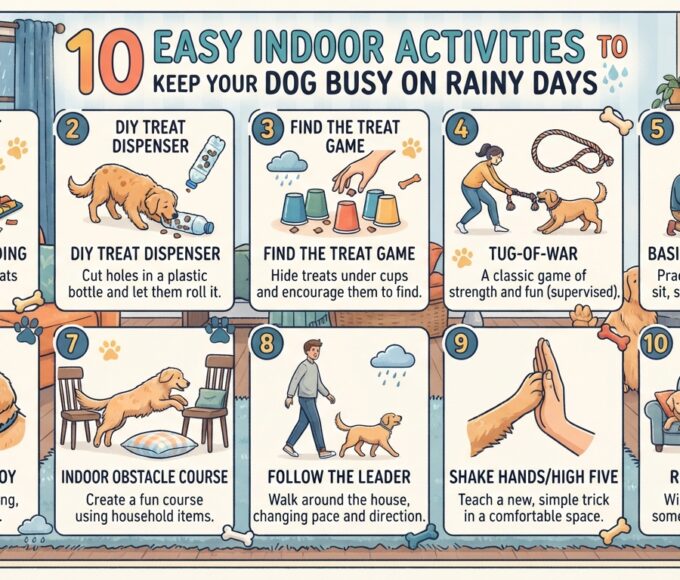
- Obstacle Course: set up a simple course with items at home, like chairs to jump over or pillows to weave through.
- Fetch with a Twist: Add a command before throwing the ball, like “sit” or “stay,” to reinforce good behavior while playing.
Q&A
Q&A: Unleash the Fun: Beginner Tips for Training Your Dog Q: Why should I bother training my dog? Isn’t it just for show? A: Oh,you bet there’s more to it than just bragging rights! Training your dog is super important for a harmonious life together.It keeps them safe, helps with socialization, and strengthens your bond. Plus, it’s a great way for both of you to have fun and burn off some energy! Q: What’s the best age to start training my pup? A: The earlier, the better! You can start socializing and basic training as soon as you bring your furry friend home, usually around 8 weeks old. But it’s never too late to train an older dog! They can teach old dogs new tricks, trust me. Q: what are some fun and easy commands to start with? A: Start with the classics: “Sit,” “Stay,” and “Come” are great foundational commands. You can turn it into a game with treats and praise. Just think of it as bonding time, where both of you score some points! Q: How long should training sessions be? I don’t want to bore my dog! A: Keep it short and sweet! About 5-10 minutes for puppies and up to 15 minutes for adult dogs is perfect. Think of it like a quick workout session. You want them eager for more, not snoozing on you! Q: Any tips for keeping my dog interested during training? A: Totally! Mix things up with different locations, various commands, and use high-value treats (like those yummy chicken bits over regular kibble). You can also incorporate playtime. If your dog is having fun, they’ll be all ears! Q: What if my dog won’t listen to me? Is there a secret potion? A: no magic potions here, but patience is key! Remember, dogs can sense frustration.If they are not responding,take a step back,try a fresh approach,or reward them for small achievements.Sometimes a little break is all they need to refocus. Q: Should I enroll in a training class or can I train my dog myself? A: Both options have their perks! Classes can be great for socialization and getting expert advice,but there are tons of online resources if you prefer to DIY. Just make sure you’re comfortable, have fun, and keep things positive no matter what! Q: What’s the biggest mistake beginners make when training their dogs? A: Trying to rush the process! Dogs are not robots—they learn at their own pace. Consistency, patience, and a sprinkle of fun are the magic ingredients. If you keep it lighthearted, you both will love the experience! Q: Any final words of wisdom for newbie dog trainers? A: Enjoy the journey! Celebrate every little victory, and don’t take it too seriously. Training is a bonding experience, and if you both have fun, you’ll create memories that last a lifetime.Now go grab those treats and get started!The Way Forward
And there you have it, folks! Training your dog doesn’t have to be a chore—it can be an absolute blast! Remember, it’s all about bonding with your furry friend and having a little fun along the way.Whether you’re teaching basic commands, working on tricks, or just going for those adorable “meet and greet” moments, patience and consistency are key. So grab those treats, throw on some comfy shoes, and head out for some quality playtime. Your pup will thank you, and who knows? You might just discover a hidden talent for dog training! Keep it light, keep it fun, and enjoy every wag and woof of the journey. Cheers to a future filled with tail wags and memorable moments!This Article Was Generated By AI.






Leave a comment