


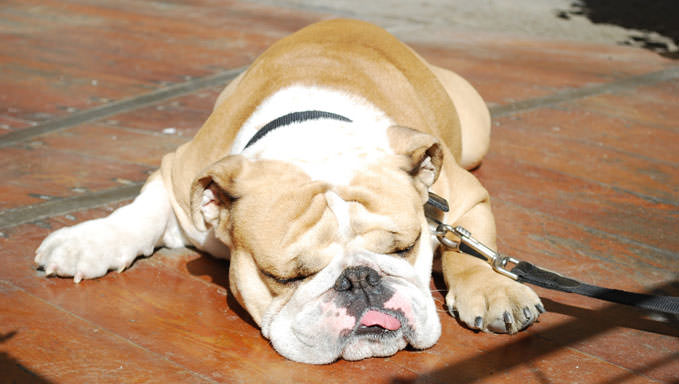

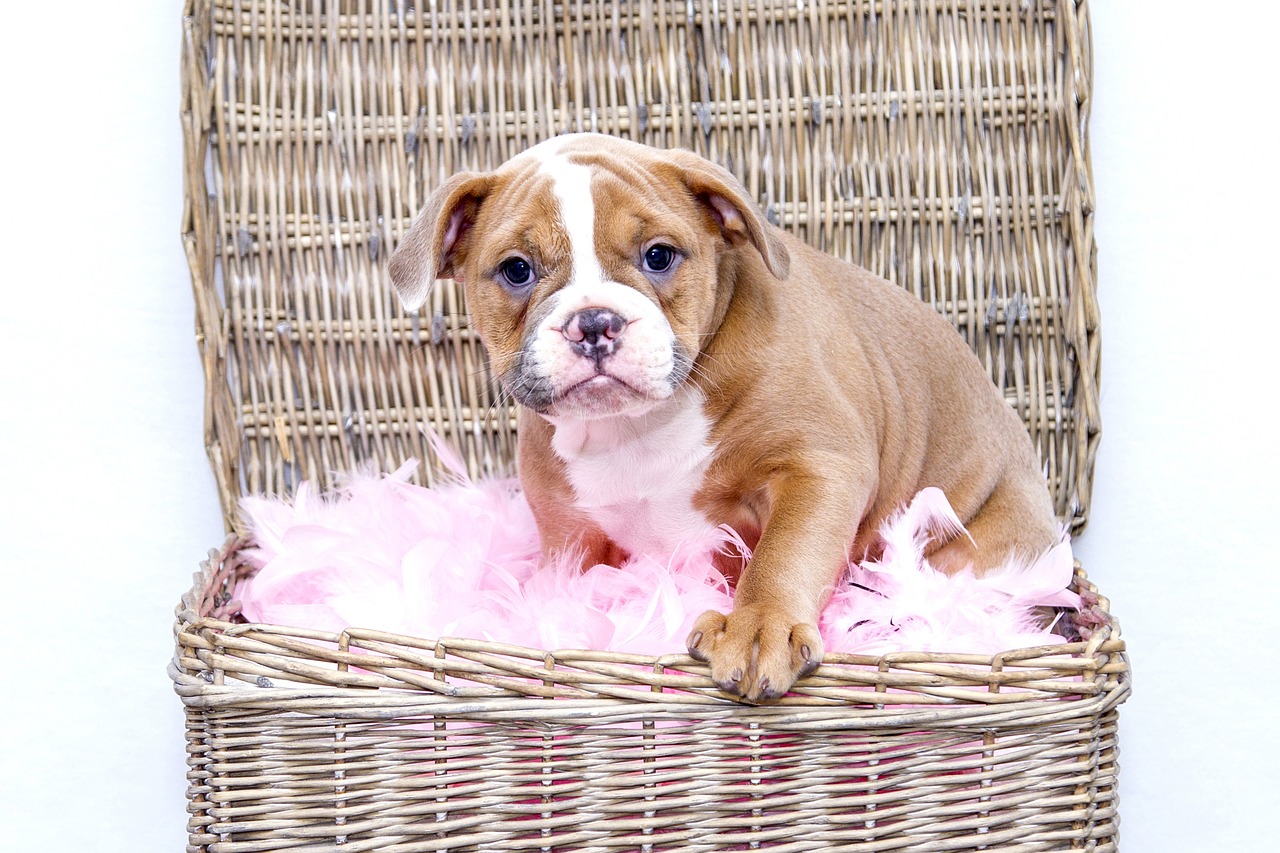
Bringing home a Bulldog puppy is exciting, but preparing for your new companion involves more than choosing a cute bed and a few toys. Puppies are curious, playful, and surprisingly good at finding things they shouldn’t touch.
A little preparation can make those first few weeks much easier. From food and feeding supplies to grooming tools, training equipment, and enrichment toys, having the essentials ready before your puppy arrives helps you focus on bonding and settling them into their new home.
Use this Bulldog puppy shopping list as a practical checklist when preparing for your new family member.
Complete Bulldog Puppy Shopping List
1. High-Quality Bulldog Puppy Food
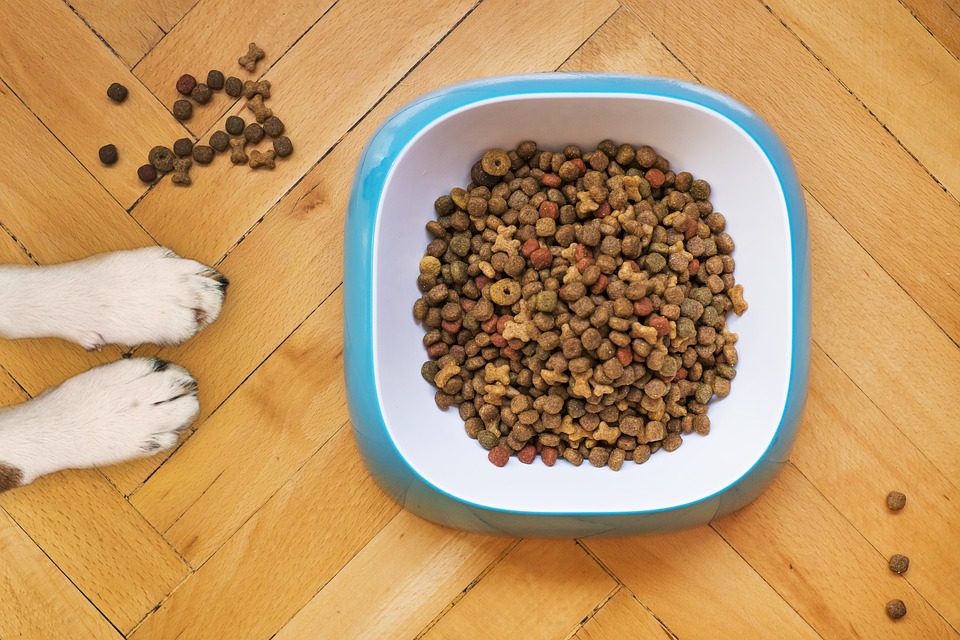
Food should be one of the first things on your shopping list. Choose a complete puppy food appropriate for your puppy’s age, size, and nutritional needs.
If your puppy is coming from a breeder or rescue organization, ask what food they have already been eating. Keeping the same food initially can make the transition easier. If you want to change foods, make the switch gradually and discuss your choice with your veterinarian.
Your puppy’s food requirements will also change as they grow, so regularly review portions and feeding recommendations.
2. Food and Water Bowls
Your Bulldog puppy will need separate bowls for food and fresh water.
Stainless steel or ceramic bowls are popular choices because they are durable and relatively easy to clean. Look for bowls that are appropriately sized for your puppy and have a stable or non-slip base.
Avoid bowls with sharp edges, cracks, or damaged surfaces that could hurt your puppy or become difficult to clean.
Shopping checklist:
- Food bowl
- Water bowl
- Non-slip base or feeding mat
- Easy-to-clean material
3. Puppy Collar With ID Information
A properly fitted collar is another basic essential. Choose a lightweight collar that fits comfortably without being too tight.
Because puppies grow quickly, check the fit frequently. You should be able to comfortably place a couple of fingers between the collar and your puppy’s neck.
Adding identification information can provide an extra layer of protection if your puppy ever gets lost. An ID tag can include your phone number, while a microchip should be discussed with your veterinarian.
4. Adjustable Leash
Pair the collar with a sturdy puppy-safe leash for walks and training.
A lightweight leash is generally easier for a young puppy to handle. As your Bulldog grows, you can move to equipment designed for their adult size.
It’s also useful to have a backup leash in case one becomes damaged or misplaced.
5. Puppy Crate
If you plan to crate train your Bulldog, choose a crate before your puppy arrives.
The crate should provide enough room for your puppy to stand, turn around, sit, and lie down comfortably without giving them excessive unused space. An adjustable crate can be practical because your puppy will grow quickly.
Look for useful features such as:
- Secure doors and latches
- Good ventilation
- A removable tray
- Easy cleaning
- Appropriate sizing
The crate should be introduced as a comfortable resting space rather than used as punishment.
6. Comfortable Puppy Bed
Even if your puppy sleeps in a crate, having a comfortable bed or washable mat can give them another place to relax.
Choose something that is easy to wash and durable enough to withstand puppy chewing and accidents. A waterproof or removable cover can make cleanup considerably easier during the house-training stage.
7. Puppy-Safe Chew Toys
Chewing is a normal part of puppyhood, so providing appropriate alternatives can help protect your furniture, shoes, and other household items.
Choose toys made from materials designed for puppies and inspect them regularly for damage. Replace toys when pieces start breaking off or becoming small enough to swallow.
Having several different shapes and textures can also give your puppy more ways to explore and play.
8. Interactive and Food-Dispensing Toys
Food puzzles and interactive toys can provide mental stimulation while encouraging your puppy to work for part of their meal or treats.
These toys can be particularly useful when your puppy needs something constructive to do indoors.
Always select a toy appropriate for your puppy’s size and chewing habits, and supervise them when using a new product.
9. Puppy Chews
A suitable puppy chew can help satisfy your dog’s natural desire to chew.
Not every chew is appropriate for every puppy, so choose products according to your puppy’s age, size, and chewing style. Avoid items that easily splinter, break into sharp pieces, or become small enough to swallow.
Supervise chewing sessions and remove damaged chews promptly.
10. Puppy Training Treats
Small training treats can make positive-reinforcement training easier.
Choose treats that are appropriate for puppies and small enough to use repeatedly without adding excessive calories. You can also reserve a portion of your puppy’s regular food for training when appropriate.
Use rewards alongside praise and other positive interactions to encourage desirable behaviors.
11. Training Clicker
A clicker is an optional but useful training tool.
It can help you mark the exact moment your puppy performs a behavior you want to reinforce. For example, you can click when your puppy sits on command and immediately follow the click with a treat.
Consistency is more important than the particular training tool you choose.
12. Puppy Training Pads
Training pads can be useful during the early stages of house training, particularly when a puppy cannot yet reliably hold their bladder or when outdoor access is limited.
Place pads in an easy-to-clean area and establish a consistent potty routine. Once your puppy is ready to toilet outdoors, gradually transition them toward your preferred routine.
13. Enzymatic Pet Cleaner
Accidents are part of life with a young puppy.
A pet-safe enzymatic cleaner can help remove organic residue and odors from accidents on carpets, floors, and other surfaces. Cleaning accidents thoroughly is important because lingering odors may encourage a puppy to return to the same location.
Keep cleaning supplies somewhere your puppy cannot access them.
14. Puppy Grooming Brush
Bulldogs have short coats, so their grooming needs are different from those of long-haired breeds. A suitable brush can help remove loose hair and keep the coat looking tidy.
Gentle, regular grooming also gives your puppy an opportunity to become comfortable with being handled.
Start slowly and reward calm behavior during grooming sessions.
15. Dog-Safe Shampoo
Keep a mild, dog-specific shampoo available for those occasions when your puppy needs a bath.
Puppies generally don’t need frequent bathing unless they become dirty or your veterinarian recommends a particular bathing routine. Over-bathing can contribute to dry or irritated skin in some dogs.
Always use products formulated specifically for dogs rather than human shampoo.
16. Bulldog Wrinkle-Care Supplies
Bulldog facial folds require regular attention.
Moisture, dirt, and debris can collect in skin folds, so gently checking and cleaning them as needed is an important part of routine care. Use products that are appropriate for dogs and follow your veterinarian’s recommendations if your puppy develops redness, odor, discharge, or irritation.
The key is to keep the folds clean and dry without scrubbing aggressively.
17. Nail Clippers or a Pet Nail Grinder
Keeping your puppy’s nails at an appropriate length is another important part of grooming.
Choose either puppy-safe nail clippers or a pet nail grinder and introduce the tool gradually. Touch your puppy’s paws regularly so they become accustomed to handling before you begin trimming.
If you’re unsure how to trim nails safely, ask a veterinarian or professional groomer to demonstrate the technique.
18. Heartbeat or Comfort Puppy Toy
Some puppies find it easier to settle when they have a soft comfort toy nearby.
Heartbeat-style puppy toys are designed to imitate the rhythmic sensation of another animal and may help some puppies adjust to sleeping away from their mother and littermates.
These toys aren’t necessary for every puppy, but they can be a useful addition during the first few nights or while your puppy is learning to rest independently.
Always inspect plush toys for damage and remove them if your puppy begins tearing them apart.
19. Puppy-Safe Blanket
A washable blanket can make a crate, bed, or quiet resting area more comfortable.
You can keep one blanket in the crate and another available for travel or washing. Choose washable materials and avoid blankets that have loose threads or pieces your puppy could chew and swallow.
A familiar-smelling blanket from the puppy’s previous environment may also help some puppies settle into their new home.
20. Brain Games and Snuffle Activities
Physical exercise isn’t the only way to keep a puppy busy. Simple scent games and food puzzles can provide mental enrichment.
You can hide small amounts of food around a safe area, use a snuffle mat, or introduce beginner-level puzzle toys. These activities encourage your puppy to use their nose and problem-solving skills.
Start with easy challenges and increase the difficulty as your puppy learns.
21. Puppy Training Resources
Training should be considered an essential part of your puppy shopping list, even though it isn’t something that necessarily comes in a box.
Look for reliable puppy-training resources covering:
- Name recognition
- Sit and stay
- Recall
- Leash manners
- Bite inhibition
- House training
- Crate training
- Appropriate socialization
A professional trainer or puppy class can also be helpful, especially if you’re a first-time dog owner.
22. Travel and Safety Gear
Don’t forget about getting your puppy safely from place to place.
Depending on your lifestyle, useful travel equipment can include a secure car restraint, travel crate, portable water bowl, leash, waste bags, and a small supply of food.
Never allow a puppy to roam freely inside a moving vehicle. Secure them appropriately before every trip.
Extra Items Worth Having at Home
The 22 essentials above cover most of the basics, but a few additional supplies can make puppy ownership easier.
Consider adding:
- Poop bags
- Puppy-safe toothbrush and toothpaste
- Grooming wipes
- Food storage container
- Washable feeding mat
- Extra towels
- Baby gates
- Puppy-proof storage containers
- Spare collar and leash
- Pet first-aid supplies
You don’t have to buy everything at once. Start with the essentials and add items as you learn your puppy’s individual needs.
Bulldog Puppy Shopping Checklist
Before your puppy arrives, make sure you have the following:
- Puppy food
- Food and water bowls
- Collar
- ID tag
- Leash
- Crate
- Puppy bed
- Chew toys
- Interactive toys
- Safe puppy chews
- Training treats
- Training clicker
- Puppy pads
- Enzymatic cleaner
- Grooming brush
- Dog-safe shampoo
- Wrinkle-care supplies
- Nail clippers or grinder
- Comfort toy
- Washable blanket
- Brain games or snuffle mat
- Training resources
- Travel and safety gear
How to Prepare Your Home for a Bulldog Puppy
Shopping is only half of the preparation. Before your puppy arrives, walk through your home from a puppy’s perspective.
Move electrical cables out of reach, secure small objects, close access to unsafe areas, and store cleaning products, medications, and household chemicals securely.
Check your yard or outdoor area for gaps in fencing and remove plants or objects that could present a danger.
It’s also helpful to decide in advance where your puppy will eat, sleep, play, and go to the bathroom. A consistent setup can make the adjustment period easier for both you and your puppy.
Frequently Asked Questions
What should I buy before bringing home a Bulldog puppy?
Start with food, bowls, a collar, leash, crate, bed, chew toys, grooming supplies, cleaning products, and basic training equipment. You can add optional enrichment and comfort items after your puppy settles in.
Do Bulldogs need special grooming supplies?
Bulldogs have relatively short coats, but their facial and skin folds need regular attention. A gentle brush, dog-safe shampoo, towels, and appropriate wrinkle-cleaning supplies are useful additions to your grooming kit.
How many toys should a Bulldog puppy have?
There isn’t a fixed number. A small collection containing different types of safe toys is usually more useful than buying a huge number at once. Rotate toys periodically and inspect them for damage.
Should I crate train my Bulldog puppy?
Crate training can be a useful way to establish a safe resting area and support house training. The crate should be appropriately sized and introduced gradually using positive experiences.
What should I prioritize if I have a limited budget?
Focus first on necessities: appropriate puppy food, bowls, collar and leash, crate or safe sleeping area, basic bedding, safe chew toys, grooming supplies, cleaning products, and veterinary care. Optional toys and accessories can be purchased later.
Key Essentials for Raising Your Bulldog Puppy
Preparing for a Bulldog puppy doesn’t require buying every product available at the pet store. The goal is to have the essentials ready so your puppy has a safe place to eat, sleep, play, learn, and settle into their new surroundings.
Start with the basics, puppy-proof your home, establish a consistent routine, and introduce new equipment gradually. Most importantly, keep your puppy’s individual needs in mind and consult your veterinarian for questions about nutrition, grooming, vaccinations, exercise, and other aspects of their care.
With a little preparation, you’ll be ready for the messy, playful, and rewarding adventure of raising a Bulldog puppy.





Leave a comment