



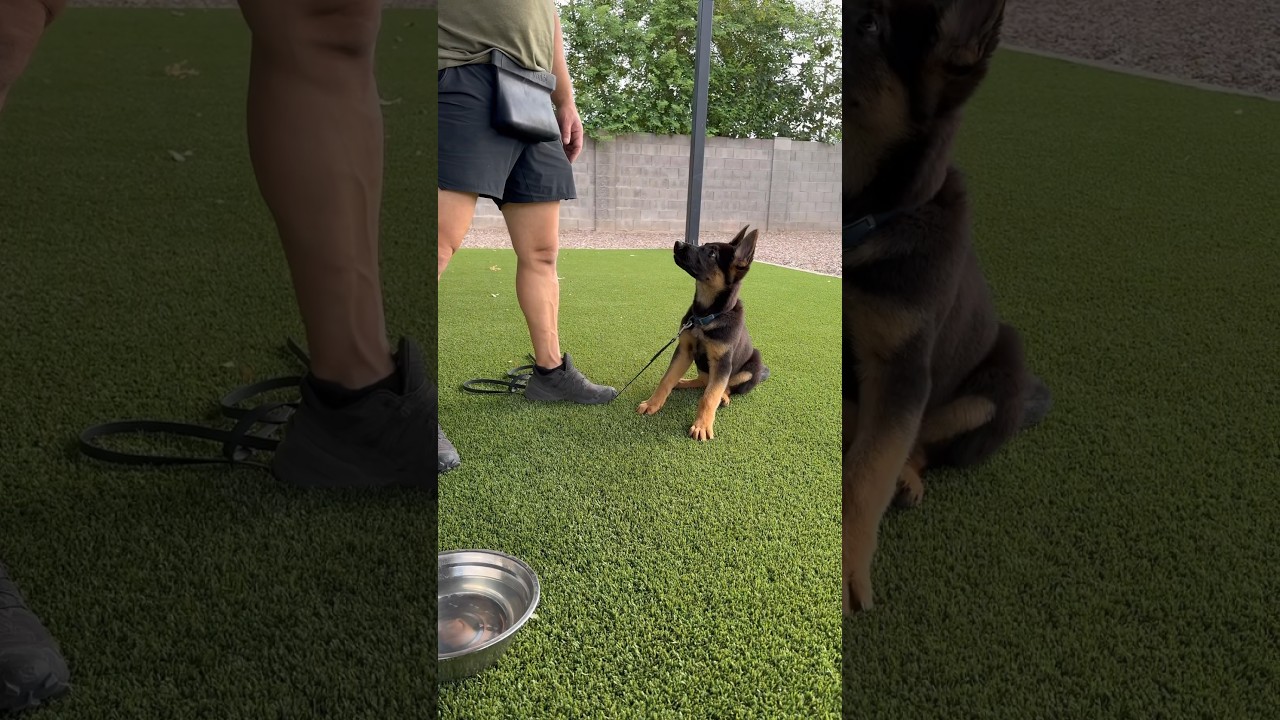



German Shepherds are intelligent, loyal, energetic, and eager to learn. Their combination of physical strength and mental drive can make them wonderful companions, but it also means they may need a thoughtful approach when attending dog daycare.
With the right environment, structure, and supervision, a German Shepherd can enjoy daycare while building confidence, exercising, and developing positive social experiences.
Understanding the German Shepherd Personality
Before introducing a German Shepherd to daycare, it helps to understand some of the traits that can influence how they interact with people and other dogs.
Alert and Naturally Protective
German Shepherds are often highly observant and may pay close attention to unfamiliar people, dogs, and changes in their surroundings. Some may become protective of their family or familiar spaces.
A calm and predictable daycare environment can help them feel more comfortable.
Intelligent and Eager to Work
These dogs were bred for jobs that required focus, cooperation, and learning. They often enjoy having something purposeful to do rather than simply running around.
Training exercises, structured games, and interactive activities can provide valuable mental stimulation.
May Need Help Managing Other Dogs
Some German Shepherds may become overly focused on what other dogs are doing. They might attempt to control, herd, or correct another dog during play.
This behavior doesn’t necessarily mean a dog is aggressive, but it can indicate that the dog needs redirection and appropriate supervision.
Slow to Warm Up
Not every German Shepherd immediately trusts new people or dogs. Some may need time to become comfortable in an unfamiliar daycare environment.
Allowing them to adjust gradually can help create more positive associations with the experience.
Consider Their Energy and Play Style
German Shepherds generally have substantial physical and mental energy. Simply providing plenty of running time may not completely satisfy them.
They can benefit from activities that challenge both their bodies and their minds.
Choose Structured Activities
Games and activities involving direction and cooperation can be particularly engaging. Examples include:
- Obedience exercises
- Follow-the-leader games
- Agility-style activities
- Recall practice
- Interactive games
- Scent-based activities
Structured play can give a German Shepherd something to focus on while helping prevent excessive excitement.
Avoid Constant Chaos
A busy playroom filled with unpredictable movement may be overwhelming for some German Shepherds.
Rather than assuming every GSD wants nonstop group play, daycare staff should consider the individual dog’s personality and comfort level.
Smaller playgroups or time with familiar dogs may be more enjoyable for some Shepherds.
Watch for the “Manager” Behavior
Because German Shepherds are intelligent and attentive, they may sometimes act as though they need to supervise everyone around them.
A dog might repeatedly interrupt other dogs, attempt to control their movements, or become overly focused on correcting play.
Consistent redirection can help the dog understand that managing the entire playgroup isn’t their responsibility.
Prepare Your German Shepherd Before and After Daycare
Daycare shouldn’t be the only source of exercise and enrichment for a German Shepherd.
A balanced routine at home can help support their physical and mental needs.
Consider incorporating:
- Sniff walks
- Puzzle toys
- Food enrichment
- Short training sessions
- Interactive play
- Safe chew activities
- Basic obedience practice
Mental stimulation is especially valuable for a breed that enjoys learning and solving problems.
Practice Useful Commands
Training can give your German Shepherd practical ways to respond when they become excited or distracted.
Commands such as “place,” “leave it,” and “touch” can be useful for redirecting attention.
Regularly practicing these behaviors at home can make them easier for your dog to understand in other environments.
The goal isn’t simply obedience for its own sake. Clear communication can help your dog know what you expect when something exciting is happening around them.
Calm, Consistent Handling Matters
German Shepherds often respond well to handlers who are confident, patient, and consistent.
Frequent changes in expectations or overly emotional interactions can make an already stimulating environment more difficult to navigate.
Daycare staff should pay attention to body language and recognize when a dog needs a break, a change of activity, or additional space.
Help Your Dog Adjust Gradually
A new daycare environment can involve unfamiliar people, sounds, smells, dogs, and routines.
Instead of expecting your German Shepherd to immediately behave like a regular daycare visitor, give them time to become familiar with the surroundings.
A gradual introduction can help reduce unnecessary stress and allow staff to learn more about the dog’s personality.
Pay Attention to Signs of Stress or Overstimulation
German Shepherds can become overwhelmed if an environment is too chaotic or if they don’t have enough opportunities to settle down.
Watch for changes in body language or behavior, including:
- Excessive pacing
- Avoiding other dogs
- Repeated attempts to escape an interaction
- Stiff or tense body language
- Excessive barking
- Difficulty settling
- Constantly trying to control other dogs
- Sudden changes in normal behavior
Recognizing these signals early gives handlers an opportunity to adjust the situation before the dog becomes more stressed.
Every German Shepherd Is Different
Breed characteristics can provide useful guidance, but they don’t determine exactly how an individual dog will behave.
One German Shepherd may happily enjoy group play, while another may prefer smaller groups, structured activities, or more individual attention.
Age, previous socialization, training, personality, and past experiences can all influence a dog’s daycare preferences.
That’s why daycare should be evaluated on an individual basis rather than assuming every German Shepherd needs the same routine.
Can German Shepherds Enjoy Dog Daycare?
Absolutely. German Shepherds can have positive daycare experiences when the environment matches their individual needs.
They often thrive when they have a combination of physical activity, mental stimulation, clear expectations, calm handling, and appropriate social opportunities.
The key is finding the right balance. A German Shepherd doesn’t necessarily need the most energetic playgroup or the longest possible play session. They need an environment where they can feel comfortable, stay engaged, and interact appropriately.
Final Thoughts
German Shepherds are intelligent, energetic dogs that often enjoy having a job or purpose. Dog daycare can provide valuable exercise and social opportunities, but the experience works best when it includes structure and thoughtful supervision.
Give your GSD plenty of mental enrichment, reinforce useful commands, introduce new environments gradually, and pay attention to their individual body language.
With the right approach, daycare can become a positive part of a German Shepherd’s routine while helping them stay active, engaged, and confident.












Leave a comment