


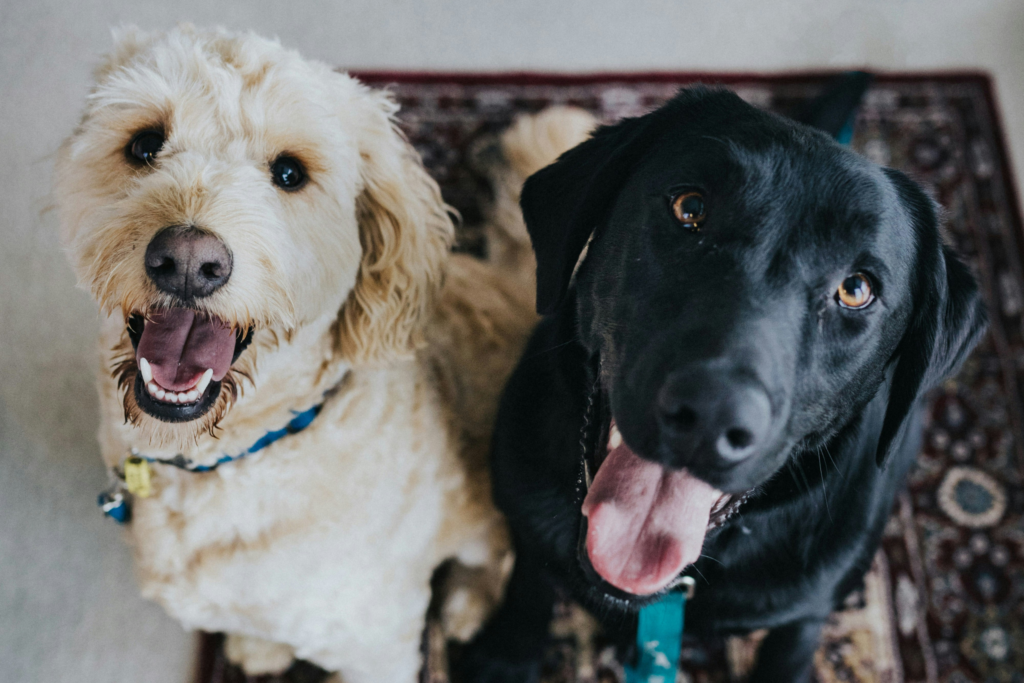
A new year is a great opportunity to build better habits—not just for yourself, but for your dog too. Your pup may not understand what a New Year’s resolution is, but they can certainly benefit from small changes that improve their daily routine.
Whether you want to provide more exercise, introduce new enrichment activities, improve training, or simply spend more quality time together, dog-friendly resolutions can make everyday life healthier and more enjoyable.
The key is to choose goals that suit your dog’s age, health, personality, and current routine rather than trying to change everything at once.
How to Create Realistic Resolutions for Your Dog
Before choosing your dog’s goals, think about what would genuinely improve their life. A good resolution should be practical enough for both you and your dog to maintain.
1. Start With Small, Achievable Goals
Instead of deciding that your dog will suddenly exercise twice as much every day, make gradual changes.
For example, if your dog currently takes a short walk each day, you might add a few extra minutes when they are comfortable with it.
Small improvements are often easier to maintain than dramatic changes.
2. Make a Simple Plan
Turn each resolution into an action you can actually follow.
Rather than saying, “I want my dog to exercise more,” try:
- Take an additional short walk several days a week.
- Add a few minutes of interactive play.
- Schedule regular opportunities for sniffing and exploring.
- Introduce a puzzle toy a few times each week.
A specific plan makes progress easier to recognize.
3. Don’t Try to Fix Everything at Once
Your dog doesn’t need ten major lifestyle changes on January 1.
Choose one or two priorities first. Once those habits become part of your routine, you can introduce another goal.
This approach can also make training and behavioral changes less overwhelming.
4. Be Flexible
Your dog’s needs may change throughout the year.
A puppy, adult dog, senior dog, and dog recovering from illness may all require very different routines. Weather, health, weight, mobility, and changes in your household can also affect what is realistic.
If a resolution stops making sense, adjust it.
5. Track Progress
You don’t need a complicated system. A simple calendar or phone note can help you keep track of walks, training sessions, grooming appointments, enrichment activities, or other goals.
Tracking can also show you which habits are actually working.
10 New Year’s Resolutions for Your Dog
Here are some practical goals that can help support your dog’s physical health, mental stimulation, training, and overall quality of life.
1. Make Exercise Part of the Routine
Regular physical activity is important for most dogs, but the right amount varies considerably.
Age, breed, body condition, health, weather, and individual energy levels should all be considered.
Your resolution could be as simple as:
- Taking more regular walks
- Playing fetch
- Playing tug
- Exploring new walking routes
- Adding supervised outdoor activities
- Providing appropriate opportunities to sniff and explore
If your dog has a medical condition, mobility problem, or significant weight concern, speak with your veterinarian before making major changes to their exercise routine.
2. Add More Mental Enrichment
Physical exercise isn’t the only way to keep a dog occupied. Mental stimulation can also make everyday life more interesting.
Try rotating activities such as:
- Food puzzles
- Snuffle mats
- Treat-search games
- Simple scent games
- Training exercises
- Food-dispensing toys
- Hide-and-seek with toys
You don’t need expensive equipment. Even a short training session or supervised “find it” game can give your dog something interesting to think about.
3. Learn a New Skill Together
Make training one of your New Year’s goals.
Your dog could learn a new cue, trick, or useful behavior such as:
- Touch
- Wait
- Leave it
- Place
- Recall
- Drop it
- Find it
Keep sessions short and rewarding. Using treats, toys, praise, or another reward your dog enjoys can make training more engaging.
Training also gives you an opportunity to spend focused time together.
4. Improve Your Dog’s Everyday Manners
New Year resolutions don’t have to involve complicated tricks.
You might focus on one everyday behavior that would make life easier, such as waiting calmly at doors, walking more comfortably on a leash, greeting people politely, or settling on a mat.
Work on one behavior at a time and reward the responses you want to see.
Avoid punishment-based approaches that can increase fear or stress.
5. Review Your Dog’s Diet and Treats
The new year can be a useful reminder to review what your dog eats.
Make sure their main food is appropriate for their life stage and nutritional needs. Treats should remain a relatively small part of the overall diet.
You can also look at how often table scraps or high-calorie treats are being offered.
If your dog needs to lose or gain weight, don’t make major dietary changes without discussing the plan with your veterinarian.
6. Stay on Top of Veterinary Care
One of the most valuable resolutions is simply keeping up with preventive healthcare.
Depending on your dog’s age and circumstances, this may include:
- Routine veterinary examinations
- Recommended vaccinations
- Parasite prevention
- Dental care
- Weight monitoring
- Preventive bloodwork when appropriate
- Senior wellness checks
Keeping a record of veterinary appointments and medications can make it easier to stay organized throughout the year.
7. Create a Better Grooming Routine
Grooming isn’t only about making your dog look good.
Regular brushing can help you notice changes in the skin or coat, while nail care and appropriate bathing can contribute to general comfort and hygiene.
Your grooming resolution might include:
- Brushing more consistently
- Checking ears regularly
- Keeping nails at a comfortable length
- Scheduling professional grooming when necessary
- Getting your dog comfortable with gentle handling
The exact grooming routine should depend on your dog’s coat and individual needs.
8. Help Your Dog Become More Comfortable With New Experiences
Socialization isn’t simply about making a dog interact with as many people and animals as possible.
A better goal is to help your dog experience different environments in a calm and positive way.
Depending on your dog’s temperament, you might gradually introduce:
- New walking locations
- Different surfaces
- Car rides
- Calm visitors
- New sounds
- Dog-friendly environments
- Short visits to unfamiliar places
Always pay attention to body language. If your dog is frightened or overwhelmed, give them more distance and time rather than forcing interaction.
9. Give Your Dog More Quality Time
Sometimes the best resolution is also the simplest: spend more meaningful time together.
Put your phone away for a few minutes and focus on your dog.
You could:
- Take a relaxed walk
- Play their favorite game
- Practice training
- Groom them gently
- Sit together
- Explore a new safe location
- Give them a food puzzle while you stay nearby
Dogs don’t need every moment of the day to be exciting. Consistent, positive interaction can be valuable.
10. Help Your Dog Get Better Rest
Rest is easy to overlook when creating an active lifestyle for your dog.
Make sure your dog has a comfortable place where they can sleep and retreat when they want some quiet time.
A useful resolution could be creating a calmer resting area away from constant foot traffic, loud noises, or unwanted interruptions.
Puppies and many adult dogs need substantial amounts of sleep, while individual needs can vary with age and activity.
New Year’s Resolution Ideas by Category
| Goal | Simple Resolution |
|---|---|
| Exercise | Add regular walks or play |
| Mental stimulation | Introduce puzzle or scent games |
| Training | Teach one new skill |
| Nutrition | Review treats and portions |
| Veterinary care | Schedule preventive appointments |
| Grooming | Establish a consistent grooming routine |
| Socialization | Introduce new experiences gradually |
| Bonding | Spend dedicated one-on-one time |
| Rest | Create a quiet sleeping area |
| Safety | Review collars, tags, microchip information, and home hazards |
How to Make Dog Resolutions Stick
The biggest challenge isn’t creating a list of goals—it’s maintaining them.
Try connecting new habits to things you already do.
For example, you could practice a few training cues before your dog’s meal or spend several minutes playing after your regular walk.
It can also help to keep your dog’s leash, toys, grooming supplies, or puzzle feeders somewhere convenient. The easier a habit is to start, the more likely it is to become part of your routine.
Most importantly, don’t become discouraged if you miss a day.
A resolution is meant to create a healthier habit over time, not produce perfection.
Watch Your Dog’s Individual Needs
Every dog is different.
A young energetic dog may enjoy learning several new games, while a senior dog may benefit more from gentle activity, comfortable rest, and regular veterinary monitoring.
Likewise, a highly social dog may enjoy carefully chosen play opportunities, while a nervous dog may prefer quiet walks and controlled introductions.
Your dog’s resolution should be built around what helps them thrive, not what another dog is doing.
A Simple Monthly Dog Goal
If choosing an entire year’s worth of resolutions feels overwhelming, try setting one small goal each month.
For example:
January: Establish a consistent walking routine
February: Teach a new cue
March: Introduce a puzzle toy
April: Review grooming habits
May: Explore a new safe walking route
June: Practice recall
July: Focus on hydration and hot-weather safety
August: Add more scent games
September: Review veterinary appointments
October: Practice calm greetings
November: Refresh your dog’s identification information
December: Spend extra quality time together
You don’t have to follow this exact schedule. The idea is simply to turn large goals into manageable steps.
Frequently Asked Questions
What is a good New Year’s resolution for a dog?
A good resolution is one that improves your dog’s life and fits their individual needs. Regular exercise, mental enrichment, training, preventive healthcare, grooming, and quality time are all useful areas to consider.
Should I change my dog’s diet for the new year?
Not necessarily. If your dog is already eating an appropriate complete and balanced diet and maintaining a healthy body condition, there may be no reason to make a major change. Speak with your veterinarian if you’re concerned about weight, nutrition, or a specific health issue.
How can I make exercise more fun for my dog?
Try changing up activities rather than simply increasing the duration. Walk different safe routes, play interactive games, allow appropriate sniffing opportunities, or incorporate short training sessions into walks.
Can training be a New Year’s resolution?
Absolutely. Teaching new skills can provide mental stimulation while strengthening communication between you and your dog. Keep sessions short, consistent, and reward-based.
Should my dog socialize with other dogs as part of their resolution?
Not every dog needs frequent interaction with unfamiliar dogs. Social experiences should be appropriate for the individual dog and introduced gradually. A calm environment may be more beneficial for a nervous or reactive dog than a crowded setting.
Final Thoughts
A New Year’s resolution for your dog doesn’t need to be complicated.
Sometimes the most meaningful changes are small ones: taking a few more walks, playing an extra game, practicing a new behavior, keeping up with veterinary care, or simply spending more time together.
Choose goals that match your dog’s personality, health, age, and lifestyle. Start gradually, celebrate progress, and adjust your plans when your dog’s needs change.
The goal isn’t to create a perfect dog. It’s to create a happier, healthier routine that gives your companion more opportunities for exercise, enrichment, comfort, and time with you.








Leave a comment