



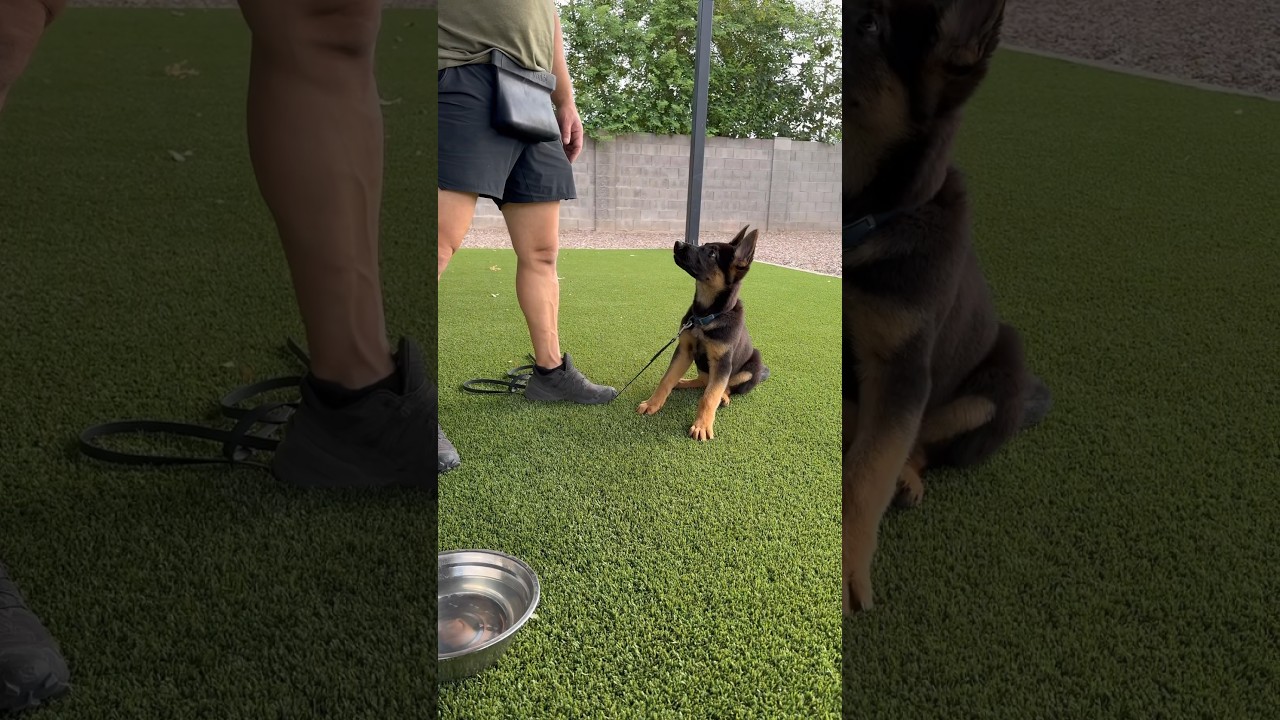



Labrador Retrievers are known for being friendly, energetic, playful, and eager to interact with people. Those qualities can make many Labs comfortable in social environments, including well-managed dog daycare programs.
However, every Labrador has an individual personality. Some may love spending time with a group of dogs, while others may prefer a quieter environment. Age, training, socialization, energy level, and previous experiences can all affect how a Lab responds to daycare.
So, do Labradors like dog daycare? For many Labs, the answer can be yes—but the right environment and introduction are important.
Why Labradors Can Enjoy Dog Daycare
Labradors were bred to work closely with people, and many have an outgoing and enthusiastic temperament. They often enjoy activities that involve movement, play, interaction, and learning.
A well-run daycare can provide several forms of enrichment throughout the day.
They Often Enjoy Social Interaction
Many Labs are naturally interested in meeting people and other dogs. A supervised playgroup can give them opportunities to interact with compatible dogs in a controlled environment.
This can be especially appealing to a Labrador that enjoys regular social activity.
That said, being friendly does not automatically mean every Lab will enjoy every dog. Good daycare management should consider each dog’s temperament, play style, size, and comfort level.
Labs Have Plenty of Energy
Labradors are active dogs and often need considerable daily exercise and mental stimulation.
Without enough activity, a bored Lab may look for their own entertainment around the house. This can include chewing, jumping, excessive excitement, or other unwanted behaviors.
Daycare can provide opportunities for physical activity and mental engagement, particularly when play is balanced with rest.
They Are Often Eager to Learn
Labradors are generally responsive to training and often enjoy working for rewards and interacting with their humans.
Basic cues such as sit, wait, come, and leave it can make social environments easier to manage.
Training also gives energetic Labs an appropriate way to use their brains instead of relying entirely on physical exercise.
Understanding a Labrador’s Play Style
One important consideration is that Labs can be enthusiastic players.
A Labrador may approach another dog with lots of energy, chase during play, or become excited when a game gets going. While this can be perfectly normal, not every dog appreciates an energetic playmate.
Labs May Need Help With Impulse Control
Some Labradors become so excited that they have difficulty recognizing when another dog wants to stop playing.
For example, a Lab may continue trying to chase or wrestle when another dog has already disengaged.
This is why supervision matters. A good daycare environment should provide breaks and intervene when play becomes too intense.
Matching Dogs by Play Style Matters
A highly energetic Labrador may be more comfortable playing with dogs that enjoy similar levels of activity.
A calm or nervous dog may not appreciate being repeatedly chased by an enthusiastic Lab.
Daycare staff should therefore consider compatibility rather than simply placing every dog together in one large group.
What Kind of Daycare Environment Works Well for a Labrador?
Not all daycare programs operate in exactly the same way. When choosing one for your Lab, look for an environment that balances activity with supervision and rest.
Important features can include:
- Supervised dog-to-dog interaction
- Groups organized by appropriate temperament and play style
- Regular rest periods
- Clean and secure play areas
- Staff who understand canine body language
- Safe procedures for introducing new dogs
- Opportunities for mental enrichment
- Controlled transitions between activities
A daycare that simply allows dogs to play continuously for hours may not be ideal for every Labrador. Rest is an important part of managing an energetic dog.
How to Prepare Your Labrador for Dog Daycare
A little preparation can make the transition easier.
1. Practice Basic Commands
Before introducing your Lab to daycare, work on foundational cues at home.
Useful skills include:
- Sit
- Stay
- Come
- Wait
- Leave it
- Drop it
Your dog does not need to be perfectly trained, but having some basic communication skills can make group environments easier to manage.
2. Give Your Lab Exercise Beforehand
A short walk before daycare may help take the edge off your dog’s initial excitement.
Avoid exhausting your dog before arrival. The goal is simply to provide an appropriate outlet for some energy so they can enter the environment in a calmer state.
3. Introduce Daycare Gradually
A first full day may be overwhelming for some dogs.
Ask the daycare about its introduction process. Depending on the facility, your dog may benefit from a shorter initial visit before gradually increasing the amount of time spent there.
Pay attention to how your Labrador behaves during and after each visit.
4. Let Your Dog Take Breaks
More play is not always better.
Even highly energetic Labs need opportunities to rest. Continuous excitement can leave a dog overstimulated rather than happily tired.
A quality daycare should have a plan for giving dogs appropriate downtime.
What Should You Expect After Daycare?
It is common for an active Labrador to be tired after a day filled with exercise, social interaction, and mental stimulation.
Your dog may come home and spend more time sleeping than usual.
A tired dog is not necessarily a sign that daycare was successful, however. Look at your dog’s overall behavior.
A positive experience may be reflected by a dog who:
- Settles comfortably after returning home
- Maintains a normal appetite and routine
- Remains relaxed around family members
- Shows interest in returning without appearing fearful
- Recovers normally after rest
If your Lab consistently comes home extremely stressed, unusually withdrawn, or physically exhausted, discuss the situation with the daycare staff and consider whether the environment is appropriate.
Signs Your Labrador May Not Enjoy Daycare
Although many Labs enjoy social environments, daycare is not automatically right for every individual dog.
Watch for persistent signs such as:
- Fear around entering the facility
- Excessive stress or anxiety
- Avoidance of other dogs
- Repeated attempts to escape interaction
- Unusual withdrawal after daycare
- Extreme exhaustion that does not resolve with normal rest
- Significant changes in eating or behavior
One difficult visit does not necessarily mean daycare is unsuitable. Dogs can have off days just like people. However, repeated signs of discomfort should be taken seriously.
Can Older Labradors Enjoy Daycare?
Age can change how a Labrador participates in daycare.
A young Lab may happily spend much of the day playing, while an older dog may prefer shorter periods of activity and more rest.
Senior Labradors may also have different physical limitations than younger dogs. Their daycare routine should therefore be adjusted to their individual abilities and comfort.
Is Dog Daycare Enough Exercise for a Labrador?
Daycare can contribute significantly to a Labrador’s daily physical and mental activity, but it should not necessarily replace every other part of their routine.
Labs can benefit from a combination of:
- Walks
- Training
- Interactive games
- Scent activities
- Appropriate play
- Mental enrichment
- Rest and relaxation
A balanced routine is more useful than relying on one activity to meet every need.
Final Thoughts
Do Labradors like dog daycare? Many do, especially when they enjoy social interaction and have plenty of energy to burn. Their playful and outgoing personalities can make them well suited to carefully supervised group environments.
However, the best daycare experience depends on the individual Labrador. Proper introductions, compatible playmates, trained supervision, mental stimulation, and regular rest can all make a difference.
Before enrolling your Lab, observe their personality and social behavior, ask how the daycare handles introductions and breaks, and pay attention to how your dog responds after each visit. The goal is not simply to tire your Labrador out—it is to provide a safe, enriching experience that fits their individual needs.











Leave a comment