




Every dog expresses comfort and contentment a little differently.
Some dogs greet their families with a wildly wagging tail, while others quietly follow their favorite person around the house. Some love playing fetch for hours, while others are happiest curled up beside their owners.
Learning to recognize your dog’s normal behavior can help you understand how they are feeling. Rather than relying on one signal, look at the overall picture: relaxed body language, healthy routines, enthusiasm for activities, and the way your dog interacts with people and their environment.
Here are 11 signs that may indicate your dog feels comfortable, secure, and content.
1. Relaxed Body Language
One of the most useful clues to a dog’s emotional state is their overall body language.
A comfortable dog may have:
- A loose, relaxed body
- Soft facial muscles
- Relaxed ears appropriate to their normal ear position
- A naturally positioned tail
- Smooth, easy movements
- A willingness to settle down
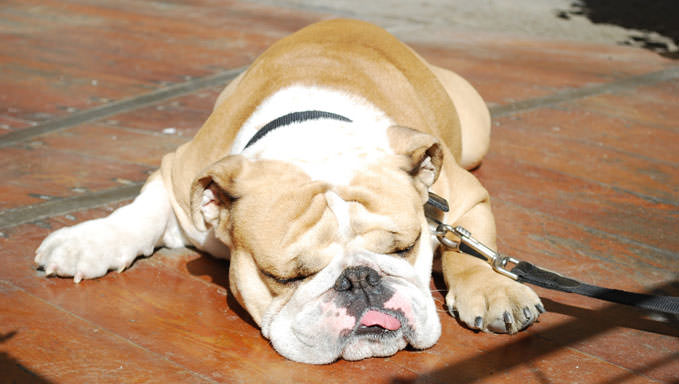
A dog that feels safe may stretch out on the floor, lie on their side, or relax in a favorite sleeping position.
However, remember that body language varies by breed and individual. A dog’s ears or tail may naturally look different depending on their physical structure.
The key is to learn what relaxed looks like for your individual dog.
2. They Regularly Want to Play
Play is often associated with positive emotional states, particularly when a dog voluntarily initiates it.
Your dog may bring you a toy, invite you to play tug, chase a ball, or suddenly start bouncing around the yard.
You may also see the classic play bow, where the front end lowers while the rear remains raised.
Play behavior can be a good sign that your dog has energy and feels comfortable enough to engage with their surroundings.
Just remember that age, health, breed, and personality all affect how much a dog wants to play.
A senior dog who prefers gentle games isn’t necessarily less happy than a young dog who wants to play constantly.
3. Their Tail Moves in a Relaxed Way
A wagging tail doesn’t automatically mean a dog is happy.
Dogs wag their tails in many emotional situations, including excitement, uncertainty, and anxiety.
Instead of simply looking for movement, pay attention to the whole dog.
A loose, relaxed body combined with a naturally positioned tail and relaxed facial expression can indicate that your dog is comfortable.
A stiff body, tucked tail, raised hackles, or other tense signals may tell a different story even if the tail is moving.
Understanding your dog’s normal tail position makes it easier to notice meaningful changes.
4. They Have a Healthy Interest in Food
A dog that regularly eats with enthusiasm may be showing that they feel physically well and comfortable.
Many dogs become excited when they hear their food bowl or see a favorite treat.
But appetite isn’t a reliable happiness test by itself.
Dogs can have a strong appetite for many reasons, while a sudden loss of appetite can be caused by stress, illness, pain, dental problems, dietary changes, or other medical issues.
If your dog suddenly stops eating, eats significantly less than usual, or develops other concerning symptoms, contact your veterinarian.
Your dog’s normal eating pattern is much more informative than simply asking whether they love food.
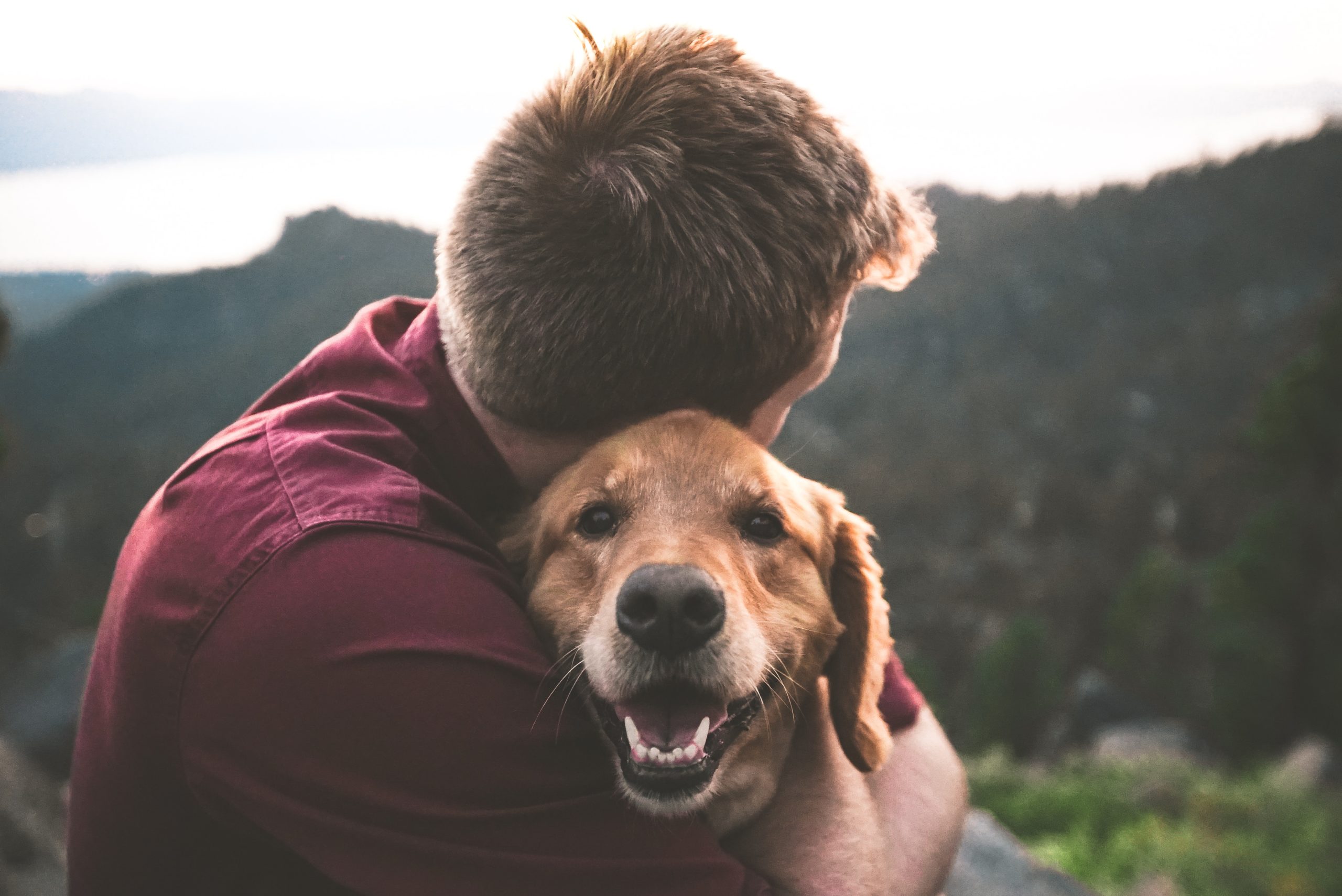
5. They Seek You Out for Affection
Some dogs love cuddling. Others prefer to sit beside you rather than directly on your lap.
A dog that voluntarily approaches you for affection may be demonstrating trust and a strong social bond.
You might notice your dog:
- Leaning gently against you
- Resting near your feet
- Bringing a toy to you
- Nudging your hand
- Choosing to sit beside you
- Following you from one room to another
However, it’s important to respect individual preferences.
A dog doesn’t have to enjoy hugs or constant physical contact to be happy. Allow your dog to choose when they want interaction and watch for signs that they want space.
6. They Get the Occasional Zoomies
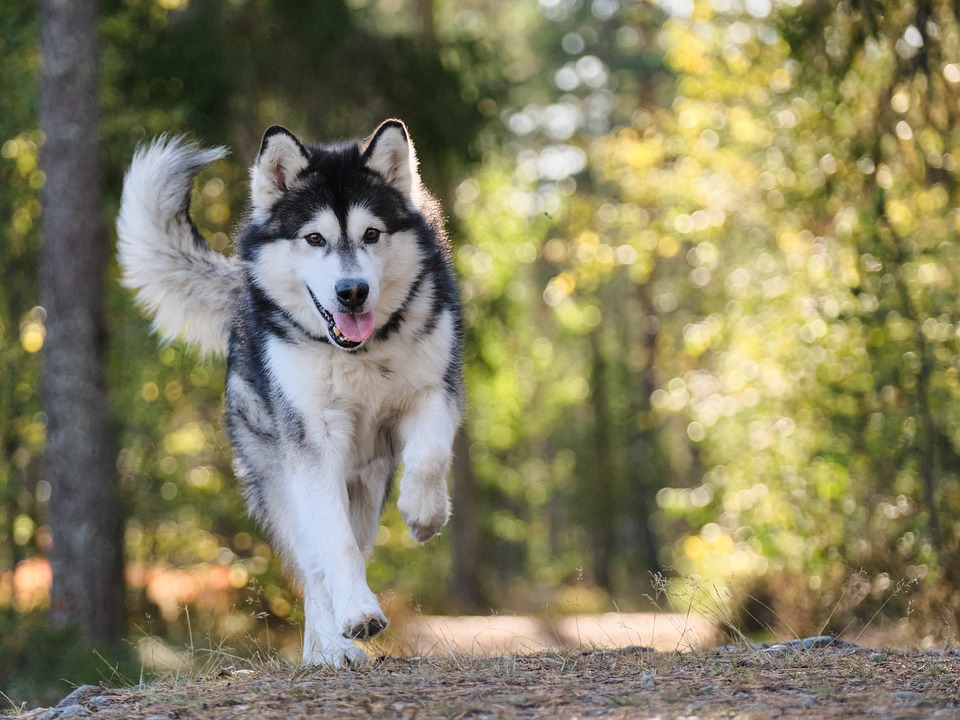
Those sudden bursts of running around the house or yard are commonly known as “zoomies.”
The technical term is Frenetic Random Activity Periods, or FRAPs.
Dogs may suddenly sprint, spin around, or race from one end of the room to another.
Zoomies can occur after exciting events, during play, or when a dog has accumulated energy. They are often completely normal.
A dog racing around with a loose body and playful behavior can certainly look delighted.
Just make sure the environment is safe, especially around slippery floors, stairs, furniture, or other obstacles.
7. They Are Comfortable Around Familiar People and Animals
A confident, comfortable dog may willingly interact with familiar people or appropriate canine companions.
They might approach someone for attention, sniff another dog, participate in play, or simply relax in the same room.
But social behavior isn’t a requirement for happiness.
Some dogs are naturally cautious, independent, or selective about their friends. A dog that prefers a small social circle can still have an excellent quality of life.
The important thing is whether your dog appears comfortable rather than forced into interactions.
If your dog suddenly becomes fearful, withdrawn, unusually reactive, or avoids people or animals they previously enjoyed, pay attention to the change.
8. They Can Relax at Home
A dog that feels secure should have opportunities to settle comfortably at home.
You may find them sleeping on their favorite bed, stretching out on the floor, chewing an appropriate toy, or simply watching the household activities.
Being able to relax is important.
A dog that constantly paces, pants without an obvious reason, hides, vocalizes excessively, destroys things, or struggles to settle may be experiencing stress or another underlying problem.
Of course, occasional barking, chewing, or restlessness is normal dog behavior. What matters is the overall pattern and whether it represents a significant change from your dog’s usual behavior.
9. They Enjoy Exploring and Sniffing
Dogs experience much of the world through their noses.
A content dog may eagerly investigate new smells during a walk, explore the garden, sniff around a new room, or carefully investigate an interesting object.
Sniffing isn’t just about physical exercise. It provides mental stimulation and allows dogs to gather information about their environment.
Giving your dog safe opportunities to explore at their own pace can make walks more enriching.
You don’t always have to rush through a walk simply to cover a certain distance. Allowing your dog some time to sniff can be valuable enrichment.
10. They Sleep Comfortably
Dogs spend a considerable amount of time sleeping and resting.
A dog that feels safe may comfortably nap in different parts of the home, stretch out on their bed, or settle down after exercise and play.
Puppies and young dogs generally need substantial amounts of sleep, while older dogs may also spend much of the day resting.
Changes in sleep patterns are more important than simply counting how much your dog sleeps.
If your dog suddenly becomes extremely lethargic, struggles to settle, wakes repeatedly, appears painful, or sleeps dramatically more or less than usual, discuss the change with your veterinarian.
11. They Have Soft, Relaxed Facial Expressions
A comfortable dog often has a relaxed face.
You may notice:
- Soft eyes
- A relaxed mouth
- Loose facial muscles
- Natural ear positioning
- An overall calm expression
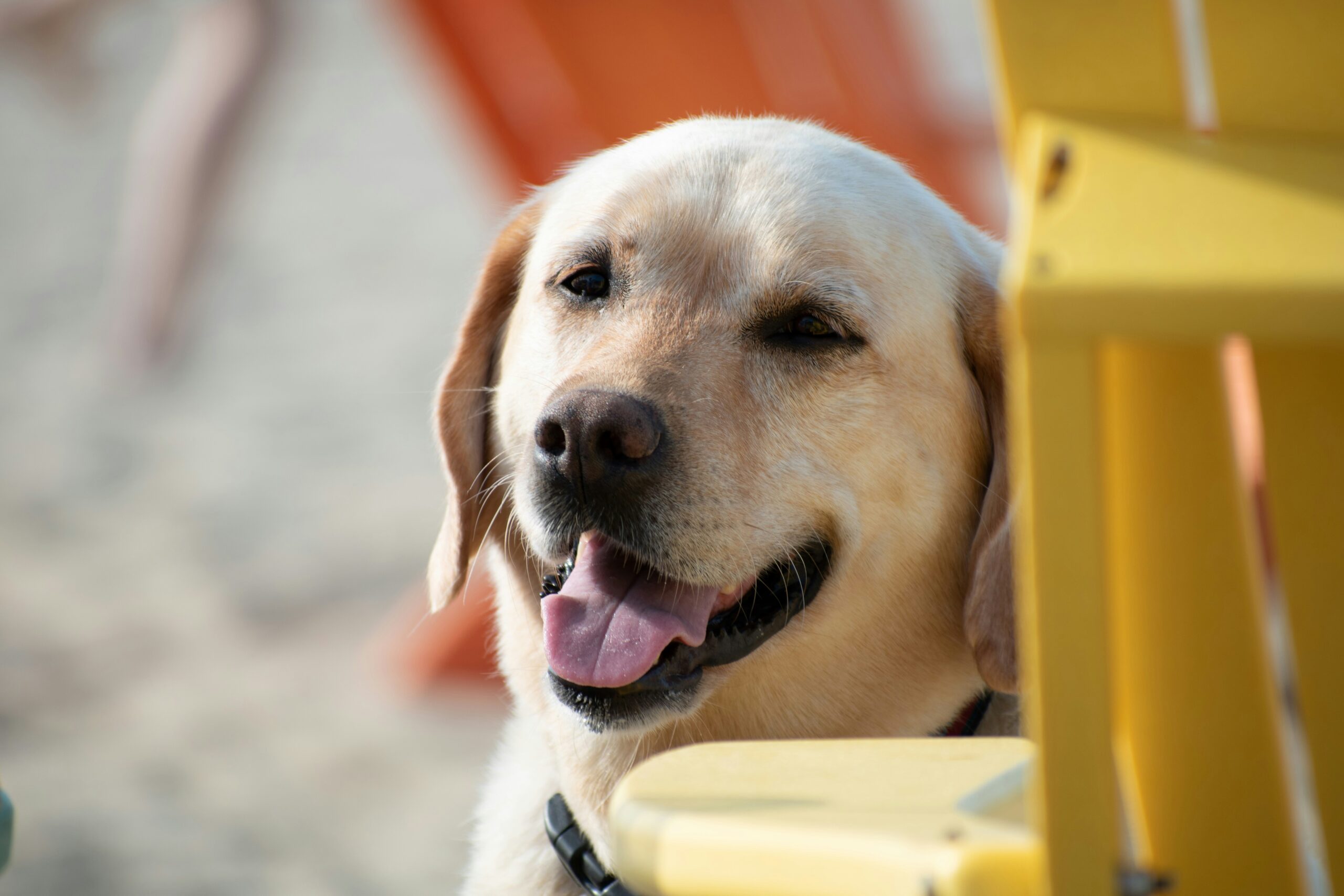
People sometimes describe this as a dog “smiling.”
However, it’s better not to interpret a particular facial expression on its own.
Some dogs naturally hold their mouths open, while others have facial structures that make their expressions look different. Instead, consider the entire body and the situation.
Relaxed facial muscles combined with loose body language and comfortable behavior can be a reassuring sign.
The Most Important Sign: Your Dog’s Normal Behavior
Perhaps the best way to understand whether your dog is doing well is to learn their individual baseline.
You know how your dog normally:
- Eats
- Sleeps
- Plays
- Walks
- Greets people
- Interacts with other animals
- Responds to new situations
- Seeks attention
- Relaxes at home
When you understand that baseline, changes become easier to notice.
For example, a naturally quiet dog becoming withdrawn may be significant, while a normally energetic dog suddenly refusing to play could deserve attention.
Happiness Isn’t Always High Energy
A happy dog doesn’t need to spend the entire day running around.
Contentment can look surprisingly ordinary.
Your dog may be happiest lying beside you while you watch television, sleeping in a sunny spot, calmly sniffing during a walk, chewing a favorite toy, or greeting you when you return home.
Dogs have different personalities.
Some are energetic and playful. Others are calm and independent. Some are extremely affectionate, while others prefer to show their attachment by simply staying nearby.
Don’t compare your dog with another dog.
Look at whether your companion appears comfortable, engaged, and able to express their normal personality.
How Can You Help Your Dog Stay Happy?
You don’t need expensive gadgets or elaborate activities to support your dog’s well-being.
Focus on the basics.
Provide Regular Exercise
Give your dog physical activity appropriate for their age, health, and breed characteristics.
Offer Mental Stimulation
Training, scent games, food puzzles, safe exploration, and interactive play can provide valuable mental enrichment.
Maintain a Predictable Routine
Consistent feeding, walking, sleeping, and interaction routines can help many dogs feel secure.
Give Them Choice
Whenever practical, allow your dog to choose whether they want to interact, rest, sniff, or move away from something uncomfortable.
Spend Quality Time Together
Your dog doesn’t necessarily need constant entertainment.
Simply spending time together can strengthen your relationship.
Take Changes Seriously
If your dog’s behavior changes suddenly, don’t automatically assume they’re unhappy.
Pain, illness, injury, aging, environmental changes, fear, or other factors can affect behavior.
A veterinarian can help determine whether an underlying medical issue needs attention.
When Should You Be Concerned?
A happy dog can still have bad days, become frightened, or behave unusually from time to time.
But persistent or sudden changes deserve attention.
Contact your veterinarian if you notice things such as:
- A sudden loss of appetite
- Significant changes in sleep
- Unusual withdrawal
- Persistent restlessness
- Sudden aggression or fear
- Reluctance to move
- Excessive licking or scratching
- Repeated destructive behavior
- Major changes in bathroom habits
- Signs of pain or illness
Behavior is sometimes the first indication that something isn’t right physically or emotionally.
Final Thoughts
A happy dog doesn’t always look like a dog with a constantly wagging tail and a huge grin.
True contentment can appear as relaxed body language, playful moments, comfortable sleep, curiosity, affectionate interactions, and the ability to settle peacefully at home.
The most useful approach is to look at the whole dog rather than relying on one behavior.
Learn your dog’s normal personality and routines, provide appropriate exercise and enrichment, respect their boundaries, and pay attention when something changes.
When your dog feels safe enough to relax, explore, play, rest, and simply be themselves, those everyday moments can be some of the clearest signs that they’re enjoying life by your side.







Leave a comment