




Some dogs are perfectly happy spending time in another room, while others seem determined to follow their favorite person everywhere. If your dog regularly walks behind you from the kitchen to the living room, waits outside the bathroom, or curls up beside you whenever you sit down, you may have what many owners affectionately call a “Velcro dog.”
Certain dog breeds are especially known for forming close bonds with their families. Many were bred to work alongside people, while others were specifically developed as companion dogs. Their strong desire for human interaction can make them wonderfully affectionate pets—but it can also mean they need plenty of companionship and shouldn’t be left alone for excessive periods.
Here are 13 dog breeds known for their affectionate, people-oriented personalities.
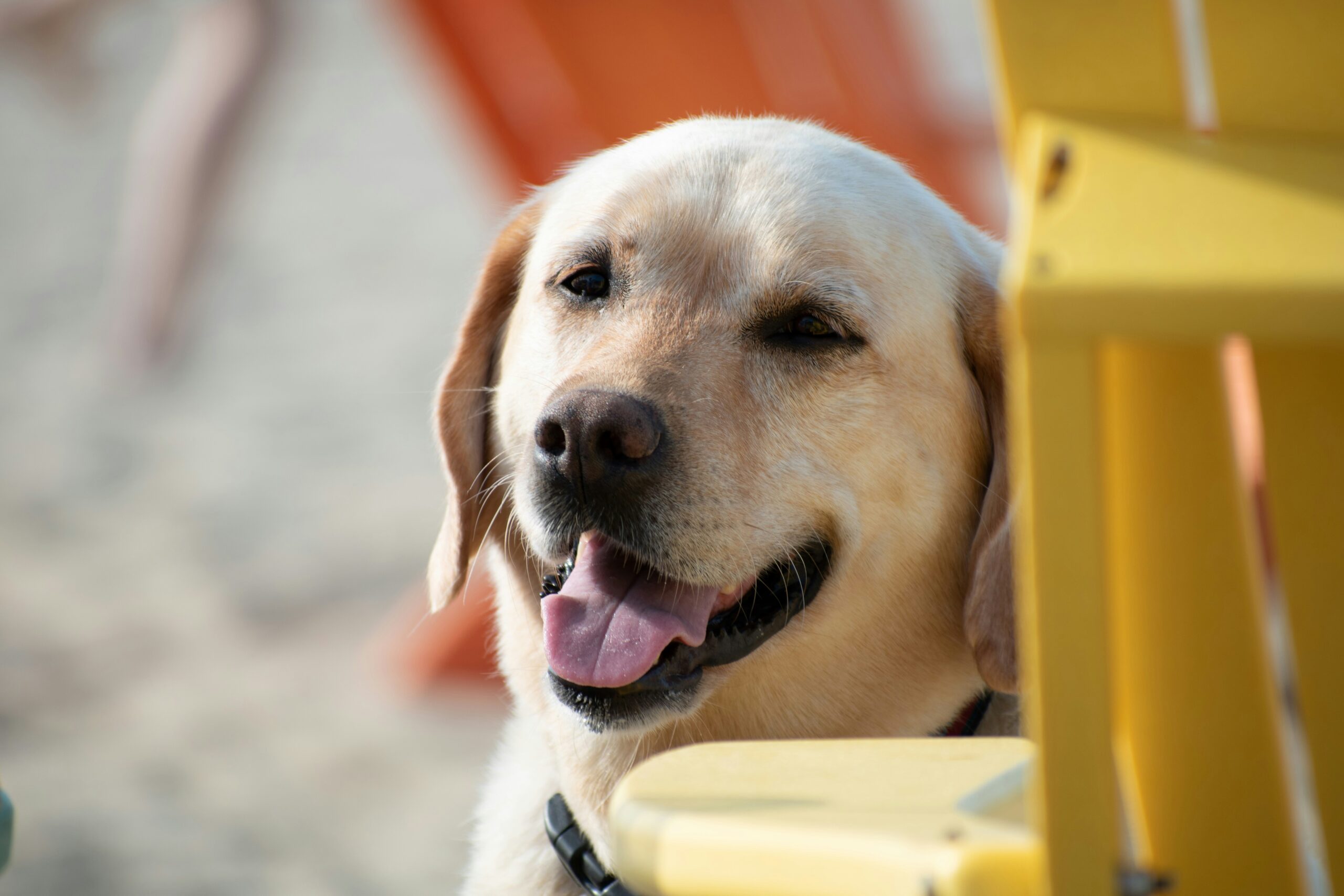
1. Labrador Retriever
The Labrador Retriever is famous for its friendly personality, enthusiasm, and strong relationship with its family.
Labs often enjoy being involved in whatever their owners are doing. Whether you’re going for a walk, playing outside, or relaxing at home, your Labrador may want to be right there with you.
Their social nature and eagerness to participate can make them wonderful family companions.
Why Labs can be clingy
- They generally enjoy human interaction.
- They often like participating in family activities.
- They can form strong bonds with their owners.
- They are typically social and playful.
- They often seek attention through play or affection.
Because Labradors are active dogs, companionship should be combined with plenty of physical exercise and mental stimulation.
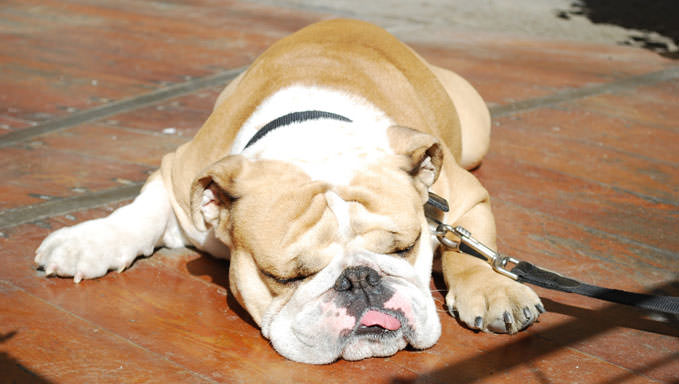
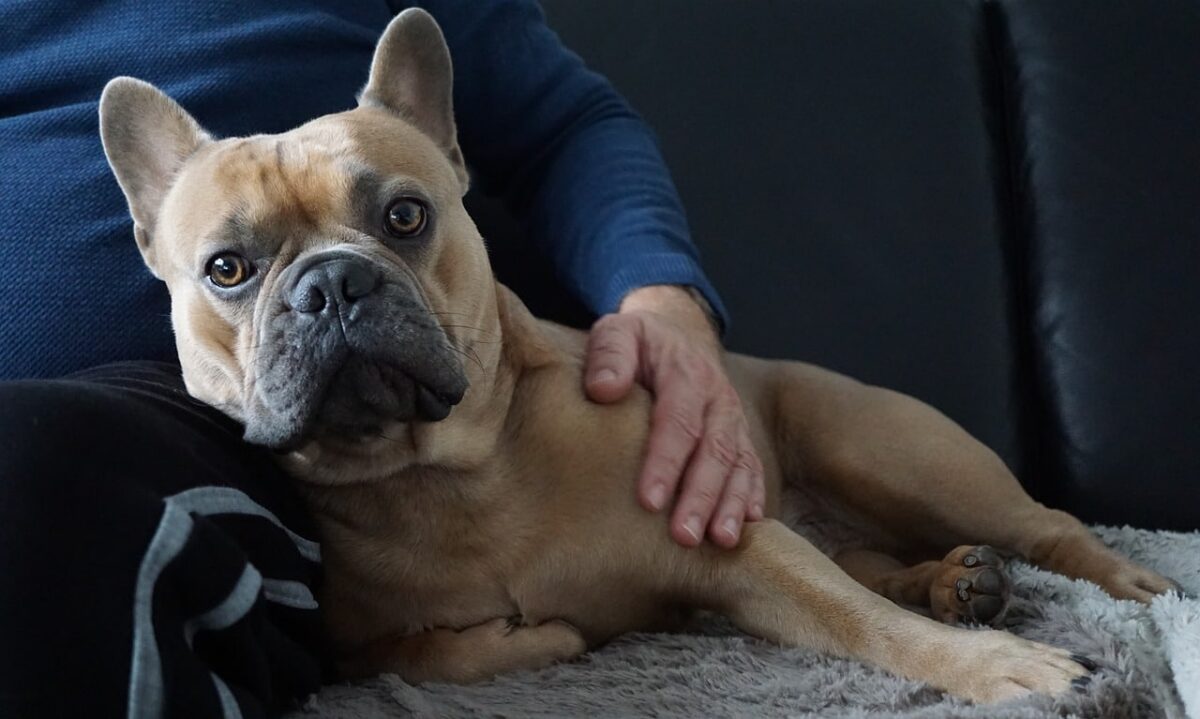
2. French Bulldog
The French Bulldog is a compact companion breed that often enjoys spending a great deal of time with its people.
Frenchies can be affectionate and adaptable, and many are perfectly content to curl up beside their owners for a relaxing afternoon.
Their relatively compact size can make close companionship especially easy—they can happily occupy a spot beside you on the sofa while you work or watch television.
French Bulldog personality
- Affectionate
- Social
- Playful
- Adaptable
- People-oriented
French Bulldogs can be prone to separation-related difficulties, so owners should gradually teach them to be comfortable spending appropriate periods alone.
3. Cavalier King Charles Spaniel
The Cavalier King Charles Spaniel was developed primarily as a companion dog, so it isn’t surprising that many Cavaliers love being close to their families.
They are often affectionate, gentle, and eager to participate in household activities. A Cavalier may happily follow you around the home before settling beside you for a nap.
Why Cavaliers love companionship
Their history as companion dogs is reflected in their people-focused nature. Many enjoy cuddling, relaxing on the sofa, and staying close to their favorite humans.
However, their friendly temperament doesn’t mean every Cavalier will have exactly the same personality.
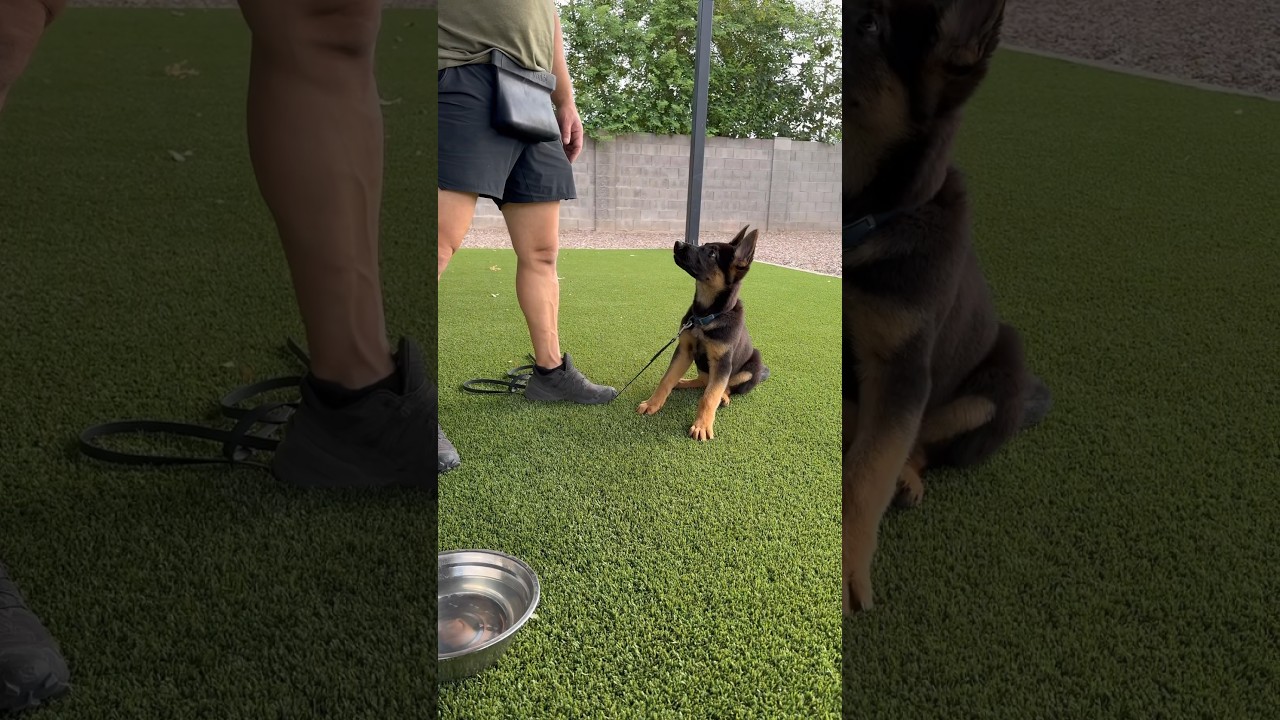
4. Border Collie
The Border Collie is famous for intelligence, athleticism, and an incredible ability to work closely with people.
Originally developed as a herding dog, Border Collies are accustomed to paying attention to their handlers and responding to human direction.
That strong working relationship can translate into a dog that wants to know what you’re doing and be involved.
Border Collie needs
- Plenty of exercise
- Mental stimulation
- Training
- Interactive activities
- Meaningful engagement
A Border Collie isn’t necessarily a good choice simply because you want a cuddly dog. This breed needs an active lifestyle and substantial mental enrichment.
5. Pug
The Pug is a small companion breed known for its affectionate and entertaining personality.
Many Pugs enjoy following their owners around the house and staying close throughout the day. They often prefer being part of the family action rather than spending long periods by themselves.
Their playful nature and love of attention can make them amusing household companions.
Pug personality
- Affectionate
- Playful
- Social
- Companionable
- Often eager for attention
Because Pugs have short, flat facial structures, owners should also be mindful of heat and strenuous exercise.
6. Dachshund
The Dachshund may have originally been developed for hunting, but many modern Dachshunds are equally enthusiastic about being family companions.
They can become strongly attached to their owners and may follow them around the home whenever possible.
Dachshunds are often curious and independent, so their affection can be mixed with plenty of determination.
Dachshund characteristics
- Curious
- Affectionate
- Alert
- Playful
- Determined
Their long backs also mean owners should take sensible precautions around jumping from furniture and other activities that could place unnecessary stress on their bodies.
7. Australian Shepherd
The Australian Shepherd is an intelligent, energetic working breed that often develops a strong relationship with its family.
Aussies generally thrive when they have something interesting to do. They may enjoy hiking, training, dog sports, games, and other activities that allow them to work alongside their owners.
Their desire to stay involved can make them seem like constant companions.
Australian Shepherds need
- Daily exercise
- Mental stimulation
- Training
- Social interaction
- Structured activities
This isn’t a breed that typically thrives on a sedentary lifestyle.
8. Shih Tzu
The Shih Tzu was developed as a companion dog and is well known for its affectionate personality.
Many Shih Tzus enjoy sitting beside their owners, receiving attention, and relaxing comfortably around the house.
Their small size and companion-focused nature make them appealing to people who want a dog that enjoys spending significant amounts of time with them.
Shih Tzu personality
- Affectionate
- Friendly
- Companionable
- Playful
- Adaptable
Their long coat does require regular grooming, particularly when it is kept at full length.
9. Chihuahua
The Chihuahua is one of the smallest dog breeds, but its tiny body can contain an enormous amount of personality.
Chihuahuas often form particularly strong bonds with their owners. Some may choose a favorite person and follow them around the house whenever possible.
Their size makes it easy for them to sit on a lap or curl up beside their owner, but they still need opportunities for exercise, training, and exploration.
Chihuahua characteristics
- Loyal
- Alert
- Affectionate
- Confident
- Often strongly bonded to their owners
Early socialization and training can help Chihuahuas become confident, well-adjusted companions.
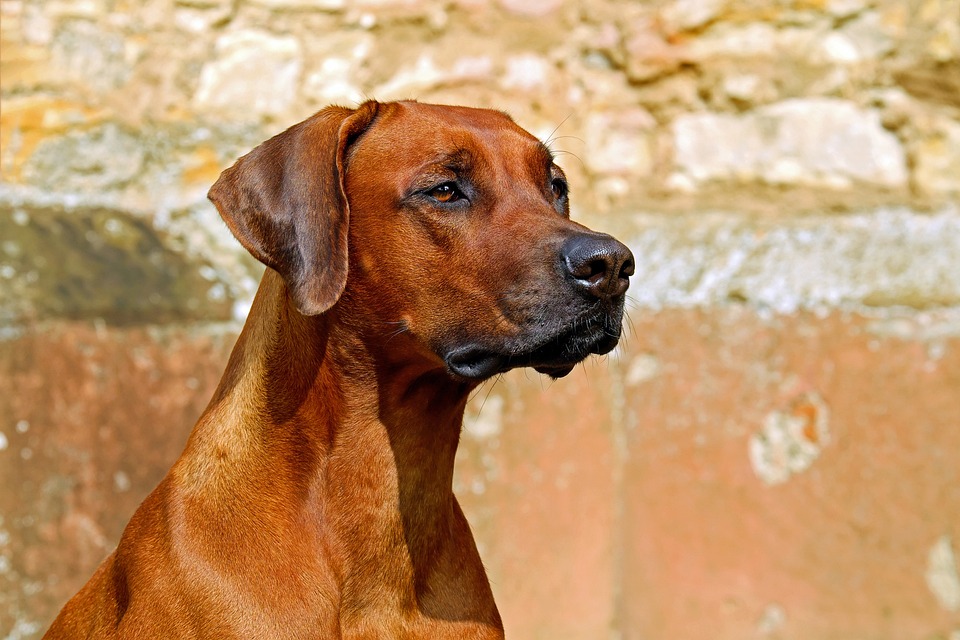
10. Vizsla
The Vizsla has earned a reputation as one of the classic “Velcro dog” breeds.
These athletic dogs were developed to work closely with people, particularly in hunting and retrieving roles. Their close working relationship with humans can contribute to their strong desire for companionship.
Vizslas often enjoy being physically close to their owners and may follow them around the home.
Vizsla lifestyle
Vizslas are not simply cuddly dogs. They are highly active and need substantial daily exercise and mental stimulation.
They can be a particularly interesting choice for active owners who want an affectionate dog that can participate in outdoor activities.
11. American Pit Bull Terrier
The American Pit Bull Terrier is known for being affectionate and people-oriented in many individual dogs.
Many APBTs enjoy spending time with their families and can be playful, energetic, and physically affectionate.
As with every breed, individual temperament varies, and responsible socialization, training, supervision, and management are important.
American Pit Bull Terrier traits
- Energetic
- Playful
- Affectionate
- People-oriented
- Strong and athletic
Owners should be prepared to provide appropriate exercise, training, and responsible handling.
12. Yorkshire Terrier
The Yorkshire Terrier, or Yorkie, may be tiny, but many Yorkies have confident personalities and strong attachments to their owners.
They can enjoy following their favorite person around the house and often appreciate plenty of attention and interaction.
Their small size also makes it easy for them to accompany their owners around the home.
Yorkie personality
- Affectionate
- Alert
- Confident
- Lively
- People-oriented
Yorkies still benefit from regular walks, play, training, and mental stimulation despite their small stature.
13. Boxer
The Boxer is an energetic, playful breed that often becomes deeply connected to its family.
Boxers typically enjoy participating in family activities and may follow their owners around the house looking for attention, playtime, or affection.
Their enthusiasm can make them entertaining companions, although their energy level means they need an active lifestyle.
Boxer characteristics
- Playful
- Affectionate
- Energetic
- Social
- Family-oriented
A Boxer generally benefits from regular exercise, training, interactive games, and plenty of opportunities to spend quality time with its family.
Why Do Some Dogs Follow Their Owners Everywhere?
A dog’s tendency to stay close can come from several different factors.
Breed History
Some breeds were specifically developed to work closely with humans or serve as companion dogs.
Individual Personality
Breed tendencies don’t determine every dog’s behavior. Some individual dogs are naturally more independent, while others constantly seek companionship.
Reinforcement
If following you consistently results in attention, treats, play, or affection, your dog may learn that staying close is rewarding.
Lack of Stimulation
A bored dog may follow you simply because you’re the most interesting thing happening in the house.
Separation-Related Problems
Extreme distress when separated from an owner can be different from normal affection. Signs such as destructive behavior, excessive vocalization, panic, or attempts to escape when left alone may warrant professional guidance.
Is a Clingy Dog a Good Choice for You?
A highly affectionate dog can be wonderful if you enjoy having a companion nearby. But consider whether you’re prepared for the dog’s broader needs.
Before choosing a breed, think about:
- How much time you spend at home
- How much exercise you can provide
- Your preferred activity level
- Your dog’s grooming requirements
- Training and socialization needs
- How the dog handles time alone
- Potential breed-specific health concerns
A dog that wants to be beside you all day may not be ideal if you regularly spend long hours away from home.
How to Help a Clingy Dog Become More Independent
Being affectionate isn’t necessarily a problem, but dogs should also learn that short periods of independence are safe.
You can encourage healthy independence by:
- Giving your dog a comfortable resting area.
- Providing appropriate enrichment toys.
- Rewarding calm behavior when your dog isn’t directly beside you.
- Practicing short, gradual periods of separation.
- Avoiding making departures and arrivals excessively dramatic.
- Maintaining a predictable daily routine.
If your dog shows significant distress whenever you’re separated, consult a veterinarian or qualified canine behavior professional.
Frequently Asked Questions About Clingy Dog Breeds
What is a Velcro dog?
“Velcro dog” is an informal term for a dog that strongly prefers staying close to its owner and frequently follows them from place to place.
Which dog breeds are known for being clingy?
Breeds commonly associated with strong human attachment include Vizslas, Cavalier King Charles Spaniels, Labrador Retrievers, Pugs, Shih Tzus, Chihuahuas, and several other companion and working breeds.
Does a clingy dog have separation anxiety?
Not necessarily. A dog can simply enjoy being near its owner without experiencing separation anxiety. Separation anxiety generally involves significant distress when the owner is absent.
Are clingy dogs difficult to train?
Not automatically. Many people-oriented dogs can be highly responsive to training because they enjoy interacting with their owners. However, every dog has an individual temperament.
Can a clingy dog learn to be alone?
Yes, many dogs can gradually learn to feel comfortable spending appropriate periods alone. Training should be gradual, and dogs showing significant separation distress may need professional behavioral support.
Are small dogs more clingy than large dogs?
Not necessarily. Clinginess is influenced by breed tendencies, individual personality, learning history, and environment—not simply body size.
Final Thoughts
Having a dog that follows you from room to room can feel like having a furry shadow. For many owners, that constant companionship is one of the most enjoyable parts of living with a dog.
Breeds such as Vizslas, Labrador Retrievers, Cavalier King Charles Spaniels, Shih Tzus, Chihuahuas, Pugs, and Yorkshire Terriers are often known for forming close relationships with their people, while several working breeds also thrive on close interaction with their handlers.
However, no breed comes with a guarantee that every individual dog will be clingy. Personality, upbringing, socialization, training, and environment all play important roles.
If you’re looking for a devoted companion, focus on finding a dog whose temperament, exercise needs, training requirements, and lifestyle fit your household. The goal isn’t simply to find a dog that follows you everywhere—it’s to build a healthy relationship where your dog feels secure, engaged, and happy by your side.






Leave a comment