



If you love dogs but prefer a compact companion, tiny dog breeds can be an excellent option. These little dogs may take up very little space, but many have huge personalities, plenty of energy, and a strong desire to be involved in family life.
From the famously tiny Chihuahua to the elegant Maltese, small dog breeds come with a surprising variety of personalities and care requirements. Some are energetic and playful, while others are happiest relaxing beside their favorite person.
Before choosing a tiny dog, remember that small size doesn’t necessarily mean low maintenance. Many toy breeds need regular exercise, training, grooming, mental stimulation, and veterinary care.
Here are 11 tiny dog breeds worth getting to know.
1. Chihuahua
The Chihuahua is one of the smallest recognized dog breeds and is famous for combining a tiny body with a remarkably confident personality.
Adult Chihuahuas are generally very small, but their personalities can be anything but timid. They are often alert, lively, affectionate, and strongly attached to their owners.
Chihuahuas can have either smooth or long coats, and both varieties are relatively easy to manage compared with some heavily coated toy breeds.
Chihuahua at a glance
- Typical weight: Around 2–6 pounds
- Typical height: Around 5–8 inches
- Temperament: Alert, loyal, confident
- Energy level: Moderate
- Grooming: Low to moderate
Because of their tiny size, Chihuahuas need careful handling, particularly around young children and larger dogs.
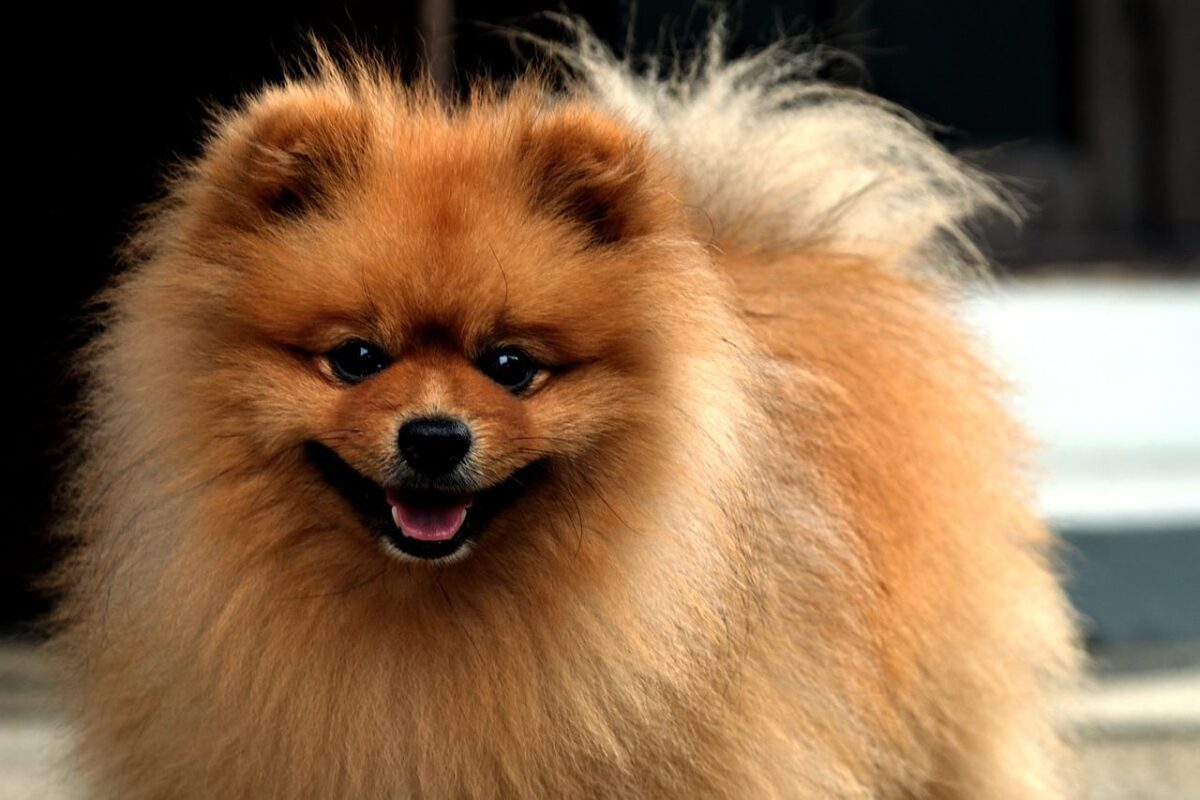
2. Pomeranian
The Pomeranian may be tiny, but its fluffy double coat gives it a much larger appearance.
Pomeranians are energetic, curious, intelligent, and often quite confident. They tend to enjoy attention and can form strong bonds with their families.
Their thick coat requires regular brushing to prevent tangles and maintain its condition.
Pomeranian at a glance
- Typical weight: Around 3–7 pounds
- Typical height: Around 6–7 inches
- Temperament: Lively, curious, outgoing
- Energy level: Moderate
- Grooming: Moderate to high
Despite their small size, Pomeranians benefit from regular walks, play, training, and mental stimulation.
3. Yorkshire Terrier
The Yorkshire Terrier, commonly called a Yorkie, is a tiny breed recognized for its long, silky coat and confident personality.
Yorkies were originally developed as working terriers, and traces of that energetic and determined character can still be seen today. They can be affectionate companions while also being alert and surprisingly fearless.
Their long coat requires regular grooming if kept at full length.
Yorkshire Terrier at a glance
- Typical weight: Around 4–7 pounds
- Typical height: Around 7–8 inches
- Temperament: Affectionate, confident, lively
- Energy level: Moderate
- Grooming: High if coat is kept long
Yorkies can adapt well to smaller homes, but they still need daily activity and training.
4. Papillon
The Papillon is easily recognizable because of its large, butterfly-shaped ears. Its name comes from the French word for “butterfly.”
Although small, Papillons are intelligent and active dogs. They often enjoy learning tricks, participating in obedience activities, and playing interactive games.
Their combination of intelligence and enthusiasm makes them an interesting choice for owners who want a small dog that enjoys training.
Papillon at a glance
- Typical weight: Around 5–10 pounds
- Typical height: Around 8–11 inches
- Temperament: Intelligent, alert, friendly
- Energy level: Moderate to high
- Grooming: Moderate
Don’t mistake their small size for a need for constant carrying. Papillons generally enjoy being active and involved in their owners’ daily routines.
5. Toy Poodle
The Toy Poodle is the smallest Poodle variety and is known for its intelligence, curly coat, and trainability.
Toy Poodles are often eager to learn and can enjoy obedience exercises, tricks, puzzle toys, and other forms of mental stimulation.
Their coat is another major consideration. It requires regular brushing and professional grooming to prevent matting and maintain its appearance.
Toy Poodle at a glance
- Typical height: 10 inches or less
- Typical weight: Often around 4–9 pounds
- Temperament: Intelligent, active, affectionate
- Energy level: Moderate to high
- Grooming: High
Toy Poodles can be excellent companions for owners who want a small dog with plenty of intelligence and personality.
6. Russian Toy
The Russian Toy is a small and relatively uncommon breed compared with more familiar toy breeds such as Chihuahuas and Pomeranians.
Russian Toys come in smooth-coated and long-coated varieties. They are delicate, lively, and generally form close relationships with their families.
Russian Toy at a glance
- Typical weight: Around 3–6 pounds
- Typical height: Around 8–11 inches
- Temperament: Lively, affectionate, attentive
- Energy level: Moderate
- Grooming: Low to moderate
Because of their small and delicate build, they should be handled carefully and protected from situations where they could be accidentally injured.
7. Affenpinscher
The Affenpinscher is a small dog with a distinctive shaggy coat and expressive face. Its unusual appearance has earned it comparisons to a little monkey.
But its personality is just as memorable as its appearance. Affenpinschers can be confident, curious, playful, and independent.
Affenpinscher at a glance
- Typical weight: Around 6–13 pounds
- Typical height: Around 9–11.5 inches
- Temperament: Curious, confident, playful
- Energy level: Moderate
- Grooming: Moderate
Their independent streak means early training and positive reinforcement can be especially useful.
8. Japanese Chin
The Japanese Chin is a small companion breed known for its elegant appearance, silky coat, and distinctive facial expression.
These dogs are often described as having somewhat cat-like characteristics. They can be affectionate without constantly demanding attention and may enjoy relaxing beside their owners.
Japanese Chin at a glance
- Typical weight: Around 4–9 pounds
- Typical height: Around 8–11 inches
- Temperament: Gentle, affectionate, independent
- Energy level: Low to moderate
- Grooming: Moderate
Japanese Chins can be suitable for people who prefer a quieter companion, although individual personalities vary.
9. Miniature Dachshund
The Miniature Dachshund is instantly recognizable thanks to its long body and short legs.
Despite its small stature, this breed has a history as a hunting dog, and many Miniature Dachshunds retain a curious, determined, and adventurous nature.
They can be playful and affectionate, but owners should pay special attention to safe handling and activities because of their distinctive body structure.
Miniature Dachshund at a glance
- Typical weight: Around 8–11 pounds
- Typical height: Around 5–7 inches at the shoulder
- Temperament: Curious, lively, determined
- Energy level: Moderate
- Grooming: Low to moderate, depending on coat type
Keeping them at a healthy weight and following appropriate exercise practices is particularly important.
10. Brussels Griffon
The Brussels Griffon is a small companion breed with an expressive face and a personality that can be much larger than its physical size.
These dogs often form close bonds with their owners and can be affectionate, alert, playful, and entertaining.
Brussels Griffon at a glance
- Typical weight: Around 8–10 pounds
- Typical height: Around 7–10 inches
- Temperament: Affectionate, alert, playful
- Energy level: Moderate
- Grooming: Depends on coat type
Brussels Griffons generally thrive when they can spend plenty of time with their families rather than being left alone for long periods.
11. Maltese
The Maltese is a classic toy breed recognized for its long, flowing white coat and affectionate personality.
Despite their elegant appearance, Maltese dogs can be playful and lively. They often enjoy spending time with their owners and can adapt to different living environments when their exercise, companionship, and grooming needs are met.
Maltese at a glance
- Typical weight: Around 4–7 pounds
- Typical height: Around 7–9 inches
- Temperament: Gentle, affectionate, playful
- Energy level: Moderate
- Grooming: Moderate to high
Their beautiful coat needs regular brushing to prevent tangles and mats.
What Is the Smallest Dog Breed?
The Chihuahua is generally recognized as the smallest dog breed by overall size under major kennel-club breed standards.
However, individual dogs can vary considerably. A dog’s actual weight and height depend on factors such as genetics, age, sex, and overall health.
It’s also important to remember that extremely small size isn’t necessarily healthier or better. Responsible breeders should prioritize the health and welfare of their dogs rather than breeding solely for exceptionally tiny size.
Are Tiny Dogs Easier to Care For?
Not always.
A small dog may require less physical space and may be easier to carry or transport, but toy breeds still need proper care.
Depending on the breed, owners may need to provide:
- Daily exercise
- Regular training
- Mental stimulation
- Dental care
- Grooming
- Routine veterinary visits
- A balanced diet
- Safe handling
- Socialization
Some small breeds also have delicate bones or other breed-specific health considerations, so owners should learn about the breed before bringing one home.
Are Tiny Dog Breeds Good for Apartments?
Many small breeds can adapt well to apartment living, but size alone doesn’t determine whether a dog is suitable for an apartment.
A tiny dog can still be energetic, vocal, or demanding of attention. Consider the breed’s activity level, temperament, barking tendencies, and exercise requirements.
Chihuahuas, Maltese, Yorkshire Terriers, Japanese Chins, and other toy breeds can potentially adapt to smaller homes when their individual needs are met.
How to Safely Handle a Tiny Dog
Small dogs are more vulnerable to accidental injuries than larger dogs, particularly when they are picked up incorrectly or around larger animals.
To help keep a tiny dog safe:
- Support their body when lifting them.
- Teach children to handle them gently.
- Avoid allowing them to jump from high furniture.
- Supervise interactions with larger dogs.
- Use appropriately sized collars or harnesses.
- Keep small household hazards out of reach.
- Provide secure outdoor areas.
Treat your small dog like a dog rather than a toy. They still need opportunities to walk, explore, learn, and interact with their environment.
Frequently Asked Questions About Tiny Dog Breeds
What is the tiniest dog breed?
The Chihuahua is generally considered the smallest recognized dog breed. Individual Chihuahuas can vary in size, however, so not every Chihuahua will be exceptionally tiny.
What is the smallest dog breed for an apartment?
Several toy breeds can adapt to apartment living, including Chihuahuas, Maltese, Yorkshire Terriers, Japanese Chins, and Toy Poodles. The best match depends on the individual dog’s exercise and behavioral needs as well as the owner’s lifestyle.
Do tiny dogs need exercise?
Yes. Small dogs still need regular physical activity and mental stimulation. The amount and type of exercise should be appropriate for the breed, age, health, and individual dog.
Are tiny dogs good with children?
It depends on the breed and the individual dog. Because very small dogs can be physically fragile, young children should always be supervised around them and taught how to interact gently.
Which tiny dogs require the most grooming?
Breeds such as Maltese, Yorkshire Terriers, Toy Poodles, and long-coated varieties of some other toy breeds can require substantial grooming. Regular brushing and professional grooming may be necessary.
Are small dogs easier to train?
Small dogs are not automatically easier or harder to train. Intelligence, motivation, temperament, consistency, and the owner’s training approach all influence how quickly a dog learns.
Final Thoughts
Tiny dog breeds may be small enough to fit comfortably beside you on the couch, but they can bring just as much personality, energy, and companionship as much larger dogs.
From the bold Chihuahua and playful Pomeranian to the intelligent Toy Poodle and elegant Maltese, each breed has its own characteristics and care requirements.
When choosing a small dog, look beyond appearance and size. Consider exercise needs, grooming, temperament, training, health considerations, and your own lifestyle. A well-matched dog is more likely to become a happy and confident companion for years to come.
Small in stature doesn’t mean small in personality—and that’s exactly what makes these tiny breeds so special.







Leave a comment