





Some dogs are perfectly happy relaxing in another room while their humans go about their day. Others seem to have one simple rule: wherever you go, they want to go too.
These affectionate dogs are often called “Velcro dogs” because they like staying close to their favorite people. They may follow you from the bedroom to the kitchen, wait outside the bathroom, sit beside you while you work, and happily settle at your feet when you relax.
A dog’s tendency to follow its owner can come from many factors, including genetics, temperament, socialization, training, and the individual relationship between dog and owner. Being highly attached doesn’t automatically mean a dog has separation anxiety.
If you enjoy having a loyal companion nearby throughout the day, these 12 breeds are worth learning about.
Why Do Some Dogs Follow Their Owners Everywhere?
Dogs are social animals, and certain breeds were developed to work closely with humans. Others were specifically bred to be companion dogs.
A dog may follow you because:
- It enjoys human companionship.
- It has formed a strong bond with you.
- It wants attention or interaction.
- It expects food, play, or another activity.
- It feels secure when you’re nearby.
- Its breed tendencies encourage close cooperation with people.
- It has learned that following you leads to rewarding experiences.
However, individual personalities vary considerably. Two dogs of the same breed can have very different levels of independence.
12. Border Collie
The Border Collie is famous for intelligence, trainability, and an intense work ethic. Originally developed for herding, these dogs are highly responsive to human direction and often pay close attention to what their owners are doing.
A Border Collie may follow its person around the house simply because it wants to know what is happening or because it is waiting for its next task.
These dogs aren’t ideal for someone looking for a low-maintenance companion. They need substantial physical exercise and mental stimulation to stay content.
Why they may stay close:
- Highly responsive to their owners
- Enjoy learning and working
- Strong desire for interaction
- Very observant
- Often eager to participate in activities
If you choose a Border Collie, being close to you may not be enough—they’ll likely want something interesting to do as well.
11. Pug
Pugs are small companion dogs that often enjoy spending as much time as possible with their families.
Many Pugs are happy to follow their owners around the home before settling down for a comfortable nap nearby. Their affectionate personalities make them popular with people who enjoy having a close companion.
Pugs generally don’t need extensive exercise, but they still benefit from daily movement and play. Because of their short facial structure, owners should be particularly careful with heat and strenuous activity.
Pug personality highlights:
- Affectionate
- Social
- Playful
- People-oriented
- Generally happy indoors
A Pug can be an excellent shadow-like companion for someone who enjoys having their dog close throughout the day.
10. Australian Shepherd
The Australian Shepherd is an intelligent, energetic herding breed that often develops a strong relationship with its family.
Despite the name, the breed was developed primarily in the United States. Australian Shepherds were bred for working alongside people, and many remain highly attentive to their owners.
They may follow family members around the house or position themselves nearby because they want to participate in whatever is happening.
Why they can be devoted companions:
- Intelligent and trainable
- Strong working relationship with people
- Energetic and playful
- Often attentive to their owners
- Enjoys interactive activities
Keep in mind that their affection comes with considerable exercise and mental-stimulation requirements.
9. Shetland Sheepdog
The Shetland Sheepdog, commonly called a Sheltie, is a small herding breed known for intelligence and devotion to its family.
Shelties can be highly attentive to their owners and may follow them from room to room. Their intelligence also makes them responsive to training and eager to participate in activities.
They generally need daily physical and mental exercise, and potential owners should be prepared for their tendency to bark.
Sheltie characteristics include:
- Strong attachment to family
- High intelligence
- Excellent trainability
- Moderate-to-high activity needs
- Enjoys learning new behaviors
Their combination of intelligence and affection can make them wonderful companions for owners who enjoy an interactive dog.
8. Dachshund
Don’t let the Dachshund’s short legs fool you. These small dogs often have huge personalities.
Dachshunds were developed as hunting dogs and can be courageous, curious, and surprisingly determined. At home, many become strongly attached to their favorite people and enjoy following them around.
They can also be independent and stubborn, so early positive training is useful.
Why Dachshunds may follow their owners:
- Affectionate with their families
- Curious about everything happening around them
- Enjoy companionship
- Often form strong individual bonds
- Small enough to accompany owners around the home
Their long backs also mean owners should take care with jumping and stairs and discuss appropriate handling with their veterinarian.
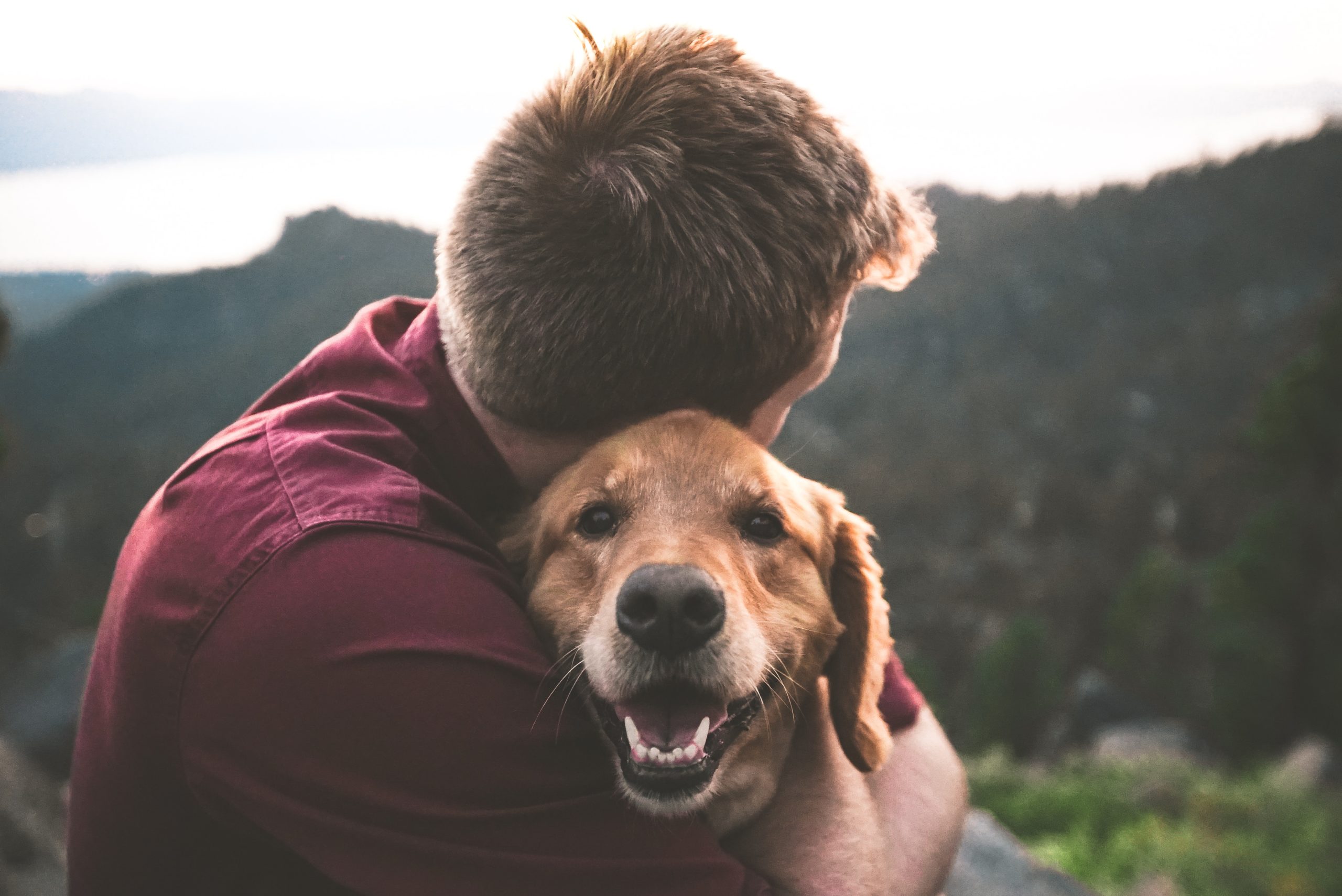
7. Golden Retriever
The Golden Retriever is widely known for its friendly and people-oriented personality.
Goldens often enjoy being included in family activities, whether that means accompanying their owner on a walk, relaxing nearby, or hanging out during everyday household activities.
Their affectionate nature can make them seem like large versions of a Velcro dog.
However, Golden Retrievers are active dogs that require regular exercise, training, and interaction.
Golden Retriever traits include:
- Friendly personality
- Strong bond with family
- Eager to learn
- Social temperament
- Enjoys interactive activities
Their size and energy level should be considered before choosing one as a companion.
6. Cavalier King Charles Spaniel
The Cavalier King Charles Spaniel was developed as a companion dog, so it’s hardly surprising that many Cavaliers enjoy staying close to their people.
These small dogs often appreciate a combination of short walks, playtime, and plenty of relaxing companionship.
Many Cavaliers enjoy curling up beside their owners and may follow them around the house simply because being together is their favorite activity.
Cavalier highlights:
- Affectionate
- Sociable
- Adaptable
- Enjoys cuddling
- Moderate exercise needs
Anyone considering the breed should research its potential inherited health concerns and discuss responsible breeding or adoption with appropriate professionals.
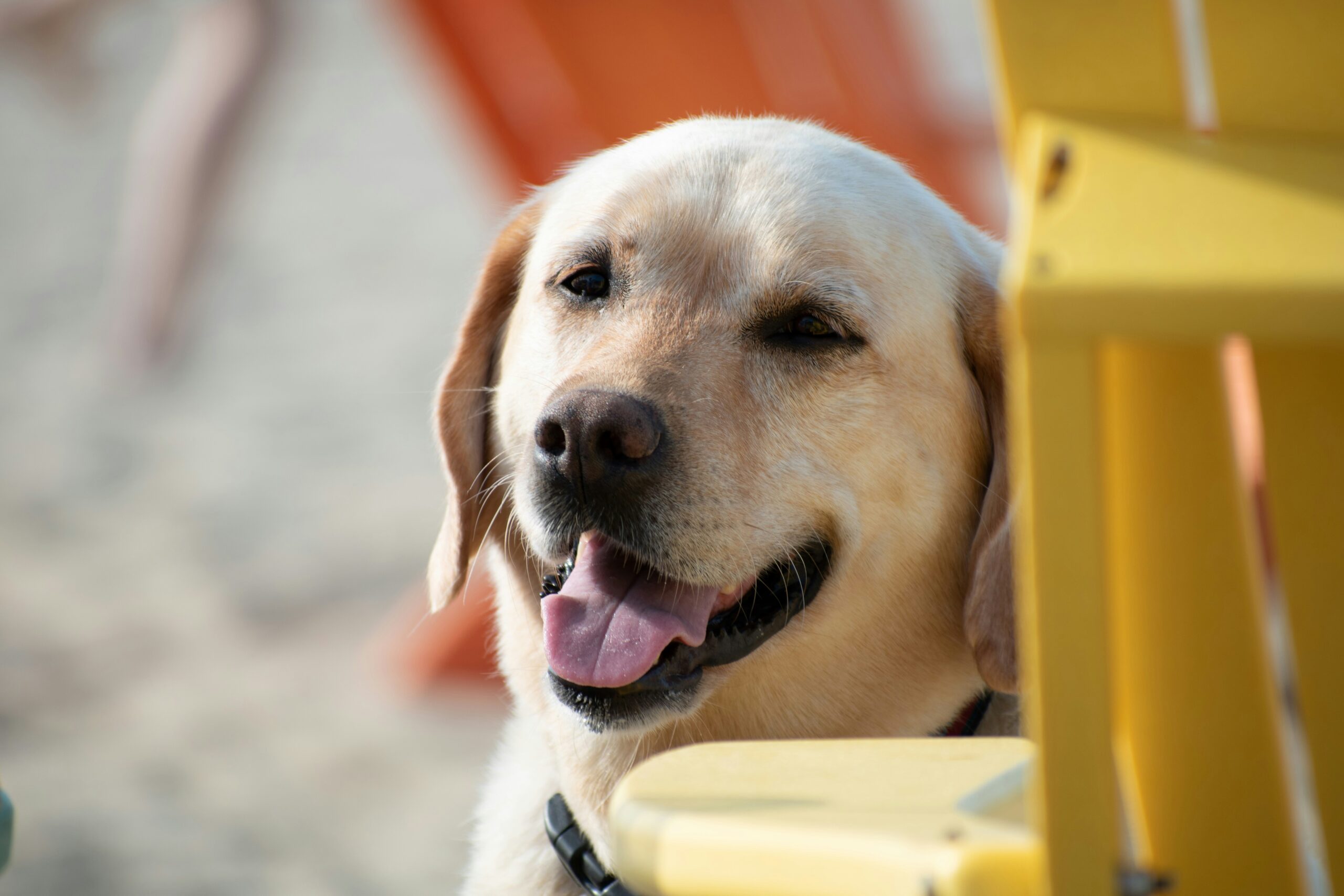
5. Labrador Retriever
The Labrador Retriever is known for being friendly, enthusiastic, and strongly connected to its family.
Labs often want to be involved in whatever their humans are doing. If you’re heading outside, they want to come. If you’re playing, they want to participate. If you’re relaxing, they may happily settle nearby.
Their sociable nature makes them wonderful family companions, although young Labs can be energetic and require substantial daily exercise.
Labrador characteristics:
- People-oriented
- Friendly and social
- Highly trainable
- Playful
- Enjoys family activities
A Labrador may be a constant companion, but owners should be prepared for the physical and mental activity this breed requires.
4. Maltese
The Maltese is a small companion breed that often thrives on close human interaction.
Because of their compact size, Maltese dogs can easily follow their owners throughout the home and may happily sit on a lap or beside them.
They generally don’t require the same amount of physical exercise as large working breeds, although daily walks and play remain important.
Their long coat requires regular grooming, especially if kept at full length.
Maltese dogs can be a good fit for people who want:
- A small companion
- Plenty of affection
- Moderate exercise requirements
- A dog that enjoys indoor life
- A highly people-oriented pet
Their strong attachment also means owners should teach them to feel comfortable spending appropriate amounts of time alone.
3. Poodle
Poodles are exceptionally intelligent dogs available in Standard, Miniature, and Toy varieties.
Their intelligence and close working relationship with humans can contribute to their tendency to stay involved with family members. Many Poodles enjoy following their owners because they are curious and don’t want to miss out on an activity.
They also need mental stimulation. Training, puzzle toys, scent games, and interactive play can help keep their minds occupied.
Poodle advantages include:
- Highly intelligent
- Very trainable
- Strongly people-oriented
- Comes in multiple sizes
- Enjoys learning and interactive activities
Their curly coat requires regular maintenance, and their exercise requirements vary by size and individual dog.
2. Shih Tzu
The Shih Tzu is a classic companion breed that often prefers being close to its family rather than spending long periods alone.
A Shih Tzu may follow you around the house, curl up beside you while you watch television, or happily accompany you from one room to another.
Their exercise needs are generally manageable, with short walks and indoor play providing useful activity for many individuals.
Their coat, however, requires regular brushing and grooming.
Shih Tzu traits include:
- Affectionate
- Companion-oriented
- Small size
- Enjoys indoor living
- Moderate exercise needs
Their short muzzle also means owners should be cautious about heat and strenuous activity.
1. Havanese
The Havanese is a small companion breed known for its affectionate and sociable personality.
Havanese dogs often enjoy being part of whatever their family is doing. If you’re moving from one room to another, your Havanese may decide that following you is simply the most interesting option.
Their cheerful temperament and relatively adaptable nature can make them appealing to people looking for a close household companion.
They still need daily activity, training, play, and social interaction.
Havanese characteristics include:
- Highly social
- Affectionate
- Playful
- Adaptable
- Enjoys close human companionship
Their coat requires regular grooming, and their strong desire for company means owners should gradually teach them how to relax independently.
Is Following You Everywhere a Sign of Separation Anxiety?
Not necessarily.
A dog following you around the house can simply be a normal expression of attachment or curiosity. However, some dogs become distressed when their owners leave.
Potential signs of separation-related distress can include:
- Persistent barking or whining after you leave
- Destructive behavior that occurs primarily when alone
- Attempts to escape
- Excessive drooling or panting
- House-soiling despite otherwise reliable training
- Extreme distress when departure cues appear
If you’re concerned about your dog’s behavior when alone, speak with your veterinarian or a qualified behavior professional.
How to Encourage Healthy Independence
Even if you love having your dog beside you, it’s useful to teach them that being alone can also be safe and comfortable.
You can encourage independence by:
- Giving your dog a comfortable resting area
- Rewarding calm behavior when they settle away from you
- Providing appropriate enrichment toys
- Practicing short periods of separation
- Avoiding making departures and arrivals unnecessarily dramatic
- Gradually increasing alone time
The goal isn’t to discourage your dog from being affectionate. It’s to help them become comfortable both with companionship and with appropriate periods of independence.
Are Velcro Dogs Right for Everyone?
A highly attached dog can be wonderful for someone who wants constant companionship. But it can also be challenging if you prefer a very independent pet.
Before choosing a breed, consider:
- How much time you spend at home
- Your daily exercise routine
- Your grooming budget
- Whether you travel frequently
- How much training you enjoy
- Whether you want a lap dog or an active companion
- How comfortable you are with a dog following you around the house
Remember that breed tendencies aren’t guarantees. Individual dogs can be more independent or more affectionate than the breed stereotype suggests.
Frequently Asked Questions
What is a Velcro dog?
“Velcro dog” is an informal term for a dog that likes staying very close to its owner and may frequently follow them from room to room.
Which dogs tend to be very affectionate?
Many companion breeds and some working breeds can form strong bonds with their owners. Havanese, Shih Tzus, Maltese, Poodles, Cavaliers, Labradors, and Golden Retrievers are examples of breeds often appreciated for their people-oriented personalities.
Is it bad if my dog follows me everywhere?
Not necessarily. Following you can be completely normal. What matters is whether your dog can also relax independently and remain comfortable when you aren’t nearby.
Can an independent dog become a Velcro dog?
A dog’s behavior can be influenced by training, environment, experiences, and changes in routine. An independent dog may become more attached to its owner over time, while an affectionate dog can also learn healthy independence.
Do Velcro dogs have separation anxiety?
Not automatically. Following an owner around the home is different from becoming distressed when left alone. Separation-related problems involve distress associated with being separated from the owner.
Final Thoughts
Having a dog that follows you from room to room can make everyday life feel a little less lonely. Some breeds have personalities and working histories that make close human interaction particularly appealing, while others simply happen to develop exceptionally strong bonds with their families.
From the affectionate Havanese and Shih Tzu to energetic breeds such as the Border Collie and Australian Shepherd, these dogs offer different versions of companionship.
Before choosing a breed, look beyond the desire for a “Velcro dog.” Consider exercise, grooming, training, health, independence, and the dog’s overall personality.
The best companion is one whose needs fit comfortably into your lifestyle—and who can enjoy being by your side without needing to be there every second of the day.






Leave a comment