



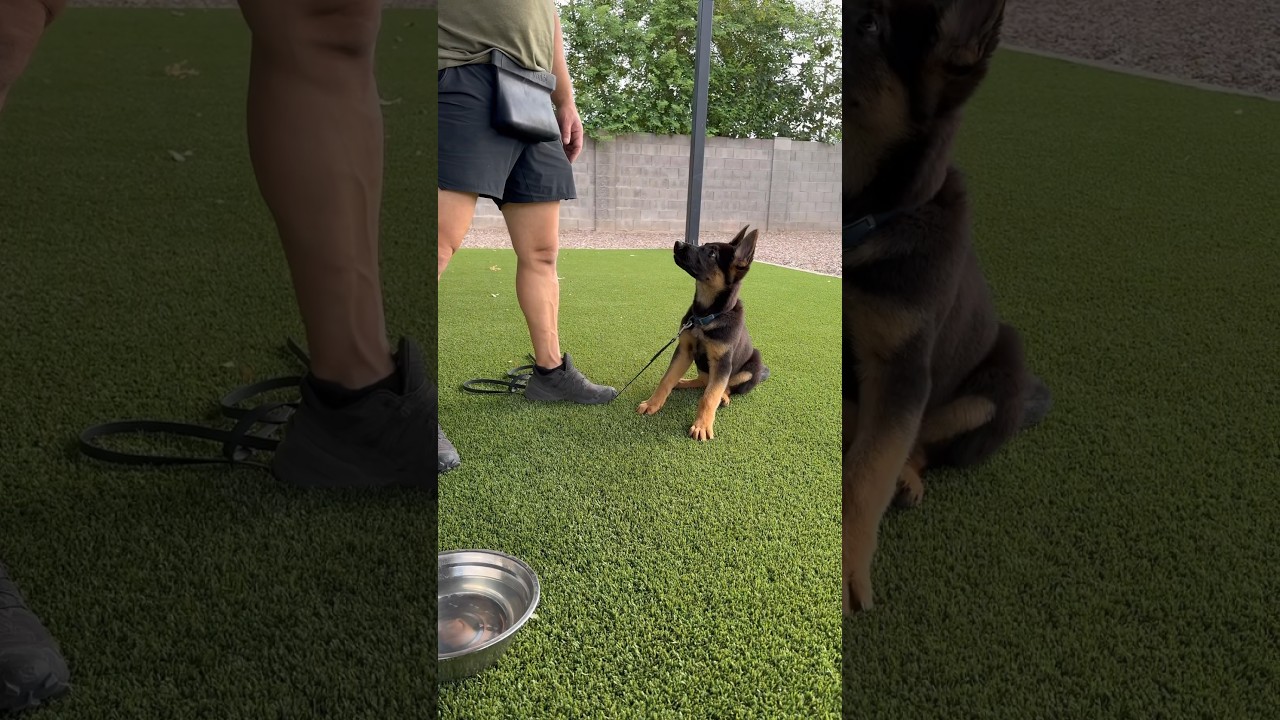



Every pet has a story.
Some dogs and cats arrive in our lives confident and social, while others may have experienced fear, neglect, illness, or difficult environments before finding a loving home. When these challenges affect their behavior, progress may take time—but with patience, appropriate training, and the right support, many pets can learn new ways to cope.
Pet training isn’t simply about teaching commands such as “sit” or “stay.” It can also help animals build confidence, develop healthier habits, and feel more comfortable in situations that once frightened or overwhelmed them.
The following stories illustrate how positive reinforcement, patience, consistency, and professional guidance can help pets work through behavioral challenges. Every animal is different, so progress won’t look exactly the same for every pet.
Casey: From a Fearful Rescue Dog to a Confident Companion
Casey was a timid rescue dog who had spent much of her early life without the stability of a loving home. When she was adopted, her new family quickly noticed that unfamiliar people and sudden noises made her extremely nervous.
Instead of forcing Casey into situations that frightened her, her family focused on helping her feel safe.
They began with small, manageable experiences. Whenever Casey voluntarily approached someone, explored a new area, or remained calm around a previously frightening sound, her family rewarded the behavior with something she enjoyed.
Building Confidence One Step at a Time
Casey’s training focused on positive experiences rather than punishment.
Her family:
- Used treats to reward calm behavior
- Allowed her to approach new situations at her own pace
- Avoided forcing interactions
- Provided a quiet place where she could retreat
- Kept training sessions short and manageable
- Repeated positive experiences consistently
At first, progress was difficult to notice. Casey might take only one small step toward a new person before retreating again.
But those small steps mattered.
Over time, Casey began approaching unfamiliar people more willingly. She became more comfortable exploring new environments and started showing behaviors that her family hadn’t seen during her first days at home.
Eventually, walks became something she looked forward to, and playtime became a regular part of her routine.
What Casey’s Story Teaches Us
Fearful dogs don’t necessarily become confident overnight. Building trust can require weeks, months, or longer depending on the dog’s history and individual temperament.
The important lesson is that forcing a fearful dog to confront something overwhelming can be counterproductive. Gradual exposure paired with positive experiences can be a more supportive approach.
If a dog shows severe fear, a veterinarian or qualified behavior professional can help create an appropriate plan.
Luna: Helping an Easily Triggered Cat Feel Safer
Luna was a cat who struggled whenever another animal came too close.
She would hiss, swat, and attempt to drive other pets away. Her behavior created tension throughout the household, and her owners initially weren’t sure how to help.
Rather than simply trying to stop Luna from hissing or swatting, they began looking at why she was reacting that way.
Understanding the Behavior
Luna’s owners learned to recognize early warning signs in her body language.
For example, they noticed changes such as:
- Flattened or sideways ears
- A rapidly moving tail
- Tense body posture
- Dilated pupils
- Hissing
- Attempts to retreat
Instead of waiting until Luna became highly stressed, they learned to give her additional space when early warning signs appeared.
They also created a dedicated area where Luna could retreat and feel secure.
Gradual Introductions
The household didn’t expect Luna and the other pets to become friends immediately.
Interactions were introduced gradually, with the animals separated when necessary. Luna received positive reinforcement for remaining calm around the other pets.
Over time, she became more comfortable sharing parts of the home with her furry companions.
She still had boundaries, but she no longer reacted to every interaction as though it were a threat.
What Luna’s Story Teaches Us
Aggressive-looking behavior doesn’t always mean an animal is simply “mean.” Fear, stress, territorial behavior, frustration, pain, and other factors can contribute to defensive reactions.
Understanding the trigger is an important part of changing the behavior.
For cats displaying persistent aggression, working with a veterinarian or qualified feline behavior professional can help identify possible medical or environmental causes and develop a safe management plan.
Max: The Dog Who Couldn’t Handle Being Alone
Max was a friendly dog who loved spending time with his family. The problem began whenever everyone left the house.
He would pace, whine, scratch at doors, and become increasingly unsettled.
His family initially thought he simply needed more discipline. Instead, they discovered that the behavior appeared to be connected to distress when left alone.
Creating Positive Alone-Time Experiences
Rather than suddenly leaving Max alone for long periods, his family began practicing short absences.
They gradually worked on:
- Spending brief periods apart
- Creating a comfortable resting area
- Providing appropriate enrichment
- Keeping departures and arrivals calm
- Increasing alone time gradually when he remained comfortable
They also consulted a professional for additional guidance because severe separation-related behavior can be difficult to manage without a structured plan.
With consistent training and careful management, Max gradually became more comfortable spending time by himself.
The Lesson From Max
Some behavioral problems require more than basic obedience training. If a dog experiences intense distress when alone, punishment can make the problem worse.
A veterinarian or qualified behavior professional can help determine whether separation-related behavior, anxiety, environmental factors, or another issue may be involved.
Bella: Learning to Walk Calmly on a Leash
Bella was an energetic young dog who treated every walk like a race.
The moment her leash was attached, she pulled toward every smell, person, and interesting object.
Her family wanted to give her more freedom to explore but also needed walks to remain manageable and safe.
Turning Walks Into Training Sessions
Instead of repeatedly pulling Bella backward, they began rewarding the behaviors they wanted to see.
Whenever Bella walked near them without pulling, she received praise or a small reward.
They also practiced in quieter environments before moving to busier areas.
Over time, Bella learned that staying close and walking calmly resulted in rewards and opportunities to continue exploring.
Her leash manners weren’t perfect every day, but her family could see steady improvement.
The Lesson From Bella
Leash training takes repetition. Puppies and young dogs naturally become distracted by their surroundings, so expecting perfect behavior immediately can lead to frustration.
Short, successful training sessions are often more productive than long sessions where the dog becomes overwhelmed.
Why Positive Reinforcement Can Help Pets Learn
Positive reinforcement means rewarding a behavior you want to encourage.
Depending on the pet, the reward might be:
- A small food treat
- Praise
- A favorite toy
- Playtime
- Access to something the pet enjoys
- Affection, when the animal finds it rewarding
The goal is to help the animal understand which behaviors lead to desirable outcomes.
For example, if a dog calmly sits instead of jumping on a visitor and receives a reward, the dog has a reason to repeat that behavior.
Training works best when rewards are delivered consistently and at the right moment.
Patience Is One of the Most Important Training Tools
One of the biggest mistakes owners can make is expecting immediate results.
A behavior that developed over months or years may take time to change.
Progress can look like:
- Remaining calm for a few extra seconds
- Approaching a new person
- Ignoring another animal
- Walking a few steps without pulling
- Relaxing in a new environment
- Successfully responding to a familiar cue
Celebrate these small improvements.
Training isn’t always a straight line. Pets can have good days and difficult days, especially when they are tired, stressed, ill, or exposed to a particularly challenging situation.
What If Your Pet’s Behavior Suddenly Changes?
A sudden change in behavior should not automatically be treated as a training problem.
Pain and medical conditions can sometimes contribute to changes such as:
- Increased irritability
- Hiding
- Aggression
- Reduced activity
- Changes in appetite
- Unusual vocalization
- Changes in bathroom habits
If your pet’s behavior changes suddenly or significantly, contact your veterinarian to rule out potential medical causes.
When Should You Work With a Professional?
Some challenges can be handled with basic training at home, but professional assistance can be extremely valuable when behavior is severe, persistent, or potentially dangerous.
Consider seeking professional help if your pet:
- Bites or attempts to bite
- Shows intense aggression
- Experiences severe fear
- Panics when left alone
- Cannot safely interact with other animals
- Develops sudden behavioral changes
- Is difficult to manage despite consistent training
Look for a qualified professional who uses humane, evidence-based methods and can work alongside your veterinarian when medical factors may be involved.
Common Training Mistakes to Avoid
Punishing Fear
Punishing a frightened pet doesn’t teach them that the situation is safe. It can increase stress and may make the underlying problem worse.
Moving Too Quickly
If your pet is overwhelmed, make the exercise easier. Progress should happen at a pace the animal can reasonably handle.
Inconsistency
If one family member rewards a behavior while another unintentionally encourages the opposite behavior, learning can become confusing.
Expecting Perfection
Animals make mistakes. Training should focus on gradual improvement rather than demanding flawless behavior.
Ignoring Medical Problems
Behavioral changes can sometimes have a medical component. Veterinary evaluation is important when behavior changes suddenly or appears unusual.
Frequently Asked Questions About Pet Training
Can an older dog still learn new behaviors?
Yes. Dogs can continue learning throughout their lives. Older dogs may require adjustments based on their physical abilities, previous experiences, and health, but age alone doesn’t mean training is impossible.
How long does it take to change a pet’s behavior?
There is no universal timeline. Simple behaviors may improve quickly, while fear, aggression, separation-related problems, or deeply established habits can require much longer.
Should I punish my dog for bad behavior?
Punishment can increase fear or stress and may not address the reason behind the behavior. Reward-based training and appropriate management are generally more useful for teaching desired behaviors.
What should I do if my cat is aggressive?
First, keep people and other animals safe and give the cat space. Avoid physically confronting or punishing the cat. If aggression continues, consult a veterinarian and consider working with a qualified feline behavior professional.
Can treats be used for every training session?
Treats are one useful reward, but they aren’t the only option. Toys, praise, play, or access to something the pet values can also work. Choose rewards that your individual pet finds motivating.
What if training doesn’t seem to be working?
Review whether the goal is realistic, the environment is too difficult, or the training is progressing too quickly. If you’re still struggling, professional guidance can help identify what needs to change.
Final Thoughts
Every pet learns differently, and overcoming a behavioral challenge rarely happens overnight. The stories of Casey, Luna, Max, and Bella illustrate an important principle: patience, consistency, understanding, and appropriate positive reinforcement can make a meaningful difference in a pet’s training journey.
Whether you’re helping a nervous rescue dog gain confidence, teaching a young puppy to walk politely, or helping a cat cope with stressful interactions, focus on small improvements rather than expecting instant results.
Most importantly, remember that behavior is communication. When a pet is frightened, stressed, or suddenly behaving differently, try to understand what may be driving the behavior rather than simply trying to suppress it.
With the right support—and professional help when necessary—many pets can learn healthier ways to respond to challenging situations and build stronger relationships with the people who care for them.
This Article Was Generated By AI.








Leave a comment