





Pet care has changed dramatically over the years. What once required simple food bowls, collars, brushes, and beds can now involve smart technology, automated routines, tracking devices, interactive toys, and travel equipment designed specifically for modern pet owners.
Today’s pet accessories aren’t just about making pets look cute. Many products are designed to solve everyday problems, such as keeping feeding schedules consistent, monitoring a pet while you’re away, locating a dog that has escaped, simplifying grooming, or making travel more comfortable.
Of course, not every gadget is necessary for every pet. The best accessory is one that solves a genuine problem without compromising your pet’s safety, comfort, or natural behavior.
Here are some innovative pet accessories that are changing the way people care for their dogs and cats.
1. Smart Automatic Pet Feeders
One of the most useful developments for busy pet owners is the automatic feeder.
Instead of relying entirely on humans to remember every meal, an automatic feeder can dispense predetermined portions at scheduled times. Depending on the model, some devices can be programmed for multiple meals throughout the day.
This can be particularly useful for:
- Owners with busy work schedules
- Pets that require controlled portions
- Households with consistent feeding routines
- Owners who occasionally need to be away during mealtimes
Some advanced feeders also connect to smartphone apps and provide notifications when food is dispensed.
What to Consider
An automatic feeder shouldn’t replace responsible pet care. Check that the device is reliable, difficult for your pet to knock over, easy to clean, and appropriate for the type of food you’re using.
It’s also wise to have a backup plan in case the device stops working or loses power.
2. Feeders With Built-In Cameras
Some modern feeders combine automated feeding with a camera.
This allows owners to check on their pets remotely and, depending on the device, see whether the pet actually approached the feeder.
Some models also include microphones or speakers, allowing owners to communicate with their pets.
For people who spend long hours away from home, this can provide useful information about a pet’s routine.
However, a camera should supplement—not replace—regular interaction and care.
3. GPS Pet Trackers
A lost pet can be a terrifying experience, which is why GPS trackers have become increasingly popular.
A GPS tracker can be attached to a suitable collar or harness and used with a companion app to help locate the animal.
Depending on the device and service, features may include:
- Location tracking
- Location history
- Virtual boundaries
- Escape alerts
- Activity information
- Battery notifications
GPS tracking can be particularly useful for dogs that have a tendency to wander and outdoor cats that regularly explore beyond the home.
GPS vs. Identification
A GPS tracker should not replace a microchip or identification tag.
Technology can fail because of a dead battery, poor connectivity, damaged equipment, or other problems. Permanent identification and current contact information remain important parts of responsible pet ownership.
4. Smart Pet Cameras
Pet cameras have developed far beyond simple home surveillance.
Modern devices may offer features such as:
- Two-way audio
- Night vision
- Motion detection
- Treat dispensing
- Smartphone alerts
- Activity monitoring
Some cameras can help owners notice patterns in a pet’s behavior while they’re away.
For example, you might discover that your dog spends most of the day sleeping peacefully but becomes anxious whenever a particular sound occurs outside.
That information can be useful when working with a veterinarian or qualified behavior professional.
5. Interactive Puzzle Feeders and Toys
Not every innovative accessory needs an internet connection.
Puzzle feeders and interactive toys can provide valuable mental stimulation by encouraging pets to solve simple problems to access food or treats.
These products can help turn mealtime into an enrichment activity.
For dogs and cats, appropriate puzzle toys can encourage:
- Problem-solving
- Exploration
- Foraging behavior
- Mental engagement
- Independent play
Start with an appropriate difficulty level. A puzzle that is too difficult can frustrate a pet rather than entertain them.
6. Automatic and Self-Cleaning Litter Boxes
Cat owners are familiar with the daily responsibility of maintaining a clean litter box.
Self-cleaning litter boxes are designed to reduce the amount of routine scooping required by automatically removing waste after use.
Some newer models may also monitor litter-box activity.
However, technology doesn’t eliminate the need for cleaning. The litter box still needs regular maintenance, and owners should remain aware of their cat’s bathroom habits.
Changes in frequency, urine volume, stool appearance, or litter-box behavior can sometimes signal a health problem.
7. Modern Grooming Tools
Grooming has also benefited from new product designs.
There are now grooming tools aimed at making brushing, bathing, nail care, and coat maintenance easier for owners.
Examples include:
- Self-cleaning brushes
- Deshedding tools
- Grooming vacuums
- Pet-safe nail grinders
- Bathing accessories
- Grooming gloves
- Detangling tools
The right tool depends on your pet’s coat type and grooming requirements.
Introduce Grooming Tools Gradually
Even a perfectly designed grooming device can frighten a pet if introduced suddenly.
Let your pet investigate the tool while it is turned off. Reward calm behavior, introduce the sound or sensation gradually, and stop if the animal becomes highly distressed.
8. Smart Collars
Traditional collars can now be combined with technology.
Depending on the product, a smart collar may provide information about:
- Activity
- Rest
- Location
- Movement
- Sleep patterns
- Other behavioral metrics
These measurements can sometimes help owners notice changes over time.
However, activity data shouldn’t be treated as a medical diagnosis. If your pet’s behavior, appetite, mobility, or energy changes significantly, a veterinarian is the appropriate person to consult.
9. Automatic Water Fountains
Fresh water is essential for pets, and some cats and dogs are more interested in drinking from moving water.
Automatic water fountains continuously circulate water and can encourage some pets to drink more frequently.
Many are designed with filters to help remove debris and improve taste.
The fountain still needs regular cleaning. A water fountain isn’t useful if it becomes dirty or clogged.
10. Cooling Accessories for Hot Weather
Temperature management is particularly important for pets living in hot climates.
Cooling mats, elevated beds, cooling bandanas, and other products can provide additional comfort during warm weather.
However, cooling accessories should never be considered a substitute for proper heat safety.
Pets should still have:
- Fresh drinking water
- Shade
- Good ventilation
- Access to a cool environment
- Exercise scheduled around safer temperatures
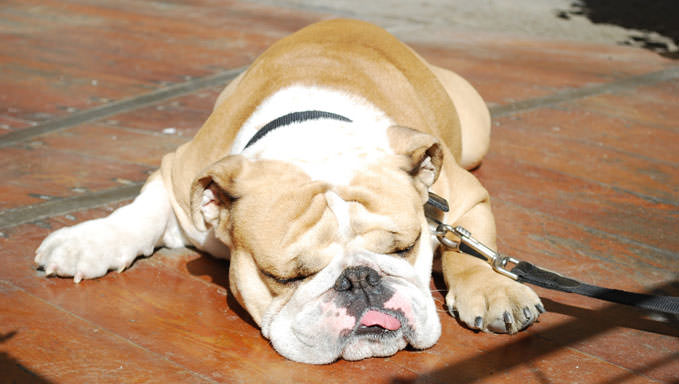
Be especially cautious with flat-faced breeds, very young or elderly animals, and pets with certain medical conditions.
11. Modern Pet Travel Gear
Travel accessories have become more practical and portable.
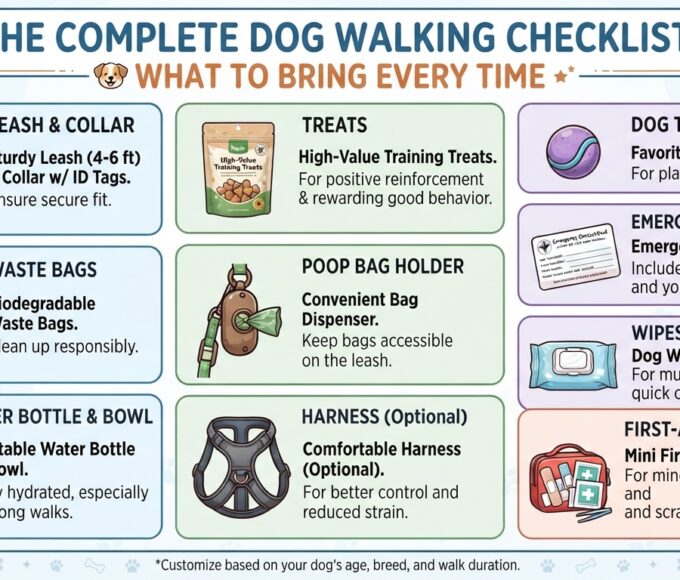
Collapsible bowls, lightweight carriers, travel water bottles, car restraints, portable beds, and travel organizers can make journeys easier.
A good travel accessory should prioritize safety over appearance.
For dogs traveling in cars, an appropriate restraint or secured travel crate is preferable to allowing the animal to move freely around the vehicle.
Never allow a dog to ride loose in a way that could interfere with the driver.
12. Collapsible Travel Bowls
Traditional bowls can take up unnecessary luggage space.
Collapsible silicone or fabric-style bowls can be folded down when not in use, making them convenient for:
- Road trips
- Hiking
- Camping
- Walks
- Hotel stays
- Outdoor adventures
Always choose a bowl made from pet-safe materials and keep it clean.
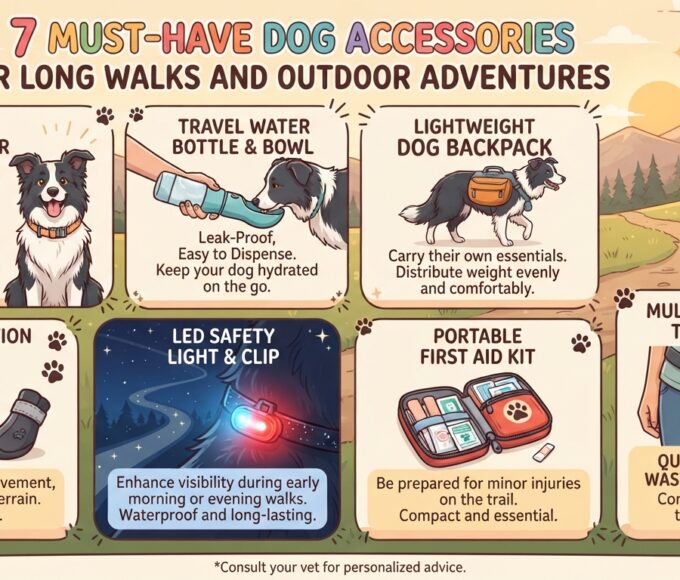
13. Portable Pet Water Bottles
Portable water bottles designed specifically for pets can make outdoor adventures more convenient.
Some have built-in drinking reservoirs so owners don’t need to carry a separate bowl.
They can be particularly useful during long walks or hikes.
Remember that pets may need more water in hot conditions or during strenuous activity, so always plan accordingly.
14. Escape-Resistant Harnesses
Modern harness designs can provide better control for dogs that are skilled at slipping out of ordinary equipment.
A properly fitted harness can also provide an alternative to attaching a leash directly to a collar, depending on the dog’s needs.
The important word is properly fitted.
A harness that is too loose may allow an escape, while one that is too tight can cause discomfort or restrict movement.
Check the fit regularly, especially for growing puppies.
15. Personalized and High-Visibility Accessories
Technology isn’t always necessary to make an accessory useful.
Personalized identification tags, reflective collars, illuminated accessories, and high-visibility harnesses can improve safety during walks, especially in low-light conditions.
A clearly visible identification tag should contain current contact information.
If your pet’s phone number or address changes, update the tag.
16. Calming Accessories
Some pets become nervous during thunderstorms, fireworks, travel, grooming, or unfamiliar situations.
Calming products can include:
- Anxiety wraps
- Covered beds
- Calming mats
- Pheromone-based products
- White-noise devices
- Comfortable crates
These products may help some animals feel more secure, but they aren’t a universal solution.
If anxiety is severe or persistent, talk with a veterinarian or qualified behavior professional rather than relying solely on an accessory.
17. Elevated and Orthopedic Pet Beds
Pet beds have also become more specialized.
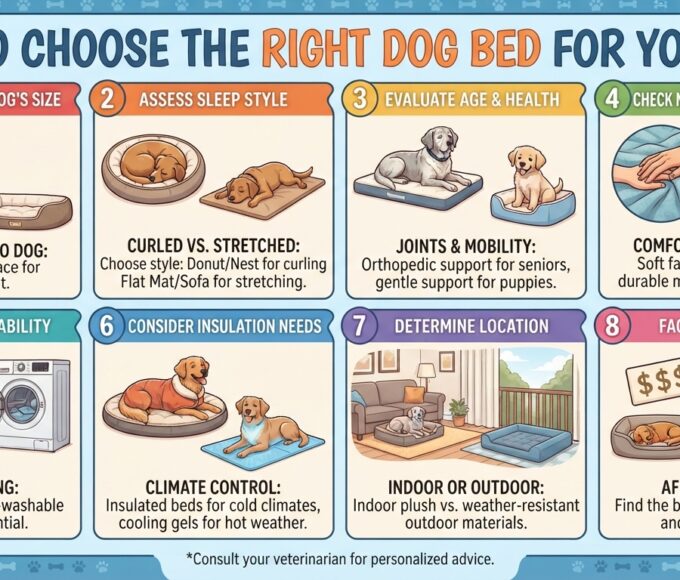
Elevated beds can improve airflow around a pet and may be useful in warm environments. Orthopedic-style beds are designed with supportive materials and can be helpful for some older dogs or pets with mobility concerns.
The ideal bed depends on the animal’s age, size, sleeping habits, and physical needs.
A bed should be large enough for the pet to comfortably change positions without hanging off the edges.
How to Choose the Right Innovative Pet Accessories
With so many products available, it’s easy to buy gadgets simply because they look impressive.
Instead, ask yourself a few questions before purchasing.
Does It Solve a Real Problem?
If a product doesn’t improve your pet’s safety, comfort, enrichment, hygiene, or daily routine, it may not be worth the expense.
Is It Safe?
Check materials, construction, moving parts, electrical components, small detachable pieces, and manufacturer instructions.
Don’t assume a product is safe simply because it is marketed for pets.
Is It Suitable for My Pet?
A toy designed for a large dog may not be appropriate for a Chihuahua. Likewise, a feeder designed for dry food may not be suitable for a pet that eats a different diet.
Consider your pet’s:
- Size
- Age
- Breed characteristics
- Chewing habits
- Activity level
- Health needs
- Temperament
Is It Easy to Clean?
Anything that comes into contact with food, water, waste, or your pet’s body needs regular cleaning.
An accessory that is difficult to maintain may become more trouble than it’s worth.
Don’t Let Technology Replace Human Interaction
One of the biggest benefits of modern pet accessories is convenience, but technology shouldn’t replace the relationship between pets and their owners.
An automatic feeder cannot replace interaction.
A pet camera cannot replace companionship.
A GPS tracker cannot replace secure fencing and responsible supervision.
An automatic toy cannot replace playtime.
These products work best when they support responsible pet ownership rather than becoming substitutes for it.
The Future of Pet Accessories
Pet technology will likely continue becoming more personalized.
Future products may increasingly combine sensors, mobile apps, automation, and artificial intelligence to provide owners with more information about their pets’ routines.
The most useful innovations will likely be those that help owners notice meaningful changes, improve safety, reduce repetitive chores, and provide pets with appropriate enrichment.
But the fundamentals of good pet care won’t change: nutritious food, clean water, exercise, mental stimulation, veterinary care, training, safety, and affection remain essential.
Frequently Asked Questions
Are smart pet accessories worth buying?
They can be useful when they solve a genuine problem. An automatic feeder may help maintain a consistent feeding routine, while a GPS tracker may provide an additional layer of security for an adventurous dog. Not every pet needs smart technology, however.
Are automatic feeders safe?
They can be safe when appropriately designed, correctly set up, regularly cleaned, and used according to the manufacturer’s instructions. Owners should also have a backup plan for power or mechanical failures.
Can a GPS tracker replace a microchip?
No. A GPS tracker and a microchip serve different purposes. A tracker can help locate a pet while it is wearing the device, whereas a microchip provides permanent identification that can be scanned by appropriate professionals.
Do self-cleaning litter boxes eliminate the need for cleaning?
No. They can reduce routine scooping, but the equipment and litter area still need regular cleaning and maintenance.
Are interactive toys good for dogs and cats?
Appropriately designed interactive toys can provide mental enrichment. Introduce new toys gradually and supervise pets when necessary, particularly if they are strong chewers or tend to destroy toys.
Should I buy every new pet gadget?
Definitely not. The best accessories are those that meet your pet’s actual needs. A simple, durable product is often more useful than an expensive gadget filled with features you never use.
Final Thoughts
The modern pet-accessory market has moved well beyond basic collars and food bowls. From GPS trackers and smart cameras to automatic feeders, interactive toys, cooling products, travel equipment, and advanced grooming tools, technology is giving pet owners new ways to make everyday care more convenient.
But innovation should always come second to your pet’s wellbeing.
Before buying a new accessory, consider whether it is safe, practical, easy to maintain, and genuinely useful for your individual pet. When used thoughtfully, the right products can make feeding, grooming, traveling, monitoring, and enrichment easier while giving you more opportunities to focus on what matters most: spending quality time with your companion.






Leave a comment