





Being a pet parent means preparing your home for more than just cuddles and playtime. The right accessories can make everyday tasks such as feeding, grooming, walking, traveling, cleaning, and training much easier while also helping your dog or cat stay comfortable and safe.
However, pets don’t necessarily need every product that appears on a store shelf. The best accessories are the ones that serve a genuine purpose and are appropriate for your pet’s species, age, size, health, and lifestyle.
From everyday basics to emergency supplies, here’s a practical guide to the essential pet accessories every fur parent should consider.
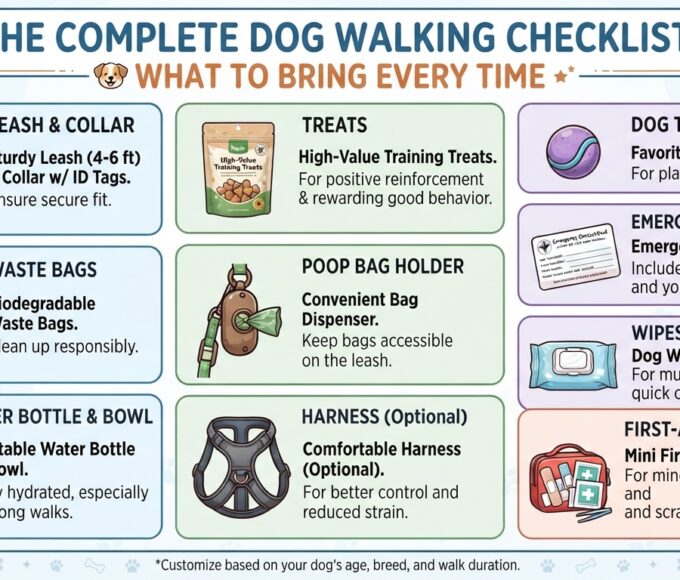
1. A Proper Collar, Harness, and Leash
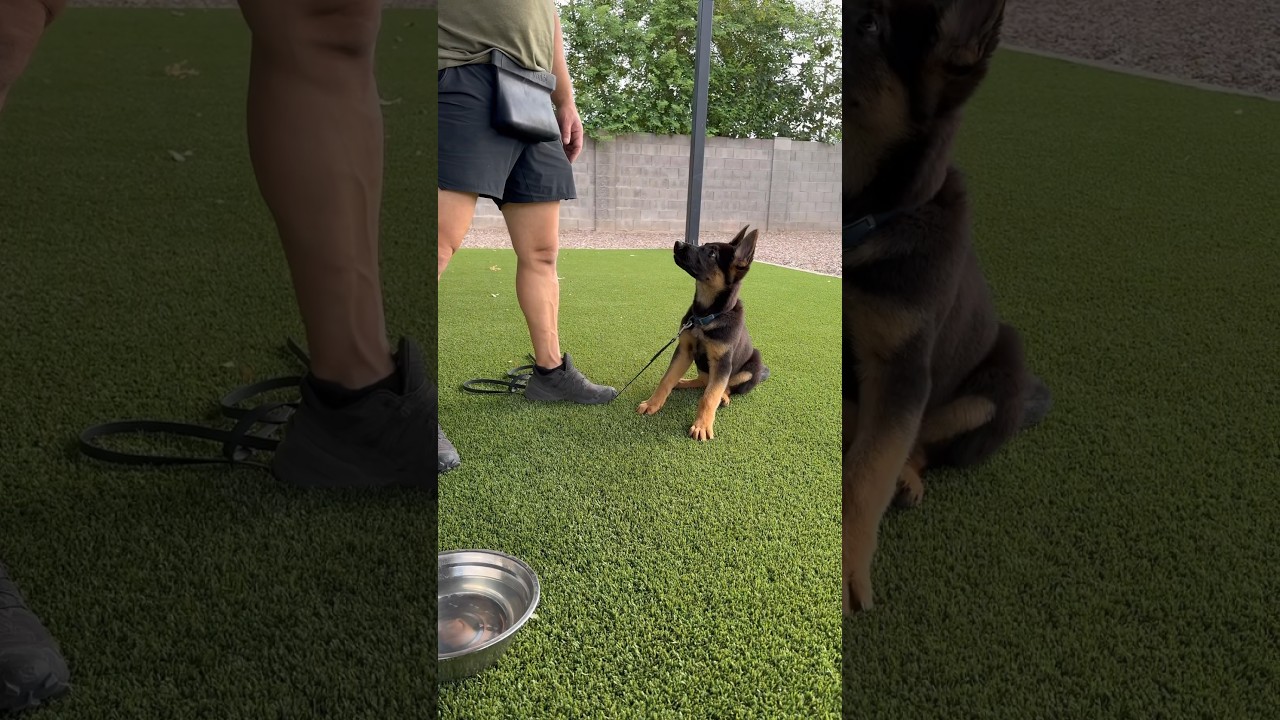
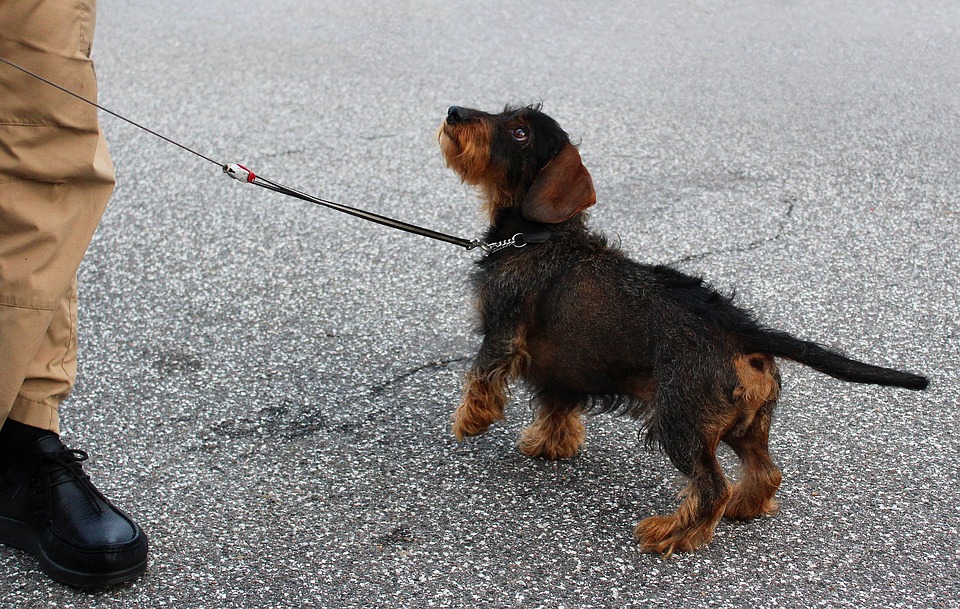
For dogs, reliable walking equipment is one of the first things to purchase.
A collar can hold identification tags, while a properly fitted harness can provide an alternative way to attach a leash, particularly for dogs that pull or have specific neck or breathing considerations.
When choosing a collar or harness:
- Measure your pet rather than guessing the size.
- Check the fit regularly as your pet grows.
- Make sure it doesn’t rub or restrict movement.
- Inspect buckles and stitching for wear.
- Choose equipment appropriate for your dog’s size and behavior.
For puppies, collars and harnesses may need to be replaced as they grow.
A sturdy leash with a comfortable handle is also worth having. Consider keeping a backup leash in case the primary one becomes damaged.
What about cats?
Indoor cats generally don’t need a collar and leash for everyday walks in the same way dogs do. However, some cats can be trained to wear a properly fitted harness for controlled outdoor exploration.
Never force a cat into a harness if they become highly distressed.
2. Food and Water Bowls
Every pet needs reliable access to food and fresh water.
Stainless-steel bowls are popular because they’re durable, relatively easy to clean, and resistant to odors. Ceramic bowls can also be suitable when they are made with pet-safe materials and remain free from cracks or damage.
When choosing bowls, consider:
- Your pet’s size
- Bowl stability
- Ease of cleaning
- Material quality
- Whether the bowl tips over easily
- Whether the design encourages comfortable eating
Wash food and water bowls regularly rather than allowing old food residue to accumulate.
If your pet constantly pushes their bowl across the floor, a heavier or non-slip design may be more practical.
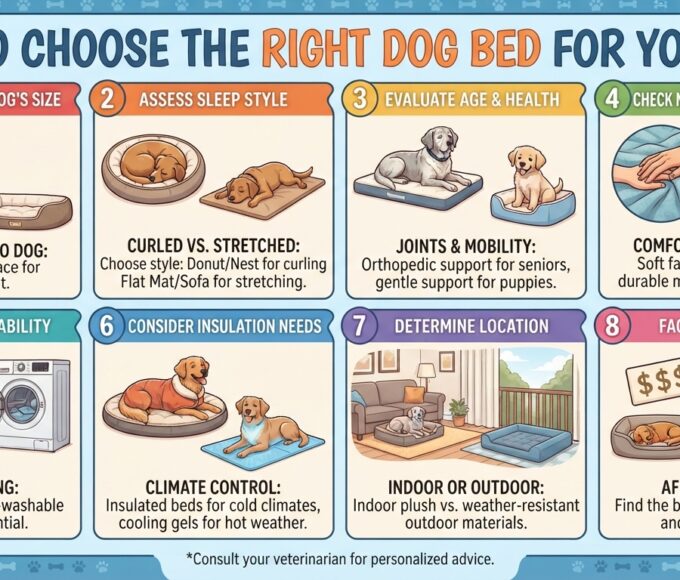
3. A Comfortable Bed
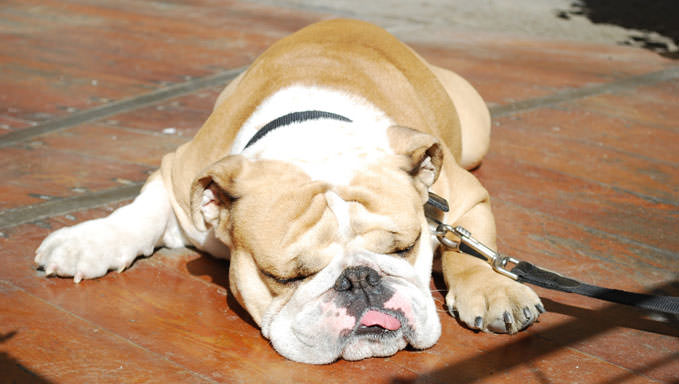
Pets spend a significant amount of time resting, so a comfortable sleeping area is an important investment.
Choose a bed that allows your pet to stretch, turn around, and settle comfortably.
Consider your pet’s:
- Size
- Sleeping position
- Age
- Coat type
- Mobility
- Personal preference
Some pets prefer beds with raised edges that provide a sense of security, while others prefer flat cushions.
Older pets or animals with mobility problems may benefit from supportive bedding, but discuss specific orthopedic needs with your veterinarian when appropriate.
Place the bed somewhere your pet can relax without constant foot traffic.
4. Toys for Play and Enrichment
Toys aren’t simply entertainment. Appropriate play can provide physical activity, mental stimulation, and opportunities for bonding.
A useful toy collection might include:
- Chew toys
- Balls
- Tug toys
- Interactive toys
- Puzzle feeders
- Treat-dispensing toys
- Soft toys for supervised play
Different pets enjoy different types of play, so experiment to discover what motivates your companion.
Rotate toys rather than leaving every toy available all the time. Bringing out different options periodically can make familiar toys more interesting.
Always inspect toys
No toy is completely indestructible.
Remove toys that are:
- Breaking apart
- Developing sharp edges
- Losing small pieces
- Becoming too small to use safely
- Contaminated with damaged stuffing or materials
Supervise pets with toys that could potentially be swallowed.
5. Grooming Supplies
Grooming needs vary dramatically between animals.
A short-haired dog may need relatively little brushing, while a long-haired dog may require frequent coat care to prevent tangles and mats.
Basic grooming supplies can include:
- Appropriate brush
- Comb
- Pet-safe shampoo
- Nail clippers or grinder
- Towels
- Ear-care supplies when recommended
- Dog- or cat-specific toothbrush
- Pet-safe toothpaste
Choose tools based on your pet’s coat and grooming requirements rather than buying every available product.
Introduce grooming gradually, particularly when caring for a young or nervous pet.
6. A Secure Pet Carrier
A carrier is one of those accessories that many owners don’t think about until they urgently need one.
It can be useful for:
- Veterinary appointments
- Moving house
- Travel
- Emergencies
- Temporary confinement
- Safe transportation
The carrier should provide enough room for your pet to sit, stand, turn around, and lie down comfortably while remaining appropriately secure.
For cats, a sturdy carrier can be especially important because cats may panic when transported.
Don’t wait until the day of a veterinary appointment to introduce the carrier. Allow your pet to explore it at home first and create positive associations with it.
7. Identification Tags
An identification tag is a simple accessory that can make a major difference if your pet becomes lost.
Include useful information such as:
- Pet’s name
- Your phone number
- Other appropriate contact information
Make sure the tag remains readable and securely attached.
Check the information whenever your phone number or other contact details change.
8. Microchip Identification
A microchip isn’t a replacement for an identification tag, but it provides an additional form of identification.
A veterinarian or qualified professional can implant the chip under your pet’s skin. If a lost pet is found and scanned, the chip may help connect them with their registered owner.
The important part is keeping the registration information current.
A microchip with outdated contact details may be far less useful than one connected to current information.
9. Poop Bags and Cleanup Supplies
For dog owners, waste bags are an everyday necessity.
Keep them somewhere convenient, such as:
- Near the leash
- In your walking bag
- In the car
- By the front door
A dedicated pet-cleaning kit at home can also be useful for accidents.
Consider keeping:
- Paper towels
- Disposable gloves
- Pet-safe cleaning products
- Absorbent towels
- Waste bags
Clean accidents thoroughly, particularly on carpets and upholstery, because lingering odors can encourage repeat marking or elimination.
10. A Pet First-Aid Kit
A basic first-aid kit can help you handle minor situations while arranging appropriate veterinary care.
Possible supplies include:
- Gauze
- Bandages
- Disposable gloves
- Clean towels
- Tweezers
- Saline suitable for appropriate wound cleaning
- Digital thermometer
- Emergency contact information
A first-aid kit is not a substitute for professional veterinary treatment.
It’s also useful to know the location and contact details of your nearest emergency veterinary clinic.
If your pet has severe bleeding, difficulty breathing, collapse, seizures, serious trauma, suspected poisoning, or another major emergency, seek veterinary care immediately rather than relying on home treatment.
11. Food Storage Containers
A good food-storage container can protect pet food from moisture, pests, and contamination.
Choose a container that:
- Closes securely
- Is easy to clean
- Is appropriately sized
- Protects food from humidity
- Prevents pets from accessing the food themselves
Keep pet food according to the manufacturer’s storage recommendations.
Avoid simply transferring food into an unlabeled container and throwing away the original packaging. The original packaging contains useful information such as the product name, batch details, ingredients, and expiration information.
12. Travel Bowls and Water Bottles
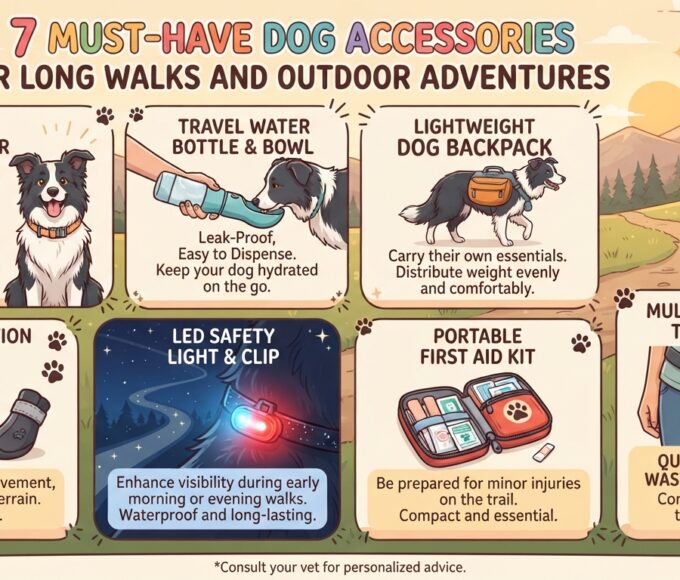
If you regularly take your dog on walks, hikes, or road trips, portable feeding and watering equipment can be extremely convenient.
Collapsible bowls take up little space and can be carried in a walking bag.
For longer outings, bring enough water for your pet rather than assuming you’ll always find a clean and safe water source.
During hot weather, plan outdoor activities carefully and give your pet opportunities to rest and cool down.
13. A Pet Camera
A pet camera isn’t essential for every household, but it can be useful for owners who spend time away from home.
Depending on the model, a camera may allow you to:
- Check whether your pet is resting
- Observe activity
- Monitor certain behaviors
- See whether water or food has been disturbed
- Talk to your pet remotely
However, technology shouldn’t replace appropriate human care.
A camera cannot provide physical assistance if your pet becomes sick, injured, trapped, or distressed.
14. Training Accessories
Training equipment can make learning easier and more organized.
For dogs, useful supplies may include:
- Small training treats
- Treat pouch
- Clicker
- Long line for appropriate supervised training
- Training mat
- Baby gates
- Puppy pen
You don’t need a huge collection of specialized equipment.
Consistent training, good timing, appropriate rewards, and patience are generally more important than having expensive gadgets.
15. Nail Care Tools
Overgrown nails can become uncomfortable and may affect how a pet walks.
Depending on your pet and your comfort level, you might use:
- Pet nail clippers
- Nail grinder
- Nail file
Introduce nail care slowly.
If your pet becomes extremely frightened or you aren’t comfortable trimming their nails safely, ask a veterinarian or professional groomer for assistance.
16. Dental-Care Supplies
Dental care is another area where establishing a routine early can help.
For dogs and cats, consider having:
- A pet-specific toothbrush
- Pet-safe toothpaste
- Appropriate dental products recommended by your veterinarian
Never use human toothpaste without veterinary guidance.
Some pets resist tooth brushing at first, so introduce the process gradually. Let them investigate the toothbrush, allow brief mouth handling, and reward calm behavior.
17. Baby Gates and Pet Barriers
Pet barriers can be incredibly useful for managing access around the home.
They can help you:
- Keep pets away from unsafe rooms
- Separate pets during feeding
- Restrict access during cleaning
- Create a puppy-safe area
- Manage introductions between animals
For puppies and curious pets, barriers can provide an additional layer of supervision.
18. A Comfortable Crate or Safe Space
A crate can be a useful training and management tool for dogs when introduced positively.
It can provide a quiet place for:
- Rest
- Travel
- Settling
- Temporary management
- Recovery when recommended by a veterinarian
The crate should never become a punishment zone.
Some pets may prefer a bed, pen, covered retreat, or another designated safe space instead.
The goal is to create somewhere your pet can relax.
19. Pet-Safe Cleaning Products
Pets inevitably create messes.
Choose cleaning products carefully, especially if your pet spends time licking floors or investigating recently cleaned areas.
Keep cleaning chemicals securely stored and follow product instructions about dilution, ventilation, and safe re-entry.
If you’re dealing with urine or feces, use an appropriate cleaner designed for pet accidents rather than simply masking the odor.
20. Pet Insurance or a Veterinary Savings Plan
Pet insurance isn’t technically an accessory, but financial preparation can be an important part of responsible pet ownership.
Unexpected veterinary expenses can occur because of:
- Accidents
- Injuries
- Illness
- Emergency treatment
- Diagnostic testing
- Surgery
Insurance policies vary significantly in coverage, exclusions, deductibles, reimbursement structures, and waiting periods.
Read the policy carefully before purchasing it.
If insurance isn’t suitable for your circumstances, some owners instead choose to maintain a dedicated emergency savings fund for veterinary expenses.
How to Choose the Right Accessories for Your Pet
The most expensive accessory isn’t necessarily the best one.
Before buying something, ask:
Is it appropriate for my pet?
A product designed for a large dog may be unsafe or impractical for a small puppy or cat.
Is it actually useful?
Avoid buying products simply because they’re trendy. Consider whether the item solves a real problem.
Is it safe?
Look for appropriate sizing, secure construction, and materials suitable for animals.
Is it easy to clean?
Accessories that accumulate food, moisture, hair, or dirt should be easy to maintain.
Can my pet destroy it easily?
If your pet is an aggressive chewer, choose products designed for supervised use and inspect them frequently.
Does my pet actually like it?
Your pet’s preference matters. A beautiful bed is useless if your dog or cat refuses to sleep on it.
Pet Accessory Essentials at a Glance
| Accessory | Main Purpose |
|---|---|
| Collar/ID tag | Identification |
| Harness and leash | Safe walking |
| Food and water bowls | Feeding and hydration |
| Bed | Rest and comfort |
| Toys | Play and enrichment |
| Grooming tools | Coat and hygiene care |
| Carrier | Safe transportation |
| Microchip | Permanent identification |
| Waste bags | Responsible cleanup |
| First-aid kit | Basic emergency preparation |
| Food container | Proper food storage |
| Travel bowl | Convenient hydration on outings |
| Training treats | Positive reinforcement |
| Nail-care tools | Nail maintenance |
| Dental supplies | Oral hygiene |
| Pet barriers | Home management |
| Crate/safe space | Rest and training |
| Pet-safe cleaner | Household cleanup |
Frequently Asked Questions About Pet Accessories
What accessories does every new pet owner need?
The essentials depend on the species and lifestyle of your pet. For most dogs, basic supplies include food and water bowls, appropriate food, identification, walking equipment, a bed, toys, grooming supplies, and a safe way to travel.
Cats may need a litter box, carrier, scratching equipment, food and water bowls, toys, and appropriate grooming supplies.
How often should I replace my pet’s toys?
There isn’t a universal replacement schedule. Inspect toys regularly and replace them whenever they become damaged, develop sharp edges, break apart, or become small enough to swallow.
Are stainless-steel bowls better for pets?
Stainless steel is a popular option because it is durable and relatively easy to clean. However, properly made ceramic and other suitable pet-bowl materials can also work. Clean bowls regularly regardless of material.
Does my pet need an ID tag if they have a microchip?
Yes, they can complement each other. An ID tag can provide visible contact information immediately, while a microchip provides another form of identification if the collar or tag is lost.
How do I choose the correct collar size?
Measure your pet’s neck and follow the manufacturer’s sizing instructions. The collar should be secure without being excessively tight. Check the fit regularly, particularly for growing puppies.
Are expensive pet accessories always better?
No. Price doesn’t automatically determine quality or suitability. Focus on safety, durability, appropriate sizing, ease of cleaning, and whether the product genuinely meets your pet’s needs.
Does my pet really need a first-aid kit?
A basic kit can be useful for minor situations, but it shouldn’t replace veterinary care. Every pet owner should also know how to contact their veterinarian or an emergency animal hospital when serious problems occur.
Final Thoughts
The right pet accessories can make everyday life easier while helping your companion stay comfortable, entertained, clean, and safe.
You don’t need to fill your home with every product marketed to pet owners. Start with the essentials, choose items appropriate for your pet’s size and lifestyle, and add accessories when they solve a genuine need.
A secure way to travel, reliable identification, appropriate food and water equipment, comfortable bedding, safe toys, grooming supplies, and basic emergency preparation can form the foundation of a well-equipped pet home.
Ultimately, the most valuable things you can provide aren’t accessories at all: regular care, attention, safe surroundings, veterinary support, exercise, enrichment, and plenty of companionship.
This Article Was Generated By AI.







Leave a comment