






Training a dog is about communication, consistency, and helping your pet understand which behaviors are rewarded. There are many training tools available today, including harnesses, long lines, clickers, treat pouches, head collars, and electronic training collars.
Electronic collars—often called e-collars, remote training collars, or shock collars—are among the more controversial options.
These devices typically allow a handler to remotely deliver an electronic stimulus through contacts on a dog’s collar. Depending on the model, they may also include tone, vibration, or other settings.
Some trainers use electronic collars for particular working or off-leash training situations, while others avoid them entirely because of concerns about stress, fear, misuse, and the possibility of creating unwanted associations.
For beginners, the most important thing to understand is that an electronic collar is not a substitute for training. Before considering one, learn how dogs learn, understand the potential risks, and consider whether reward-based methods can accomplish the same goal.
What Is an Electronic Training Collar?
An electronic training collar is a collar connected to a remote control.
Depending on the product, the remote may provide one or more signals, such as:
- Tone
- Vibration
- Electronic stimulation
The electronic stimulation is intended to get the dog’s attention or influence behavior. The sensation can vary considerably depending on the device, setting, contact, duration, and individual dog.
That is why it is misleading to assume that every e-collar produces a harmless or painless sensation.
A dog may experience an electronic stimulus differently from another dog, and inappropriate settings or prolonged use can cause distress or physical irritation.
Why Do People Use E-Collars?
People may consider electronic collars for different reasons.
Some owners are interested in improving recall when a dog is off leash. Others may use them as part of structured training for working dogs or specific performance activities.
Commonly cited applications include:
- Reinforcing a previously learned recall
- Off-leash communication
- Working-dog training
- Training at a distance
- Attention interruption
- Some forms of advanced obedience
However, a dog shouldn’t first learn what a command means through an electronic correction.
For example, if a dog has never properly learned “come,” repeatedly stimulating the dog when it doesn’t return doesn’t necessarily teach the desired behavior. It may instead create confusion, fear, or an unpleasant association with the handler or environment.
Understand the Difference Between Teaching and Correcting
This distinction is particularly important for beginners.
Teaching means showing the dog what behavior you want and reinforcing it when they perform it.
For example:
- Say “come.”
- Encourage the dog toward you.
- Reward the dog when they reach you.
- Gradually increase distance and distractions.
Correction, by contrast, attempts to reduce or interrupt an unwanted behavior.
A training tool can potentially interrupt behavior, but it doesn’t automatically teach the dog what to do instead.
That is why training should focus heavily on reinforcing the behavior you actually want.
Start With Reward-Based Training
Before reaching for an electronic collar, build a strong foundation using rewards.
Positive reinforcement can include:
- Small food rewards
- Praise
- Toys
- Play
- Access to something the dog wants
- Sniffing opportunities
- Attention
The reward should be meaningful to the individual dog.
For example, a food-motivated dog may work enthusiastically for small treats, while a toy-driven dog might prefer a brief game of tug.
Why this foundation matters
Reward-based training helps your dog understand exactly which behavior earns a desirable consequence.
It also gives you a way to communicate without relying on discomfort or fear.
Commands such as sit, down, stay, leave it, wait, and recall can all be taught progressively through clear communication and reinforcement.
Build Recall Before Considering Off-Leash Training
Recall is one of the most important skills a dog can learn.
If your ultimate goal is reliable off-leash behavior, don’t start by taking your dog into an open area and expecting them to return automatically.
Build recall gradually.
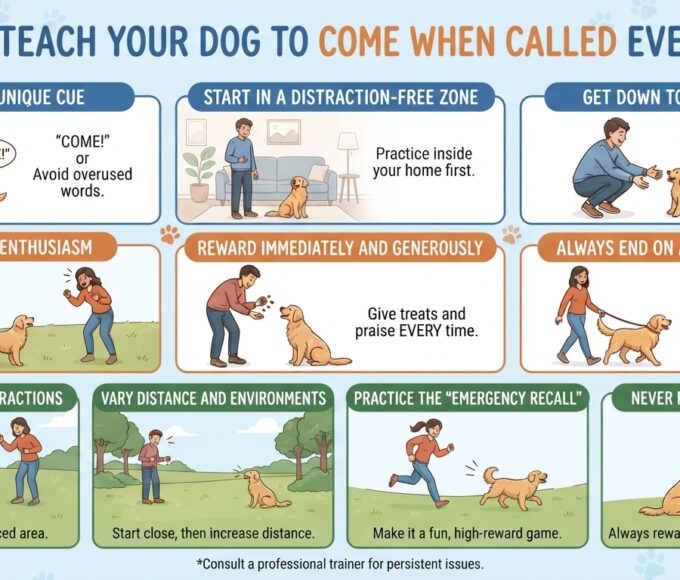
Step 1: Start indoors
Use a short distance and reward your dog generously for coming to you.
Step 2: Practice in a secure outdoor area
Introduce mild distractions while continuing to reward successful recalls.
Step 3: Use a long line
A long training line can provide freedom to explore while maintaining a physical safety connection.
Step 4: Increase distractions slowly
Practice around increasingly interesting environments rather than making a sudden jump from your living room to a busy park.
Step 5: Make coming back worthwhile
Avoid teaching your dog that recall always means the fun is over.
Sometimes call your dog, reward them, and then release them to continue exploring.
This can make returning to you a much more rewarding experience.
Electronic Collars Can Be Misused
One of the biggest concerns with e-collars isn’t simply the existence of the device. It’s how it is used.
Potential problems include:
Excessive stimulation
Using a setting that is unnecessarily intense can cause pain, fear, or distress.
Poor timing
If the stimulus occurs at the wrong moment, a dog may associate it with something unrelated to the intended behavior.
Inconsistent commands
Changing expectations from one session to another can confuse the dog.
Overuse
Repeatedly relying on electronic stimulation can create stress and may prevent the dog from understanding what behavior you actually want.
Poor collar fit
Improper positioning or prolonged wear can cause skin irritation or pressure-related injuries.
Using it to punish fear or aggression
This can be particularly risky.
A dog displaying aggression, fear, reactivity, or anxiety needs careful behavior assessment rather than simply receiving stronger corrections.
Signs Your Dog Is Uncomfortable
If you’re using any training equipment, pay attention to your dog’s body language.
Potential signs of stress or discomfort include:
- Cowering
- Trembling
- Excessive panting
- Lip licking
- Yawning in stressful situations
- Avoiding the handler
- Freezing
- Trying to escape
- Tucked tail
- Flattened ears
- Sudden reluctance to move
- Whining or vocalizing
- Repeated scratching at the collar
These behaviors shouldn’t simply be dismissed as stubbornness.
If your dog becomes distressed, stop the exercise and reassess the training approach.
Never Use an Electronic Collar to “Fix” Aggression
Aggressive behavior can have many causes, including fear, resource guarding, frustration, pain, territorial behavior, poor socialization, or learned responses.
Adding punishment without understanding the underlying cause can make some problems worse.
If your dog is growling, lunging, snapping, biting, or showing serious reactivity, seek help from a qualified veterinary behavior professional or an experienced trainer who uses evidence-based methods.
Behavior problems deserve individual assessment.
How Should Beginners Approach Training Collars?
If you’re considering an e-collar despite the concerns and alternatives, don’t begin by simply putting it on your dog and pressing buttons.
Instead:
1. Learn How the Device Works
Read the manufacturer’s instructions carefully.
Understand every setting before using it.
2. Check the Fit
The collar should be positioned according to the manufacturer’s instructions and should not be excessively tight.
Avoid leaving it on continuously.
3. Teach the Behavior First
Your dog should understand the command and desired behavior before introducing additional training signals.
4. Work With a Qualified Professional
Because timing and interpretation are so important, hands-on guidance can reduce the risk of mistakes.
Choose a trainer who can explain the reasoning behind the technique rather than simply telling you to increase the intensity.
5. Keep Training Sessions Short
Dogs generally learn better when sessions remain manageable and successful.
Several brief sessions can be more productive than one long, frustrating session.
Consider Less Aversive Alternatives
For many everyday training goals, you may not need an electronic collar at all.
Long Lines
A long line can provide distance while maintaining physical control during recall training.
Harnesses
A properly fitted harness can be useful for walking and managing pulling without applying pressure directly to the neck.
Clickers
A clicker can precisely mark the moment your dog performs the desired behavior.
Treat Pouches
Quick access to small rewards makes positive reinforcement easier during training.
Whistles
For some working and sporting situations, whistles can provide clear signals over longer distances without using electronic stimulation.
Toys
Play can be an extremely powerful reward for dogs that aren’t particularly food motivated.
Training Should Teach More Than Obedience
Good training isn’t simply about getting a dog to follow commands.
It should help your dog learn how to make appropriate choices.
Useful skills include:
- Settling calmly
- Walking politely
- Waiting at doors
- Coming when called
- Ignoring inappropriate objects
- Accepting handling
- Focusing around distractions
- Riding safely in a vehicle
- Being comfortable around everyday noises
- Responding to emergency cues
These skills can improve safety while strengthening communication between you and your dog.
Common Beginner Mistakes
Electronic collars aren’t the only place beginners make training mistakes. Several problems occur with dog training generally.
Expecting Instant Results
Training is a learning process. Dogs need repetition and gradual increases in difficulty.
Practicing Only at Home
A dog may understand “sit” in a quiet room but struggle to respond at a busy park.
Practice in different environments.
Repeating Commands
Repeatedly saying “come, come, come, COME!” can teach a dog that the first command isn’t important.
Give the cue clearly and work on making the response reliable.
Punishing the Dog After a Delayed Recall
If your dog eventually comes back after ignoring the recall, punishing them when they arrive can teach them that returning to you is unpleasant.
Reward the return and work on improving the recall separately.
Training When Everyone Is Frustrated
If either you or your dog is becoming overwhelmed, take a break.
How Long Does Dog Training Take?
There is no universal timeline.
A young, food-motivated dog may learn a simple behavior within a few sessions, while reliable behavior around major distractions can take considerably longer.
Factors that affect progress include:
- Age
- Breed tendencies
- Previous training
- Motivation
- Environment
- Distractions
- Handler consistency
- Individual temperament
- Complexity of the behavior
The goal should be reliable behavior in real-life situations, not simply performing a command perfectly in a quiet room.
Frequently Asked Questions
Are electronic collars painful?
They can produce sensations ranging from relatively mild to significantly uncomfortable or painful depending on the device and settings. It is therefore inaccurate to describe every electronic stimulation as automatically painless.
Are e-collars cruel?
There is ongoing disagreement among trainers and animal-welfare professionals about their use. Concerns include pain, fear, stress, misuse, and unintended associations. Many trainers prefer reward-based methods that don’t rely on aversive stimulation.
Can I use an e-collar to teach recall?
Reliable recall should first be developed through systematic training, rewards, and controlled practice. A long line is often a useful tool for building distance safely.
Can puppies wear electronic training collars?
Young puppies generally need foundational training, socialization, and appropriate developmental experiences rather than being rushed into aversive equipment. Consult a qualified professional before considering electronic stimulation for a young dog.
Should I use an e-collar for an aggressive dog?
Don’t use an electronic collar as a DIY solution for aggression. Aggression requires understanding the underlying cause and creating an appropriate behavior-management plan with qualified professional guidance.
Is vibration safer than stimulation?
Vibration does not necessarily mean a dog will find the collar comfortable or stress-free. Some dogs may find vibration startling or aversive. The individual dog’s response matters.
What’s the best training method for most pet dogs?
Reward-based training provides a practical foundation for teaching many household behaviors while helping dogs understand which actions earn desirable outcomes. For difficult behavior problems, individualized professional guidance is often valuable.
Final Thoughts
Electronic training collars are powerful tools, and that is precisely why beginners should approach them carefully.
The most important part of dog training isn’t the equipment around your dog’s neck. It’s your ability to communicate clearly, reward desirable behavior, manage the environment, and gradually increase the difficulty of each lesson.
For many household dogs, reward-based training combined with tools such as harnesses, long lines, clickers, treats, toys, and appropriate management can provide everything needed to build reliable skills.
If you are considering an electronic collar, take the time to understand its risks, learn your dog’s body language, and seek guidance from a qualified professional rather than experimenting with increasing levels of stimulation.
Above all, remember that successful training should build understanding, trust, safety, and cooperation—not simply produce obedience at any cost.










Leave a comment