



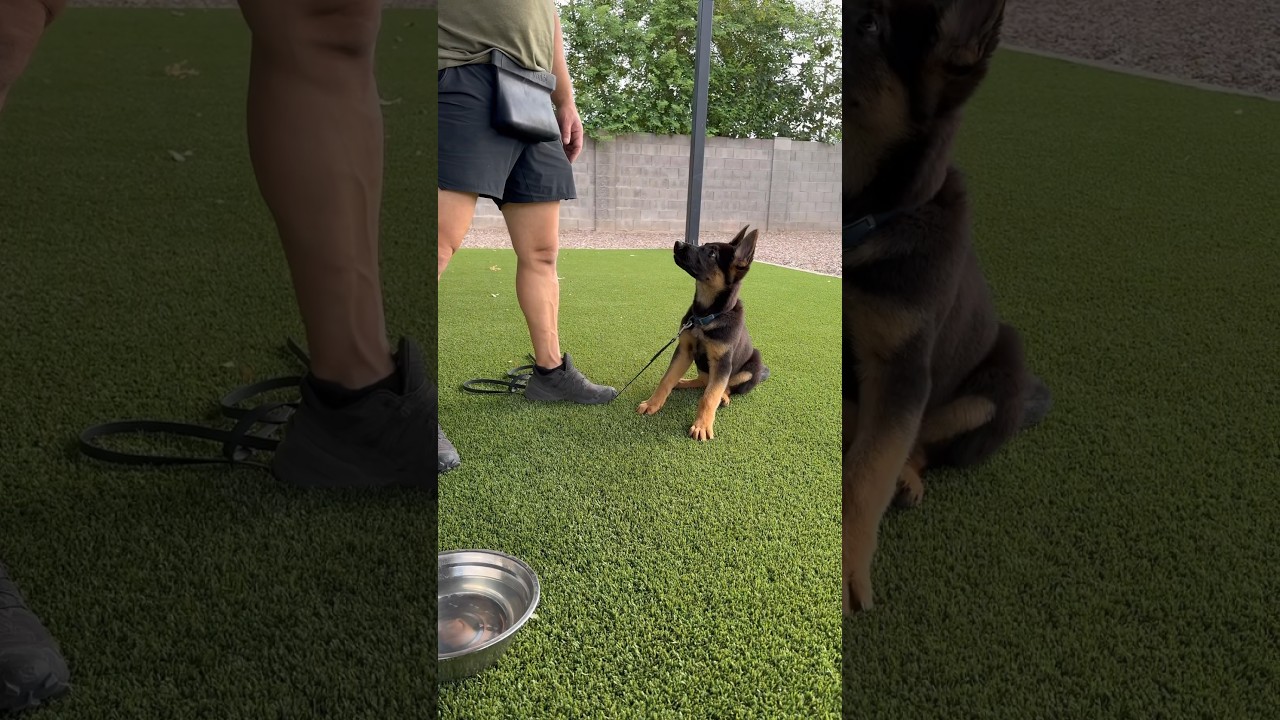



Good communication is at the heart of a strong relationship between a dog and their owner. Dogs are constantly communicating through body language, facial expressions, vocalizations, movement, and behavior. At the same time, they learn to understand our words, gestures, routines, and reactions.
Training helps connect these two forms of communication.
Some owners consider specialized training collars as part of that process, particularly when working on behaviors such as pulling, recall, or excessive barking. However, not all training collars work in the same way, and some methods can create significant welfare concerns if they rely on discomfort or punishment.
Understanding what these tools actually do—and what they cannot do—is important before deciding whether one belongs in your dog’s training plan.
What Is a Training Collar?
The term training collar can describe several different types of equipment.
Some are simply designed to provide better control during walks, while others are intended to deliver a signal or correction when a dog performs an unwanted behavior.
Examples include:
- Flat training collars
- Martingale-style collars
- Head collars
- Harnesses used for training
- Vibration collars
- Electronic collars
- Spray collars
- Prong or pinch collars
These products differ considerably in how they work and the risks associated with their use.
A collar itself does not teach a dog what to do. Training happens when the dog learns a connection between a cue, their behavior, and the consequence that follows.
Why Communication Matters More Than Equipment
A collar is only a piece of equipment.
Your dog doesn’t automatically understand why you are touching a button, changing leash pressure, or giving a verbal command. Effective training requires the dog to understand which behavior earns a desirable outcome.
For example, if you want your dog to come when called, repeatedly correcting them without teaching a reliable recall does not create the skill you want.
A better foundation is:
Cue → desired behavior → reward
Over time, the dog learns that responding to the cue produces something valuable.
That reward could be:
- Food.
- Praise.
- A favorite toy.
- Play.
- Access to something the dog wants.
- The opportunity to sniff or explore.
Electronic Collars: What Are They?
Electronic collars, sometimes called e-collars or remote training collars, can deliver different signals depending on the model.
Some devices may provide:
- Tone.
- Vibration.
- Electrical stimulation.
The electrical stimulation function is sometimes described as a correction or static stimulation. Despite marketing language that may describe these signals as harmless, electrical stimulation can cause discomfort, stress, or fear, and its welfare implications are debated.
For that reason, electronic collars should not automatically be considered a gentle or risk-free training tool.
Why Electronic Collars Are Controversial
Supporters of electronic collars argue that they can provide a remote signal during situations such as off-leash training.
Critics and animal-welfare professionals have raised concerns about pain, fear, stress, incorrect timing, and unintended associations.
One major problem is that a dog may not understand what caused the unpleasant sensation.
For example, imagine a dog receives an aversive stimulus while looking at another dog. If the timing and training are poor, the dog could potentially associate the unpleasant experience with the other dog rather than the behavior the owner intended to change.
That can complicate behavior rather than solve it.
This is one reason punishment-based training requires considerable caution.
What About Vibration Collars?
Vibration collars use a physical vibration rather than electrical stimulation.
They are sometimes marketed as a gentler alternative, but vibration is still a stimulus delivered through equipment worn on the dog’s body.
Some dogs may find vibration distracting or unpleasant, while others may barely react.
If vibration is being used to interrupt behavior, the owner should still understand what the dog is learning from the experience rather than assuming that the absence of electrical stimulation automatically makes the method harmless.
For many training goals, a verbal cue, hand signal, food reward, or environmental management strategy can accomplish the same communication without relying on an aversive stimulus.
What About Spray Collars?
Spray collars release a substance when the collar detects barking or when activated remotely.
The original idea is to interrupt barking by introducing an unexpected scent or sensation.
However, automatic interruption doesn’t necessarily teach the dog why the behavior is undesirable or what they should do instead.
For barking problems, it is generally more useful to identify the underlying reason for the barking.
A dog might bark because of:
- Fear.
- Territorial behavior.
- Excitement.
- Frustration.
- Boredom.
- Attention seeking.
- Separation-related distress.
- Environmental triggers.
- Pain or another health problem.
Addressing the underlying cause is more likely to produce lasting improvement than simply suppressing the noise.
A Training Collar Should Never Replace Training
This is one of the most important points for owners to understand.
No collar can replace:
- Consistent practice.
- Clear communication.
- Appropriate rewards.
- Socialization.
- Environmental management.
- Exercise.
- Mental enrichment.
- Patience.
If a dog doesn’t understand a command, increasing the intensity of a correction doesn’t necessarily teach the command.
The dog first needs to learn what behavior you’re asking for.
Positive Reinforcement Builds Useful Communication
Positive reinforcement means increasing a behavior by providing something desirable after the behavior occurs.
For example:
- You say, “Sit.”
- Your dog sits.
- You immediately provide a reward.
- The dog learns that sitting after the cue produces something valuable.
Repeated consistently, this helps establish a clear communication system.
Positive reinforcement doesn’t mean allowing a dog to do whatever they want. Owners can still establish boundaries and prevent unwanted behaviors through management and appropriate training.
The difference is that the dog is taught what behavior is wanted rather than relying primarily on fear or discomfort to suppress unwanted behavior.
Use Rewards That Matter to Your Dog
Not every dog is motivated by the same reward.
One dog may work enthusiastically for small pieces of food, while another may prefer a toy, praise, or access to an outdoor activity.
Try to identify what your dog values.
Rewards can include:
- Small treats.
- Favorite toys.
- Tug games.
- Fetch.
- Praise.
- Petting, if your dog enjoys it.
- Access to sniffing or exploring.
The reward should be appropriate for the behavior and delivered close enough to the behavior that the dog can make the connection.
Body Language Is Part of the Conversation
Your dog is constantly reading you.
The way you stand, move, look, speak, and handle the leash can influence how your dog responds.
Likewise, learning your dog’s body language can help you recognize when they are:
- Relaxed.
- Excited.
- Nervous.
- Frightened.
- Frustrated.
- Overstimulated.
- Uncomfortable.
Signs such as lip licking, yawning, turning away, tucked tails, stiff posture, pinned ears, pacing, or attempts to retreat can sometimes indicate stress.
Understanding these signals allows you to change the situation before the dog becomes overwhelmed.
Timing Is One of the Most Important Parts of Training
Dogs learn from consequences that occur close to their behavior.
If you wait too long to reward a behavior, your dog may not understand what earned the reward.
The same problem can occur with corrections.
Poor timing can cause a dog to associate a consequence with the wrong behavior, person, animal, or environmental event.
Clear timing makes communication much easier.
What If Your Dog Pulls on the Leash?
Leash pulling is a common reason owners consider specialized training equipment.
Instead of immediately looking for a stronger correction, start by teaching the dog what behavior you want.
You can reward:
- Walking beside you.
- Checking in with you.
- Choosing a loose leash.
- Stopping when you stop.
- Returning attention to you after seeing a distraction.
A properly fitted harness may also provide a useful management option for some dogs.
The goal isn’t simply to stop pulling—it is to teach the dog how you want them to walk.
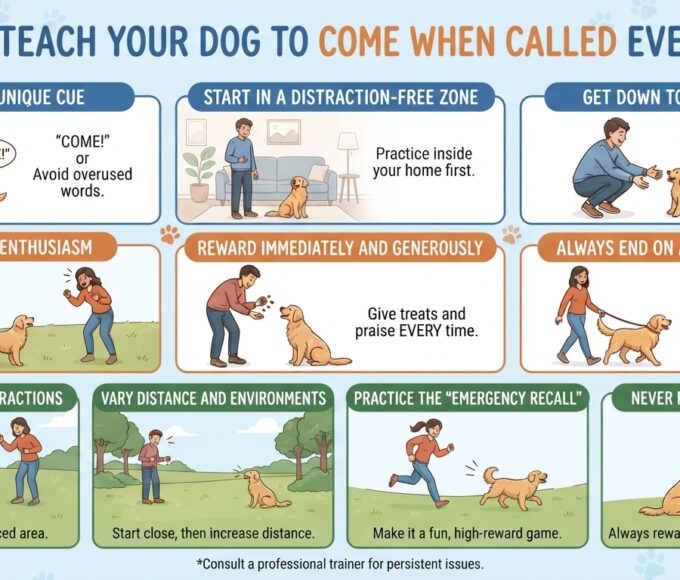
What If Your Dog Has a Recall Problem?
Recall training is particularly important because it can protect a dog from dangerous situations.
Start in a controlled environment with minimal distractions.
Use a long line where appropriate and safe, and make returning to you highly rewarding.
Gradually increase distractions as your dog becomes more reliable.
Never repeatedly call your dog for something unpleasant and expect the recall to remain exciting.
For serious recall problems, professional training can be extremely valuable.
Training for Barking Problems
A barking dog isn’t necessarily a disobedient dog.
Before attempting to stop barking, identify the trigger.
Ask:
- What happens immediately before the barking?
- Is the dog looking through a window?
- Does barking occur when the dog is alone?
- Does it happen around unfamiliar people?
- Does the dog bark during play?
- Is there a specific sound that triggers it?
- Has the behavior recently changed?
Sudden or unusual vocalization can sometimes be associated with pain, illness, anxiety, or another underlying issue.
A veterinarian or qualified behavior professional can help when the cause isn’t obvious.
Avoid Using Training Equipment to Address Aggression Without Professional Help
Aggression, fear, severe reactivity, and resource guarding can be complicated behaviors.
Attempting to handle them with increasingly strong corrections can make the situation worse in some dogs, particularly if fear or anxiety is involved.
If your dog growls, snaps, lunges, or bites, prioritize safety and seek guidance from a qualified veterinary behavior professional or appropriately experienced trainer.
Do not deliberately expose your dog to frightening situations simply to test whether a collar will stop the reaction.
How to Choose Training Equipment
Before buying any training collar or device, consider the actual problem you’re trying to solve.
Ask yourself:
What behavior am I trying to teach?
If you haven’t clearly defined the desired behavior, equipment won’t solve the communication problem.
Can I teach this with rewards and management?
Many everyday behaviors can be improved without aversive equipment.
Does the equipment fit correctly?
A poorly fitted collar can cause discomfort or injury.
Does my dog show signs of stress?
If your dog becomes fearful, shuts down, avoids you, or displays increased anxiety, stop and reassess the training approach.
Do I need professional assistance?
For complex behavior problems, professional guidance is often more useful than experimenting with equipment yourself.
Safer Alternatives to Consider
Depending on the training goal, owners may find useful alternatives such as:
- Flat collars for identification and ordinary walking.
- Front-clip or appropriately fitted harnesses.
- Long lines for recall practice.
- Treat pouches.
- Clickers or verbal markers.
- Puzzle feeders.
- Target-training tools.
- Environmental barriers.
- Baby gates.
- Reward-based training plans.
The right tool depends on the dog and the behavior being addressed.
Signs Your Training Approach Needs to Change
Pay attention to your dog’s emotional response during training.
Potential warning signs include:
- Hiding.
- Trembling.
- Avoiding the handler.
- Excessive lip licking.
- Repeated yawning in stressful contexts.
- Cowering.
- Sudden freezing.
- Increased reactivity.
- Attempts to escape.
- Growling or snapping.
- Refusing previously valued rewards.
These signs don’t necessarily identify one specific cause, but they are reasons to stop and reassess what the dog is experiencing.
Common Training Collar Mistakes
Using the collar without teaching the behavior
A correction doesn’t explain what you want the dog to do instead.
Increasing intensity because the dog isn’t responding
More intensity is not a substitute for clearer training.
Using equipment as punishment
Training tools should never become an outlet for frustration.
Ignoring the dog’s emotional state
A dog that appears obedient but is frightened isn’t necessarily experiencing successful training.
Leaving electronic equipment on unnecessarily
Specialized collars should not be treated as everyday accessories, and owners should follow the manufacturer’s safety guidance.
Using equipment to address a medical problem
Sudden behavior changes should be evaluated appropriately rather than assuming the dog simply needs stricter training.
Frequently Asked Questions
Are electronic training collars safe for dogs?
Electronic collars are not automatically harmless. Electrical stimulation can cause discomfort or distress, and improper use can create fear or unintended associations. Owners should carefully consider less-aversive alternatives and seek qualified professional guidance for difficult training problems.
Is a vibration collar better than a shock collar?
Vibration and electrical stimulation are different, but vibration isn’t automatically appropriate for every dog. Some dogs find vibration unpleasant or stressful. The suitability of any training method depends on the individual dog and the training goal.
Can a training collar teach my dog obedience?
Equipment alone does not teach obedience. Dogs need clear cues, consistent practice, appropriate reinforcement, and an environment where they can successfully learn.
Should I use a training collar for an aggressive dog?
Aggression should not be treated as a simple obedience problem. If your dog shows serious aggression or reactivity, seek help from a qualified behavior professional rather than experimenting with increasingly aversive equipment.
Can I train my dog without a training collar?
Yes. Many dogs can learn excellent manners and reliable behaviors using rewards, clear communication, management, and consistent practice. Harnesses, long lines, treats, toys, clickers, and other non-aversive tools can support training.
What should I do if my dog’s behavior suddenly changes?
A sudden behavior change can sometimes be related to pain, illness, fear, stress, or environmental changes. Speak with your veterinarian, particularly if the change is significant or accompanied by other symptoms.
Final Thoughts
Training is ultimately about communication, not equipment.
A collar may help manage a dog safely during certain situations, but the most effective communication comes from teaching your dog what you want, rewarding appropriate behavior, understanding their body language, and creating consistent expectations.
Electronic and other aversive training collars deserve particular caution because they can introduce discomfort, fear, or unintended associations. They should not be treated as automatically safe simply because a product is marketed as a training aid.
For many everyday training goals, a properly fitted harness or collar combined with positive reinforcement, clear cues, patience, and consistent practice can provide an effective foundation.
And when a behavior problem is complicated—especially fear, aggression, severe anxiety, or reactivity—the most valuable “training tool” may be guidance from a qualified professional who can identify why the behavior is happening and create a plan that protects both the dog’s welfare and the owner’s safety.
This Article Was Generated By AI.









Leave a comment