





When a person disappears in the wilderness, becomes trapped after a disaster, or needs to be located in difficult terrain, every minute can matter.
Search-and-rescue dogs can play an extraordinary role in these situations.
Using their powerful sense of smell, physical abilities, curiosity, endurance, and specialized training, working dogs can search areas that would be extremely difficult for humans to cover alone.
But there isn’t one universally “best” search-and-rescue breed.
Different missions require different abilities. A dog trained for avalanche searches may have different physical and behavioral requirements from one working in a collapsed building, tracking a missing person through woodland, or searching around water.
Breed provides a foundation, but the individual dog’s health, temperament, motivation, environmental confidence, and training are equally important.
Here are 11 breeds that have characteristics that can make them suitable for various search-and-rescue roles.
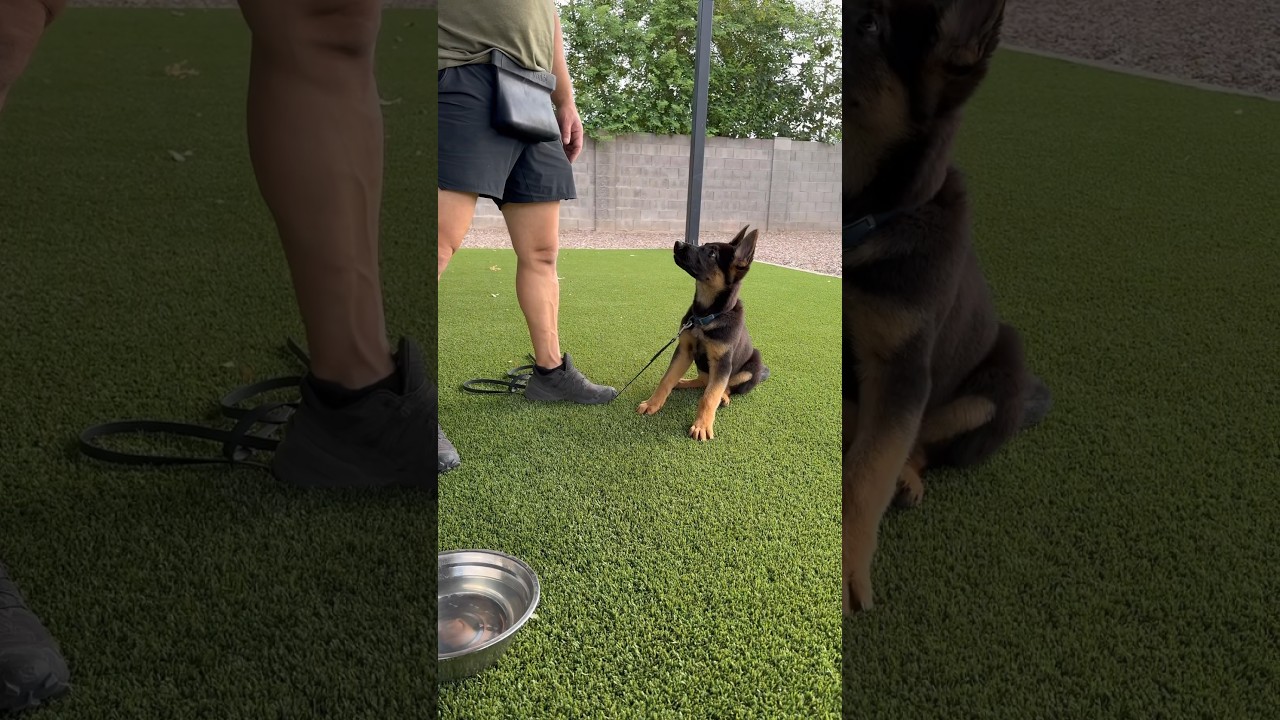
1. German Shepherd
The German Shepherd is one of the most recognizable working dog breeds in the world.
Their combination of intelligence, athleticism, trainability, endurance, and willingness to work has made them useful in many demanding roles, including search and rescue.
German Shepherds can be trained for different types of scent-based searches and are capable of working across challenging environments.
Why they can excel in SAR work
- Strong learning ability
- Good physical endurance
- Excellent handler focus
- Versatility across different tasks
- Strong motivation to work
- Ability to navigate difficult terrain
Their size and athletic build can also help them tackle obstacles that may be difficult for smaller dogs.
However, successful working dogs aren’t selected simply because they belong to the breed. A search-and-rescue candidate needs the right individual temperament and must be carefully trained.
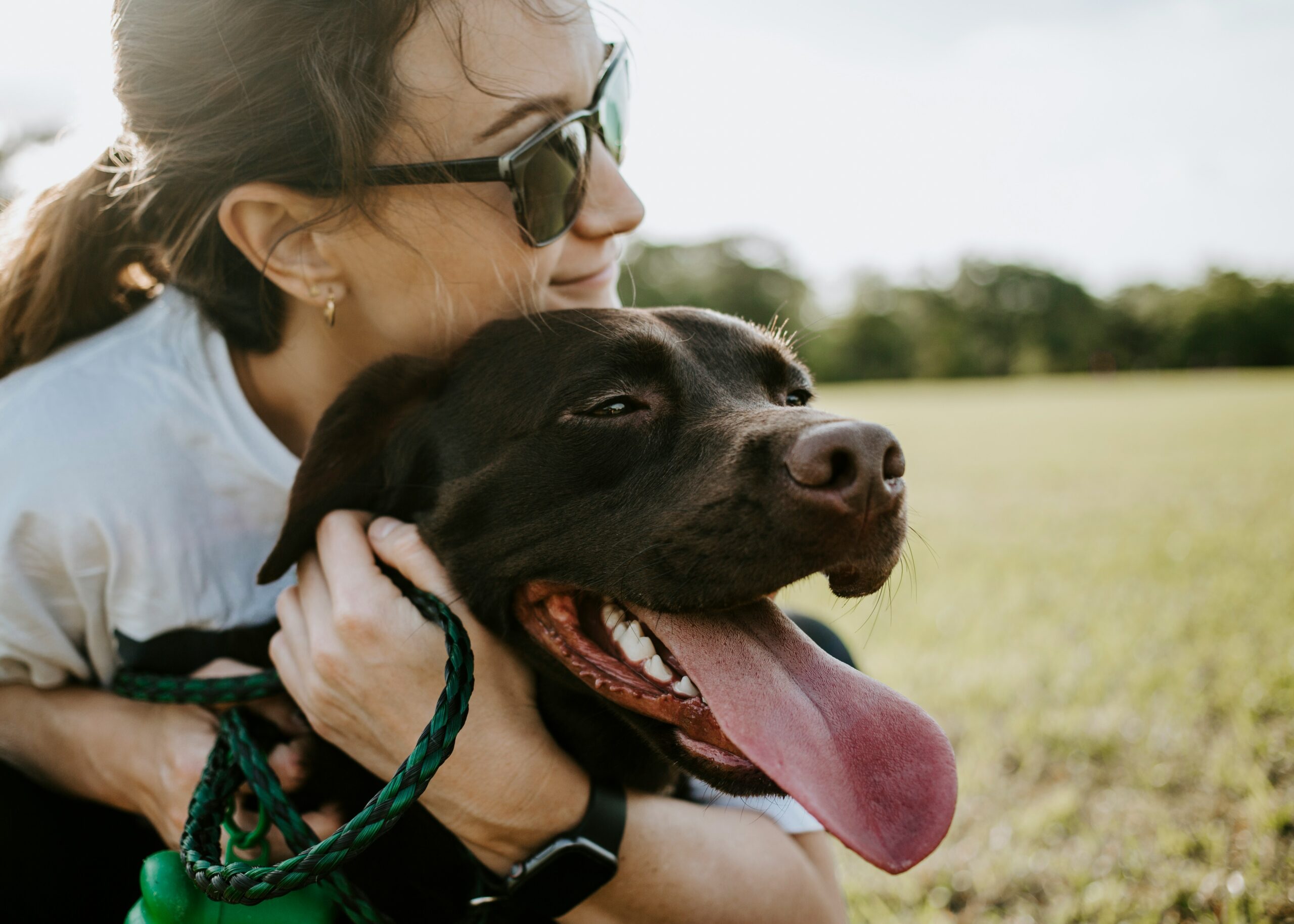
2. Labrador Retriever
Labrador Retrievers are famous family dogs, but their working history is equally impressive.
Originally developed as retrieving and working dogs, Labradors often combine enthusiasm, trainability, stamina, and a strong interest in using their noses.
These characteristics can be valuable during search operations.
Labradors can be trained for tasks involving land searches, disaster environments, and other scent-detection work.
Their relationship with water is another advantage in appropriate roles. Many Labradors are natural swimmers and enjoy retrieving objects from water.
What makes Labs useful
Their generally social nature can also be helpful around strangers, crowds, and rescue personnel.
A well-trained Labrador can work intensely without being unnecessarily distracted by the people around it.
3. Belgian Malinois
The Belgian Malinois has become highly respected for demanding working roles.
This athletic breed is known for its energy, responsiveness, agility, and strong motivation to perform tasks.
Those characteristics can translate well to search-and-rescue training.
A Belgian Malinois may be capable of navigating difficult terrain quickly while remaining highly responsive to its handler.
Their strengths include:
- Agility
- Endurance
- Fast learning
- Strong work drive
- Handler responsiveness
- Confidence in challenging environments
However, the same qualities that make a Malinois an excellent working dog can make it demanding as a household companion.
These dogs typically need substantial physical activity, mental stimulation, and structured training.
4. Bloodhound
When scent tracking is the primary objective, the Bloodhound is particularly famous.
This breed was developed for scent-based tracking and has an extraordinary ability to investigate and follow human scent trails.
Bloodhounds have long been associated with tracking missing people and other scent-related work.
They aren’t necessarily the fastest dogs on this list.
Their strength lies elsewhere.
Their tracking ability
A trained Bloodhound can focus intensely on a scent trail and work methodically through an environment.
They may be useful when the mission involves determining where a person traveled rather than simply locating a person within a defined search area.
Their loose skin, long ears, and distinctive appearance are famous, but it is their specialized scenting ability that makes them particularly interesting to search teams.
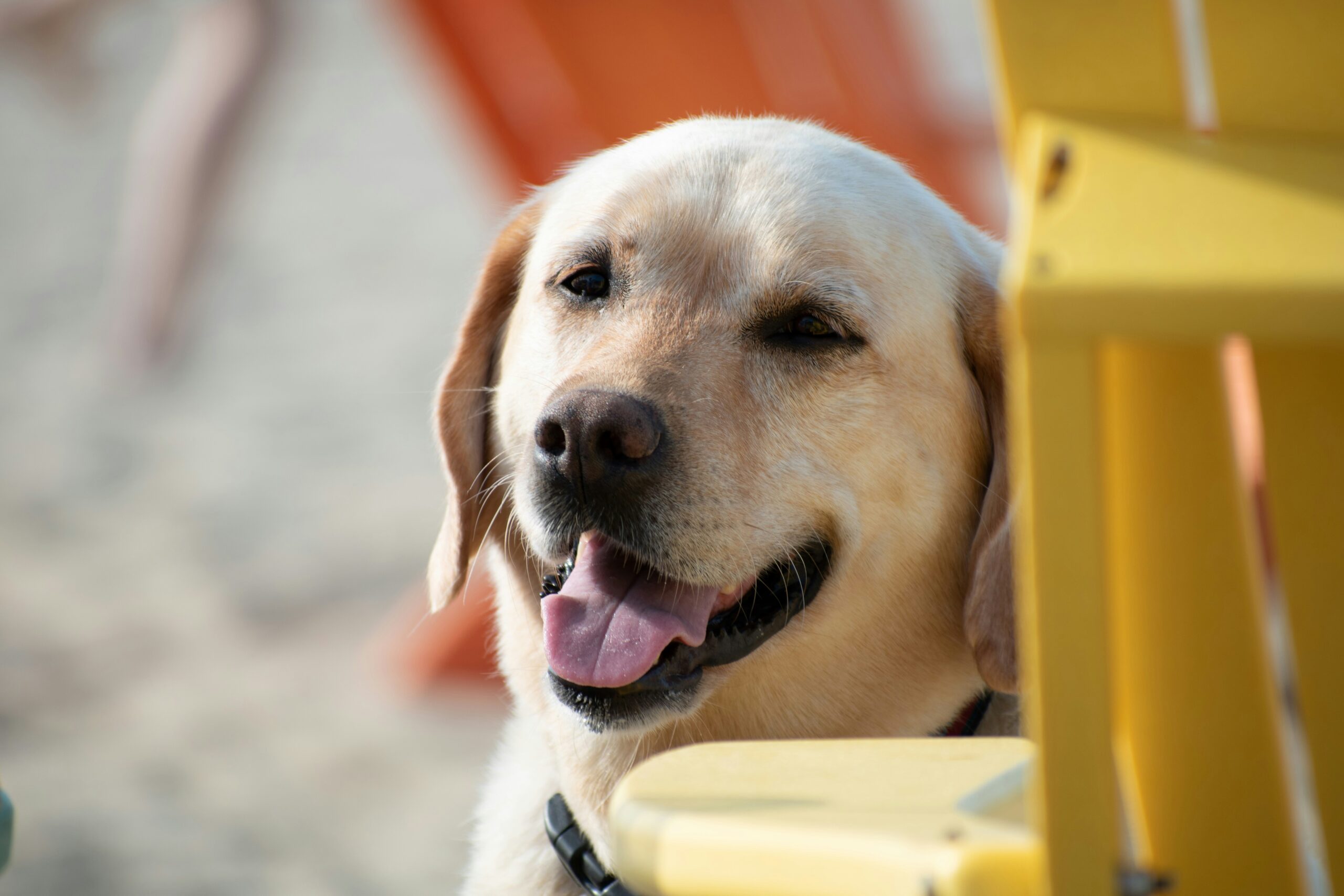
5. Golden Retriever
Golden Retrievers combine athletic ability with a highly cooperative temperament.
Their willingness to work with people and their trainability have made them useful in a variety of assistance and detection roles.
In search-and-rescue work, Goldens may be trained for land or other specialized searches depending on the organization and individual dog’s abilities.
Their enthusiasm can be a major advantage during long training sessions.
Potential strengths
- Trainability
- Endurance
- Strong human connection
- Good scenting ability
- Retrieving instincts
- Adaptability
Their friendly temperament can also make them comfortable interacting with rescue personnel and members of the public.
6. Border Collie
Border Collies are often associated with intelligence and exceptional working ability.
Originally developed to manage livestock, they are highly responsive to human direction and capable of learning complicated behaviors.
Those qualities can be valuable in search-and-rescue environments where a dog must work independently while remaining responsive to its handler.
Their athleticism is another advantage.
Border Collies can move quickly across uneven terrain and maintain concentration during demanding activities.
A potential challenge
Their intelligence also means they need meaningful mental stimulation.
A Border Collie without enough appropriate activity can become frustrated or develop unwanted behaviors.
For professional SAR work, the individual dog’s focus, environmental confidence, scenting ability, and motivation matter far more than intelligence alone.
7. German Shorthaired Pointer
The German Shorthaired Pointer is an athletic hunting breed with a strong history of working alongside humans.
Its stamina, enthusiasm, scenting ability, and ability to cover ground can make it suitable for certain search assignments.
These dogs are particularly well suited to people who appreciate active working breeds.
In an appropriate search environment, their athleticism allows them to investigate large areas efficiently.
Why they may be useful
- High stamina
- Strong scenting instincts
- Athletic build
- Willingness to work
- Ability to cover large areas
- Versatility
Their high energy level is also something handlers must manage carefully.
A working dog needs conditioning, rest, hydration, and appropriate veterinary care to remain healthy.
8. Saint Bernard
Saint Bernards have one of the most famous rescue histories of any dog breed.
They became associated with rescuing travelers in the Swiss Alps, particularly through the work of monks at the Great St Bernard Pass.
Their size, strength, and ability to function in snowy environments contributed to their historic role.
However, the popular image of the Saint Bernard carrying a tiny barrel around its neck is largely a cultural symbol rather than an accurate description of routine rescue equipment.
Modern avalanche rescue operations typically rely on highly specialized dogs and equipment.
Where Saint Bernards fit historically
Their rescue legacy remains important because it demonstrates how dogs have long been partners in human survival efforts.
Today, other breeds are commonly preferred for many operational search roles because of their speed, agility, endurance, and practical working characteristics.
9. Australian Shepherd
Australian Shepherds are energetic, intelligent working dogs that can thrive when given purposeful tasks.
Their herding background required them to pay close attention to people, livestock, movement, and environmental changes.
These characteristics can transfer well to certain detection and search activities.
An Australian Shepherd with the right temperament may enjoy learning complex tasks and working alongside a handler.
Their potential advantages
- High trainability
- Athleticism
- Strong work ethic
- Environmental awareness
- Problem-solving ability
- Handler responsiveness
Like Border Collies, they need more than occasional exercise.
Their mental needs can be substantial, particularly when they are expected to perform demanding working tasks.
10. Newfoundland
The Newfoundland has a special place in water-rescue history.
These large dogs were developed as working companions for fishermen and are renowned for their swimming ability and strength.
Their large bodies, webbed feet, water-resistant coats, and powerful swimming strokes make them naturally suited to aquatic environments.
Some Newfoundlands have been trained in water-rescue activities.
Why they stand out around water
- Strong swimming ability
- Excellent strength
- Water-loving temperament
- Endurance
- Ability to assist with certain water-rescue tasks
Despite their strength, water rescue is extremely demanding and should only be performed by appropriately trained dogs and handlers.
Their thick coats can also make them vulnerable to overheating in hot conditions.
11. Doberman Pinscher
Doberman Pinschers are athletic, intelligent, alert, and strongly bonded to their handlers.
These qualities have made the breed useful in a variety of working roles.
A properly selected and trained Doberman may be capable of learning scent-based search tasks and navigating demanding environments.
Their speed and athleticism can be advantageous in situations where a search dog needs to cover ground efficiently.
Important considerations
Dobermans can be sensitive and highly responsive to their environment.
Successful training therefore requires careful socialization, appropriate motivation, consistency, and positive working relationships.
As with every breed on this list, the individual dog matters more than the label.
What Makes a Good Search-and-Rescue Dog?
Breed is only one piece of the puzzle.
Professional search-and-rescue organizations typically look for dogs with specific characteristics rather than simply choosing dogs from a particular breed.
Important qualities can include:
Strong motivation
A search dog needs a reason to keep working.
Food, toys, praise, or another reward can provide motivation during training.
Excellent scenting ability
Different SAR disciplines use different scent strategies, but a dog’s nose is one of its most valuable tools.
Confidence
A search dog may encounter rubble, unstable surfaces, darkness, crowds, vehicles, water, forests, or unusual sounds.
A dog that becomes overwhelmed by every new environment may struggle during operational work.
Physical fitness
Searches can involve steep terrain, long distances, heat, cold, mud, water, and obstacles.
The dog must be physically prepared for its particular role.
Independence
Handlers need to communicate with their dogs, but search dogs may need to investigate areas without being physically guided through every step.
Handler focus
The dog must also be able to return attention to its handler when needed.
Different Search-and-Rescue Dogs Have Different Jobs
“Search and rescue” isn’t one single activity.
A team may train dogs for different specialties.
Wilderness searches
These operations may involve locating people in forests, mountains, fields, or other large outdoor areas.
Human-remains detection
Specially trained dogs can be taught to locate scents associated with human remains.
Disaster searches
Some dogs are trained to search collapsed structures or other disaster environments.
Avalanche searches
Dogs can be trained to locate people buried beneath snow.
Water-related searches
Certain dogs are trained for specialized aquatic search or rescue roles.
The ideal dog for one assignment isn’t necessarily ideal for another.
How Search-and-Rescue Dogs Are Trained
Training usually begins with building a strong association between searching and receiving a reward.
For example, a dog may learn that locating a particular scent or person leads to a favorite toy or another highly valued reward.
Over time, the training environment becomes progressively more complicated.
Dogs may learn to work around:
- Noise
- Crowds
- Vehicles
- Uneven surfaces
- Buildings
- Forests
- Water
- Weather changes
- Other working teams
The handler also undergoes extensive training.
Search-and-rescue success depends on the partnership between the dog and human rather than the dog working alone.
Search Dogs Need More Than a Good Nose
A powerful sense of smell isn’t enough.
Imagine a dog that can detect a scent but refuses to cross a noisy road, becomes frightened by unstable rubble, overheats quickly, or loses motivation after a short search.
That dog may not be suitable for a particular operational role.
This is why working organizations evaluate multiple characteristics, including temperament, physical ability, trainability, motivation, environmental confidence, and recovery from stress.
Frequently Asked Questions
What breed is most commonly associated with search and rescue?
Several breeds are associated with SAR work, including German Shepherds, Labrador Retrievers, Belgian Malinois, Golden Retrievers, and Bloodhounds. The most suitable breed depends on the type of search and the individual dog’s abilities.
Are Bloodhounds good search-and-rescue dogs?
Bloodhounds are particularly well known for scent tracking. Their ability to follow human scent trails can make them valuable for certain tracking assignments.
Can any dog become a search-and-rescue dog?
Not necessarily. A dog needs the appropriate temperament, health, motivation, physical ability, and trainability. Breed can influence tendencies, but individual suitability is crucial.
Are Saint Bernards still used for mountain rescue?
Saint Bernards have a famous historical connection to alpine rescue. Modern professional avalanche and mountain search teams often use more agile breeds that are well suited to contemporary operational requirements.
Can family dogs become search-and-rescue dogs?
Some dogs with suitable traits may be candidates for volunteer or professional training, but SAR work requires extensive specialized training. Being obedient at home is not enough.
Do search-and-rescue dogs work alone?
They work as part of a team. The handler directs and supports the dog, while the dog uses its specialized abilities to search the environment.
Final Thoughts
Search-and-rescue dogs demonstrate just how extraordinary the human-dog partnership can become.
A dog that loves playing with a toy can potentially learn to use that same motivation during a life-saving search.
A breed developed for herding may use its focus and athleticism in wilderness work.
A hunting dog may turn its natural scenting abilities toward locating people.
And a Newfoundland’s relationship with water can become part of specialized rescue training.
But the true hero isn’t simply a particular breed.
It is the combination of the right individual dog, specialized training, physical preparation, skilled handling, and a dedicated rescue team.
When those pieces come together, dogs can perform remarkable work in some of the most challenging environments imaginable.




Leave a comment