



Adopting a dog can change much more than the number of paws running around your home.
A new dog can introduce routines, responsibilities, companionship, exercise, unexpected challenges, and plenty of memorable moments into everyday life. At the same time, adoption gives an animal the opportunity to leave a shelter, foster home, or difficult past behind and become part of a family.
The experience isn’t always effortless. Dogs have different personalities, energy levels, backgrounds, and needs, and responsible ownership requires time, patience, and financial commitment.
But when the match is right, sharing your life with a dog can have a meaningful influence on your daily routine and the way you experience the world.
Here are nine ways adopting a dog may change your life.
1. You May Become More Physically Active
Dogs need regular opportunities to move, explore, play, and relieve themselves.
That can naturally encourage their owners to become more active too.
Instead of spending an entire evening indoors, you may find yourself taking daily walks, playing fetch, exploring a park, or simply spending more time outside.
The amount of exercise depends on the dog’s age, breed, health, temperament, and individual needs. A young, energetic dog may require considerably more activity than a senior companion.
Your own lifestyle can change as a result.
A short walk around the neighborhood can become part of your daily routine, while weekends may include longer walks, hikes, or other dog-friendly activities.
The important thing is that exercise should be appropriate for both you and your dog.
2. Your Home May Feel Less Lonely
One of the biggest changes many dog owners notice is having another living being around.
A dog can greet you when you come home, follow you around the house, sit beside you while you work, or simply sleep nearby while you relax.
That companionship can be especially meaningful for people who spend a lot of time alone.
Dogs aren’t a replacement for human relationships or professional mental-health care, but having a companion can provide opportunities for connection, affection, and daily interaction.
Even ordinary moments can feel different when another personality is sharing them with you.
3. You’ll Learn Patience and Responsibility
Adopting a dog isn’t just about receiving affection.
You’re also taking responsibility for another living being.
Your dog depends on you for:
- Food and fresh water
- Exercise
- Veterinary care
- Grooming
- Training
- Safe shelter
- Mental enrichment
- Identification and safety
- Consistent daily care
There will also be moments that test your patience.
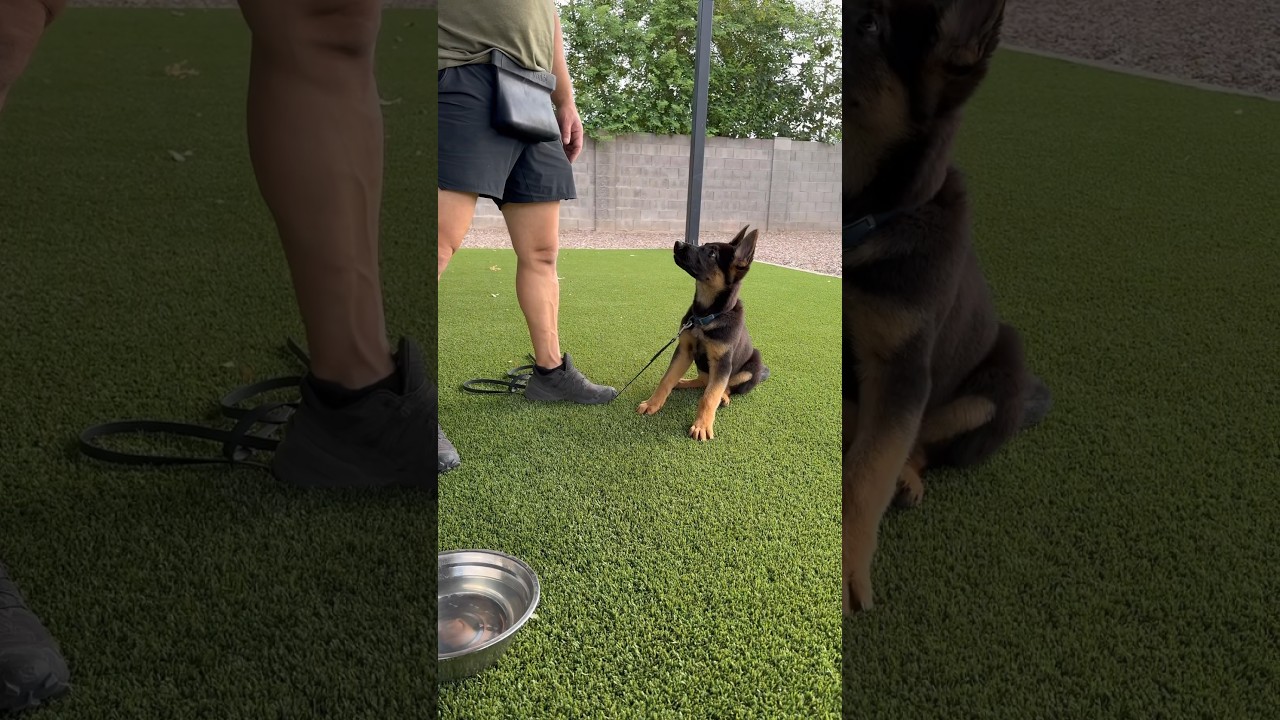
A newly adopted dog might have accidents, chew something inappropriate, bark at unfamiliar sounds, struggle with leash walking, or need time to become comfortable in a new environment.
Working through these challenges can teach you to slow down, adjust your expectations, and communicate more clearly.
4. You Could Meet More People
Dogs can create natural opportunities for social interaction.
A simple walk may lead to a conversation with another dog owner. Training classes can introduce you to people working on similar skills. Dog-friendly parks and community events can also create opportunities to meet other pet lovers.
Not every dog enjoys busy social environments, so you shouldn’t force your dog into situations they find uncomfortable.
But when your dog is comfortable, having a canine companion can make everyday outings more social.
Over time, those small interactions may turn into friendships, local connections, or a helpful network of fellow dog owners.
5. Your Daily Routine May Become More Structured
Dogs generally benefit from predictable routines.
Meals, bathroom breaks, walks, training, playtime, grooming, and rest all have to fit into your schedule.
That means adopting a dog can encourage you to organize your day around consistent responsibilities.
For some people, this structure can be helpful.
You may start waking up at a more regular time because your dog needs to go outside. You may take breaks from your computer because it’s time for a walk. You may also discover that evenings naturally include a period of play or relaxation with your dog.
Your schedule will need some flexibility, but having regular responsibilities can give ordinary days a stronger rhythm.
6. You’ll Have More Reasons to Take Breaks and Enjoy the Moment
Life can become surprisingly repetitive when work, school, errands, and household responsibilities take up most of the day.
A dog can interrupt that routine in small but meaningful ways.
Maybe your dog brings you a toy while you’re working. Perhaps they want to explore the garden. They might stop during a walk to investigate an interesting smell.
These moments encourage you to step away from whatever you’re doing and pay attention to what’s happening around you.
A dog can also provide plenty of entertainment.
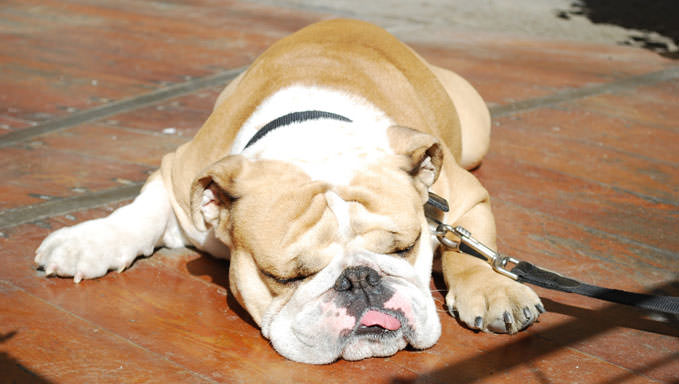
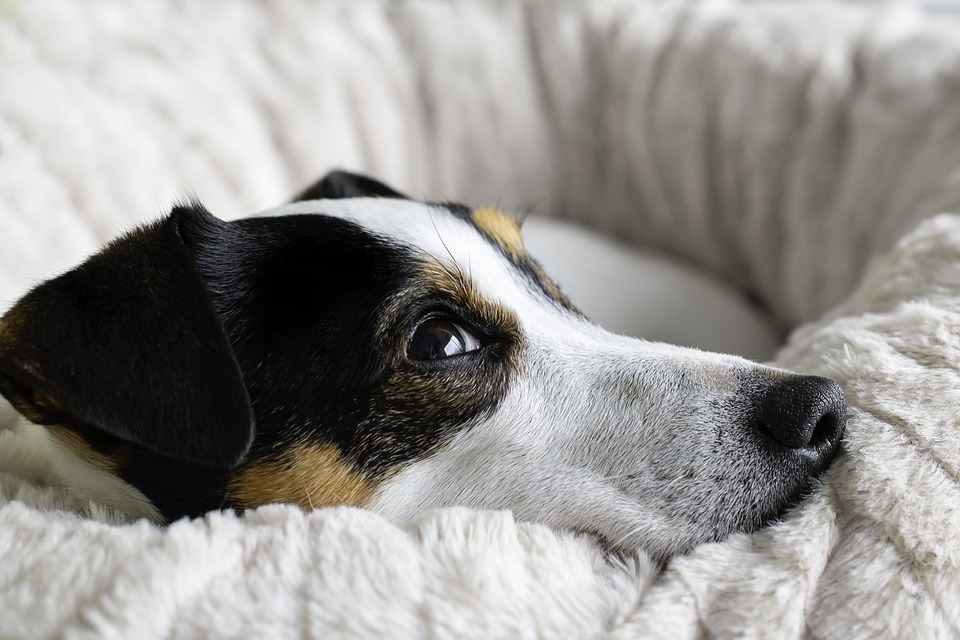
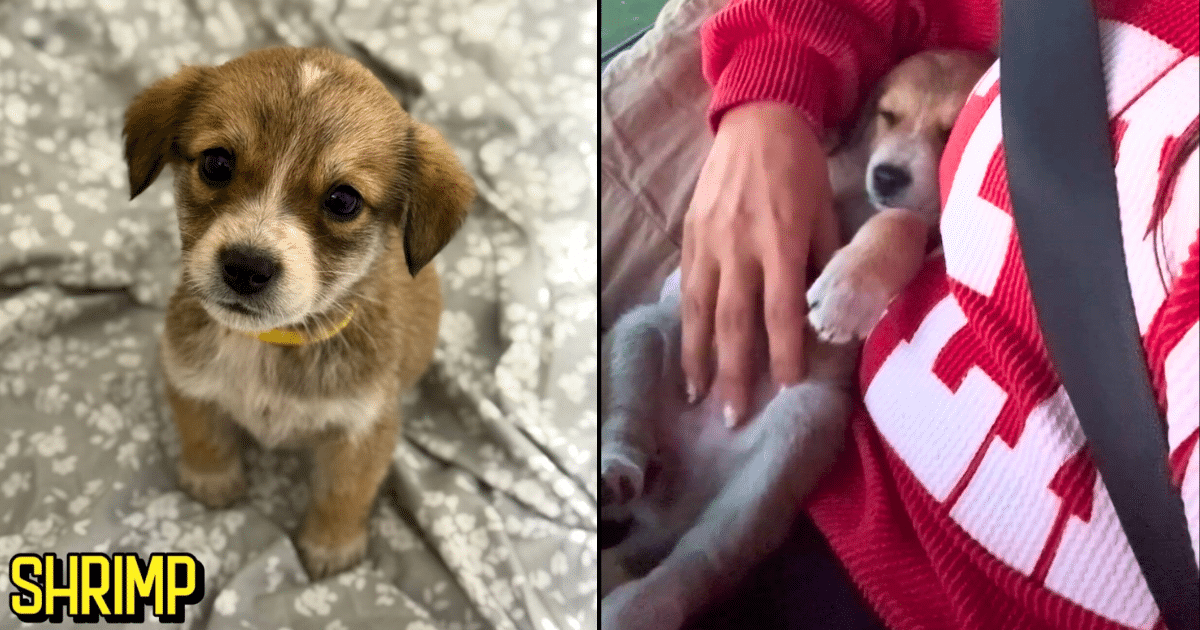
Their unusual sleeping positions, funny habits, enthusiastic greetings, and curious reactions can turn ordinary moments into memories.
7. You May Feel More Secure at Home
Some dogs are naturally alert to unfamiliar sounds and activity around the home.
A bark when someone approaches the door or an alert response to an unusual noise can make owners more aware of what’s happening around them.
However, dogs shouldn’t be treated as guaranteed security systems.
Breed, temperament, training, socialization, and individual personality all influence how a dog responds to strangers or unusual situations. Some dogs are highly alert, while others may happily greet almost anyone.
Even a small dog can make noise when something catches their attention, but that doesn’t necessarily mean they can protect you from danger.
Their presence may simply provide an additional sense of companionship and awareness.
8. You’ll Discover New Places and Activities
A dog can make familiar routines feel like opportunities for exploration.
You might discover a new walking trail because your dog enjoys sniffing and exploring. You may visit a dog-friendly park you’ve never tried before or plan a road trip around places where your companion can join you.
Depending on your dog’s abilities and interests, you could also explore activities such as:
- Hiking
- Swimming
- Scent games
- Obedience training
- Agility
- Fetch
- Camping
- Dog-friendly walks
- Outdoor training games
Not every dog needs or wants the same activities.
An older dog may prefer leisurely walks, while an energetic young dog might enjoy more demanding games.
The goal is to find experiences that suit your dog’s physical abilities and personality.
9. You’ll Experience a Unique Human-Dog Bond
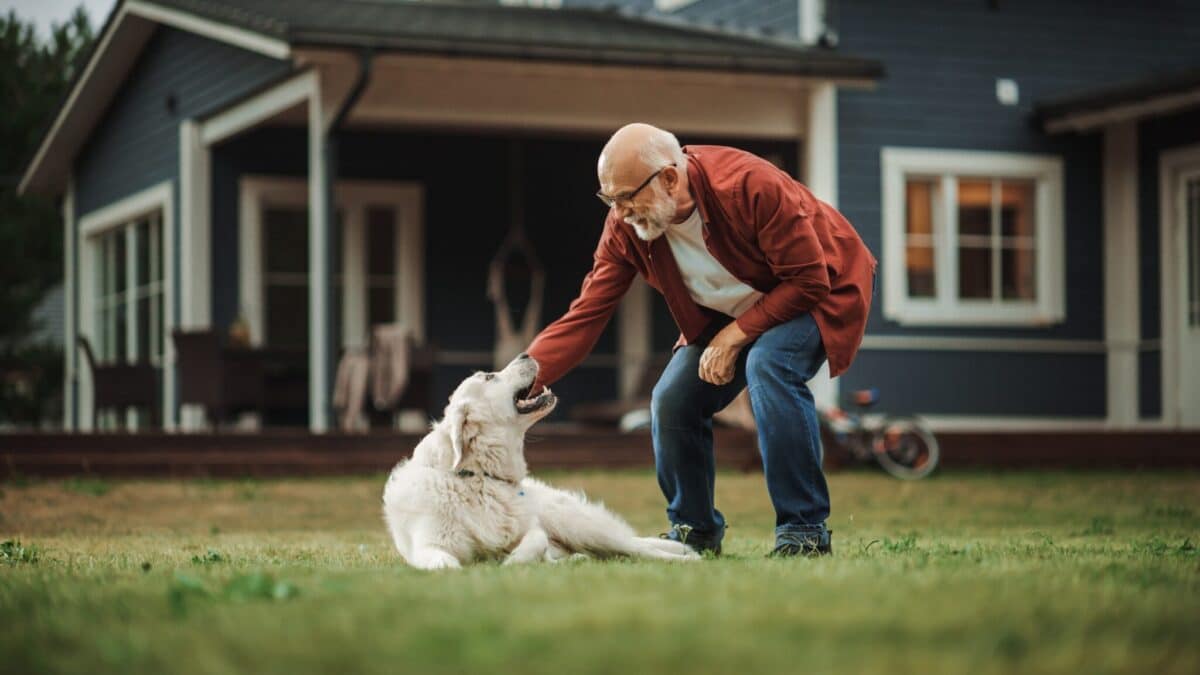
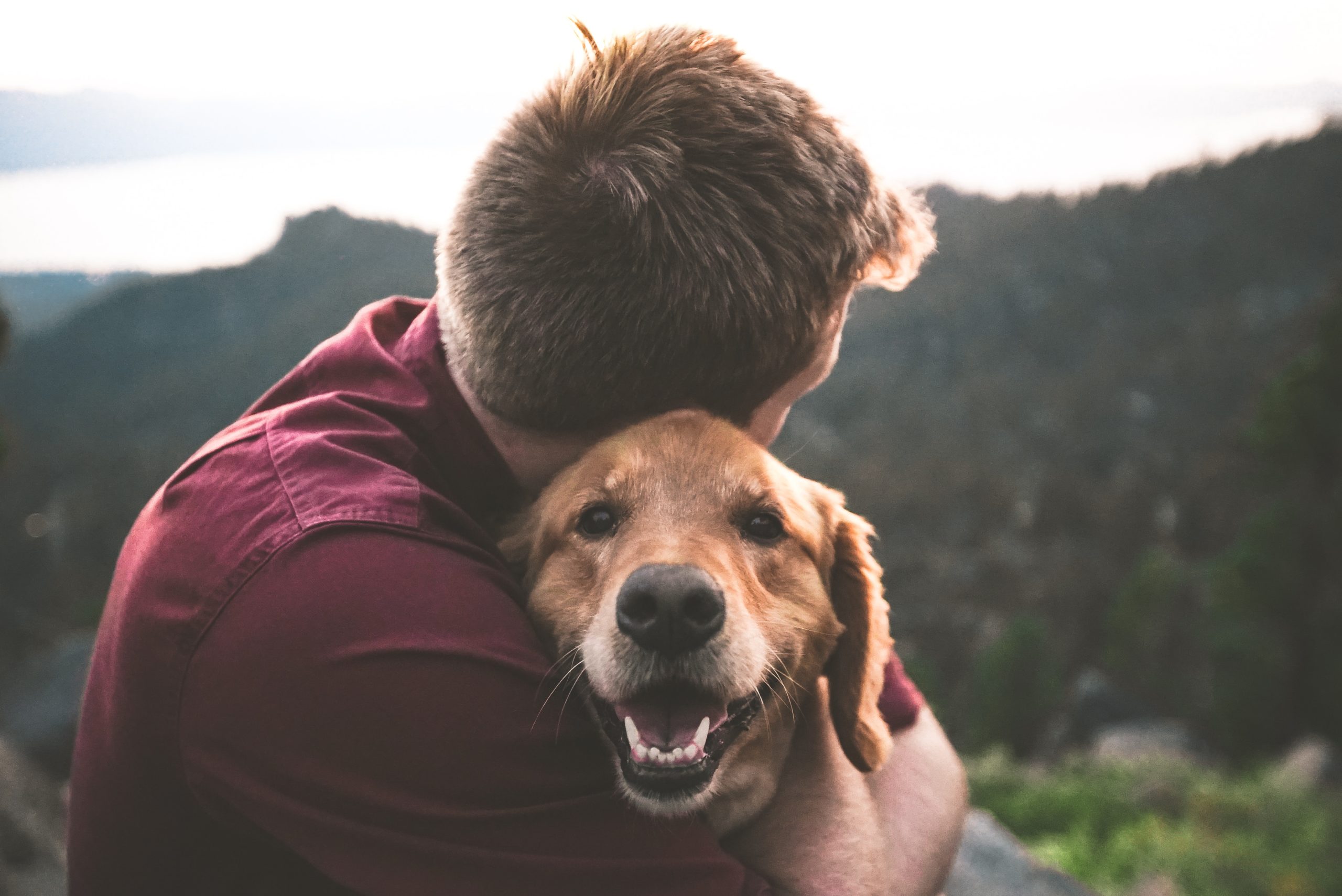
Perhaps the most meaningful change is the relationship that develops over time.
At first, your adopted dog may not completely understand their new surroundings. Some dogs adjust quickly, while others need weeks or longer to become comfortable.
Gradually, you learn each other’s routines.
You discover what your dog likes, what makes them nervous, which toys they prefer, how they ask for attention, and what signals mean they need space.
Your dog learns that you provide food, safety, consistency, and care.
That relationship develops through thousands of small interactions.
A walk. A training session. A quiet evening. A game of fetch. A trip to the veterinarian. A comforting presence after a difficult day.
Over time, these moments can create a remarkably strong bond.
Adoption Is Also a Major Responsibility
While the benefits of adopting a dog can be wonderful, it’s important to look at the commitment honestly.
Before adopting, consider:
- Can I afford food and veterinary care?
- Do I have enough time for daily care?
- What happens if I work long hours?
- Can I provide appropriate exercise and enrichment?
- Is my home suitable for the dog’s size and needs?
- Can I manage grooming or medical requirements?
- What happens when I travel?
- Am I prepared for training and behavioral challenges?
- Is everyone in my household comfortable with the decision?
Choosing a dog based on compatibility rather than appearance can make the transition easier for everyone.
Give Your New Dog Time to Adjust
Adopted dogs don’t all arrive with the same experiences.
Some may confidently explore their new home immediately. Others may hide, avoid interaction, have accidents, or seem unusually quiet during the first days or weeks.
Give your dog time.
A predictable routine, quiet resting area, positive reinforcement, appropriate boundaries, and gradual introductions can help them become comfortable.
Avoid forcing interactions when your dog is frightened or overwhelmed.
Instead, let trust develop through repeated positive experiences.
The Life Changes Go Both Ways
When you adopt a dog, you’re not simply changing your own routine.
You’re changing the dog’s life too.
A shelter dog may suddenly have a comfortable bed. A previously overlooked dog may have someone who learns their favorite game. A nervous dog may eventually discover that their new home is a safe place.
The relationship works both ways.
You provide care, patience, food, safety, and companionship.
In return, your dog becomes part of your daily world.
Final Thoughts
Adopting a dog can bring exercise, routine, companionship, responsibility, new experiences, and countless memorable moments into your life.
It can also challenge you.
There may be training setbacks, unexpected expenses, difficult behaviors, and days when caring for another living being feels demanding.
But those responsibilities are part of what makes the relationship meaningful.
When you find a dog whose needs and personality fit your household, adoption can become the beginning of a rewarding partnership.
You aren’t simply bringing home a pet.
You’re giving a dog a home—and opening your own life to a new companion.







Leave a comment