




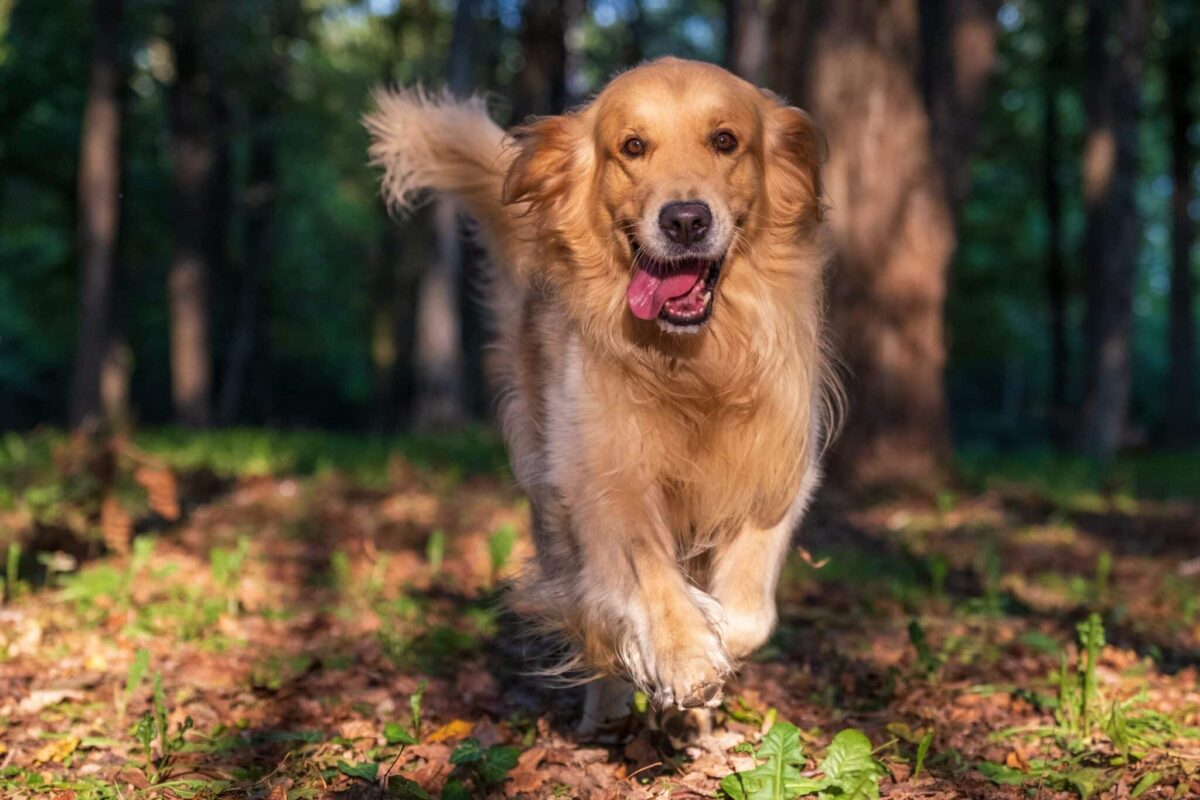
Golden Retrievers are among the world’s most recognizable dogs.
Their friendly expressions, beautiful coats, playful personalities, and eagerness to interact with people have made them popular family companions for generations. But the modern Golden Retriever is much more than a cheerful dog that loves carrying tennis balls around the house.
The breed has a fascinating working history and a collection of physical and behavioral traits that help explain why Goldens are so versatile.
From their origins as hunting companions to their impressive scenting abilities, here are nine surprising facts about Golden Retrievers.
1. Golden Retrievers Were Originally Hunting Dogs
Today, many Golden Retrievers spend their days playing fetch, going on walks, or relaxing with their families.
But the breed was originally developed for a serious job.
Golden Retrievers were developed in Scotland during the 19th century as sporting dogs capable of retrieving game for hunters.
Their job required them to work both on land and around water. A good retriever needed to find downed game, pick it up carefully, and bring it back to the handler.
That history helps explain why many modern Goldens seem particularly enthusiastic about retrieving toys, balls, sticks, and other objects.
What looks like a simple game of fetch can actually be an echo of an important part of the breed’s working heritage.
2. Their Famous Coat Is Built for Outdoor Work
A Golden Retriever’s coat isn’t just there to make the breed look beautiful.
Goldens have a double coat consisting of a dense undercoat and a protective outer coat.
The undercoat provides insulation, while the outer coat helps protect the dog from the environment and can repel some water.
This type of coat was useful for a dog expected to work outdoors in Scotland, including retrieving game from cold water.
However, that beautiful coat comes with a price for owners: shedding.
Golden Retrievers can shed considerably, particularly during seasonal coat changes. Regular brushing can help remove loose hair and keep the coat in better condition.
And despite their enthusiasm for swimming, a Golden Retriever’s coat doesn’t make them immune to cold or water-related risks. Swimming should always be supervised.
3. Golden Retrievers Have Remarkable Scenting Abilities
A Golden Retriever’s nose is much more capable than its frequent search for dropped food might suggest.
Their strong sense of smell and willingness to work with people have made Golden Retrievers useful in a variety of detection and search-related roles.
Depending on their training, individual dogs can participate in activities such as:
- Search and rescue
- Scent detection
- Tracking
- Conservation detection
- Assistance work
- Certain medical scent research and programs
It’s important not to assume that every Golden Retriever can automatically detect a particular disease or medical condition.
Specialized detection requires carefully designed training, and research into medical scent detection is an evolving field.
Still, the breed’s combination of scenting ability, trainability, and cooperation helps explain why Goldens are frequently involved in scent-based work.
4. They Can Stay Playful for Years
Golden Retrievers are famous for their youthful enthusiasm.
Many retain a playful attitude well into adulthood, and some continue enjoying games and retrieving activities well into their senior years.
This doesn’t mean that Golden Retrievers literally remain puppies as they age. They mature physically and behaviorally over time.
However, their enthusiasm for play can remain one of the breed’s defining characteristics.
A mature Golden may still become incredibly excited when someone picks up a favorite ball or asks, “Do you want to go outside?”
That combination of adult size and puppy-like enthusiasm is part of their charm.
5. Many Golden Retrievers Love Water
Golden Retrievers have a long history of retrieving from water, so it’s no surprise that many individuals enjoy swimming.
Their athletic bodies, strong tails, and water-resistant double coats can make them capable swimmers.
However, not every Golden Retriever automatically loves water.
Some dogs are enthusiastic swimmers from their first experience, while others may be cautious or completely uninterested.
If you’re introducing a Golden to swimming, allow the dog to approach the water gradually and never force them in.
Swimming pools, lakes, rivers, and beaches can also present hazards, so supervision is essential.
6. They Are Frequently Seen in Therapy and Assistance Roles
Golden Retrievers are often associated with therapy and assistance work because many individuals combine trainability with a generally people-oriented temperament.
With appropriate selection and training, Goldens can participate in roles involving:
- Therapy visits
- Assistance work
- Guide work
- Search and rescue
- Educational programs
- Community support programs
However, breed alone doesn’t make a dog suitable for this work.
Successful working dogs need the right temperament, health, training, confidence, and ability to remain comfortable in the environments where they will work.
A friendly family Golden isn’t automatically a trained therapy or assistance dog.
7. They Were Bred for a “Soft Mouth”
One of the most interesting traits associated with retrievers is the ability to carry objects gently.
The term “soft mouth” describes a working quality in which a retriever is expected to pick up and carry game without unnecessarily damaging it.
This was valuable to hunters who needed dogs to retrieve birds after they had been shot.
Modern Golden Retrievers can still demonstrate remarkably gentle retrieving behavior.
Some may carefully carry stuffed toys, balls, blankets, or other household objects around the house.
Of course, individual dogs vary, and a dog’s mouth isn’t guaranteed to be gentle simply because it is a Golden Retriever.
Training and individual temperament still matter.
8. That “Golden Smile” Isn’t Really a Human Smile
Golden Retrievers often seem to have permanently cheerful faces.
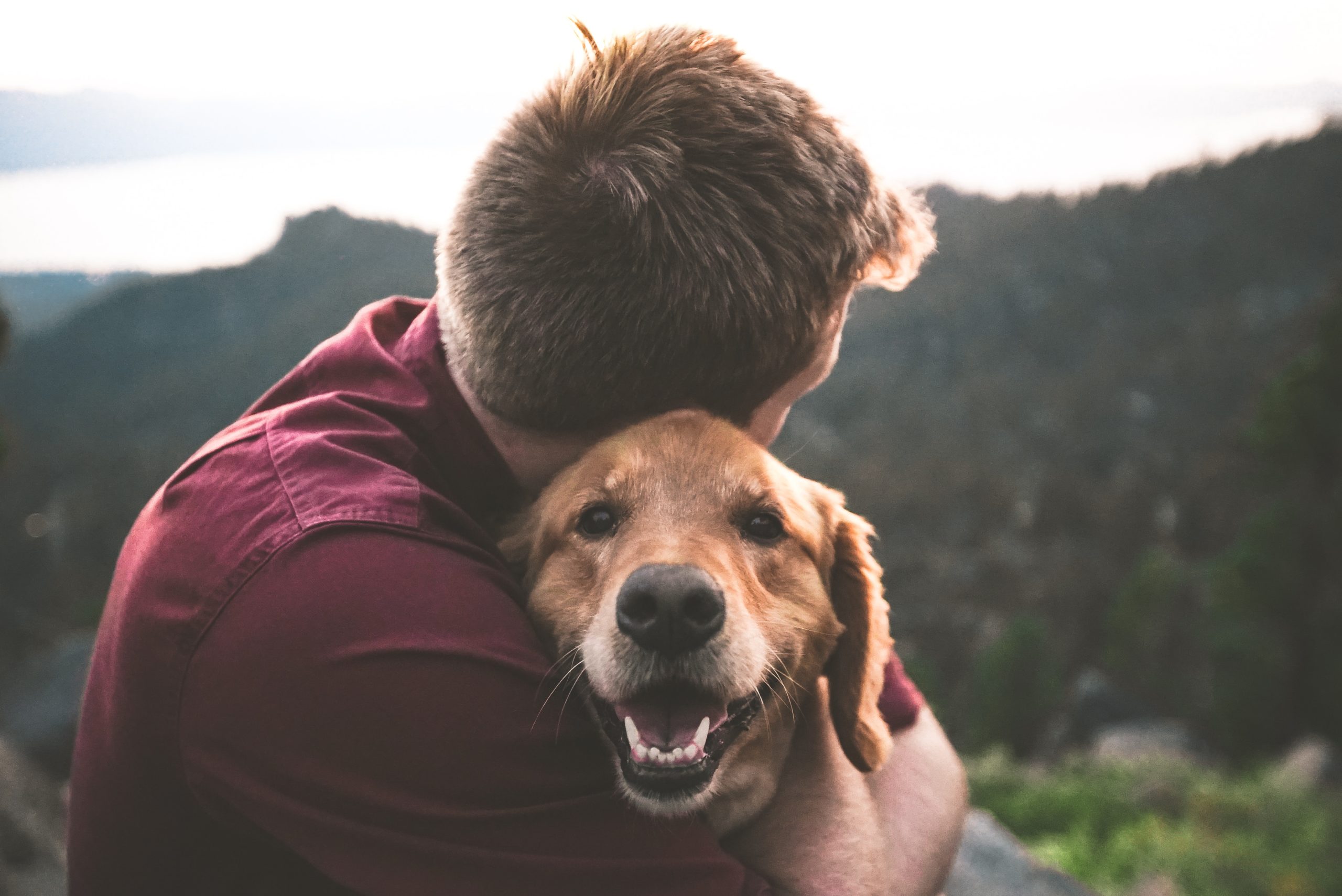
You may see a Golden with an open mouth, relaxed facial muscles, bright eyes, and an expression that looks remarkably like a human smile.
But dogs don’t smile in exactly the same way humans do.
An open mouth and relaxed expression can occur when a dog is comfortable, excited, or panting. Facial expressions need to be interpreted alongside the rest of the dog’s body language and situation.
So while your Golden may look like they’re grinning for the camera, it’s better to consider their entire body rather than assuming the expression has a single meaning.
Either way, the result is undeniably adorable.
9. Golden Retrievers Can Excel at Many Different Activities
Golden Retrievers weren’t designed to perform just one task.
Their combination of athleticism, intelligence, trainability, retrieving instincts, and willingness to work with people allows them to participate in many activities.
Depending on the individual dog, Goldens can enjoy:
- Obedience
- Rally
- Agility
- Dock diving
- Retrieving
- Scent work
- Tracking
- Search and rescue
- Assistance work
- Therapy work
- Hiking
- Swimming
Their versatility is one of the reasons the breed has become so popular.
A Golden Retriever that spends its entire life as a family pet can still benefit from activities that allow it to use some of the skills its ancestors were bred to develop.
What Makes Golden Retrievers Such Versatile Dogs?
Several characteristics work together to make the breed adaptable.
| Trait | Why It Matters |
|---|---|
| Trainability | Makes learning new behaviors easier |
| Retrieving instinct | Provides natural motivation for fetch and object-based games |
| Scenting ability | Supports tracking and scent activities |
| Athleticism | Helps with outdoor activities and dog sports |
| People orientation | Supports cooperation and companionship |
| Water ability | Fits their sporting heritage |
| Adaptability | Allows many individuals to participate in different activities |
Of course, no two Golden Retrievers are exactly alike.
One might spend hours retrieving a ball, while another would rather nap beside the family. Personality, genetics, health, training, and life experiences all influence behavior.
Golden Retrievers Need More Than a Pretty Coat
Their friendly appearance can make Goldens seem effortless to own, but they still have the needs of an active sporting breed.
A Golden Retriever generally benefits from:
- Regular physical activity
- Mental stimulation
- Positive training
- Social interaction
- Appropriate nutrition
- Routine veterinary care
- Regular grooming
- Opportunities to sniff and explore
- Safe play and retrieving activities
Young Goldens in particular can have plenty of energy.
Giving them appropriate outlets can make everyday life easier and help prevent boredom-related behaviors.
Final Thoughts
Golden Retrievers may be famous for their beautiful coats and friendly personalities, but their history reveals a much more interesting story.
They were developed as sporting dogs, have impressive scenting abilities, often enjoy water, can carry objects gently, and can participate in an extraordinary variety of activities.
Their versatility is a major part of what makes the breed so special.
So the next time you see a Golden Retriever enthusiastically carrying a ball, splashing through water, or carefully carrying a toy around the house, remember that you’re seeing more than a cute family dog.
You’re seeing a breed whose modern personality still reflects many of the working abilities that shaped its history.









Leave a comment