




For some dog owners, brushing a long-haired dog feels like part grooming session and part bonding time. There is something satisfying about working through a beautiful coat, removing loose hair, and seeing your dog looking fluffy and comfortable afterward.
Of course, not every dog automatically enjoys being brushed. A dog’s individual personality, previous experiences, grooming routine, and the way the brush is used can all influence how they feel about it. Dogs that are introduced to grooming gradually and rewarded for calm behavior may become much more comfortable with regular brushing.
If you love fluffy dogs and don’t mind putting in the grooming work, these 13 long-haired breeds are worth getting to know.
1. Afghan Hound
The Afghan Hound is famous for its flowing, silky coat and elegant appearance.
That beautiful hair requires regular grooming to prevent tangles and mats, particularly when the coat is kept long. Gentle brushing can also become an opportunity for one-on-one interaction.
Afghan Hounds are often described as dignified and independent, so owners should avoid assuming that every dog will happily tolerate lengthy grooming sessions. Starting early and keeping brushing positive can make a major difference.
Grooming note: Their long coat can require considerable time and consistency to maintain.
2. Shih Tzu
Shih Tzus are small companion dogs with a luxurious coat that can grow surprisingly long.
Regular brushing is important because their hair can tangle easily. Keeping grooming sessions gentle and predictable can help a Shih Tzu learn that brushing is simply part of their normal routine.
Because Shih Tzus generally enjoy spending time with their people, grooming can become a pleasant period of attention when handled patiently.
Grooming note: Daily brushing may be appropriate for dogs whose coats are kept long.
3. Maltese
The Maltese is instantly recognizable by its long, silky coat, traditionally seen in white.
Their hair can become tangled or matted without regular care, making brushing an important part of their grooming routine.
Many Maltese enjoy close interaction with their owners, but individual tolerance still varies. A soft approach, appropriate grooming tools, and frequent positive reinforcement can help create a better experience.
Grooming note: Long coats require consistent brushing and careful handling around sensitive areas.
4. Old English Sheepdog
The Old English Sheepdog has an abundant double coat that contributes to its unmistakably fluffy appearance.
All that hair comes with a significant grooming commitment. Regular brushing helps remove loose hair and identify developing mats before they become difficult to manage.
Their friendly, people-oriented nature can make grooming easier when they have been introduced to it properly. However, owners should expect grooming to take time.
Grooming note: Maintaining the coat can be demanding, especially when it is kept full and long.
5. Yorkshire Terrier
Yorkshire Terriers may be tiny, but their coats can grow remarkably long.
Yorkies have hair rather than the typical fur coat associated with many other breeds, and their silky strands need regular attention to stay clean and free of tangles.
Because Yorkies often enjoy close interaction with their owners, a carefully introduced grooming routine can become a familiar part of their day.
Grooming note: Regular brushing is especially important for Yorkies with long show-style coats.
6. Lhasa Apso
The Lhasa Apso has a long, flowing coat that gives this small breed an unmistakably elegant appearance.
The breed originated in Tibet, where it was associated with guarding homes and monasteries. Today, Lhasa Apsos are primarily companion dogs.
Their coat requires regular maintenance, and brushing can provide valuable one-on-one time with their owner. Because individual Lhasa Apsos can have independent personalities, patience is important during grooming.
Grooming note: A consistent routine helps prevent mats and keeps the long coat manageable.
7. Rough Collie
When people picture a beautifully coated Collie, they are often thinking of the Rough Collie.
Its full double coat creates the breed’s distinctive mane, feathering, and flowing appearance. Regular brushing helps manage loose hair and reduces the chance of mats developing in areas with longer feathering.
Rough Collies are generally responsive and people-oriented, making grooming a useful opportunity to reinforce calm handling.
Grooming note: Pay particular attention to the dense areas around the neck, behind the ears, and on the legs.
8. Bernese Mountain Dog
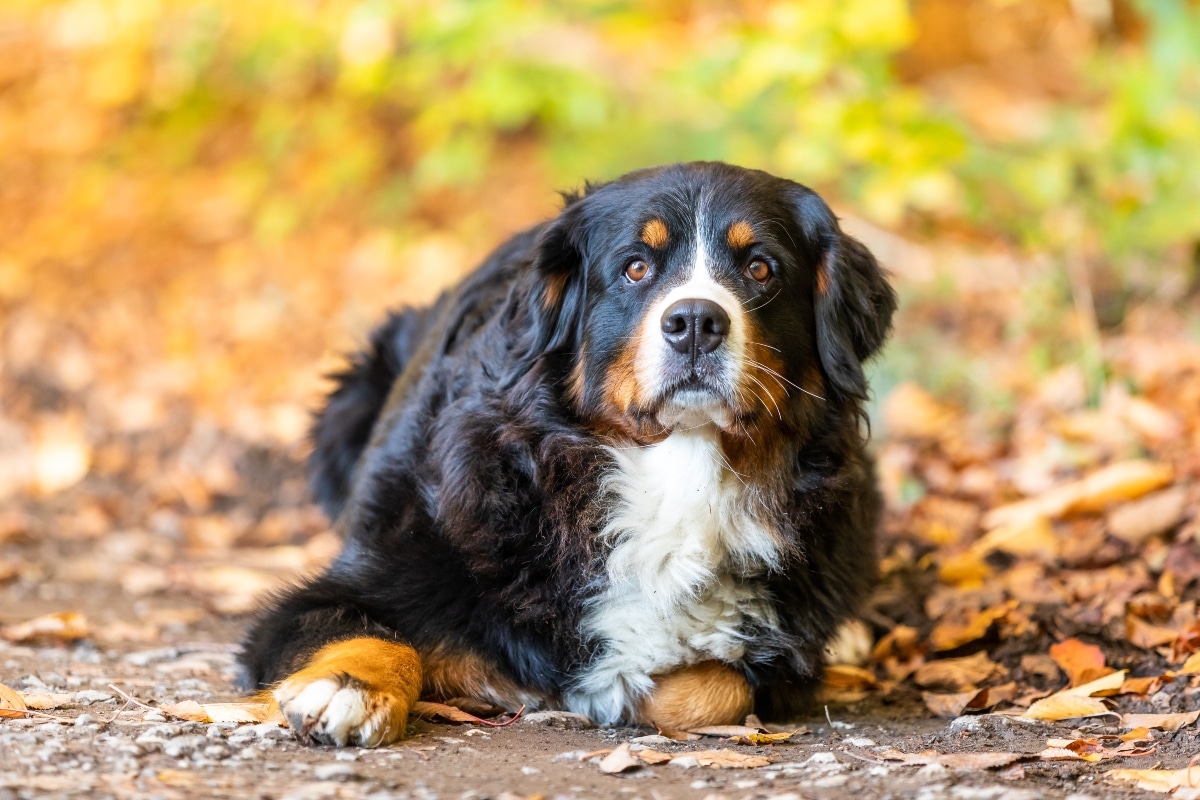
Bernese Mountain Dogs combine a large frame with a thick, striking tri-colored coat.
They shed considerably, so regular brushing can help remove loose hair before it ends up throughout the house. Brushing also provides an opportunity to inspect the skin and coat for tangles, debris, or unusual changes.
Many Bernese Mountain Dogs enjoy being around their families, although their willingness to sit through grooming will depend on the individual dog.
Grooming note: Their size means grooming can take time, so teaching calm handling from puppyhood is helpful.
9. Cocker Spaniel
Cocker Spaniels have beautiful, silky coats with feathering around the ears, chest, legs, and underside.
That elegant coat can become tangled, especially in areas where hair rubs against the ground or gets wet. Regular brushing helps keep the coat manageable and gives owners an opportunity to check the ears and skin.
Cocker Spaniels are often affectionate and people-oriented, so gentle grooming can become a rewarding part of their routine.
Grooming note: The long ears and feathered coat need particular attention.
10. Havanese
The Havanese is a cheerful little companion with a soft, long coat that can range from slightly wavy to quite curly.
Their hair can tangle easily, making regular grooming important. Short, positive brushing sessions can help a Havanese become comfortable with being handled.
Because grooming involves touching sensitive areas such as the legs, ears, tail, and face, puppies should be gradually taught that these interactions are safe.
Grooming note: Consistent brushing is especially important if the coat is kept long.
11. Tibetan Terrier
Despite its name, the Tibetan Terrier isn’t a true terrier. It is an ancient companion breed associated with Tibet.
Its long double coat requires regular maintenance, particularly because the hair can trap debris and form mats.
Tibetan Terriers are intelligent and closely connected with their families. Making grooming predictable and rewarding can help turn brushing into a cooperative routine.
Grooming note: Don’t wait until the coat is badly tangled before brushing.
12. Newfoundland
Newfoundlands are enormous dogs with thick, water-resistant double coats.
Their size alone makes grooming a substantial task, while their heavy shedding can make regular brushing especially useful around the home.
A calm Newfoundland may happily relax while being brushed, but owners should still teach grooming skills gradually. Large dogs can become difficult to manage if they learn to resist handling.
Grooming note: Regular brushing helps manage shedding and keeps the dense coat in better condition.
13. Keeshond
The Keeshond is a medium-sized Dutch breed recognized for its thick double coat and distinctive fluffy appearance.
Regular brushing helps remove loose undercoat and keeps the outer coat looking healthy. Because Keeshonds tend to enjoy interaction with their families, grooming can become another form of quality time.
However, individual dogs have different preferences. If a Keeshond becomes uncomfortable, owners should pause and determine what is causing the problem rather than simply brushing through it.
Grooming note: Pay attention to the dense undercoat during shedding periods.
Why Do Some Dogs Enjoy Being Brushed?
Dogs don’t necessarily enjoy brushing simply because they have long hair.
Their reaction can depend on several factors:
- Early experiences: Puppies introduced gently to grooming may become more comfortable with it.
- The grooming technique: Pulling on tangled hair can make brushing unpleasant.
- Individual personality: Some dogs enjoy handling more than others.
- Coat condition: A badly matted coat can make grooming uncomfortable.
- Duration: Long sessions can become tiring or frustrating.
- Positive reinforcement: Treats, praise, and breaks can create better associations.
The goal isn’t to make your dog tolerate discomfort. The goal is to teach them that grooming can be a predictable and rewarding experience.
How to Make Brushing More Enjoyable
Even a dog that initially dislikes brushing can sometimes become more comfortable with a thoughtful approach.
Start Slowly
Don’t expect a dog to immediately accept a full grooming session.
Begin by letting your dog see and sniff the brush. Reward calm behavior before gently touching them with it.
Keep Sessions Short
Several short sessions can be easier than one long session.
Start with a few gentle strokes and gradually increase the duration as your dog becomes more comfortable.
Use the Right Brush
Different coats require different grooming tools.
A slicker brush, pin brush, comb, or other tool may be appropriate depending on the breed and coat type. If you’re unsure, ask a professional groomer or veterinarian what tools are suitable.
Don’t Pull Through Mats
Trying to force a brush through a serious mat can hurt your dog.
Small tangles may be manageable with appropriate tools and technique, but significant matting may require professional grooming.
Reward Cooperation
Praise your dog, offer appropriate treats, and provide breaks when they remain calm.
This can help create positive associations with grooming.
Learn Your Dog’s Body Language
Watch for signs that your dog is uncomfortable, such as:
- Moving away
- Repeatedly turning their head
- Lip licking
- Yawning in stressful contexts
- Freezing
- Growling
- Trying to escape
- Flattening their ears
- Becoming increasingly restless
If your dog becomes distressed, stop and reassess the situation.
How Often Should a Long-Haired Dog Be Brushed?
There isn’t one schedule that works for every long-haired breed.
Some dogs with continuously growing hair may need frequent, even daily, brushing. Dogs with dense double coats may require regular brushing with increased attention during heavy shedding periods.
The ideal schedule depends on:
- Coat type
- Coat length
- Shedding
- Lifestyle
- Whether the dog gets wet or dirty frequently
- Whether the coat is clipped short or kept long
A professional groomer can help you develop an appropriate routine for your dog’s particular coat.
Brushing Is More Than Just About Appearance
Regular grooming isn’t only about making your dog look beautiful.
It can also give you an opportunity to notice changes such as:
- Skin irritation
- Lumps or bumps
- Parasites
- Cuts
- Redness
- Unusual odors
- Areas of sensitivity
- Excessive shedding
- Developing mats
If your dog suddenly becomes sensitive to brushing in an area they previously tolerated, consider discussing the change with your veterinarian.
Pain or skin problems can sometimes make handling uncomfortable.
Long Hair Comes With a Commitment
A beautiful flowing coat can be one of the most appealing features of a dog, but potential owners should understand the work involved before choosing a long-haired breed.
Regular grooming can mean:
- Frequent brushing
- Professional grooming appointments
- Bathing and drying
- Coat trimming
- Nail care
- Ear care
- Extra cleaning around the home
The reward is a well-maintained coat and another opportunity to spend quality time with your dog.
Final Thoughts
Afghan Hounds, Shih Tzus, Maltese, Rough Collies, Newfoundlands, Keeshonds, and the other breeds on this list all have coats that can make grooming a regular part of life.
Some individuals may genuinely relax and enjoy being brushed, while others may need more patience and training before they become comfortable with the process.
The secret is to make grooming gentle, predictable, and positive.
When your dog learns that the brush doesn’t mean discomfort but instead means calm attention, rewards, and time with their favorite person, brushing can become much more than coat maintenance—it can become a special part of your routine together.






Leave a comment