




For many families, growing up with a dog can create years of wonderful memories. A family dog can become a playmate, walking partner, cuddle buddy, and familiar presence during everyday childhood.
But choosing a dog for a household with children involves more than picking a popular breed. Families should consider the dog’s temperament, size, energy level, grooming needs, trainability, and ability to handle a busy home.
The following 13 breeds are often considered good family companions, although individual dogs can vary considerably. No breed is automatically perfect for every child or household.
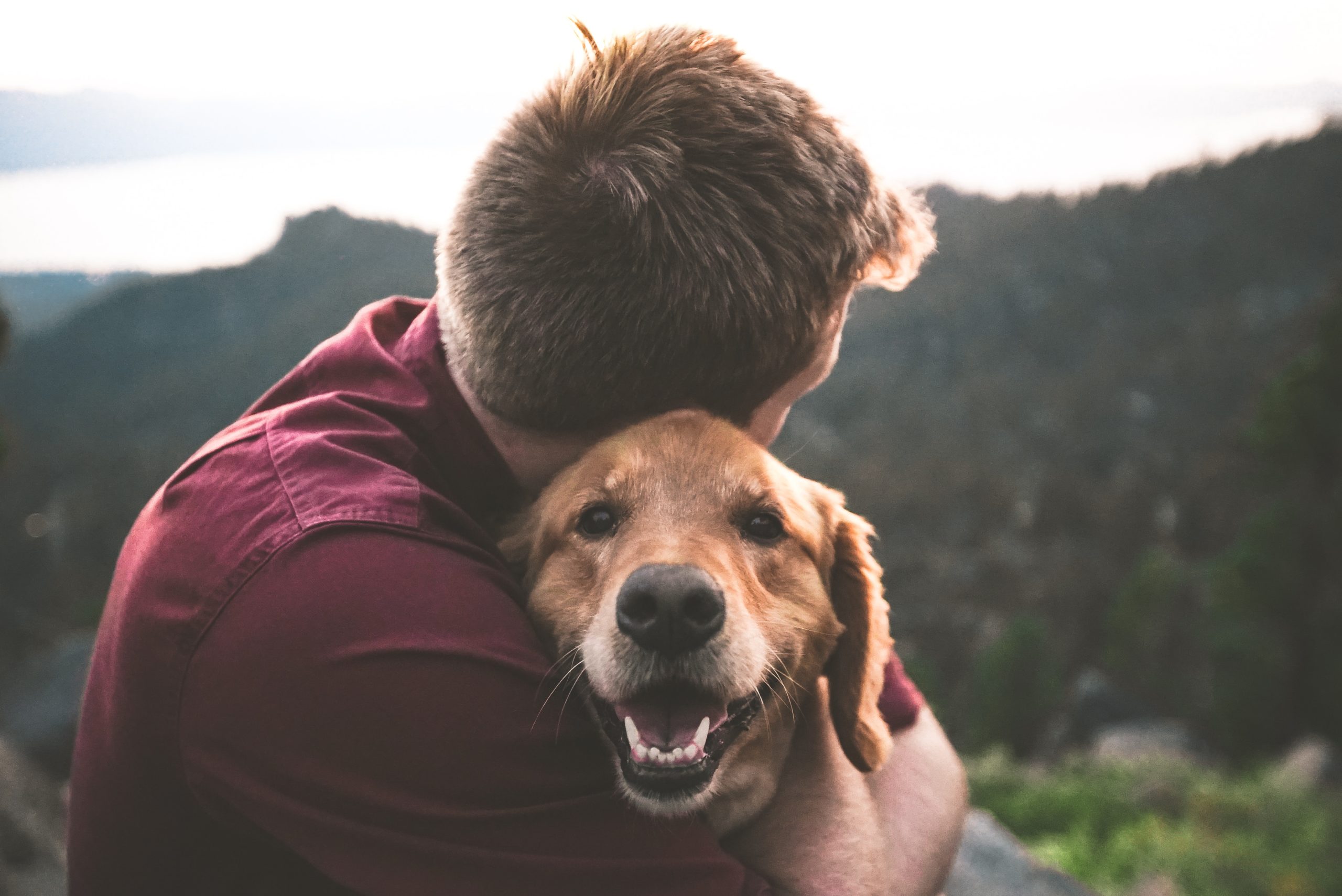
1. Golden Retriever
Golden Retrievers are known for their friendly, people-oriented personalities and enthusiasm for family activities.
They often enjoy games of fetch, walks, training sessions, and outdoor adventures, making them a potential match for active families. Their intelligence and willingness to learn can also make training easier when children are taught to interact with the dog appropriately.
Because Goldens are energetic and can become very excited, young children should always be supervised around them. Their size and enthusiasm can accidentally knock over a small child even when the dog is simply trying to play.
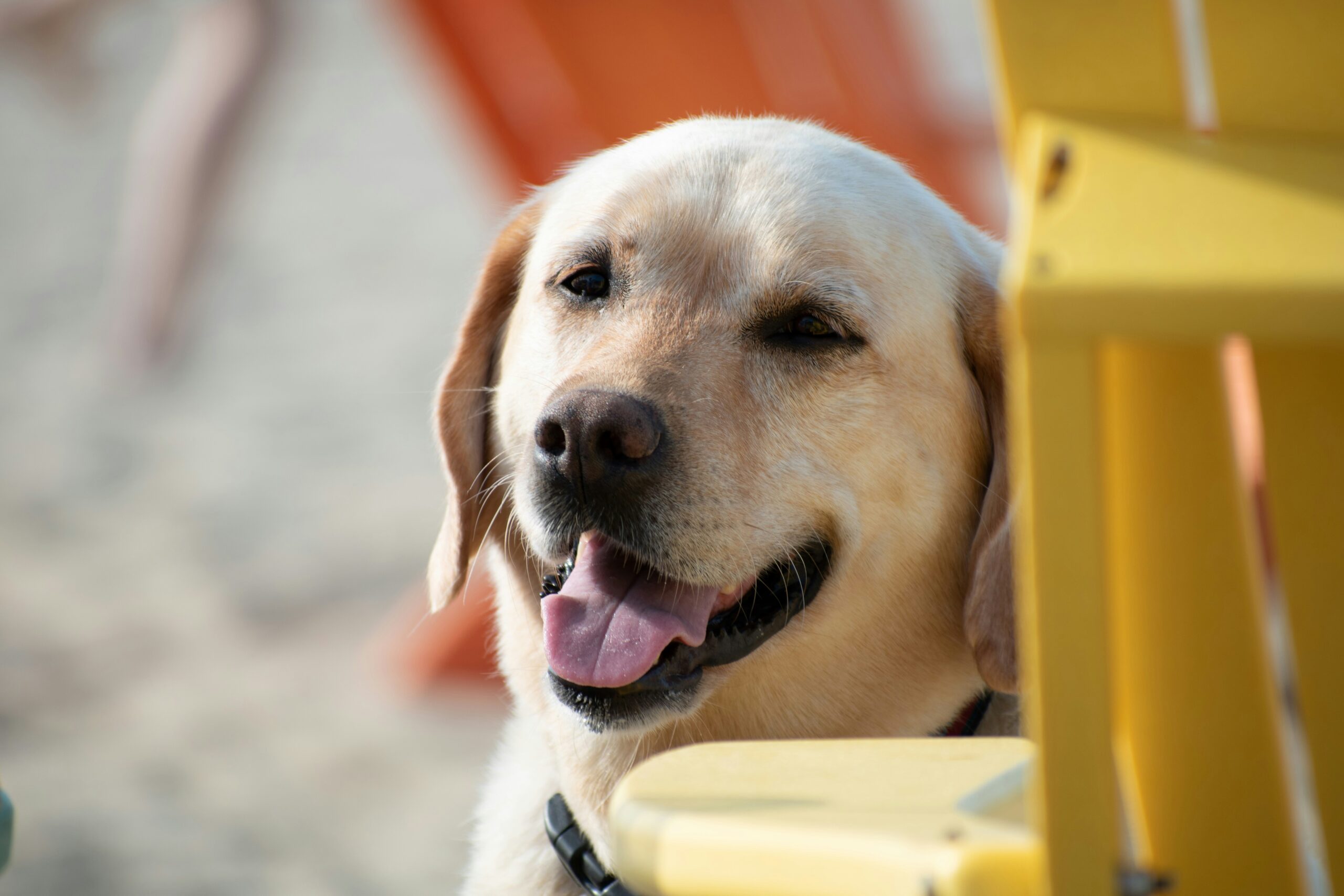
2. Labrador Retriever
Labrador Retrievers are another popular choice for families looking for an active companion.
Labs often enjoy playing, retrieving toys, swimming, walking, and spending time with their people. Their outgoing personalities can make them enthusiastic participants in family life.
However, young Labradors can be extremely energetic and mouthy. Good training, appropriate exercise, and supervision are important, particularly when children are small.
For an active household that has time for training and exercise, a Labrador can become a close family companion.
3. Beagle
Beagles are compact, cheerful dogs with plenty of curiosity and energy.
Their excellent sense of smell makes scent-based games particularly entertaining. Children can participate in supervised activities such as hiding treats or toys for the dog to locate.
Beagles generally enjoy being involved in family activities, but their independent streak and strong nose can sometimes make training challenging. A secure yard and careful leash management are important because an interesting scent can quickly become more exciting than a recall cue.
4. Cavalier King Charles Spaniel
The Cavalier King Charles Spaniel is a smaller companion breed known for its affectionate and people-oriented nature.
Cavaliers often enjoy spending time with their families and can adapt to both active play and quieter periods at home.
Because they are relatively small, children should learn to handle them gently. A Cavalier should never be picked up, squeezed, chased, or disturbed while sleeping or eating.
With respectful interactions and appropriate supervision, these dogs can fit comfortably into many family environments.
5. Boxer
Boxers bring plenty of enthusiasm to family life.
They are playful, athletic, and often enjoy interactive games with their people. Their energetic nature can make them fun companions for older children who understand how to interact with a large, active dog.
Boxers can be excitable, especially when young, so training and impulse control are important. Their size and strength also mean that interactions with very young children require close adult supervision.
Families considering a Boxer should be prepared to provide regular physical activity and mental stimulation.
6. Pug
Pugs are small companion dogs with playful personalities and a strong desire to be involved in household life.
They can enjoy short walks, indoor games, and spending time with family members. Their compact size can also make them practical for some smaller homes.
However, Pugs are brachycephalic dogs, meaning they have shortened skulls and faces. This can contribute to breathing and heat-related concerns, so families should avoid excessive exertion in hot weather.
Children should also learn to handle Pugs gently and recognize when the dog wants a break.
7. Collie
Collies have a long history as working and herding dogs, and many are intelligent, responsive, and strongly connected to their families.
They can enjoy outdoor activities, games, and training, making them an interesting option for children who like being active with a dog.
Their intelligence also means they benefit from mental stimulation. Regular training and structured activities can help prevent boredom.
Families should remember that individual Collies can differ in energy level and temperament, so meeting the specific dog is important before adoption.
8. Shih Tzu
Shih Tzus were developed primarily as companion dogs and often enjoy close contact with their families.
Their small size can work well in apartments and smaller homes, while their playful side gives them opportunities to interact with children.
Because Shih Tzus are small, children need to understand that the dog isn’t a stuffed animal or toy. Rough handling, chasing, or carrying the dog unnecessarily should be discouraged.
Their long coat also requires regular grooming, which families should consider before choosing the breed.
9. Basset Hound
Basset Hounds are recognizable for their long ears, short legs, and relaxed appearance.
Many Bassets have easygoing personalities and enjoy spending time around their families without requiring the same level of intense exercise as some athletic breeds.
That doesn’t mean they need no activity. Regular walks, opportunities to sniff, and appropriate play remain important.
Their strong sense of smell can make them persistent explorers, so families should also pay attention to leash and yard security.
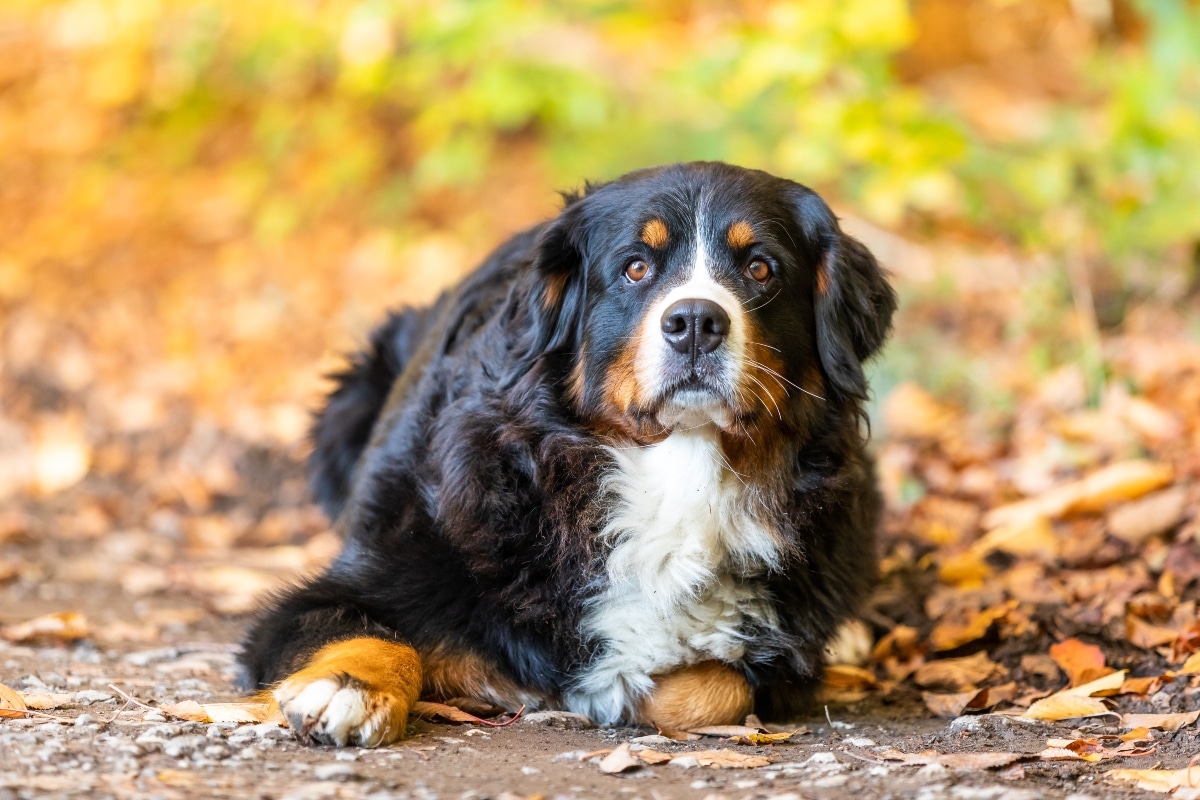
10. Bernese Mountain Dog
Bernese Mountain Dogs are large working dogs known for their striking coats and substantial size.
They often enjoy being involved in family activities and can be affectionate companions. Their size, however, is an important consideration for households with small children.
Even a friendly giant can accidentally knock over a toddler while moving around or playing.
Bernese Mountain Dogs also have thick coats and can struggle in hot weather, so families living in warm climates need to provide appropriate temperature management and avoid strenuous activity during extreme heat.
11. Poodle
Poodles come in Standard, Miniature, and Toy varieties, offering families different size options.
They are highly intelligent and generally respond well to training. Poodles often enjoy games, learning new behaviors, and participating in family activities.
Their curly coats require regular grooming, and the grooming commitment varies depending on the haircut and coat length.
Families should also remember that smaller Poodles are physically more delicate than Standard Poodles and may require additional care around very young children.
12. Australian Shepherd
Australian Shepherds are energetic working dogs that often thrive when they have something meaningful to do.
They can make engaging companions for active families who enjoy hiking, walking, training, agility-style activities, or interactive games.
Their intelligence and herding background can also mean they develop behaviors such as chasing or attempting to control movement. Early training and appropriate outlets for their energy are important.
This breed may be a better match for families prepared to provide substantial daily physical and mental stimulation.
13. Maltese
Maltese dogs are small companion dogs that often form close relationships with their families.
Their compact size can make them suitable for many living situations, and they can enjoy indoor play and short walks.
However, their small bodies mean that accidental falls or rough handling can cause serious injury. Young children should always be supervised when interacting with a Maltese.
Their long, silky coat also requires regular grooming to prevent tangles and mats.
What Makes a Dog a Good Companion for Children?
Breed can provide useful information, but it shouldn’t be the only factor.
When choosing a family dog, consider:
- Temperament: Is the individual dog comfortable around people?
- Energy level: Can your family provide the exercise the dog needs?
- Size: Could the dog accidentally knock over a child?
- Age: Puppies require extensive supervision, training, and patience.
- Grooming: How much coat maintenance can your family manage?
- Training: Is the household prepared to provide consistent, reward-based training?
- Socialization: Has the dog had appropriate positive experiences with people and environments?
- Individual personality: Does this particular dog fit your family?
A mixed-breed dog can be just as wonderful a family companion as a purebred dog. Meeting an individual dog and learning about its history can be extremely valuable when adopting.
Teaching Kids How to Interact With Dogs
Choosing a suitable dog is only part of creating a safe relationship.
Children should learn basic dog manners from the beginning.
Teach them to:
- Let the dog approach rather than forcing interaction.
- Avoid pulling ears, tails, fur, or collars.
- Never climb on or ride a dog.
- Leave the dog alone while eating or sleeping.
- Avoid taking toys or food away from a dog.
- Avoid hugging a dog unless the dog clearly enjoys that type of contact.
- Respect the dog’s safe space.
- Ask an adult before approaching an unfamiliar dog.
Parents should supervise interactions, especially with toddlers and young children.
Watch Your Dog’s Body Language
Dogs communicate discomfort through body language long before a bite may occur.
A dog that turns away, moves away, hides, freezes, repeatedly licks its lips, yawns in a stressful situation, tucks its tail, or shows other signs of discomfort may be asking for space.
Children should be taught to recognize these signals and stop interacting when the dog wants distance.
Never punish a dog for growling. A growl can be an important warning that the dog is uncomfortable. Instead, separate the dog and child safely and seek professional guidance if concerning behavior occurs.
Should You Get a Puppy or an Adult Dog?
Both can work for families, but they come with different challenges.
Puppies
Puppies are adorable but require:
- House training
- Bite inhibition training
- Socialization
- Supervision
- Chew management
- Frequent sleep and rest
- Veterinary care
- Consistent training
Young puppies can also be easily overwhelmed by children’s excitement.
Adult Dogs
An adult dog may already have established habits and training. With the right history and temperament, this can make it easier for a family to understand what to expect.
Shelters and rescue organizations may be able to provide information about an adult dog’s behavior around children, other animals, and household situations.
Creating a Safe Dog-and-Kid Relationship
The goal shouldn’t simply be to find a dog that “puts up with” children.
Instead, create an environment where both the child and dog feel safe.
Give the dog a quiet area where children know not to disturb them. Provide regular exercise, enrichment, rest, and training. Teach children that dogs have boundaries just as people do.
With these habits in place, children can learn valuable lessons about kindness, responsibility, communication, and respecting another living creature.
Final Thoughts
Golden Retrievers, Labradors, Beagles, Cavaliers, Boxers, Pugs, Collies, Shih Tzus, Basset Hounds, Bernese Mountain Dogs, Poodles, Australian Shepherds, and Maltese can all make wonderful family companions in the right circumstances.
But there is no universal “best dog” for every child.
The most important match is between the individual dog’s temperament and needs and the family’s lifestyle, experience, time, and ability to provide proper supervision.
Choose carefully, introduce the dog and children gradually, teach respectful interactions, and give everyone plenty of opportunities to rest.
With the right match and responsible guidance, a dog can become a cherished part of a child’s childhood and a beloved member of the entire family.




Leave a comment