




Some dogs seem happiest when they are right beside their favorite people. They follow their owners from room to room, wait by the door when they leave, curl up nearby at the end of the day, and eagerly participate in family activities.
While every dog has its own personality, certain breeds are known for being particularly people-oriented and affectionate. Their histories, temperaments, and working roles have often encouraged close cooperation with humans.
If you’re looking for a dog that enjoys plenty of companionship, these 12 breeds are worth getting to know.
1. Golden Retriever
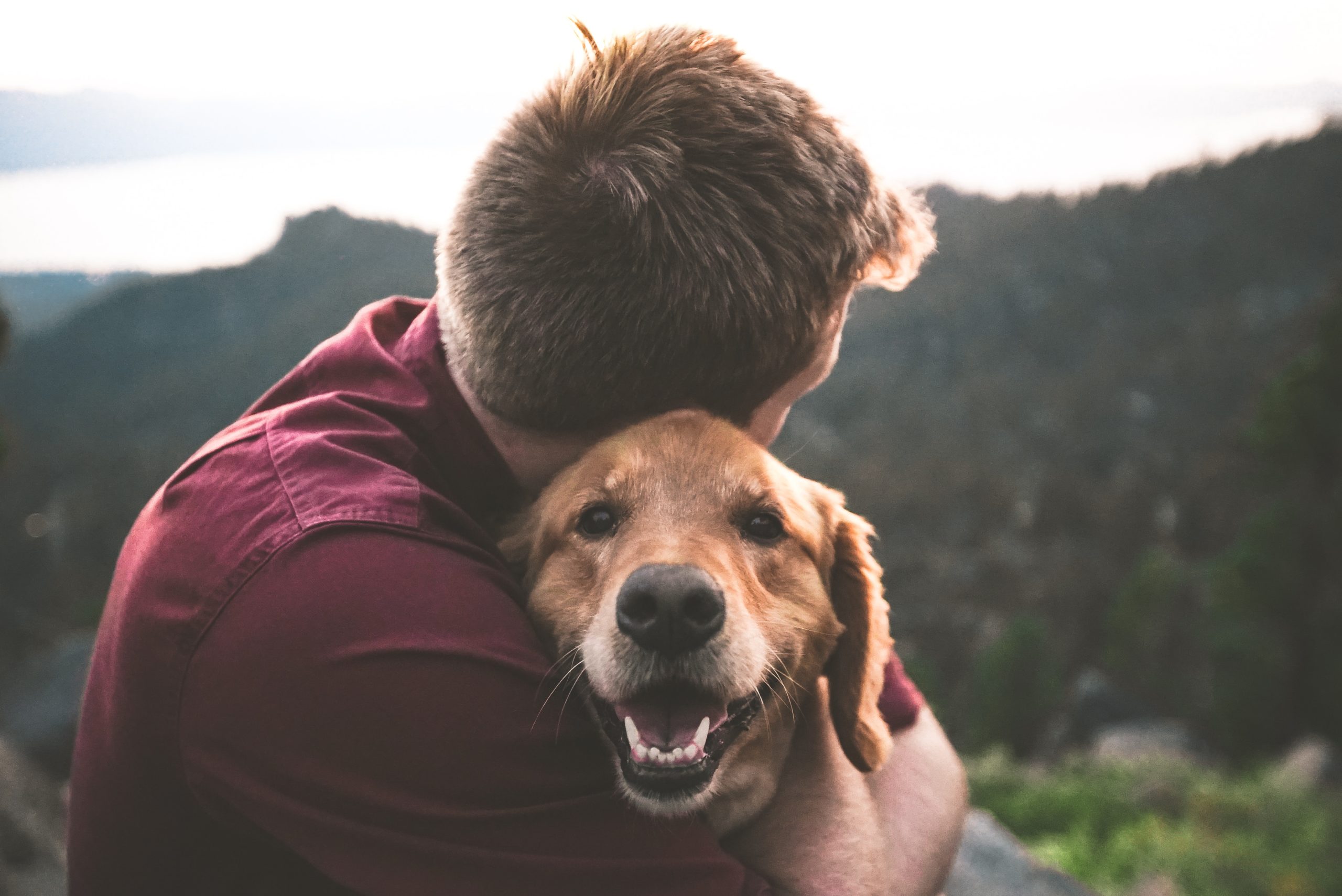
Golden Retrievers are well known for their friendly and affectionate personalities. Many enjoy being included in everyday family activities, whether that’s a walk around the neighborhood, a game of fetch, a training session, or a quiet evening at home.
Their history as retrieving dogs helped shape a breed that works closely with people and responds well to training. Today, Goldens are also commonly seen in assistance, therapy, and other roles that involve human interaction.
Their affectionate nature doesn’t mean they want to spend every moment sitting beside you. Golden Retrievers are active dogs that need regular exercise, play, training, and mental stimulation.
Give them the opportunity to participate in family life, and many will happily become enthusiastic companions.
2. Labrador Retriever
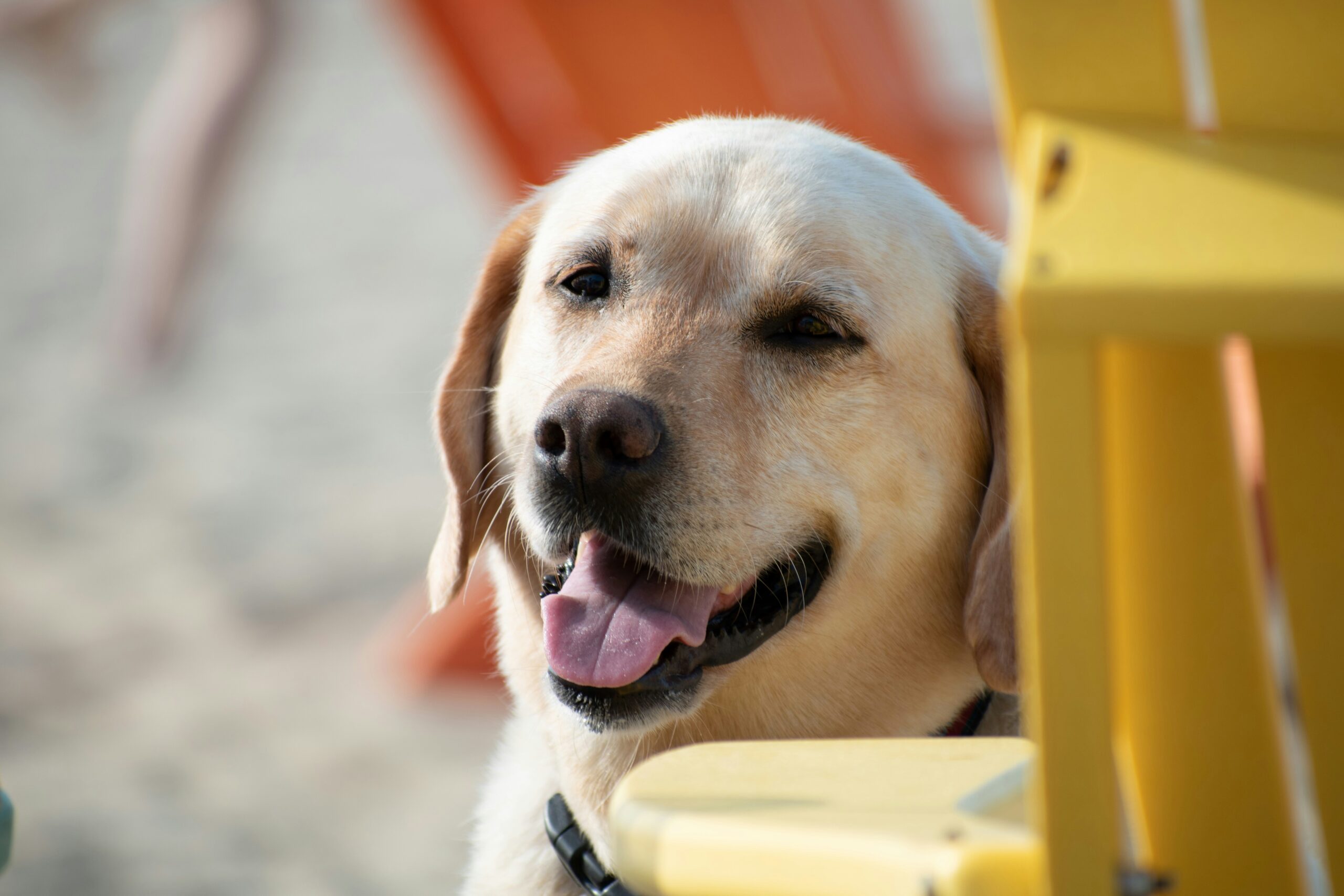
Labrador Retrievers have a reputation for being outgoing, playful, and eager to spend time with their families.
Many Labs enjoy following household routines and participating in whatever their humans are doing. They may want to accompany you on a walk, play a retrieving game, explore outdoors, or simply relax nearby afterward.
Their working background contributes to their enthusiasm for retrieving, swimming, training, and interactive activities.
Young Labradors can be particularly energetic, so affection should be combined with appropriate exercise and consistent training. A bored Lab may find its own entertainment.
For an active household looking for a sociable dog, the Labrador can be an engaging and devoted companion.
3. Boxer
Boxers are energetic dogs with playful personalities and a strong interest in their families.
They often enjoy interactive games and can be enthusiastic participants in household activities. Despite their muscular appearance, many Boxers have a famously goofy side and enjoy affectionate interactions with the people they trust.
Their energy means they need regular physical activity and mental engagement. Training is also important because an enthusiastic Boxer can sometimes forget just how large and powerful they are.
With appropriate exercise, structure, and socialization, Boxers can form strong relationships with their families.
Their combination of playfulness, affection, and personality makes them particularly entertaining companions.
4. Cavalier King Charles Spaniel
The Cavalier King Charles Spaniel was developed primarily as a companion dog, so it’s no surprise that many Cavaliers enjoy close human interaction.
These small dogs can be affectionate, gentle, and eager to stay near their families. A Cavalier may happily curl up beside you after a walk or spend time following household activities.
Their relatively compact size can make them adaptable to different homes, but they still need exercise, training, grooming, enrichment, and routine veterinary care.
Cavaliers shouldn’t be viewed simply as lap decorations. They are dogs with their own needs, preferences, and personalities.
For someone who enjoys having a smaller dog nearby, however, the Cavalier can be an especially engaging companion.
5. German Shepherd
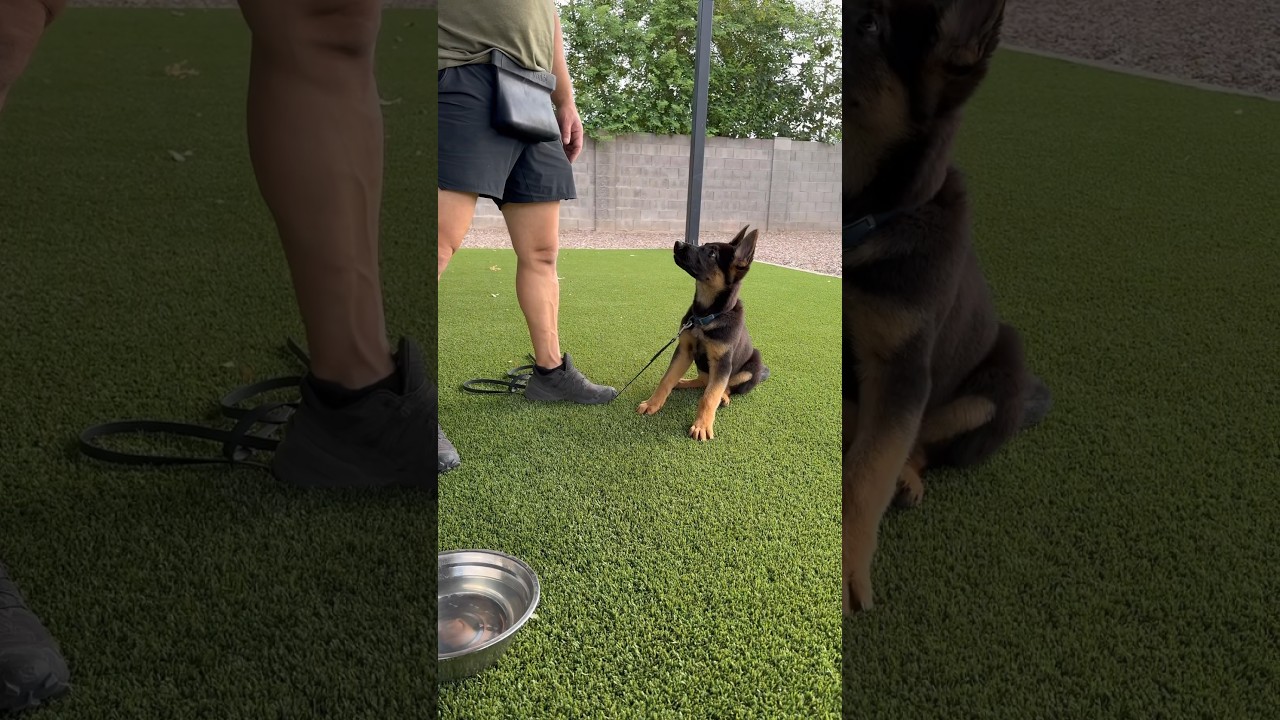
German Shepherds are intelligent working dogs that often develop strong relationships with the people they live and work with.
Their history as herding, service, police, military, and working dogs has emphasized cooperation with humans. Many enjoy having a job to perform and thrive when training and interaction are part of their daily lives.
German Shepherds can be affectionate with their families while also being naturally alert and reserved around unfamiliar people.
Their loyalty should not be confused with a need for constant protection or confrontation. Good socialization, training, exercise, and responsible management are important for this powerful breed.
For owners who enjoy training and active companionship, a German Shepherd can become a close working partner as well as a family companion.
6. Dachshund
Dachshunds may be small, but they often have enormous personalities.
These little scent hounds can become strongly attached to their families and may enjoy following their favorite people around the home. Many also love burrowing under blankets, playing games, and investigating interesting smells.
Their hunting background means Dachshunds can be curious, determined, and independent. That can make training both rewarding and challenging.
Because of their long backs, owners should also take sensible precautions around activities that involve repeated jumping from furniture or other heights.
A Dachshund may not always behave like a quiet lap dog, but its distinctive combination of affection, confidence, and curiosity can create a very close relationship with its family.
7. Shih Tzu
Shih Tzus are classic companion dogs that often enjoy being close to their humans.
Their small size, affectionate nature, and interest in household life make them popular with people who want a companion that can share quiet time at home.
Many Shih Tzus enjoy cuddling, but they can also have playful and independent moments. They still benefit from regular exercise, enrichment, training, and social interaction.
Their long coat requires consistent grooming if it is kept long, and owners should take extra care with heat because their short facial structure can make hot weather more challenging.
For someone who enjoys a small dog that likes being part of the family routine, the Shih Tzu can be a wonderful match.
8. Border Collie
Border Collies are famous for their intelligence and ability to work closely with people.
Originally developed for herding, they were bred to pay close attention to human direction while managing demanding tasks. That working relationship can translate into a strong bond between a Border Collie and its owner.
However, this isn’t a breed that is satisfied with affection alone.
Border Collies generally need substantial physical activity and mental stimulation. Training, agility, scent games, herding activities, trick training, and interactive play can all provide valuable outlets.
When their needs are met, many Border Collies become highly engaged partners who seem eager to know what their human wants to do next.
9. Chihuahua
Chihuahuas are among the smallest dog breeds, but they can form surprisingly strong attachments to their people.
Some Chihuahuas prefer one particular person, while others are friendly with several members of the household. They can be affectionate, alert, playful, and surprisingly confident.
Their small bodies make safe handling particularly important. They should also be given appropriate socialization rather than being allowed to avoid every unfamiliar person or situation.
A Chihuahua doesn’t need to be physically large to have a huge personality.
For someone looking for a tiny companion that can be deeply connected to its family, the Chihuahua can be an excellent fit.
10. Pug
Pugs are cheerful companion dogs known for their expressive faces and entertaining personalities.
Many enjoy spending considerable time with their families and may happily follow their owners around the house before settling down nearby.
Pugs can be playful, but their short facial structure means owners need to be particularly careful about overheating and strenuous exercise, especially in hot or humid weather.
Keeping activity appropriate for the individual dog is important.
Their affectionate personalities and amusing expressions can make everyday life with a Pug full of companionship and entertainment.
11. Beagle
Beagles combine a strong social nature with the curiosity of a scent hound.
They often enjoy being around people and can be playful and affectionate members of the family. At the same time, their nose can easily become the most interesting thing in the environment.
A Beagle following an interesting scent may temporarily forget that its owner is calling.
Secure fencing and careful leash management are therefore important, particularly outdoors.
Beagles tend to thrive when they receive opportunities to sniff, explore, play, and interact with their families. Their affection may be expressed through enthusiastic participation rather than simply sitting quietly beside you.
12. Australian Shepherd
Australian Shepherds are intelligent, energetic dogs that often enjoy working in partnership with their humans.
They were developed as working dogs and generally do best when their physical and mental needs are taken seriously.
Many Aussies enjoy activities such as hiking, training, agility, scent games, retrieving, and other interactive exercises.
They can become closely attached to their families and may want to be involved in almost everything happening around the house.
That close bond comes with responsibility. An Australian Shepherd that doesn’t receive enough activity or mental stimulation may become frustrated or develop unwanted behaviors.
For an active person who enjoys training and spending lots of time with a dog, an Aussie can be a highly engaged companion.
What Makes Some Dogs So Attached to Their Humans?
Strong human-dog bonds can develop for many reasons.
Breeding History
Some breeds were specifically developed to work closely with people. Herding, retrieving, hunting, guarding, and companion roles often required frequent human interaction.
Individual Temperament
Breed tendencies are only part of the picture. Individual dogs can be more independent, affectionate, playful, reserved, or social than the breed stereotype suggests.
Positive Experiences
Dogs can develop strong relationships with people who consistently provide food, safety, play, training, comfort, and positive experiences.
Shared Activities
Training, walks, games, hiking, and other activities give dogs opportunities to interact with their humans while building predictable routines.
Does a Very Affectionate Dog Have Separation Anxiety?
Not necessarily.
A dog can enjoy being close to its family without experiencing separation anxiety.
Separation-related distress is more concerning when being left alone triggers signs such as:
- Persistent barking or howling
- Destructive behavior
- Attempts to escape
- Pacing or intense agitation
- Excessive drooling
- Repeated house-soiling despite being trained
- Extreme distress when the owner prepares to leave
If a dog shows significant distress when left alone, veterinary or qualified behavior support may be appropriate.
Simply following you from room to room doesn’t automatically mean your dog has a behavioral disorder.
How to Build a Strong Bond With Your Dog
You don’t need a particular breed to develop a close relationship.
You can strengthen your bond by:
- Using reward-based training
- Taking regular walks together
- Playing interactive games
- Providing appropriate mental enrichment
- Learning your dog’s body language
- Establishing predictable routines
- Giving your dog safe opportunities to explore
- Spending relaxed quality time together
- Respecting your dog’s need for rest and personal space
- Providing regular veterinary care
Trust grows through repeated positive experiences.
Can an Affectionate Dog Still Want Alone Time?
Absolutely.
Even dogs that love their families need opportunities to rest without being disturbed.
Provide a comfortable bed, crate if your dog already views it positively, or quiet area where your dog can relax.
Learning to respect your dog’s signals is an important part of maintaining a healthy relationship.
A dog moving away, turning its head, hiding, or repeatedly trying to settle somewhere else may be communicating that it needs a break.
Choosing a Dog Based on Affection
If you specifically want a highly people-oriented dog, don’t look only at a breed list.
Consider:
Your Daily Schedule
Some dogs need considerably more companionship and activity than others.
Exercise Requirements
A Border Collie or Australian Shepherd may require much more daily engagement than a Shih Tzu.
Grooming
Coat maintenance varies significantly between breeds.
Training Needs
Intelligent working breeds can be wonderful training partners but may require substantial mental stimulation.
Independence
Some dogs are comfortable entertaining themselves for periods of time, while others strongly prefer interaction.
Individual Personality
If adopting an adult dog, spending time with the individual animal can provide valuable information about its temperament and preferences.
Frequently Asked Questions
Which dog breeds form strong bonds with their owners?
Many breeds can form strong human bonds. Golden Retrievers, Labradors, Cavaliers, German Shepherds, Dachshunds, Shih Tzus, Border Collies, Chihuahuas, Beagles, and Australian Shepherds are among the breeds often described as people-oriented.
Are affectionate dogs always clingy?
No. A dog can be affectionate while still being comfortable spending time independently. Healthy attachment includes the ability to relax without constant physical contact.
Which small dogs are especially people-oriented?
Cavalier King Charles Spaniels, Shih Tzus, Chihuahuas, and Dachshunds can all form close relationships with their families, although individual personalities vary.
Do working dogs bond strongly with humans?
Many working breeds were developed to cooperate closely with people, which can contribute to strong human-dog relationships. However, they usually also need appropriate work, exercise, training, and mental stimulation.
Does following me everywhere mean my dog loves me?
Following you can be one sign that your dog enjoys being near you, but it can also reflect habit, curiosity, expectation of food or activities, or other factors. Context and overall body language matter.
Final Thoughts
Dogs express affection in countless ways. Some want to curl up beside you, others follow you around the house, and some show their attachment by eagerly joining every activity you start.
Golden Retrievers, Labradors, Cavaliers, German Shepherds, Dachshunds, Shih Tzus, Border Collies, and the other breeds on this list can all develop remarkably close relationships with their families.
But breed isn’t a guarantee of personality.
The strongest human-dog relationships are built through trust, positive experiences, consistent care, communication, and mutual respect.
Whether your dog is a tiny Chihuahua or a large German Shepherd, the bond you build together can become one of the most rewarding parts of sharing your life with a dog.






Leave a comment