





For some dog lovers, a peaceful home is just as important as having a loving canine companion. While barking is a normal way for dogs to communicate, some breeds tend to be less vocal than others.
That can be especially appealing to people living in apartments, homes with close neighbors, or households that simply prefer a quieter environment.
However, choosing a breed known for being relatively quiet doesn’t guarantee a completely silent dog. Barking can be influenced by personality, training, socialization, boredom, fear, excitement, and the dog’s environment.
If you’re looking for a companion that may be less likely to bark constantly, these 10 breeds are worth getting to know.
1. Basenji
The Basenji is probably the most famous dog on any list of quieter breeds.
Often nicknamed the “barkless dog,” the Basenji doesn’t typically produce a conventional bark as frequently as many other dogs. Instead, it can make distinctive sounds often described as yodels, chortles, or other unusual vocalizations.
Originally developed in Central Africa, Basenjis are intelligent, energetic, and independent.
Their quiet reputation shouldn’t be confused with silence, though. A Basenji can certainly make plenty of noise when excited, frustrated, or trying to communicate.
They also tend to have strong personalities, so their suitability depends on whether their independent nature matches your lifestyle.
2. Greyhound
Greyhounds may be famous for incredible speed, but inside the home they can be surprisingly relaxed.
After enjoying appropriate exercise, many Greyhounds are perfectly happy spending considerable time resting with their families.
They generally aren’t known for constant barking and may use their voices more selectively.
Their calm indoor behavior can make them appealing to people who want an athletic dog without a constantly noisy household.
Of course, every Greyhound is an individual, and boredom, anxiety, excitement, or environmental triggers can still cause barking.
3. Cavalier King Charles Spaniel
Cavalier King Charles Spaniels are small companion dogs known for their affectionate and people-oriented personalities.
Many Cavaliers prefer staying close to their humans rather than constantly announcing what’s happening around the house.
They can certainly bark when excited, alert, or seeking attention, but excessive barking isn’t necessarily a defining characteristic of the breed.
Their adaptable size and affectionate nature can make them appealing to families and people living in smaller homes.
Because Cavaliers strongly value human companionship, owners should also make sure they receive sufficient attention and appropriate training.
4. Shiba Inu
The Shiba Inu is another breed that can be relatively quiet under normal circumstances.
These Japanese dogs are independent, alert, and confident. Rather than vocalizing constantly, many Shibas communicate through body language and selective sounds.
But there’s one famous exception: the Shiba scream.
When extremely excited, frightened, frustrated, or uncomfortable, some Shibas can produce a surprisingly dramatic high-pitched vocalization.
So while a Shiba Inu may not be a frequent barker, prospective owners shouldn’t expect a completely silent dog.
Their independent personality also makes early training and socialization particularly valuable.
5. Great Dane
Great Danes may have an enormous physical presence, but many are relatively quiet inside the home.
These gentle giants often enjoy relaxing near their families and don’t necessarily need to bark constantly to make themselves noticed.
Their size alone can make them appear imposing, but their temperament is often affectionate and easygoing when appropriately socialized.
Great Danes still need regular exercise, training, and companionship. And when something genuinely catches their attention, their deep bark can be difficult to ignore.
A quiet Great Dane is still a very large dog with a very large voice.
6. Whippet
Whippets share some characteristics with Greyhounds, including an athletic build and a reputation for being relatively quiet indoors.
They can sprint impressively during exercise but are often content to relax afterward.
Many Whippets enjoy comfortable beds, soft blankets, and plenty of time close to their families.
They may bark in response to excitement, unfamiliar sounds, other animals, or environmental changes, but frequent barking isn’t usually their defining trait.
Their combination of athletic ability and relaxed indoor behavior can appeal to owners who want an active dog that can also settle down at home.
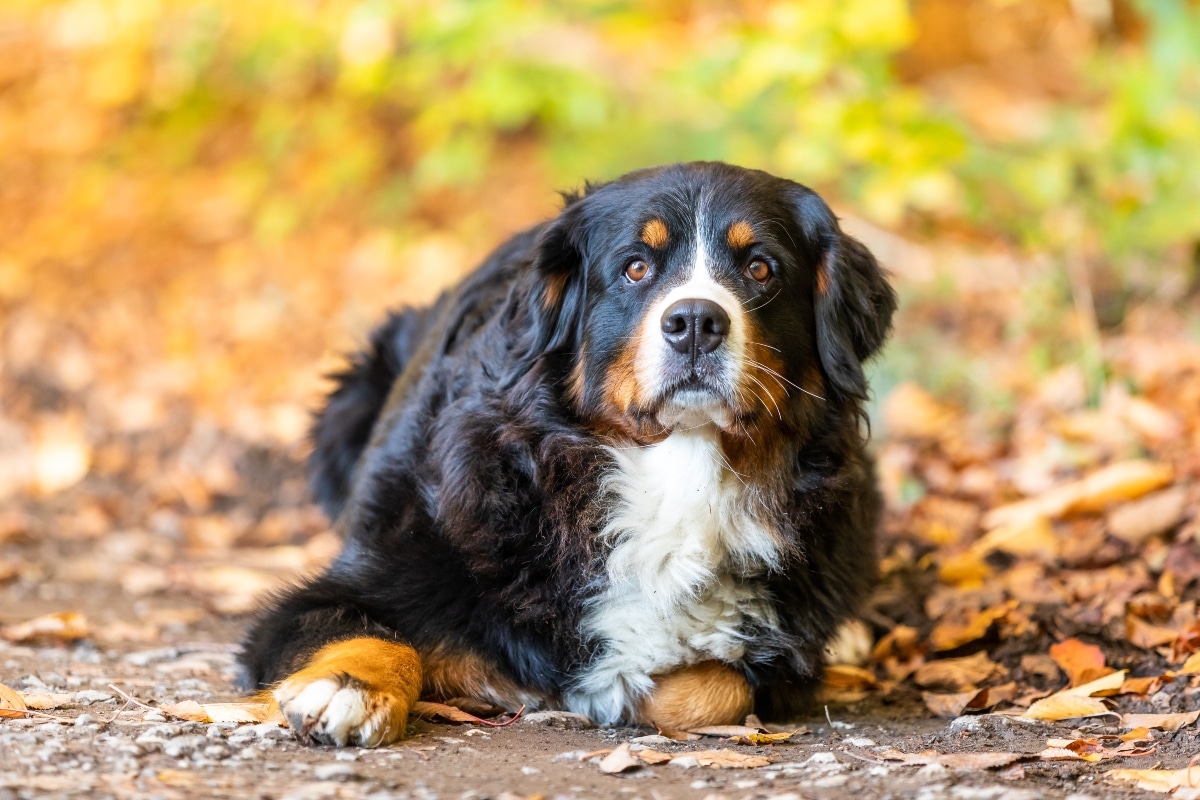
7. Bernese Mountain Dog
Bernese Mountain Dogs are large, affectionate dogs that often have a calm presence around the household.
They can alert their families when something unusual catches their attention, but many aren’t constantly vocal.
Their size, strength, and thick coat make them better suited to owners who can provide appropriate space, exercise, grooming, and climate management.
Berners are generally people-oriented and often enjoy participating in family activities.
As with every breed, good socialization and training can help prevent barking from becoming an unwanted habit.
8. Chinese Shar-Pei
The Chinese Shar-Pei is known for its distinctive wrinkles, compact build, and independent personality.
Many Shar-Peis are relatively reserved and don’t feel the need to vocalize constantly.
They can be observant and protective of their homes, however, which means they may bark when they notice unfamiliar people, animals, or unusual activity.
Their independent temperament means they often benefit from calm, consistent training rather than harsh corrections.
For someone looking for a quieter dog with a more self-contained personality, the Shar-Pei may be an interesting breed to research.
9. Irish Wolfhound
The Irish Wolfhound is one of the tallest dog breeds, yet its temperament can be surprisingly gentle and understated.
These enormous sighthounds are often described as calm and dignified. They generally don’t have a reputation for nonstop barking.
That doesn’t mean they are inactive. Irish Wolfhounds need appropriate exercise and plenty of room to move comfortably, especially while young.
Their sheer size also means prospective owners need to consider food costs, veterinary care, transportation, sleeping space, and other large-dog requirements.
If you’re looking for a giant breed with a generally peaceful presence, the Irish Wolfhound is certainly worth learning about.
10. Saluki
The Saluki is an ancient sighthound recognized for its slender build, speed, and graceful appearance.
These dogs often have an independent and somewhat reserved personality.
Salukis aren’t generally considered constant barkers, although individual dogs can become vocal depending on their environment, experiences, and training.
Their sighthound heritage means they also need opportunities for appropriate exercise and mental stimulation.
They can be affectionate with their families while maintaining a degree of independence that sets them apart from more attention-seeking breeds.
Why Do Some Dogs Bark Less?
Breed genetics can influence vocal tendencies, but barking isn’t controlled by breed alone.
A dog’s individual personality and environment can make a major difference.
Common reasons a normally quiet dog may bark include:
- Excitement
- Fear
- Anxiety
- Territorial behavior
- Attention seeking
- Boredom
- Frustration
- Responding to other dogs
- Unfamiliar people or animals
- Sudden noises
This means even a breed known for being relatively quiet can become a frequent barker if its needs aren’t being met.
Does a Quiet Breed Mean No Training Is Needed?
Not at all.
Training is still important for quieter breeds.
Teaching a dog when to settle, how to respond to distractions, and which behaviors earn rewards can help prevent unnecessary barking.
Reward-based training is generally more useful than yelling at a barking dog. Shouting may increase excitement or anxiety without teaching the dog what you want instead.
It’s also important to address the reason behind the barking.
A dog barking because it is bored needs a different solution from one barking because it is frightened or distressed.
How to Encourage a Quieter Household
Regardless of breed, several habits can help reduce unnecessary vocalization.
Provide Enough Exercise
Dogs with unused physical energy may become restless and more reactive.
Give your dog exercise appropriate for their age, health, and breed.
Add Mental Stimulation
Training sessions, sniffing activities, food puzzles, and interactive toys can provide useful mental enrichment.
Reduce Unnecessary Triggers
If your dog repeatedly barks at people passing the window, adjusting the environment or limiting access to that viewing area may help.
Teach an Alternative Behavior
Instead of simply telling a dog to stop barking, teach them what to do instead.
For example, you can reward your dog for moving to a bed and settling quietly when someone approaches the door.
Avoid Reinforcing Demand Barking
If barking consistently results in attention, food, play, or access to something desirable, the behavior may become stronger.
Reward calm ways of asking for attention instead.
Which Quiet Breed Is Right for You?
A low-barking tendency should be only one part of your decision.
Before choosing a dog, consider:
| Factor | Questions to Ask |
|---|---|
| Size | Can your home comfortably accommodate the adult dog? |
| Exercise | Can you meet the dog’s daily activity needs? |
| Temperament | Does the breed’s personality suit your household? |
| Grooming | Can you manage its coat and grooming requirements? |
| Training | Are you prepared for the breed’s learning style? |
| Social needs | How much companionship does the dog typically need? |
| Prey drive | Could it be difficult around cats or smaller animals? |
| Climate | Is your local weather suitable for the breed? |
| Noise | Is the breed’s typical vocal style compatible with your neighbors? |
| Individual personality | Does the particular dog seem like a good match? |
Remember that adopting an adult dog can sometimes give you a better idea of an individual’s established personality and vocal habits than choosing a puppy based solely on breed expectations.
Quiet Doesn’t Mean Boring
A dog doesn’t need to bark constantly to have a big personality.
Basenjis communicate through unusual vocalizations, Greyhounds can be remarkably relaxed indoors, Shibas have their famous dramatic screams, and giant breeds such as Great Danes and Irish Wolfhounds can bring a calm presence despite their enormous size.
The key is to look at the whole dog rather than one characteristic.
A relatively quiet breed may still need substantial exercise, training, enrichment, grooming, and companionship.
Final Thoughts
If you’re searching for a dog that may bark less, breeds such as the Basenji, Greyhound, Cavalier King Charles Spaniel, Shiba Inu, Great Dane, Whippet, Bernese Mountain Dog, Chinese Shar-Pei, Irish Wolfhound, and Saluki are worth researching.
But no breed can guarantee a completely quiet home.
Individual personality, training, socialization, health, daily routine, and living environment all influence how much a dog vocalizes.
The best match is therefore not simply the dog that barks the least. It’s the dog whose temperament, exercise needs, size, and lifestyle requirements fit comfortably with your household.









Leave a comment