



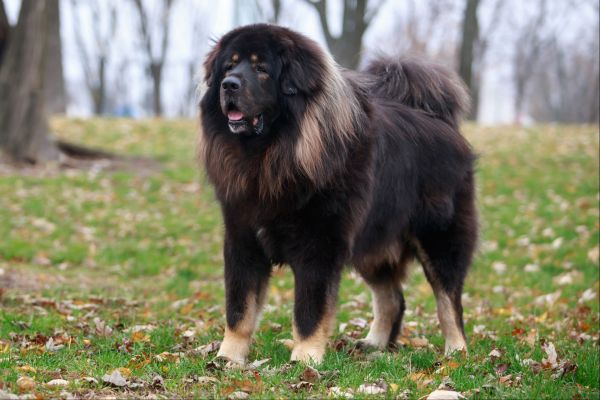
Few dogs make an entrance quite like the Tibetan Mastiff.
With a massive frame, flowing double coat, powerful head, and naturally watchful expression, this ancient breed can look more like a mythical guardian than an ordinary household dog. Often described as a majestic or lion-like breed, the Tibetan Mastiff was developed for guarding homes, camps, monasteries, and property in the Himalayan region.
But beneath all that impressive fur is a dog with a very independent mind.
A Tibetan Mastiff isn’t simply a giant fluffy companion. This is a strong-willed guardian breed that needs thoughtful socialization, consistent training, secure surroundings, and an owner who understands its natural protective instincts.
So what makes the Tibetan Mastiff so special—and what should you know before bringing one home?
An Ancient Himalayan Guardian
The Tibetan Mastiff has roots stretching back thousands of years in Tibet and surrounding Himalayan regions. Historical accounts describe large Tibetan guardian dogs long before the breed became familiar to Western dog enthusiasts.
For generations, these dogs worked alongside people, guarding homes, monasteries, camps, and property. Their job wasn’t necessarily to chase every potential threat. Instead, their size, confidence, alertness, and powerful bark could act as a serious deterrent.
The breed’s long history of independent guarding helped shape many of the characteristics owners recognize today: confidence, patience, territorial awareness, loyalty, and a tendency to make decisions without waiting for constant instructions.
The American Kennel Club officially recognized the Tibetan Mastiff in 2006 and places it in the Working Group.
Why Is the Tibetan Mastiff Called the “King of Dogs”?
There isn’t an official title that makes the Tibetan Mastiff the king of all dogs.
The nickname comes from its extraordinary combination of size, appearance, confidence, and ancient guardian heritage.
A mature Tibetan Mastiff can have an imposing presence without constantly acting frantic or aggressive. The breed is generally described as watchful, aloof, and protective, while being devoted to the people it knows.
That combination is part of the appeal.
A Tibetan Mastiff can spend much of the day relaxing and observing its surroundings, then become highly alert when something unfamiliar catches its attention.
A Guardian by Nature
The Tibetan Mastiff was bred to guard, and that instinct remains an important part of the breed’s personality.
These dogs can be:
- Protective of their homes
- Reserved around unfamiliar people
- Alert to unusual sounds
- Loyal to their families
- Territorial about their surroundings
- Independent in decision-making
That doesn’t mean every Tibetan Mastiff is aggressive. In fact, responsible breeding, early socialization, training, and individual temperament all matter.
The challenge is that an enormous dog with strong territorial instincts needs responsible management. Owners should not assume that a Tibetan Mastiff will automatically welcome every visitor, dog, or stranger.
Early socialization helps puppies learn that different people, environments, sounds, and experiences don’t automatically represent a threat.
The Famous Tibetan Mastiff Bark
One of the breed’s most recognizable characteristics is its deep, powerful bark.
Historically, barking was useful for a guardian whose job was to alert people and discourage potential intruders.
Modern owners, however, may discover that this impressive ability has a downside.
A Tibetan Mastiff can be particularly vocal at night, especially when it detects activity outside the home. This makes the breed potentially difficult for homes where neighbors are very close.
If you’re hoping for a dog that rarely makes noise, this breed may not fit that lifestyle.
Built for Cold and Harsh Conditions
The Tibetan Mastiff’s coat is one of its defining physical characteristics.
It has a dense double coat consisting of coarse outer guard hair and a softer undercoat. The coat developed to help the breed cope with the demanding conditions of its Himalayan origins.
The coat also gives the breed its famous mane-like appearance, particularly around the neck and shoulders.
Colors can include black, brown, blue-gray, and gold, with various markings depending on the individual dog.
Prepare for Shedding
That impressive coat comes with an equally impressive amount of hair.
Tibetan Mastiffs can experience a major seasonal shedding period when they lose much of their heavier undercoat. During this time, owners may need to spend considerably more time brushing and cleaning the home.
For most of the year, regular brushing can help keep the coat free of dirt and tangles.
Independent Doesn’t Mean Unintelligent
One of the most interesting things about Tibetan Mastiffs is that intelligence and obedience aren’t necessarily the same thing.
This is a highly intelligent breed, but it wasn’t developed to constantly wait for a person’s instructions. Guardian dogs were expected to assess situations and make decisions independently.
As a result, a Tibetan Mastiff may understand what you’re asking and still decide that another option makes more sense.
That’s why training requires patience and consistency.
The breed generally isn’t considered an easy choice for first-time dog owners. Early training and extensive socialization are particularly important.
Training a Tibetan Mastiff
Training should begin early and remain consistent.
Because these dogs become large and powerful, teaching basic manners while they’re young is especially important.
Useful skills include:
- Responding to their name
- Walking politely on a leash
- Basic obedience cues
- Settling calmly
- Accepting handling
- Coming when called in appropriate controlled situations
- Remaining calm around visitors
- Learning appropriate boundaries
Positive reinforcement is generally preferred over harsh physical corrections. The American Tibetan Mastiff Association specifically recommends positive reinforcement and emphasizes extensive socialization.
Because recall may not be reliable, owners should be particularly careful about allowing an adult Tibetan Mastiff off leash.
Is a Tibetan Mastiff Good With Families?
A well-socialized Tibetan Mastiff can form a strong bond with its family.
These dogs can be affectionate with people they know while remaining reserved around strangers. Their protective nature means owners need to manage introductions carefully and teach the dog appropriate behavior around visitors.
They can potentially live successfully with families, particularly when the owners are experienced and committed to training and management. However, their size, independence, and territorial instincts mean they aren’t the easiest choice for every household.
Families with children should provide supervision and teach both the dog and children how to interact safely.
They Need Space and Secure Boundaries
A Tibetan Mastiff isn’t an ideal match for every living arrangement.
Its size and guardian instincts can make a securely enclosed property much more practical than a small apartment.
A secure fence is especially important because owners shouldn’t assume that a powerful guardian breed will remain happily contained behind an inadequate barrier.
The dog also needs opportunities for appropriate exercise, mental stimulation, exploration, and interaction with its family.
You don’t necessarily need to turn your backyard into an obstacle course. Consistent routines and meaningful activities are more useful than simply trying to exhaust the dog.
Hot Weather Can Be Challenging
This is especially important for people living in warm or humid climates.
A thick double coat that is useful in cold mountain conditions can become uncomfortable when temperatures rise.
Tibetan Mastiff owners should provide:
- Plenty of fresh water
- Shade
- A cool indoor area
- Good ventilation or appropriate climate control
- Exercise during cooler parts of the day
- Careful monitoring during hot weather
Don’t assume that shaving the coat is the solution. The breed’s double coat serves important functions, and coat care should focus on keeping it healthy rather than removing it unnecessarily.
If a dog shows signs of heat-related distress, seek veterinary help promptly.
The breed’s historical adaptation to cold environments is one reason AKC guidance notes that Tibetan Mastiffs generally aren’t as comfortable in hot, humid climates.
How Much Grooming Does a Tibetan Mastiff Need?
Despite its enormous coat, grooming isn’t necessarily an everyday marathon.
Regular brushing can help remove dirt, prevent tangles, and manage loose hair. During the breed’s heavy shedding period, however, you’ll likely need additional grooming.
The AKC notes that weekly brushing can be sufficient for much of the year, with additional undercoat removal during seasonal shedding.
Other routine care includes:
- Nail trimming
- Dental care
- Ear checks
- Coat inspections
- Regular veterinary examinations
A grooming routine is also a good opportunity to teach a young Tibetan Mastiff that being handled is normal.
The Tibetan Mastiff Is More Than a Giant Fluffy Dog
It’s easy to focus on the breed’s appearance.
That mane-like coat and enormous presence make the Tibetan Mastiff look spectacular in photographs. But appearance shouldn’t be the main reason someone chooses this breed.
The real appeal is its personality.
This is a dog shaped by centuries of independent guardian work. It can be calm, observant, loyal, confident, and deeply attached to its household while remaining cautious about unfamiliar people.
In other words, this isn’t a breed designed to be everyone’s best friend.
It’s a guardian.
What Makes the Breed Different From Easier-to-Train Dogs?
Many popular working breeds were developed to cooperate closely with humans and respond quickly to repeated instructions.
The Tibetan Mastiff has a different history.
Its traditional work required independent judgment. That history helps explain why the breed can seem stubborn even when it is perfectly capable of understanding what its owner wants.
For an experienced owner, this independence can be fascinating.
For someone expecting immediate obedience, it can become frustrating.
Understanding that difference is essential before bringing one home.
Tibetan Mastiff Pros and Challenges
| Potential Advantages | Potential Challenges |
|---|---|
| Strong family loyalty | Independent temperament |
| Natural guardian instincts | Territorial behavior |
| Impressive appearance | Heavy seasonal shedding |
| Intelligent and observant | Can be difficult to train |
| Calm at home in many situations | Powerful barking |
| Adapted to cold climates | Can struggle in hot, humid weather |
| Strong sense of territory | Requires careful socialization |
| Unique ancient heritage | Not ideal for inexperienced owners |
Is the Tibetan Mastiff Right for You?
Before choosing this breed, ask yourself some honest questions.
Can you handle a very large dog?
A Tibetan Mastiff isn’t a dog that remains tiny for long. Training, handling, transportation, feeding, grooming, and veterinary care all need to be considered before bringing one home.
Are you comfortable with an independent personality?
If you want a dog that eagerly repeats the same command twenty times for a reward, you may find the Tibetan Mastiff frustrating.
Can you manage a protective dog?
Visitors, delivery workers, neighbors, and unfamiliar animals can all become important management considerations.
Do you have secure outdoor space?
A reliable physical boundary is important for a powerful, territorial breed.
Can you handle the coat?
The beautiful coat comes with significant shedding, especially during seasonal coat changes.
Can you keep the dog cool?
If you live somewhere hot, you need a realistic plan for temperature management.
Frequently Asked Questions
Why is the Tibetan Mastiff called the King of Dogs?
“King of Dogs” is an informal nickname inspired by the breed’s imposing appearance, ancient history, protective nature, and majestic coat. It isn’t an official breed title.
Are Tibetan Mastiffs aggressive?
The breed is naturally protective and can be territorial or reserved with strangers, but that doesn’t mean every Tibetan Mastiff is aggressive. Individual temperament, genetics, socialization, training, and management all matter.
Are Tibetan Mastiffs easy to train?
Generally, no. They are intelligent but independent and can be less responsive to repetitive obedience training than more handler-focused breeds. Early training and socialization are especially important.
Do Tibetan Mastiffs shed a lot?
They can shed heavily, particularly during their seasonal coat blow. Regular brushing can help manage loose hair.
Can Tibetan Mastiffs live in hot climates?
They can be kept in warmer regions with careful management, but their heavy coat is better suited to cold conditions. Owners in hot or humid climates need to provide reliable cooling, shade, water, and sensible exercise schedules.
Are Tibetan Mastiffs good apartment dogs?
Their size, territorial instincts, barking, and need for appropriate management can make apartment living challenging. The individual dog’s needs and the living environment matter, but this breed generally requires a particularly committed owner.
Are Tibetan Mastiffs good for first-time dog owners?
They are generally better suited to experienced owners who understand large, independent guardian breeds.
Do Tibetan Mastiffs need lots of exercise?
They need regular activity and mental engagement, but they aren’t simply dogs that should be exercised until exhausted. Their guardian background and independent temperament mean that appropriate routines, training, exploration, and family interaction are important.
Final Thoughts
The Tibetan Mastiff earns its reputation through far more than its spectacular appearance.
It is an ancient guardian with an independent mind, a powerful presence, a remarkable double coat, and a strong connection to the people and territory it considers its own.
For the right experienced owner, that combination can be incredibly rewarding.
But this isn’t a breed to choose simply because you want the biggest, fluffiest dog in the neighborhood. A Tibetan Mastiff requires responsible socialization, consistent training, secure surroundings, coat care, and careful consideration of climate and lifestyle.
Treat this ancient guardian with understanding and respect, and you may discover why the Tibetan Mastiff has fascinated people for centuries.








Leave a comment