



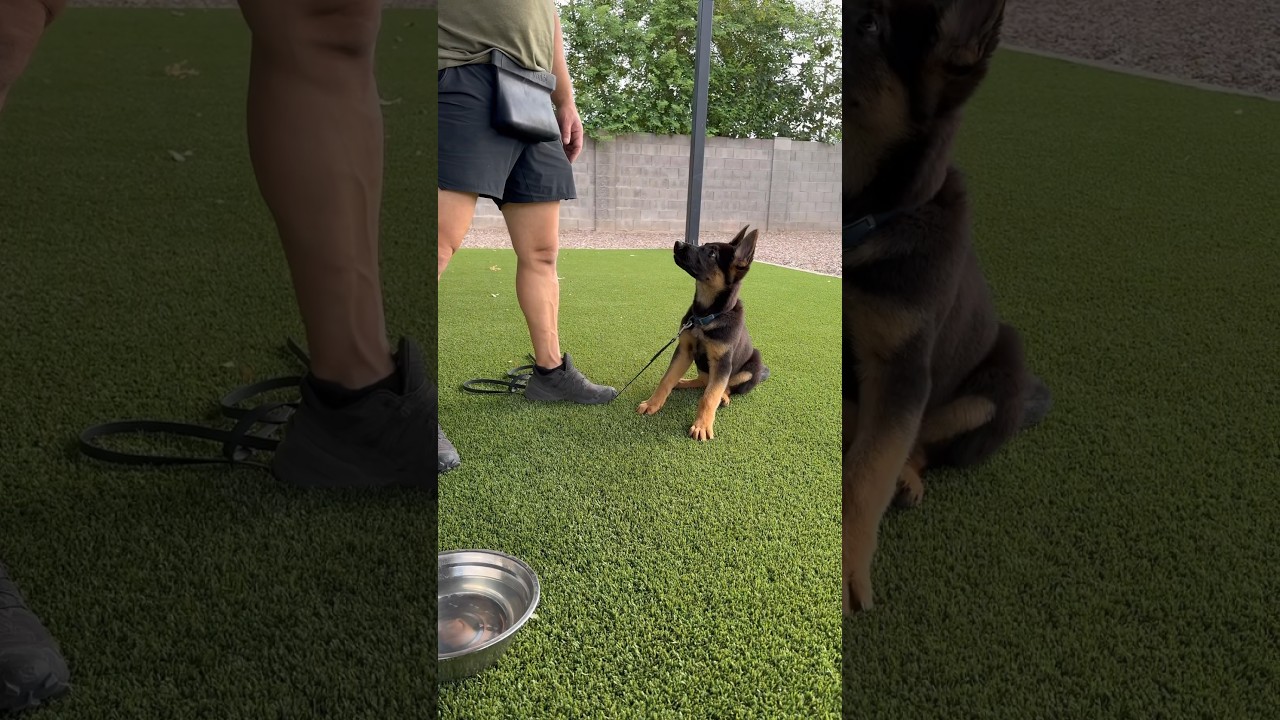


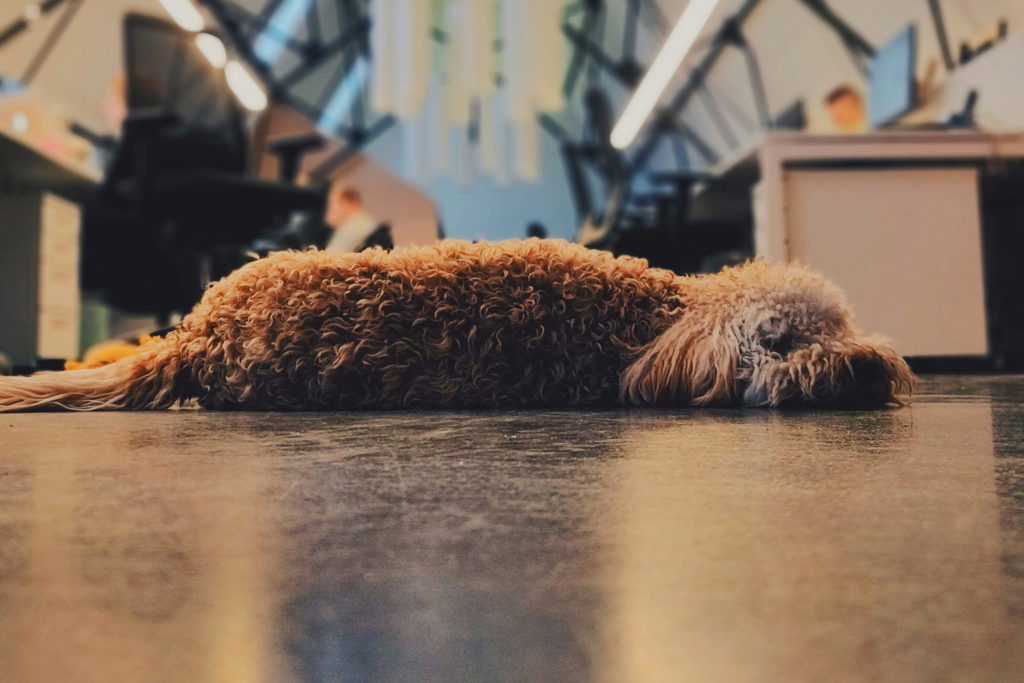
A dog-friendly workplace can sound like the perfect arrangement. Instead of leaving your dog home alone, you get to spend the workday together.
But bringing a dog to the office isn’t automatically the best option for every pet.
An office can be busy, noisy, distracting, and difficult to manage around meetings and deadlines. Some dogs may enjoy the experience, while others may become bored, anxious, overstimulated, or frustrated.
Before bringing your dog to work, consider these important factors.
1. Your Dog May Not Get Enough Movement
Most dogs need opportunities throughout the day to move around, stretch, sniff, and explore.
If your dog spends several hours lying underneath your desk or staying in a small area beside your chair, they may not receive enough physical activity. You may be able to take breaks during the workday, but your dog depends on you for bathroom trips, exercise, and enrichment.
A lack of activity can contribute to restlessness and boredom.
If your dog is going to spend the day at work, plan regular opportunities for:
- Bathroom breaks
- Short walks
- Sniffing and exploration
- Play
- Training
- Water breaks
- Quiet rest
A dog doesn’t need to be active every minute, either. In fact, learning to settle calmly is an important skill. The goal is to provide a reasonable balance between activity and rest.
2. Offices Can Be Overstimulating
Think about everything that happens in a typical workplace.
Phones ring. Doors open and close. People walk past. Meetings begin. Printers make noise. Coworkers talk. Deliveries arrive.
For some dogs, all these sights and sounds can be exciting. For others, they can become overwhelming.
A dog that is constantly reacting to people walking past the desk may struggle to relax. You might notice:
- Repeated barking
- Whining
- Pacing
- Panting when it isn’t hot
- Hiding
- Excessive attention-seeking
- Difficulty settling down
- Repeatedly trying to leave the area
These behaviors can indicate that the environment isn’t comfortable for your dog.
3. Your Dog Could Get Into Something Dangerous
Offices aren’t necessarily designed with dogs in mind.
Electrical cords, trash cans, cleaning products, small office supplies, food wrappers, and dropped snacks can all attract a curious dog.
Some human foods can also be dangerous for dogs, including chocolate, grapes, raisins, onions, garlic, and products containing xylitol.
Even something as ordinary as a small object on the floor can become a choking or swallowing hazard.
Before bringing your dog into an office, look around from your dog’s perspective. Secure anything they could chew, swallow, knock over, or otherwise investigate.
4. Other Dogs May Not Be a Good Match
A dog-friendly office can sometimes mean several dogs sharing the same environment.
That doesn’t mean every dog will want to socialize.
Dogs have individual personalities and different levels of comfort around unfamiliar animals. One dog may happily greet everyone, while another may prefer to keep their distance.
Forced interactions can create unnecessary stress.
Watch for body-language signals such as:
- Turning away
- Lip licking
- Yawning
- Trying to hide
- Stiffening
- Avoiding another dog
- Repeatedly seeking their owner
- Growling or snapping
If two dogs aren’t comfortable together, giving them space is often safer than encouraging them to interact.
5. Your Dog Still Needs Bathroom Breaks
Your work schedule doesn’t change your dog’s physical needs.
A dog that normally receives regular bathroom opportunities at home may need the same consideration at the office.
Long meetings can make this difficult.
If you’re expected to remain at your desk for several hours or frequently attend meetings where pets aren’t allowed, bringing your dog may create a challenging routine for both of you.
Before bringing your dog to work, think realistically about who will provide bathroom breaks when you’re unavailable.
6. Your Work Could Become More Difficult
Your dog may be adorable, but working from an office with a pet requires responsibility.
You may need to interrupt your work to:
- Take your dog outside
- Refill their water
- Clean up an accident
- Redirect unwanted behavior
- Prevent barking
- Handle interactions with coworkers
- Deal with a dog that wants attention during meetings
If your job requires long periods of concentration, frequent calls, or meetings, these interruptions may make the arrangement difficult.
A dog-friendly workplace also means respecting coworkers who may be nervous around dogs, allergic to them, or simply prefer not to interact with pets.
7. A Dog-Friendly Office Isn’t Right for Every Dog
Some dogs genuinely enjoy coming to work.
A confident, social dog that can settle quietly, tolerate workplace activity, and behave appropriately around people may adapt well to an office.
Other dogs may be happier at home, with a dog walker, with a trusted sitter, or in a suitable daycare environment.
Consider your dog’s:
- Age
- Temperament
- Energy level
- Social preferences
- Training
- Ability to settle
- Comfort around strangers
- Comfort around other dogs
- Bathroom routine
- Separation-related behaviors
- Individual health needs
The goal shouldn’t simply be to keep your dog physically close to you. The goal is to choose an environment where they can be comfortable and have their needs met.
When Can Bringing Your Dog to Work Actually Work?
A dog-friendly office can be a reasonable option when the workplace genuinely accommodates pets and your dog is comfortable there.
You may have a better experience if:
- Dogs are officially permitted.
- Your dog is comfortable around people.
- Your dog can relax for periods of time.
- You have access to appropriate bathroom areas.
- Your dog can receive regular breaks.
- The workspace is reasonably safe.
- Other dogs are managed responsibly.
- You can prevent your dog from disturbing coworkers.
- You can leave if your dog becomes overwhelmed.
It’s also worth starting with a short visit rather than immediately expecting your dog to handle an entire workday.
What Can You Do Instead?
If your dog doesn’t thrive at the office, there are several alternatives.
Take a Break During the Workday
If your schedule allows, return home during lunch for a bathroom break, short walk, or some attention.
Hire a Dog Walker
A trusted dog walker can provide exercise and a bathroom break while you’re working.
Ask a Trusted Friend or Family Member
Someone nearby may be able to check on your dog during the day.
Consider Dog Daycare
For suitable dogs, a reputable daycare can provide supervised activity and social interaction while you’re working.
However, daycare isn’t automatically appropriate for every dog. Look for facilities with appropriate supervision, safe group management, rest periods, vaccination requirements, and staff who understand canine body language.
Create a Better Home Environment
If your dog prefers staying home, make their environment comfortable and enriching.
Depending on their needs, you might provide:
- A comfortable resting area
- Safe chew toys
- Food puzzles
- Sniffing activities
- Appropriate toys
- Access to fresh water
- A predictable daily routine
A midday walk or visit can make a significant difference for a dog spending part of the day alone.
How to Tell If Your Dog Isn’t Enjoying the Office
Don’t assume that your dog is happy simply because they are physically beside you.
Look at their overall behavior.
Signs that your dog may be struggling include persistent pacing, hiding, excessive vocalization, repeated attempts to escape, inability to settle, or tense interactions with people or other animals.
On the other hand, a dog that comfortably rests, takes treats normally, interacts appropriately, and settles between activities may be coping better with the environment.
Every dog is different, so pay attention to their individual body language.
Final Thoughts
Bringing your dog to the office isn’t necessarily bad—but it isn’t automatically good for every dog either.
The right choice depends on your workplace, your responsibilities, and most importantly, your dog’s individual temperament and needs.
If your dog enjoys the office and can comfortably rest, exercise, and interact appropriately, it may be a positive experience. If the environment leaves them stressed or constantly overstimulated, another daytime arrangement may be better.
Instead of asking, “Can I bring my dog to work?”, consider asking, “Is this environment actually comfortable and healthy for my dog?”
That question can help you make a decision that works for both of you.









Leave a comment