




Summer can be enjoyable for dogs, but hot temperatures can also create serious safety risks. While people can turn on the air conditioner, drink something cold, or move indoors whenever they feel uncomfortable, dogs rely on us to help them stay cool.
High temperatures can contribute to overheating, dehydration, burned paws, and heatstroke. Fortunately, a few simple precautions can make summer much safer and more comfortable for your dog.
1. Always Provide Plenty of Fresh Water
Hydration is one of the most important parts of summer dog care. Make sure your dog has access to fresh, clean water throughout the day.
When heading outside for a walk, hike, or trip to the park, take water with you. A portable or collapsible bowl can make it easier to offer your dog frequent drink breaks.
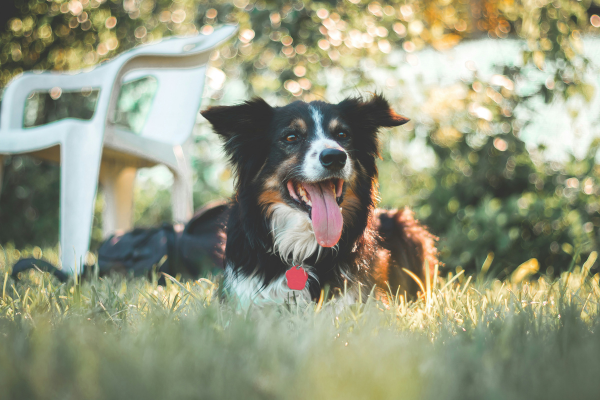
Keep an eye on your dog’s water intake, especially during exercise or particularly hot weather. A dog that is panting heavily may need a break in a cool area and access to water.
2. Give Your Dog Plenty of Shade
Direct sunlight can quickly make an outdoor area uncomfortable for a dog. Whenever your dog is outside during hot weather, provide access to a shaded, well-ventilated place where they can rest.
Try to schedule walks and outdoor activities during cooler parts of the day, such as early morning or evening. The middle of the day is often when temperatures and surface heat are at their highest.
Remember that shade can change throughout the day, so check that your dog’s resting area remains protected from direct sunlight.
3. Make Refreshing Frozen Treats
Frozen treats can provide a fun way to help your dog stay comfortable during warm weather.
You can freeze dog-safe fruits or vegetables in small portions to create refreshing snacks. You can also freeze some of your dog’s regular food or treats inside a suitable food puzzle for an activity that combines enrichment with cooling.
Always make sure the ingredients are safe for dogs and keep treats appropriate for your dog’s normal diet.
4. Protect Your Dog’s Paws From Hot Surfaces
Pavement, asphalt, sand, and other outdoor surfaces can become extremely hot under summer sunlight. Your dog’s paw pads can burn even when the air temperature doesn’t seem unbearable.
A simple way to check a surface is to place the back of your hand against it for several seconds. If the surface is too hot for your hand, it may be too hot for your dog’s paws.
Whenever possible, choose grassy or shaded routes and avoid walking on hot pavement during the hottest part of the day.
Also remember that surfaces inside vehicles can become dangerously hot. Never leave your dog unattended in a parked car.
5. Consider Dog-Friendly Cooling Products
Cooling accessories can provide additional comfort during hot weather. Depending on your dog’s needs, options may include cooling mats, cooling vests, or cooling bandanas.
These products should be viewed as an extra tool rather than a replacement for shade, water, ventilation, and appropriate activity levels.
Give your dog the opportunity to move away from a cooling product if they become uncomfortable with it, and always follow the manufacturer’s instructions.
6. Know the Warning Signs of Heatstroke
Heatstroke is a serious emergency and can develop quickly, particularly when a dog is exercising or exposed to high temperatures for too long.
Possible warning signs include:
- Excessive or unusually heavy panting
- Excessive drooling
- Bright red or unusually pale gums
- Weakness or extreme tiredness
- Vomiting
- Diarrhea
- Confusion or disorientation
- Trouble walking or maintaining balance
- Collapse
If you suspect your dog is suffering from heatstroke, move them to a cooler environment and seek veterinary assistance immediately. Do not wait for symptoms to become severe.
Because heatstroke can be life-threatening, prompt veterinary care is important even if your dog appears to improve after being moved somewhere cooler.
7. Watch for Other Summer Heat Problems
Heatstroke isn’t the only concern during hot weather. Dogs can also experience dehydration, sunburn, and painful paw injuries.
Dehydration
Watch for changes such as unusual tiredness, heavy panting, dry or sticky gums, or other signs that your dog isn’t coping well with the heat. Make fresh water available and reduce activity when temperatures rise.
If your dog appears seriously unwell or you are concerned about dehydration, contact your veterinarian.
Sunburn
Dogs with short, thin, or light-colored coats may be particularly vulnerable to sun exposure. Areas with less hair, such as the ears and nose, can also be exposed.
If you are considering sunscreen for your dog, use a product specifically appropriate for dogs and ask your veterinarian which option is suitable.
Burned Paw Pads
Hot pavement and sand can damage paw pads. Check your dog’s paws after outdoor activities and choose cooler surfaces whenever possible.
How to Keep Your Dog Active Without Overheating
Dogs still need physical and mental stimulation during summer, but exercise should be adjusted according to the weather.
Instead of a long walk during the hottest part of the day, consider:
- Short walks during cooler hours
- Indoor games
- Puzzle toys
- Scent-based activities
- Basic obedience training
- Food enrichment
- Supervised play in a cool environment
- Gentle indoor fetch
Remember that every dog handles heat differently. Puppies, senior dogs, overweight dogs, dogs with certain medical conditions, and short-nosed breeds may require additional care in hot weather.
What to Do If Your Dog Gets Too Hot
If your dog begins showing signs of overheating, stop exercise immediately and move them to a cool, shaded or air-conditioned location.
Offer water and allow your dog to rest. If you notice signs associated with heatstroke, particularly weakness, confusion, vomiting, difficulty walking, or collapse, seek veterinary care immediately.
Avoid treating a serious heat-related emergency as something that can simply be managed at home.
A Cool Summer Is a Safer Summer
Keeping your dog comfortable during summer doesn’t mean they have to stay indoors all season. With good planning, you can still enjoy walks, playtime, and outdoor adventures while reducing their exposure to dangerous heat.
Keep fresh water available, provide shade, avoid hot surfaces, choose cooler times for exercise, and learn the warning signs of heat-related illness.
Most importantly, pay attention to your individual dog’s behavior. If they seem unusually tired, uncomfortable, or unable to cope with the heat, it’s time to stop the activity and get them somewhere cooler.
A little preparation can help your dog enjoy the summer safely, comfortably, and happily.





Leave a comment