


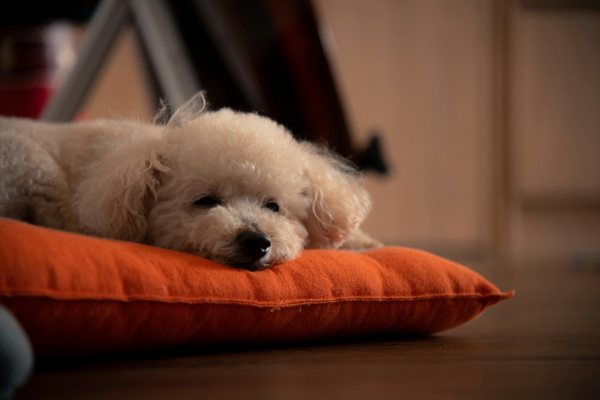
Fireworks may be exciting for people, but the sudden explosions, flashes, and unpredictable noises can be frightening for dogs. Even a dog that normally seems confident can become anxious when fireworks begin.
Some dogs may hide, pace, bark, tremble, pant heavily, or try to escape. Because fear can cause unexpected behavior, preparing before the first fireworks start is one of the best ways to protect your dog.
Whether you’re dealing with a holiday celebration, New Year’s Eve, or a local event, these tips can help make the evening less stressful for your canine companion.
1. Keep Your Dog Away From the Fireworks
The safest place for most dogs during a fireworks display is indoors and away from the noise and crowds.
Don’t take your dog to a fireworks show simply because they appear comfortable with other loud sounds. Fireworks are different from ordinary household noises because they combine sudden bangs, flashes of light, vibrations, and unpredictable timing.
Keep your dog inside before the fireworks begin and make sure doors, windows, gates, and other possible escape routes are secure.
If your dog normally spends time outdoors, bring them inside before the celebration gets underway.
2. Create a Comfortable Safe Space
Give your dog somewhere they can retreat when the fireworks become overwhelming.
A quiet room away from windows can work well. Depending on your home, this might be a bedroom, interior room, crate area, or another familiar space where your dog already feels comfortable.
Add familiar items such as:
- Their favorite bed or blanket
- A familiar toy
- A safe chew
- A comfortable crate, if they already enjoy using one
- An item carrying your familiar scent
Close curtains or blinds to reduce flashes from outside.
You can also use background sound to help mask some of the fireworks. Try a television, fan, white-noise machine, or calm music at a comfortable volume.
Let Your Dog Choose Their Comfort Zone
Don’t force your dog to stay in one particular spot if they prefer another safe location.
Some dogs may hide under furniture or move to a quieter part of the home. If the location is safe, allowing them to retreat can help them cope with the stressful event.
3. Start Fireworks Desensitization Before the Holiday
If your dog becomes frightened by fireworks every year, preparation shouldn’t begin on the day of the celebration.
Desensitization can be introduced well ahead of time using recordings of fireworks.
Start with the recording at a very low volume while your dog is relaxed. Pair the sound with something positive, such as:
- Small treats
- A favorite toy
- Gentle play
- Calm interaction
If your dog remains comfortable, the volume can be increased gradually during future sessions.
The goal is to prevent the sound from immediately triggering a fear response.
Don’t Rush the Process
If your dog becomes frightened, increase the distance or lower the volume rather than continuing at the same intensity.
Desensitization works best when the dog remains below the level at which they become highly distressed.
For severe noise phobia, a veterinarian or qualified veterinary behavior professional can help create a more appropriate behavior plan.
4. Make Sure Your Dog’s Identification Is Current
Fear can cause dogs to behave in ways their owners don’t expect.
A frightened dog may rush through an open door, squeeze through a gap, jump a fence, or run farther than usual.
Before fireworks season, check that your dog’s identification information is accurate.
Make sure:
- ID tags are securely attached.
- Your phone number is current.
- Your address or other contact information is up to date where appropriate.
- Your dog’s microchip registration information is current, if they are microchipped.
It’s also worth checking gates, doors, windows, and fencing before the evening begins.
Taking these precautions can make it much easier to reunite with your dog if they accidentally escape.
5. Exercise Your Dog Earlier in the Day
Physical and mental activity earlier in the day may help your dog settle more easily in the evening.
Consider giving your dog an age-appropriate walk, play session, training activity, or enrichment game while conditions are still comfortable.
However, don’t try to exhaust your dog with excessive exercise.
The goal is to provide normal, healthy activity—not to push your dog beyond their limits.
If fireworks are expected later in the evening, finish outdoor activities and bathroom breaks before the noise becomes intense.
6. Stay Calm and Offer Reassurance
Dogs often pay close attention to their surroundings and may react to changes in their owner’s behavior.
During fireworks, keep your movements and voice calm. Continue interacting with your dog in a normal, reassuring manner.
If your dog seeks you out, you can sit nearby and provide gentle attention if they enjoy it.
Avoid forcing interaction if your dog wants to retreat.
The most helpful approach is often to make yourself available while allowing your dog to choose how much contact they want.
7. Consider Professional Help for Severe Fireworks Anxiety
Some dogs experience much more than mild nervousness around fireworks.
Signs of significant distress can include:
- Persistent trembling
- Heavy panting
- Excessive drooling
- Repeated pacing
- Constant barking or whining
- Destructive attempts to escape
- Hiding for prolonged periods
- Refusing food
- Trying to break through doors or windows
- Self-injury while attempting to escape
If your dog experiences severe fireworks fear, talk with your veterinarian before the next major celebration.
Depending on the situation, your veterinarian may recommend behavior modification, environmental changes, or other appropriate treatment options.
Don’t give your dog human medication or another calming product unless your veterinarian has specifically advised you to do so.
What to Do on Fireworks Night
A little preparation can make the evening much easier.
Before the fireworks
- Take your dog outside for exercise and a bathroom break.
- Prepare their safe space.
- Close windows and curtains.
- Turn on background noise.
- Check doors and gates.
- Make sure identification information is current.
- Keep treats, toys, and water nearby.
During the fireworks
- Keep your dog indoors.
- Stay calm and relaxed.
- Allow your dog to hide if the location is safe.
- Keep doors and windows secured.
- Offer familiar toys or enrichment if your dog is interested.
- Avoid forcing your dog to interact with guests.
After the fireworks
Wait until the environment is quiet before taking your dog outside.
Check the yard or surrounding area for fireworks debris or other hazards before allowing your dog to explore.
Should You Leave Your Dog Alone During Fireworks?
If your dog has a history of severe fireworks anxiety, leaving them alone during a major fireworks display may not be ideal.
If possible, arrange for a trusted person to stay with them.
If you must leave, make sure your dog is in a secure, familiar indoor environment and has access to water, bedding, and safe enrichment.
A home camera can also help you observe their behavior while you’re away, although it cannot replace hands-on supervision when a dog is at risk of injuring itself.
Can Calming Products Help Dogs During Fireworks?
Some dogs may benefit from products designed to create a sense of comfort or reduce environmental stimulation.
Depending on the individual dog, options may include:
- Anxiety wraps or pressure garments
- White-noise machines
- Calming music
- Food puzzles
- Long-lasting, veterinarian-approved chews
- Comfortable crates or enclosed resting areas
No product works for every dog, however.
If your dog has significant noise anxiety, ask your veterinarian which options are appropriate before using a new calming product.
Frequently Asked Questions
Why are dogs afraid of fireworks?
Fireworks produce sudden, extremely loud and unpredictable sounds. The flashes, vibrations, and unfamiliar environment can make the experience even more stressful for some dogs.
Should I take my dog outside during fireworks?
It’s generally safer to keep dogs indoors while fireworks are being launched. If your dog needs a bathroom break, wait for a quieter period and keep them securely leashed.
Can I comfort my dog when they are scared?
Yes. If your dog seeks reassurance, calm interaction can be appropriate. However, don’t force cuddling or physical contact if your dog wants to hide or have space.
Does playing music help dogs with fireworks anxiety?
Background sounds may help mask some outside noise for certain dogs. You can experiment with television, calm music, fans, or white noise before fireworks begin.
Can I train my dog to stop being afraid of fireworks?
Gradual desensitization and counterconditioning may help some dogs become less sensitive to fireworks. This process should be started well before the event and progressed slowly.
What if my dog tries to escape during fireworks?
Immediately secure your dog indoors and check doors, windows, and other exits. If escape attempts are severe or your dog is at risk of injury, contact your veterinarian for guidance.
Final Thoughts
Fireworks don’t have to become an annual nightmare for your dog.
The most important steps are preparation, security, and patience. Keep your dog indoors, provide a comfortable retreat, reduce the impact of loud noises, make sure their identification is current, and avoid unnecessary exposure to the fireworks.
For dogs with severe noise anxiety, don’t wait until the next celebration to seek help. A veterinarian can help you develop a plan tailored to your dog’s needs.
With the right preparation, you can make fireworks night safer and more comfortable for your four-legged family member.






Leave a comment