




Summer is a great opportunity to spend more time outdoors with your dog. Instead of exercising separately, you can turn your daily fitness routine into something you both enjoy.
Regular physical activity can help dogs maintain a healthy weight, support muscle and joint strength, provide mental stimulation, and give them an outlet for their energy. Pet parents can benefit from staying active alongside their canine companions, too.
However, warm weather requires extra planning. Dogs can overheat more quickly than people, so exercise should be introduced gradually and adjusted according to the temperature, your dog’s fitness level, age, breed, and overall health.
Here are five fun ways to stay fit with your dog this summer.
1. Go for a Brisk Walk or Run
A walk is one of the easiest activities to share with your dog because it’s probably already part of your routine.
Once your dog is comfortable with regular walks, you can gradually increase the distance or pace. You might turn an ordinary walk into a brisk power walk or, if your dog is physically suited for it, slowly work toward jogging together.
Walking and running can help both of you stay active while giving your dog an opportunity to explore new smells and surroundings.
Be Careful With Hot Pavement
Summer pavement can become much hotter than the surrounding air and may burn your dog’s paw pads.
Whenever possible:
- Choose grassy or shaded routes.
- Avoid walking during the hottest part of the day.
- Check the pavement temperature before setting out.
- Take frequent water breaks.
- Watch your dog for signs of fatigue or overheating.
- Carry fresh drinking water for both of you.
Your dog may not be able to tell you that the ground is too hot, so pay attention to their behavior and paws.
2. Go Swimming Together
Swimming can be a refreshing summer activity for dogs and their humans.
For dogs that enjoy water and are physically capable of swimming, it can provide exercise while placing less impact on the joints than some land-based activities.
Swimming can help dogs work their muscles while also providing cardiovascular exercise.
However, not every dog is a natural swimmer.
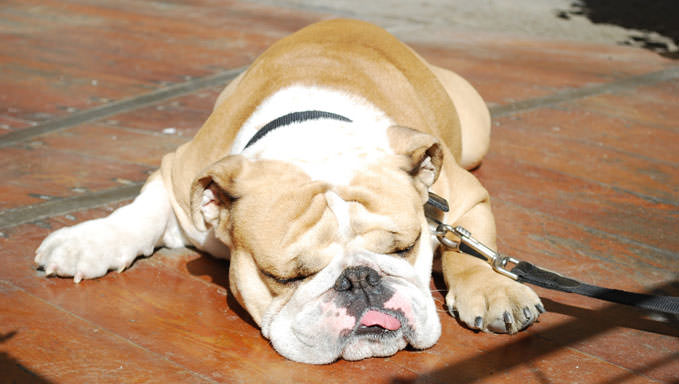
Dogs with certain body shapes, short legs, or flat faces may have more difficulty staying afloat. Puppies, senior dogs, anxious dogs, or dogs with health problems may also need special consideration.
Keep Water Safety a Priority
If your dog swims:
- Never leave them unattended.
- Consider a properly fitted dog life jacket.
- Make sure they have an easy way to get out of the water.
- Provide fresh drinking water so they don’t rely on pool or saltwater.
- Take breaks when your dog becomes tired.
- Check the water for dangerous currents, debris, wildlife, or poor water quality.
Swimming should be enjoyable, not an endurance test. End the session before your dog becomes exhausted.
3. Take Your Dog on a Summer Hike
If you have access to safe hiking trails, exploring nature with your dog can provide both physical exercise and mental stimulation.
Hiking is different from walking on a flat sidewalk because dogs have to navigate changing surfaces, slopes, roots, rocks, and other natural obstacles.
The new sights and smells can also give your dog’s brain plenty to investigate.
Hiking Safety Tips
Before heading out:
- Check the weather forecast.
- Choose a trail appropriate for your dog’s fitness level.
- Bring enough water for both of you.
- Pack food or appropriate snacks for longer outings.
- Tell someone where you’re going.
- Learn about wildlife commonly found in the area.
- Keep your dog under control and follow local leash rules.
After the hike, inspect your dog carefully.
Check their paws for cuts, abrasions, or debris. Run your hands through their coat and look for ticks, burrs, grass seeds, or other materials that may have become trapped in their fur.
If the weather becomes excessively hot, consider postponing the hike until conditions are safer.
4. Build a Backyard Obstacle Course
You don’t need expensive agility equipment to create an entertaining workout for your dog.
A simple backyard obstacle course can combine movement, coordination, training, and mental stimulation.
You can use safe household items or dog-friendly equipment to create activities such as:
- Walking around cones
- Going through hoops
- Stepping over low obstacles
- Moving between markers
- Following a simple course
- Practicing commands between obstacles
You can also move alongside your dog to get some exercise yourself.
Keep Training Positive
Start slowly and introduce one obstacle at a time.
Commands such as “sit,” “stay,” “come,” and “leave it” can add a mental component to the workout. Reward your dog for successfully completing each activity rather than rushing them through the course.
Avoid making jumps too high or using unstable objects that could cause injury.
The course can also be changed regularly to keep the activity interesting for both of you.
5. Track Your Dog’s Daily Activity
If you want to understand how active your dog really is, an activity tracker can provide useful information.
Dog-specific activity monitors can record information such as:
- Daily steps
- Walking time
- Running activity
- Playtime
- Movement patterns
- Changes in activity over time
Tracking activity can help you notice patterns in your dog’s routine and determine whether their activity level changes from one day to another.
However, activity numbers should be viewed in context. There isn’t one ideal step count that applies to every dog. A young, energetic dog may have very different exercise needs from a senior dog or a dog with mobility limitations.
If you’re concerned about your dog’s activity level, discuss an appropriate exercise routine with your veterinarian.
How to Keep Your Dog Safe During Summer Exercise
Exercise is beneficial, but summer heat can turn an ordinary activity into a dangerous situation.
Dogs primarily cool themselves through panting and have fewer ways to release heat than humans. Hot and humid conditions can therefore increase the risk of overheating.
Follow These Summer Exercise Rules
Exercise during cooler hours.
Early morning or later evening is generally more comfortable than exercising during the hottest part of the day.
Provide plenty of water.
Bring fresh drinking water whenever you’re away from home.
Take regular breaks.
Don’t wait until your dog is exhausted before stopping.
Watch the ground.
Hot pavement, sand, and other surfaces can damage paw pads.
Know your dog’s limitations.
Age, breed, body condition, fitness, and medical conditions all affect exercise tolerance.
Pay attention to warning signs.
Heavy panting, weakness, excessive drooling, vomiting, confusion, difficulty walking, or collapse can indicate a serious problem and require prompt veterinary attention.
Don’t Forget Mental Exercise
Staying fit isn’t only about running or walking.
Dogs also need opportunities to use their brains. Combining physical activity with mental challenges can make exercise more rewarding.
Try adding:
- Short obedience sessions
- Scent games
- Puzzle toys
- Hide-and-seek
- Treat-finding games
- New walking routes
- Simple obstacle courses
A few minutes of focused training can provide meaningful mental stimulation alongside physical activity.
Let Your Dog Set the Pace
One of the most important rules for exercising with your dog is to pay attention to their individual needs.
Don’t compare your dog with another dog simply because they are the same breed or size. Fitness levels and exercise tolerance can vary considerably between individual animals.
If your dog is new to exercise, increase activity gradually rather than suddenly introducing long runs or difficult hikes.
Likewise, dogs with health conditions, injuries, or other physical limitations should have their exercise routine discussed with a veterinarian.
And before starting a significant new fitness routine, it’s sensible for you to consider your own health and consult a healthcare professional if necessary.
Final Thoughts
There are plenty of ways to stay fit with your dog this summer without making exercise feel like a chore.
A brisk walk, refreshing swim, scenic hike, backyard obstacle course, or activity-tracking routine can turn fitness into quality time together.
The key is to keep activities appropriate for your dog’s abilities and to take summer temperatures seriously. Provide water, take breaks, avoid excessive heat, and watch for signs that your dog needs to stop.
When exercise is safe, gradual, and enjoyable, your dog’s workout can become one of the best parts of your summer routine.







Leave a comment