



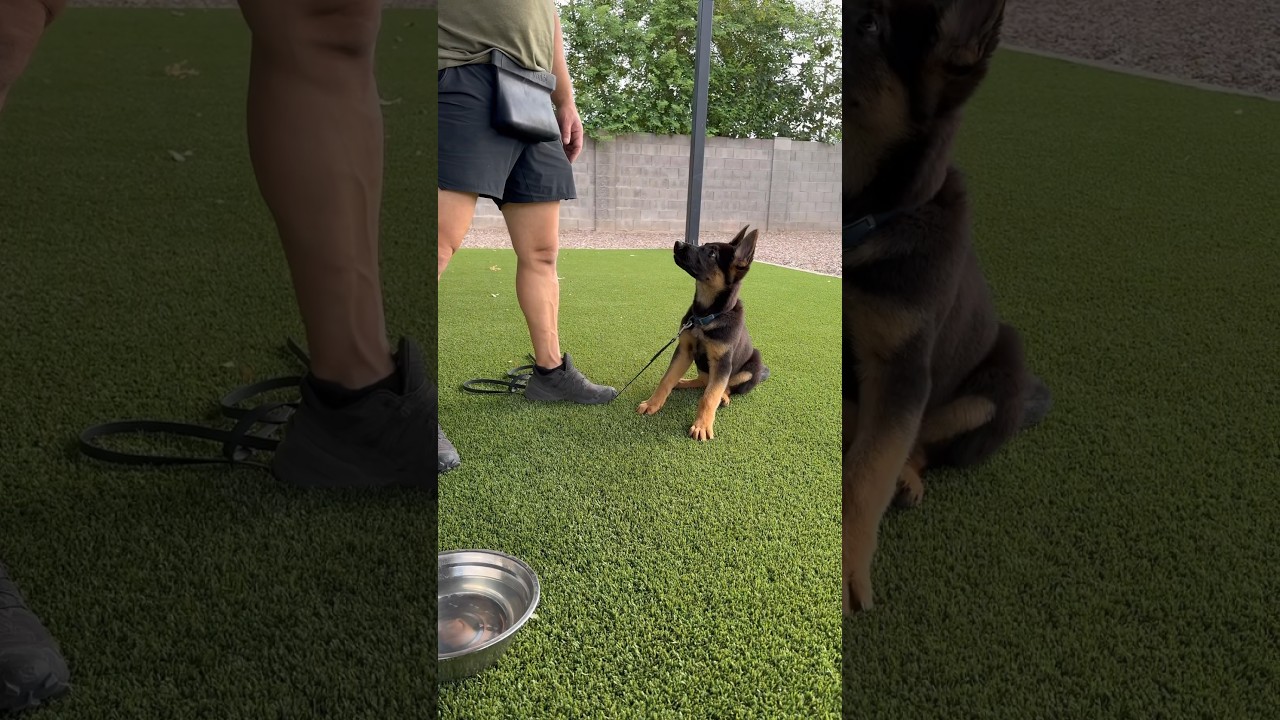



Warm weather means more opportunities for dogs to enjoy walks, hikes, backyard play, and other outdoor adventures. Unfortunately, it also means increased exposure to mosquitoes, fleas, ticks, and other pests.
These tiny insects and parasites can cause anything from temporary itching to allergic reactions and potentially serious diseases. Knowing what to look for and taking preventive steps can help keep your dog more comfortable and protected throughout the year.
Why Bug Bites Can Be a Problem for Dogs
Not every bite causes a noticeable reaction. Some dogs may develop an itchy bump, while others can experience significant irritation or an allergic response.
Certain pests can also transmit diseases. Mosquitoes are associated with heartworm transmission, while fleas and ticks can carry parasites and infectious diseases.
Because many problems aren’t immediately obvious, prevention and regular checks are important.
Mosquitoes and Dogs
Can Mosquitoes Be Dangerous to Dogs?
Mosquitoes aren’t simply an annoyance for dogs. One of the biggest concerns is heartworm disease.
When an infected mosquito bites a dog, it can transmit heartworm larvae. Over time, these parasites can develop and affect the heart, lungs, and associated blood vessels.
Heartworm disease can become severe and potentially life-threatening if it isn’t prevented or treated appropriately.
That’s why routine veterinary care and veterinarian-recommended heartworm prevention are important parts of responsible dog ownership.
What Does a Mosquito Bite Look Like on a Dog?
A mosquito bite may appear as a small, raised, red area of skin. Your dog might respond by:
- Scratching the affected area
- Licking the skin
- Biting at the spot
- Rubbing against furniture or other surfaces
Repeated scratching or licking can damage the skin and potentially contribute to secondary irritation or infection.
Dogs with thick coats can be particularly difficult to inspect, so pay attention to changes in scratching or grooming behavior after outdoor activities.
How to Reduce Mosquito Exposure
You can take several practical steps to reduce your dog’s exposure to mosquitoes:
- Ask your veterinarian about heartworm prevention. Regular preventive medication can help protect dogs from heartworm disease.
- Reduce standing water around your home. Empty containers, plant saucers, buckets, and other items that collect water.
- Keep outdoor areas maintained. Reducing places where mosquitoes can breed may help limit exposure.
- Be mindful of mosquito activity. Depending on the species and environment, mosquito activity can be higher during certain times of day.
- Use only dog-safe products. Never assume a human insect repellent is safe for pets. Ask your veterinarian before applying any pest-control product to your dog.
Watch for Allergic Reactions
Some dogs can have stronger reactions to insect bites.
Swelling, significant skin irritation, vomiting, weakness, or difficulty breathing can indicate a serious reaction. Difficulty breathing, collapse, or rapidly developing facial swelling should be treated as an emergency requiring immediate veterinary attention.
Fleas and Dogs
Why Are Fleas Dangerous?
Fleas are tiny, wingless parasites that survive by feeding on blood. Although they are particularly troublesome during warm, humid conditions, indoor environments can allow flea problems to persist throughout the year.
Beyond causing itching, fleas can contribute to several health problems.
Flea Allergy Dermatitis
Some dogs are allergic to substances in flea saliva. Even a small number of bites can trigger intense itching, redness, irritated skin, hair loss, and hot spots in sensitive dogs.
Tapeworms
Dogs can become infected with certain tapeworms if they swallow an infected flea while grooming themselves.
Anemia
A heavy flea infestation can cause significant blood loss, particularly in puppies, small dogs, or already vulnerable animals.
Other Infections
Fleas can also play a role in transmitting certain bacterial infections, making effective flea control an important part of overall pet care.
How Can You Tell If Your Dog Has Fleas?
The most obvious sign may be increased scratching or biting at the skin.
Other possible clues include:
- Excessive itching
- Red or irritated skin
- Hair loss
- Small scabs
- Hot spots
- Increased grooming
- Restlessness
- Tiny dark particles in the coat
Those dark particles may be flea dirt, which consists largely of flea waste and digested blood.
A flea comb can make it easier to inspect your dog’s coat, especially around areas such as the neck, tail base, groin, and armpits.
How to Prevent Fleas
Flea prevention works best when you consider both your dog and the surrounding environment.
Groom Your Dog Regularly
Routine brushing gives you an opportunity to inspect your dog’s skin and coat. A flea comb can be particularly useful for detecting evidence of fleas.
Keep Bedding and Living Areas Clean
Wash your dog’s bedding regularly and clean areas where your dog spends a lot of time. Flea eggs and other stages of the flea life cycle can exist in the environment, not just on the dog.
Check Your Dog After Outdoor Activities
Fleas can be encountered in grassy, shaded, or wooded areas and can also be introduced through contact with other animals.
Ask Your Veterinarian About Prevention
Veterinarians can recommend appropriate flea-control products based on your dog’s age, size, health, lifestyle, and exposure risk.
Ticks and Dogs
Why Are Ticks Dangerous?
Ticks are small parasites that attach to animals and feed on their blood.
The concern goes beyond the bite itself. Depending on the tick species and geographic area, ticks can transmit diseases such as:
- Lyme disease
- Rocky Mountain spotted fever
- Anaplasmosis
- Other tick-borne infections
Ticks can live in many different environments, including wooded areas, tall grass, brush, and places where vegetation is dense.
Even dogs that spend most of their time in urban areas can encounter ticks.
What Does a Tick Bite Look Like?
Sometimes the first sign is simply finding an attached tick.
Ticks can vary considerably in size and appearance depending on their species, developmental stage, and whether they have recently fed.
After outdoor activities, carefully check areas where ticks commonly hide, including:
- Inside and around the ears
- Around the eyes and eyelids
- Under the collar
- Around the neck
- Between the toes
- Between the legs
- Around the tail
- Areas with thinner or less visible fur
You may also notice a small red bump or irritated area where a tick has attached.
Signs of a Tick-Borne Illness
A dog infected with a tick-borne disease may not show symptoms immediately.
Depending on the illness, possible signs can include:
- Fever
- Tiredness or unusual lethargy
- Reduced appetite
- Changes in movement
- Weakness
- Swollen or painful areas
- Other unusual behavioral or physical changes
If your dog develops concerning symptoms after possible tick exposure, contact your veterinarian.
How to Protect Your Dog From Ticks
Regular inspections are one of the simplest ways to catch ticks early.
After walks or outdoor adventures:
- Run your hands carefully over your dog’s body.
- Check the ears, paws, toes, neck, and tail.
- Look closely through areas of thicker fur.
- Remove attached ticks promptly using an appropriate technique.
- Contact your veterinarian if you’re unsure how to safely remove a tick.
- Ask your veterinarian about appropriate tick-prevention products.
You can also make your yard less attractive to ticks by keeping grass maintained, trimming overgrown vegetation, and reducing piles of leaves or other outdoor debris.
Should Dogs Get the Lyme Disease Vaccine?
Lyme disease vaccination may be appropriate for some dogs depending on where they live and their exposure risk.
Your veterinarian can assess your dog’s lifestyle and local risk factors and determine whether vaccination should be part of the prevention plan.
A Simple Pest-Protection Routine for Your Dog
Keeping your dog protected doesn’t have to be complicated. Build a few habits into your normal routine:
Before Going Outside
- Check that your dog’s parasite prevention is current.
- Avoid areas with heavy pest activity when practical.
- Bring appropriate supplies for longer outdoor trips.
During Outdoor Activities
- Keep your dog away from stagnant water where practical.
- Avoid unnecessary contact with dense brush and tall vegetation.
- Watch for excessive scratching or unusual behavior.
After Coming Inside
- Inspect your dog’s coat and skin.
- Check commonly overlooked areas such as between the toes and around the ears.
- Brush your dog when appropriate.
- Wash or clean outdoor gear and bedding regularly.
Throughout the Year
- Maintain regular veterinary visits.
- Keep flea and tick prevention consistent when recommended.
- Follow your veterinarian’s heartworm-prevention advice.
- Monitor your dog’s skin and behavior for changes.
When Should You Call the Veterinarian?
Contact your veterinarian if you notice:
- A persistent or worsening skin reaction
- Severe itching
- Significant swelling
- A large number of fleas or ticks
- A tick that you cannot safely remove
- Loss of appetite
- Unusual tiredness
- Fever
- Changes in movement
- Repeated vomiting
- Difficulty breathing
- Severe weakness or collapse
Prompt veterinary attention can be especially important when a dog has a severe allergic reaction or develops signs of illness after parasite exposure.
Final Thoughts
Mosquitoes, fleas, and ticks may be tiny, but they can create significant problems for dogs. The best approach is to combine prevention, regular grooming, environmental management, and routine veterinary care.
Checking your dog after outdoor adventures can help you spot parasites early, while veterinarian-recommended preventive products can reduce the risk of many pest-related problems.
With a consistent routine, your dog can spend more time enjoying the outdoors and less time dealing with unwanted visitors.










Leave a comment