



Finding a tooth on the floor can be surprising, especially if you’ve never experienced dog tooth loss before. If your puppy is teething, losing a tooth is usually a normal part of growing up. For an adult dog, however, a loose or missing tooth can point to an underlying dental problem.
Understanding the difference between normal puppy tooth loss and adult tooth loss can help you know when to simply monitor your dog and when to contact your veterinarian.
Here are five important things every dog parent should know about losing teeth.
1. Puppies Normally Lose Their Baby Teeth
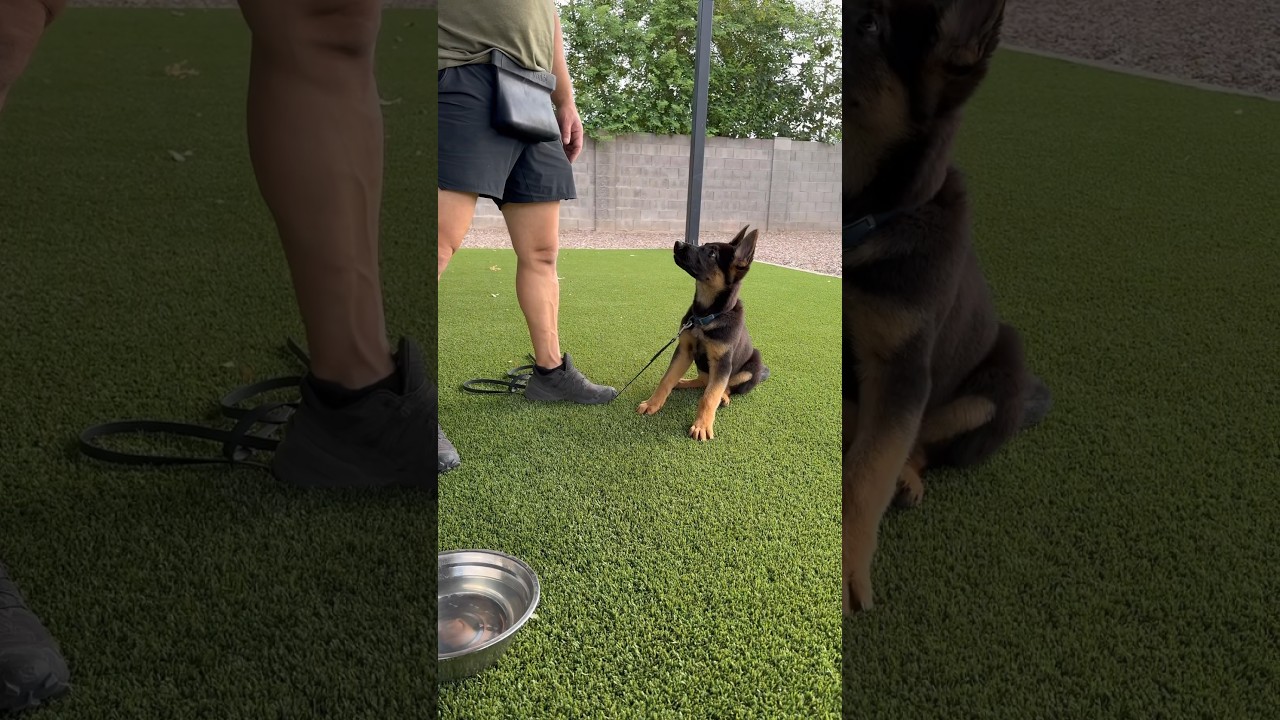
Just like human children, puppies go through a period when their baby teeth fall out and are replaced by permanent adult teeth.
Puppies are born without teeth. Their first temporary teeth, known as deciduous or baby teeth, generally begin appearing when they are a few weeks old.
A puppy typically has 28 baby teeth, while a fully grown dog normally has 42 permanent teeth.
As the puppy grows, the baby teeth gradually loosen and fall out as the adult teeth develop. This process usually begins when puppies are around three to four months old.
You may occasionally find one of these tiny teeth around the house, although puppies often swallow loose teeth without anyone noticing.
2. Losing a Tooth During Puppy Teething Usually Isn’t a Reason to Panic
Teething can be an uncomfortable stage for puppies.
You may notice your puppy chewing more frequently, drooling, whining, or looking for things to put in their mouth. Chewing can help provide relief as the new adult teeth come through.
During this process, you might notice a small amount of blood around the mouth or discover a baby tooth on the floor.
A small amount of bleeding can happen when a baby tooth comes loose. However, significant bleeding, severe pain, swelling, or other unusual symptoms should not simply be dismissed as teething.
Providing your puppy with appropriate, veterinarian-approved chew toys can give them something safe to chew while their adult teeth develop.
3. Tooth Loss in Adult Dogs Can Be a Warning Sign
Once a dog’s permanent teeth have grown in, losing a tooth is very different from normal puppy teething.
Adult dogs do not normally lose healthy permanent teeth naturally. If you notice a loose tooth, a missing tooth, bleeding gums, facial swelling, difficulty eating, or obvious mouth discomfort, it’s important to have your dog evaluated by a veterinarian.
Unlike puppies, adult dogs do not naturally replace lost permanent teeth.
The cause of a loose tooth needs to be identified rather than simply waiting to see whether it improves. Depending on the problem, a veterinarian may recommend dental X-rays, cleaning, treatment, or extraction.
4. Dental Disease Is a Common Cause of Adult Dog Tooth Loss
There are several possible reasons an adult dog might lose a tooth, but dental disease is an especially important one to understand.
Periodontal disease develops when plaque and bacteria accumulate around the teeth and gums. Over time, untreated dental disease can damage the tissues and structures that support the teeth.
Other potential causes of tooth loss can include:
- Trauma or injury
- Tooth infections
- Severe dental decay
- Oral growths or tumors
- Developmental or genetic problems
- Damage caused by inappropriate objects or chewing habits
Regular dental examinations can help identify problems before they become more serious.
5. Good Dental Care Can Help Protect Your Dog’s Teeth
Preventing dental disease is one of the most important things you can do to support your dog’s long-term oral health.
A consistent home dental routine can help reduce plaque buildup. Depending on your dog’s temperament and veterinary recommendations, this may include regular tooth brushing with products specifically designed for dogs.
Routine veterinary dental examinations are also important. Your veterinarian can assess your dog’s teeth and gums and determine whether professional cleaning or additional treatment is needed.
Helpful Dog Dental Care Habits
You can support your dog’s oral health by:
- Brushing their teeth regularly with dog-safe toothpaste
- Scheduling routine veterinary dental examinations
- Following your veterinarian’s recommendations for professional cleanings
- Providing appropriate dental products or chew items
- Checking your dog’s mouth regularly for changes
- Watching for bad breath, swollen gums, bleeding, or loose teeth
Never use human toothpaste for your dog unless your veterinarian specifically tells you that a particular product is safe. Some ingredients found in human products can be harmful to dogs.
Signs Your Dog May Have a Dental Problem
Tooth loss isn’t the only sign that something may be wrong with your dog’s mouth.
Contact your veterinarian if you notice symptoms such as:
- Persistent bad breath
- Red or swollen gums
- Bleeding from the mouth
- Difficulty chewing
- Dropping food while eating
- Reduced interest in food
- Excessive drooling
- Pawing at the mouth
- Facial swelling
- A loose or missing permanent tooth
- Changes in chewing behavior
Dogs don’t always make it obvious when their mouths hurt, so subtle behavioral changes can be worth paying attention to.
Puppy Tooth Loss vs. Adult Tooth Loss
The biggest distinction to remember is simple:
Puppy tooth loss is generally part of normal development. Adult tooth loss usually deserves veterinary attention.
A puppy losing baby teeth as permanent teeth come in is expected. An adult dog with loose or falling teeth may have an underlying dental or health problem that needs treatment.
Knowing your dog’s age and whether their permanent teeth have already developed can provide important context when you notice a missing tooth.
Final Thoughts
Dog tooth loss isn’t always something to worry about. For puppies, losing baby teeth is a normal milestone as they grow their permanent adult teeth.
For adult dogs, however, loose or missing teeth can indicate periodontal disease, trauma, infection, or another underlying problem.
Regular tooth brushing, professional veterinary care, and routine checks of your dog’s mouth can go a long way toward protecting their dental health. If you’re ever unsure whether a missing or loose tooth is normal, it’s safest to ask your veterinarian.
A healthy mouth can make eating more comfortable and is an important part of your dog’s overall well-being.








Leave a comment